Issue · Immigration

Immigration (Enforcement)

Every immigration bill, vote, and legislator stance in United States, automatically classified by Maddy, our AI policy reader.

Total bills
293
119th Congress
Top supporter
Alan Armstrong
86% support rate
Top opponent
Catherine Cortez Masto
11% support rate
Ranked legislators
10
5 support · 5 oppose
Key legislators

Who's moving enforcement in United States

Legislators moving enforcement in United States
Legislator Party Stance Support rate Decisive votes
AA
Alan Armstrong Senate
R
Strong +
86% 29
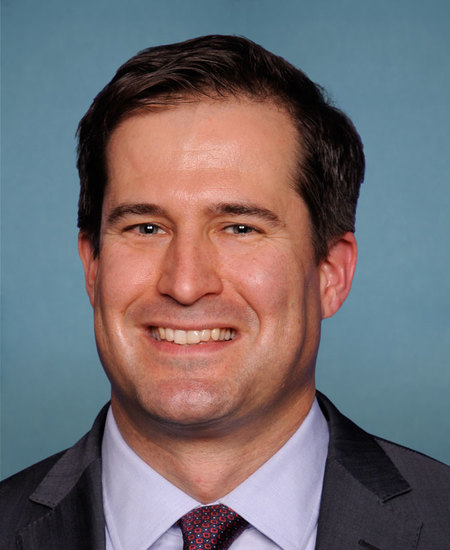
Seth Moulton
Seth Moulton House · District 6
D
Strong +
83% 12
Mitch McConnell
Mitch McConnell Senate
R
Strong +
82% 33
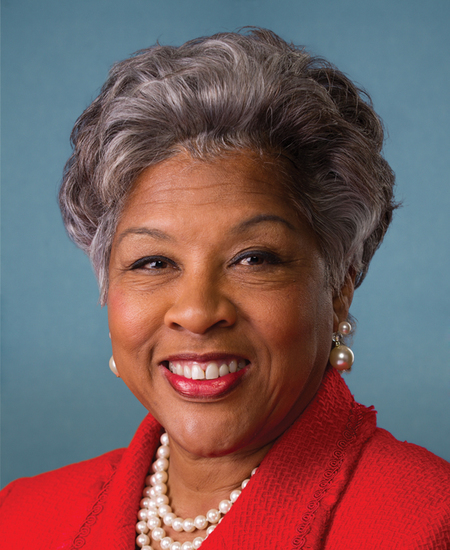
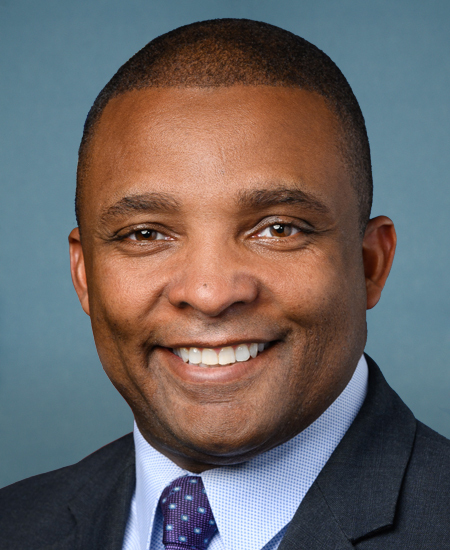
Joyce Beatty
Joyce Beatty House · District 3
D
Strong +
82% 11
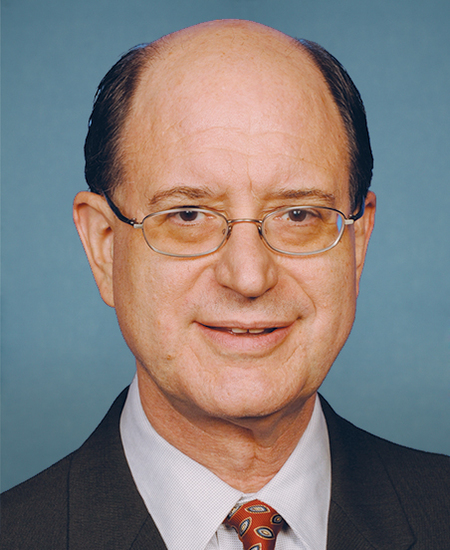
Brad Sherman
Brad Sherman House · District 32
D
Strong +
80% 15
Catherine Cortez Masto
Catherine Cortez Masto Senate
D
Strong −
11% 35
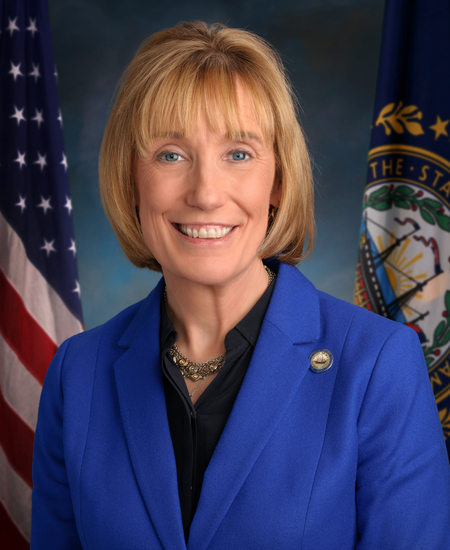
Margaret Wood Hassan
Margaret Wood Hassan Senate
D
Strong −
11% 35
Donald G. Davis
Donald G. Davis House · District 1
D
Strong −
12% 17
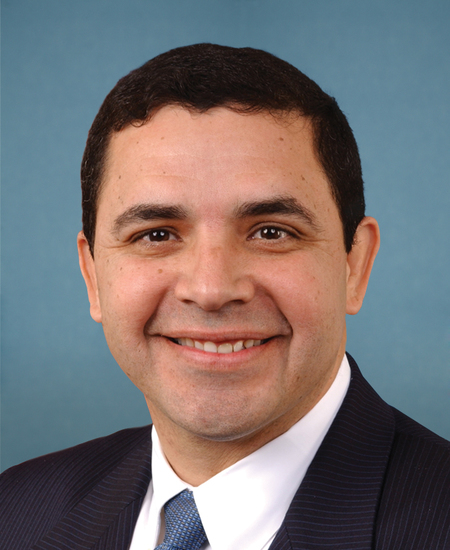
Henry Cuellar
Henry Cuellar House · District 28
D
Strong −
12% 17
Laura Gillen
Laura Gillen House · District 4
D
Strong −
12% 17
Showing 181–190 of 293 bills

All immigration bills

in committee · United States · Senate Feb 3, 2025

S 363: STOP MADNESS Act

The STOP MADNESS Act (S 363) proposes imposing U.S. economic sanctions on foreign governments and entities that resist repatriating migrants who entered the U.S. unlawfully or knowingly facilitate such immigration. It would block financial transactions with U.S. financial systems for targeted foreign governments and foreign persons meeting specific criteria, including those obstructing U.S. repatriation efforts or aiding illegal immigration. The bill requires the President to submit annual reports to Congress detailing sanctions actions and enforcement, with a 7-year reporting period. It defines key terms like "knowingly" and specifies exemptions for intelligence and law enforcement activities.
in committee · United States · Senate Apr 30, 2025

S 1522: District of Columbia Federal Immigration Compliance Act

This bill requires the District of Columbia government to stop policies that prevent sharing immigration status information with federal authorities or refusing to comply with federal immigration detainer requests. It directly affects DC government entities, including police and local officials, by mandating cooperation with federal immigration enforcement under specific conditions. Key provisions prohibit DC from restricting the sharing of immigration status data or refusing to honor DHS detainer requests, except when an individual is a victim or witness to a crime. The exception ensures DC can maintain protections for crime victims without violating the bill's requirements.
in committee · United States · House Jun 23, 2025

HR 4080: GUARD Act

HR 4080, the GUARD Act, amends the Posse Comitatus Act to allow National Guard members to assist with immigration enforcement under specific conditions: when ordered by a state governor or when performing duties under federal law exclusively for enforcing immigration laws (including apprehension, detention, or removal of undocumented individuals) or border security operations. It also adds a new federal criminal provision (Section 119A) making it a crime to assault, resist, or interfere with U.S. immigration officers or state/local officers acting under federal authority in immigration enforcement, with penalties ranging from 5 years to life imprisonment depending on injury or death. The bill directly affects National Guard personnel conducting immigration-related duties and individuals who threaten or harm immigration enforcement personnel. These changes clarify legal authority for immigration enforcement operations and increase penalties for violence against such personnel.
in committee · United States · House Mar 11, 2025

HR 2090: Identifying Potential Terrorist at the Border Act of 2025

HR 2090 requires U.S. Customs and Border Protection (CBP) to hold any individual encountered at the border in custody until they cross-reference that person's name against the federal terrorist screening database and receive a result. This directly affects all aliens (non-citizens) processed by CBP at U.S. borders. The key mechanism mandates this database check as a mandatory step before releasing an individual, replacing previous procedures. The bill defines the "terrorist screening database" as specified under the Homeland Security Act of 2002.
in committee · United States · House Jan 28, 2025

HR 756: 287(g) Program Protection Act

HR 756, the 287(g) Program Protection Act, makes it easier for state and local law enforcement agencies to partner with federal immigration authorities under the 287(g) program. It requires the Secretary of Homeland Security to enter written agreements with any state or local agency that requests participation within 90 days, prohibits arbitrary denials without 180 days' notice to Congress, and bans termination of existing agreements without compelling reasons and 180 days' notice. The bill also mandates uniform federal training standards for participating officers, requires annual reports on program performance (including apprehensions, removals, and compliance), and establishes dedicated funding for the program. This directly affects state and local police departments seeking to enforce federal immigration laws within their jurisdictions.
in committee · United States · House Jan 3, 2025

HR 57: Ending Catch and Release Act of 2025

HR 57, the "Ending Catch and Release Act of 2025," changes U.S. immigration enforcement for individuals apprehended at the border who request asylum. It prohibits immigration officers from releasing these individuals into the United States while their asylum claims are processed, requiring instead either detention for immigration court proceedings or immediate return to the border territory (like Mexico) for asylum consideration. The bill mandates that if an individual cannot be removed within 72 hours, they must remain detained until removal occurs, with no exception for parole. This directly affects asylum seekers arriving by land from contiguous foreign territories who are processed under Section 235 of the Immigration and Nationality Act.
in committee · United States · House Feb 6, 2026

HR 7392: To impose a hiring freeze on United States Immigration and Customs Enforcement, and for other purposes.

This bill imposes a hiring freeze on U.S. Immigration and Customs Enforcement (ICE), prohibiting the use of federal funds to hire new employees or transfer existing federal workers to ICE. The freeze begins upon the bill's enactment and automatically ends when Congress passes a specific law overriding it. It directly affects ICE's staffing capabilities by halting new appointments and transfers using federal funding. The measure is procedural, focusing solely on restricting hiring authority without altering immigration enforcement policies.
in committee · United States · House Jan 21, 2025

HR 584: No Medicaid for Illegal Immigrants Act of 2025

HR 584, the "No Medicaid for Illegal Immigrants Act of 2025," would amend the Social Security Act to prohibit states from providing Medicaid coverage to non-citizens who are not lawfully admitted for permanent residence or permanently residing in the U.S. under legal status. This bill directly affects undocumented immigrants who currently qualify for Medicaid in some states. The key provision inserts a new requirement that states cannot offer Medicaid benefits (except for specific emergency care) to these individuals under any state Medicaid plan or waiver. The change would prevent federal Medicaid funding from being used for this group, effectively eliminating their eligibility.
in committee · United States · Senate Jan 22, 2025

S 185: Justice for Victims of Sanctuary Cities Act of 2025

Justice for Victims of Sanctuary Cities Act of 2025 This bill provides a private right of action against state and local jurisdictions with certain policies that limit cooperation with federal immigration enforcement efforts, and contains additional provisions related to such jurisdictions. Currently, such cooperation is generally not required. An individual (or certain relatives of such an individual) who is the victim of any felony for which an alien has been arrested, convicted, or sentenced to a prison term of at least one year may sue a state or local jurisdiction if the jurisdiction failed to comply with (1) certain Department of Homeland Security (DHS) requests related to arresting and detaining aliens, and (2) a DHS request to detain the alien in question or provide a notification about the release of the alien. A jurisdiction that accepts certain federal grants may not assert immunity in such a civil action. A jurisdiction (or employee of a jurisdiction) that complies with certain DHS detainer requests shall be deemed to be acting as an agent of DHS. A complying jurisdiction or employee of the jurisdiction shall not be liable in any lawsuit relating to compliance with such requests. In a lawsuit against an employee of the jurisdiction, the United States shall be substituted in as the defendant, and remedies shall be limited to provisions for bringing tort claims against the federal government.
in committee · United States · House Dec 18, 2025

HR 6854: No Welfare for Non-Citizens Act

HR 6854, the "No Welfare for Non-Citizens Act," would remove all federal public benefit eligibility for non-citizens under current law. It amends the 1996 welfare law by eliminating exceptions that previously allowed certain non-citizens (like "qualified aliens") to access benefits such as cash assistance and unemployment benefits. The bill repeals existing provisions that permitted limited eligibility and explicitly states non-citizens are ineligible for all federal public benefits. This change would directly affect non-citizens without specific immigration statuses, removing their access to programs like SNAP (food stamps) or Temporary Assistance for Needy Families (TANF) that were previously available under limited circumstances.
Showing 181 to 190 of 293 bills
Previous 1 … 18 19 20 … 30 Next