Issue · Immigration

Immigration (Enforcement)

Every immigration bill, vote, and legislator stance in United States, automatically classified by Maddy, our AI policy reader.

Total bills
293
119th Congress
Top supporter
Alan Armstrong
86% support rate
Top opponent
Catherine Cortez Masto
11% support rate
Ranked legislators
10
5 support · 5 oppose
Key legislators

Who's moving enforcement in United States

Legislators moving enforcement in United States
Legislator Party Stance Support rate Decisive votes
AA
Alan Armstrong Senate
R
Strong +
86% 29
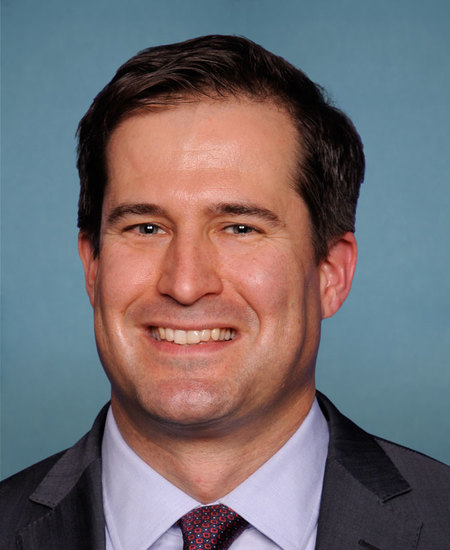
Seth Moulton
Seth Moulton House · District 6
D
Strong +
83% 12
Mitch McConnell
Mitch McConnell Senate
R
Strong +
82% 33
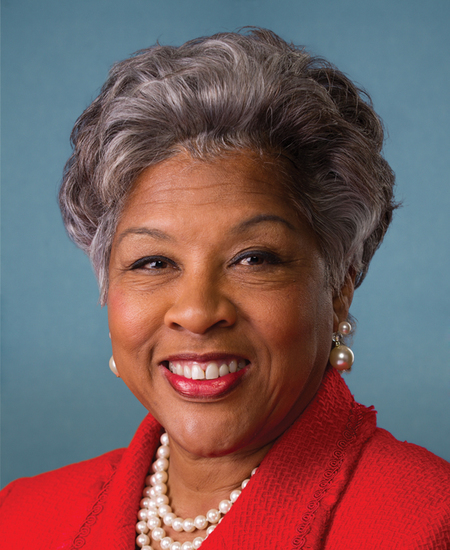
Joyce Beatty
Joyce Beatty House · District 3
D
Strong +
82% 11
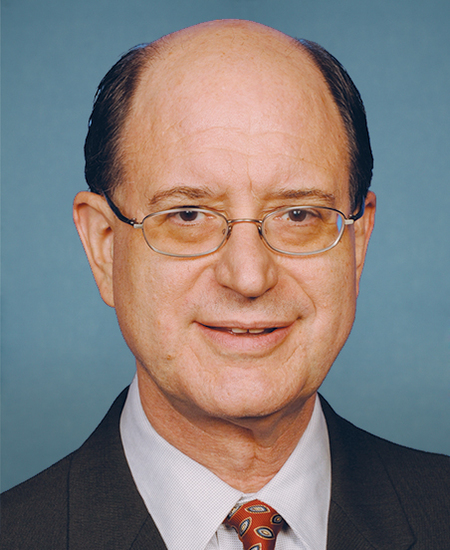
Brad Sherman
Brad Sherman House · District 32
D
Strong +
80% 15
Catherine Cortez Masto
Catherine Cortez Masto Senate
D
Strong −
11% 35
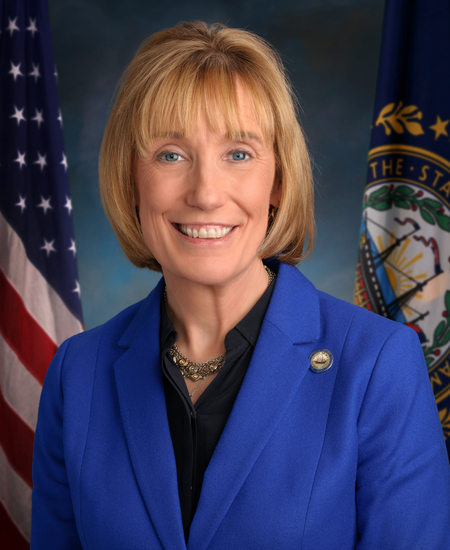
Margaret Wood Hassan
Margaret Wood Hassan Senate
D
Strong −
11% 35
Donald G. Davis
Donald G. Davis House · District 1
D
Strong −
12% 17
Henry Cuellar
Henry Cuellar House · District 28
D
Strong −
12% 17
Laura Gillen
Laura Gillen House · District 4
D
Strong −
12% 17
Showing 171–180 of 293 bills

All immigration bills

in committee · United States · House Jun 24, 2025

HR 4092: Protect RAIL Act

HR 4092, the Protect RAIL Act, amends U.S. immigration law to make certain crimes involving stolen goods transported by carriers (like trains, trucks, or ships) grounds for denying entry or deporting non-citizens. It adds new inadmissibility and deportability provisions for anyone convicted of theft from interstate or foreign shipments under Title 18, Section 659 of the U.S. Code. The bill directly affects non-citizens who commit these specific theft offenses, making them ineligible to enter the U.S. or subject to removal. This changes immigration consequences for existing criminal offenses, not the crimes themselves.
in committee · United States · House Dec 3, 2025

HR 6372: D.C. Shield Law Repeal Act

HR 6372, the D.C. Shield Law Repeal Act, repeals the Human Rights Sanctuary Amendment Act of 2022 (D.C. Law 24-257), which had modified District of Columbia protections for certain immigrant residents. The bill restores the previous legal framework that existed before the 2022 amendment took effect. This directly affects D.C. law and its implementation regarding immigrant rights within the District.
in committee · United States · Senate Jul 23, 2025

S 2413: Justice for Victims of Illegal Alien Murders Act

S 2413 would amend federal law to impose mandatory death or life imprisonment for first-degree murder and life imprisonment for second-degree murder committed by certain aliens. It directly affects non-citizens classified as "inadmissible" (e.g., due to past crimes) or "deportable" under specific immigration laws (sections 212(a)(6)(A), 212(a)(7), or 237(a)(1)(B)/(C)(i) of the Immigration and Nationality Act). The bill adds new sentencing provisions to Title 18, requiring the harshest penalties for these specific murder cases regardless of the location within U.S. jurisdiction. This changes federal criminal sentencing for a defined group of aliens convicted of murder, without altering immigration enforcement procedures.
Sub-Topics Sentencing Enforcement
in committee · United States · Senate Apr 29, 2025

S 1517: BE GONE Act

This bill amends the Immigration and Nationality Act to expand the definition of "aggravated felonies" by adding "sexual assault and aggravated sexual violence" to the list of crimes triggering mandatory deportation for non-citizens. It directly affects non-citizens convicted of these specific sexual offenses, making them subject to automatic deportation under immigration law. The key change is adding this provision to Section 101(a)(43) of the Immigration and Nationality Act, which defines aggravated felonies. This policy shift would expand the scope of offenses classified as deportation triggers without creating new enforcement procedures.
in committee · United States · House Sep 12, 2025

HR 5330: SAFE Driving Laws Act

This bill would withhold 50% of federal highway funding from states that issue driver's licenses to people without proof of U.S. citizenship or legal residency status, starting in 2027. To comply, states must ban such licenses and allow local/state officials to share immigration status information with U.S. Customs and Border Protection. The Transportation Secretary would maintain a public database tracking each state's compliance with these requirements. The law directly affects state governments and their access to federal transportation funds, not individual drivers.
passed · United States · House Sep 15, 2025

HR 3486: Stop Illegal Entry Act of 2025

HR 3486, the Stop Illegal Entry Act of 2025, increases penalties for certain immigration violations under the Immigration and Nationality Act. It raises the mandatory prison term for unlawful entry (Section 275) from 2 to 5 years and adds new provisions for aliens who commit crimes after entry. For reentry after removal (Section 276), it increases the base penalty to up to 10 years imprisonment, with enhanced penalties of up to 15 years for those with prior drug or violent crime convictions, and mandatory minimums of 10 years or more for those with prior aggravated felonies, multiple removals, or prior convictions for serious crimes. The bill directly affects noncitizens who enter the U.S. illegally or reenter after being removed, with penalties applying to specific categories of prior criminal conduct.
in committee · United States · House Mar 6, 2025

HR 1935: Protecting Military Assets Act of 2025

HR 1935, the Protecting Military Assets Act of 2025, adds new grounds for denying entry to the U.S. and removing non-citizens who violate military property laws. Specifically, it makes individuals inadmissible if they've been convicted of or admitted to entering military, naval, or Coast Guard property without authorization (per 18 U.S.C. § 1382). It also makes such individuals deportable if already in the U.S. The bill directly affects non-citizens convicted under this specific federal offense, strengthening immigration enforcement for violations at military sites. This is a policy change to existing immigration law, not a new criminal offense.
in committee · United States · House Jan 21, 2025

HR 578: Sarah’s Law

HR 578, "Sarah’s Law," requires mandatory detention for certain non-citizens (aliens) charged with crimes resulting in death or serious bodily injury. It directly affects non-citizens facing such charges and their victims' families. Key provisions mandate that the Department of Homeland Security detain these individuals immediately and notify victims or their closest living relatives (like parents or spouses) about the alien’s identity, immigration status, custody details, and removal efforts. The bill adds specific categories of non-citizens to the mandatory detention list, including those whose visas were revoked or who are deportable for prior immigration violations. This creates a formal process for victim notification while expanding detention requirements under immigration law.
in committee · United States · Senate Dec 3, 2025

S 3327: D.C. Shield Law Repeal Act

This bill repeals the D.C. Human Rights Sanctuary Amendment Act of 2022 (D.C. Law 24-257), restoring the District of Columbia's prior legal framework regarding immigration enforcement. It directly affects D.C. residents and local government operations by eliminating the 2022 law's restrictions on cooperating with federal immigration authorities. The key mechanism is a straightforward repeal, meaning all provisions of the 2022 law are removed and previous laws governing immigration enforcement in D.C. are reinstated as if the amendment never existed.
in committee · United States · House May 7, 2025

HR 3237: No Student Visas for Sanctuary Cities Act of 2025

HR 3237, the "No Student Visas for Sanctuary Cities Act of 2025," blocks F-1 student visas (for academic studies) and M-1 visas (for vocational training) for international students seeking to attend schools in jurisdictions designated as "sanctuary jurisdictions." The bill defines a sanctuary jurisdiction as any state or local government with laws obstructing immigration enforcement, such as refusing to comply with ICE detainers or denying access to incarcerated immigrants. The Department of Homeland Security would identify these jurisdictions annually, and institutions located in them would be barred from receiving new student visas under the F or M categories. This policy directly affects international students and educational institutions in designated areas, with no visa issuance permitted for those locations during the fiscal year unless the jurisdiction is reclassified.
Showing 171 to 180 of 293 bills
Previous 1 … 17 18 19 … 30 Next