Issue · Immigration

Immigration (Enforcement)

Every immigration bill, vote, and legislator stance in United States, automatically classified by Maddy, our AI policy reader.

Total bills
293
119th Congress
Top supporter
Alan Armstrong
86% support rate
Top opponent
Catherine Cortez Masto
11% support rate
Ranked legislators
10
5 support · 5 oppose
Key legislators

Who's moving enforcement in United States

Legislators moving enforcement in United States
Legislator Party Stance Support rate Decisive votes
AA
Alan Armstrong Senate
R
Strong +
86% 29
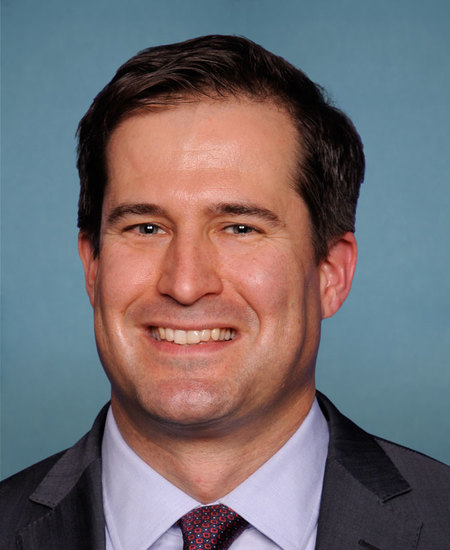
Seth Moulton
Seth Moulton House · District 6
D
Strong +
83% 12
Mitch McConnell
Mitch McConnell Senate
R
Strong +
82% 33
Joyce Beatty
Joyce Beatty House · District 3
D
Strong +
82% 11
Brad Sherman
Brad Sherman House · District 32
D
Strong +
80% 15
Catherine Cortez Masto
Catherine Cortez Masto Senate
D
Strong −
11% 35
Margaret Wood Hassan
Margaret Wood Hassan Senate
D
Strong −
11% 35
Donald G. Davis
Donald G. Davis House · District 1
D
Strong −
12% 17
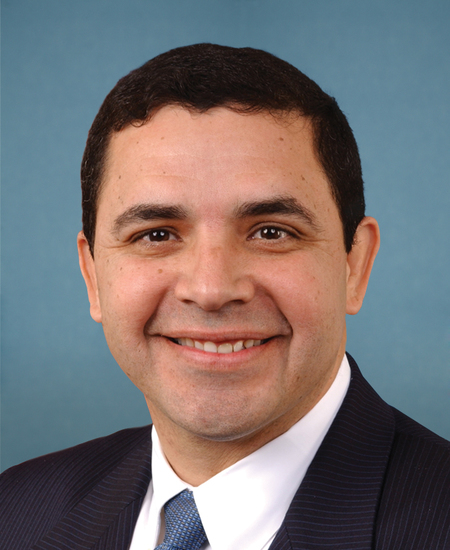
Henry Cuellar
Henry Cuellar House · District 28
D
Strong −
12% 17
Laura Gillen
Laura Gillen House · District 4
D
Strong −
12% 17
Showing 161–170 of 293 bills

All immigration bills

in committee · United States · House Jan 3, 2025

HR 190: SEND THEM BACK Act of 2025

This bill (HR 190) would require the expedited removal of individuals who entered the U.S. illegally on or after January 20, 2021, regardless of whether they claimed asylum or feared persecution. It directly affects noncitizens who entered without inspection after that date, removing standard asylum processing for them. The key provision mandates faster deportation without court hearings for this group, except for current U.S. military members as of January 1, 2025. The bill changes immigration enforcement procedures by bypassing asylum eligibility checks for a specific cohort of recent arrivals. It does not address broader immigration policy or provide new pathways for legal status.
in committee · United States · House Jan 9, 2025

HR 263: Transnational Criminal Organization Illicit Spotter Prevention and Elimination Act

HR 263, the Transnational Criminal Organization Illicit Spotter Prevention and Elimination Act, creates new federal criminal penalties for actions aiding criminal groups evading border controls. It makes it a crime to knowingly transmit law enforcement locations or movements to help with immigration, customs, or border-related crimes, punishable by fines or up to 10 years in prison. The bill also criminalizes damaging or tampering with border infrastructure like fences or sensors, with penalties increasing to 20 years if a firearm is involved. These provisions directly affect individuals assisting transnational criminal organizations in circumventing U.S. border security measures. The law aims to strengthen enforcement against those who undermine border control systems.
in committee · United States · House Jan 3, 2025

HR 174: Consequences for Social Security Fraud Act

HR 174 adds new grounds for inadmissibility and deportability related to specific fraud offenses. It targets non-citizens convicted of, or admitting to, Social Security fraud (using false account numbers/cards), identification document fraud, or fraud involving pandemic-era loans or grants (like those under the Small Business Act or American Rescue Plan). The bill amends immigration law to make such individuals ineligible for entry into the U.S. or subject to removal. It directly affects non-citizens who commit these defined offenses, not general fraud cases. The policy change is limited to these specific fraud categories tied to federal pandemic programs and Social Security/ID documents.
in committee · United States · House Jun 4, 2025

HR 3715: New IDEA Act

This bill prohibits businesses from deducting wages paid to undocumented workers when calculating taxable income. It creates a safe harbor for employers using the E-Verify program: if they confirm employment eligibility through E-Verify, they may still deduct those wages. The law directly affects employers who hire undocumented workers, removing a tax benefit for such payments. It also establishes new data-sharing between the IRS, DHS, and Social Security to enforce compliance, with a 6-year audit window for improper deductions.
in committee · United States · House Jun 3, 2026

HR 175: Deport Alien Gang Members Act

This bill creates new grounds for deporting non-citizens who are members of or associated with criminal gangs. It defines a "criminal gang" as a group of five or more people whose primary purpose is committing serious crimes like drug offenses, violence, trafficking, or weapons violations. The Secretary of Homeland Security can designate groups as criminal gangs after consultation with the Attorney General, and these designations make gang members ineligible for asylum, temporary protected status, parole, and other immigration benefits. The bill also establishes procedures for reviewing and revoking these designations, with limited judicial review options.
in committee · United States · Senate Jun 9, 2025

S 1993: RIPPLE Act of 2025

The RIPPLE Act of 2025 (S 1993) creates a federal reimbursement program for states and local law enforcement agencies that enforce immigration laws under federal agreements. It allows the Attorney General to pay back states and localities for costs like officer wages, overtime pay, and salaries incurred when their officers perform immigration-related duties. This directly affects local police departments and state agencies participating in federal immigration enforcement programs. The bill adds this reimbursement mechanism to existing law, aiming to offset the financial burden on local governments for these activities. It does not change immigration enforcement policies or eligibility but provides funding for costs already being borne by participating jurisdictions.
in committee · United States · House Apr 29, 2025

HR 3081: Law Enforcement Solidarity Act

HR 3081, the Law Enforcement Solidarity Act, restricts federal funding for jurisdictions that prohibit local law enforcement from cooperating with federal officers. Beginning 60 days after enactment, such jurisdictions become ineligible for federal funds intended to provide services like food, shelter, healthcare, legal aid, or transportation to undocumented immigrants. The bill defines a "jurisdiction with law enforcement cooperation restrictions" as any state or local government that blocks officials from assisting, aiding, or responding to federal law enforcement requests. This directly affects local governments with policies limiting collaboration with federal immigration enforcement. The law aims to link federal funding eligibility to cooperation with federal law enforcement on immigration matters.
in committee · United States · House Jan 31, 2025

HR 864: Freedom to Cooperate Act

The Freedom to Cooperate Act (HR 864) amends federal law to prevent states from restricting local law enforcement from cooperating with federal immigration authorities. It prohibits states from banning or limiting government entities from sharing immigration status information, complying with federal requests, or making inquiries about immigration status. The bill also clarifies immigration detainer procedures, requiring probable cause for detainers and setting a 48-96 hour window for transferring custody to federal authorities. It provides legal immunity for state/local law enforcement that complies with detainers, except in cases of bad faith. This directly affects state/local law enforcement agencies and individuals subject to immigration enforcement actions.
in committee · United States · Senate Jul 21, 2025

S 2359: SAFE HIRE Act

This bill requires publicly traded companies (those filing SEC reports) to annually certify their compliance with federal employment eligibility verification laws, including I-9 and E-Verify. The principal executive and HR officers must certify that internal controls prevent hiring unauthorized workers, disclose any violations or deficiencies, and confirm they've evaluated these controls. Companies must submit this certification with their annual SEC reports, with false certifications carrying criminal penalties of up to $5 million and 20 years in prison for serious violations. The law directly affects large employers subject to SEC reporting, adding new transparency requirements for immigration compliance.
in committee · United States · House Jul 23, 2025

HR 4697: Justice for American Victims of Illegal Aliens Act

HR 4697 would amend federal death penalty sentencing guidelines to add a new factor: if a defendant is an undocumented immigrant convicted of killing or attempting to kill a U.S. citizen. This directly affects non-citizens who entered the U.S. unlawfully and were convicted of murder or attempted murder against U.S. citizens. The key provision requires federal judges to consider the defendant's immigration status as an aggravating factor during sentencing hearings. The bill changes sentencing considerations for specific capital cases but does not alter the legal definitions of the underlying crimes.
Sub-Topics Sentencing Enforcement
Showing 161 to 170 of 293 bills
Previous 1 … 16 17 18 … 30 Next