Issue · Immigration

Immigration

Every immigration bill, vote, and legislator stance in United States, automatically classified by Maddy, our AI policy reader.

Total bills
506
119th Congress
Top supporter
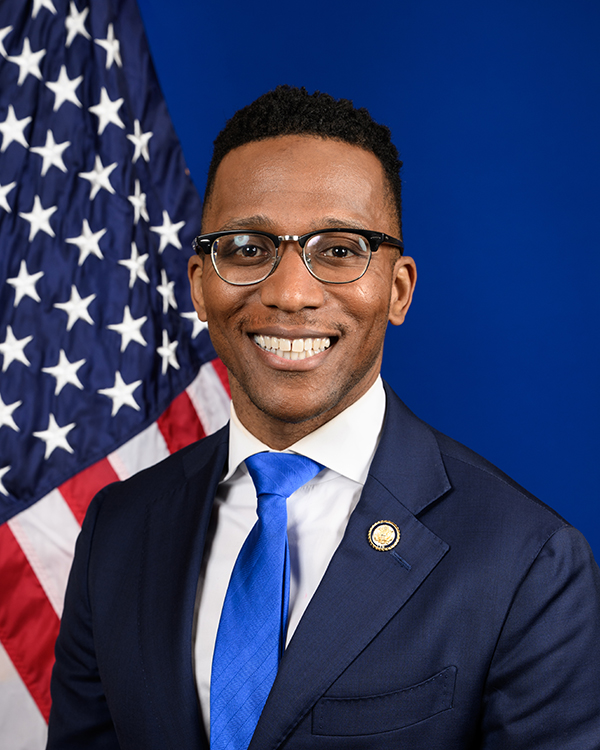
Christian D. Menefee
89% support rate
Top opponent
Gregory F. Murphy
13% support rate
Ranked legislators
10
5 support · 5 oppose
Key legislators

Who's moving immigration in United States

Legislators moving immigration in United States
Legislator Party Stance Support rate Decisive votes
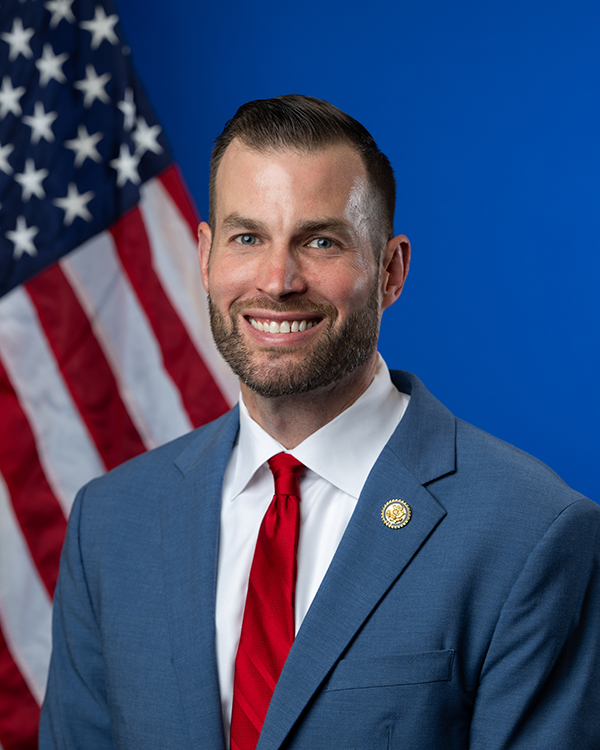
Christian D. Menefee
Christian D. Menefee House · District 18
D
Strong +
89% 9
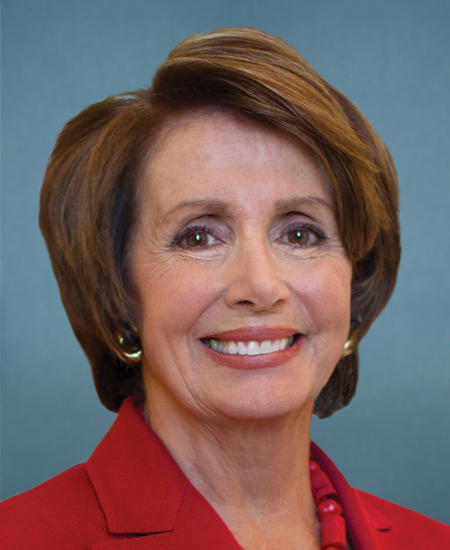
Nancy Pelosi
Nancy Pelosi House · District 11
D
Strong +
86% 21
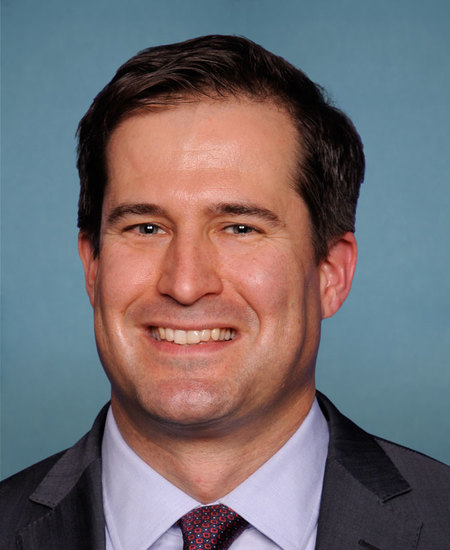
Seth Moulton
Seth Moulton House · District 6
D
Strong +
86% 21
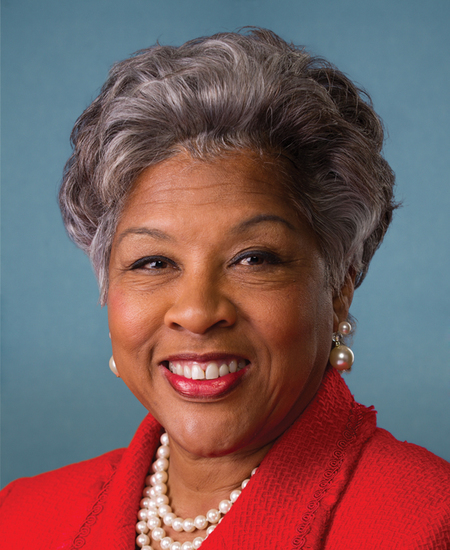
Joyce Beatty
Joyce Beatty House · District 3
D
Strong +
85% 20
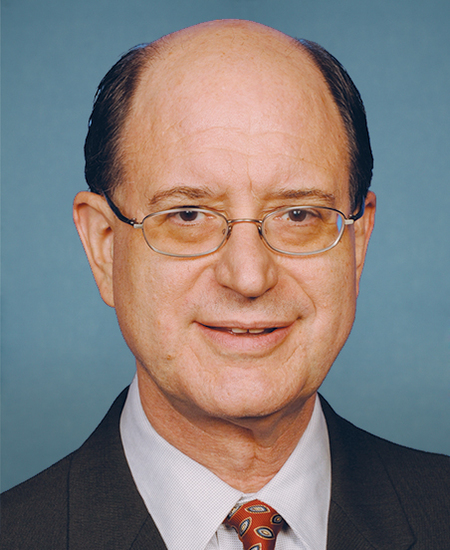
Brad Sherman
Brad Sherman House · District 32
D
Strong +
85% 26
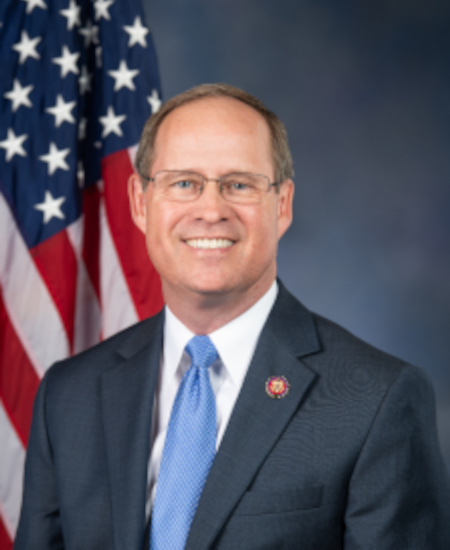
Gregory F. Murphy
Gregory F. Murphy House · District 3
R
Strong −
13% 23
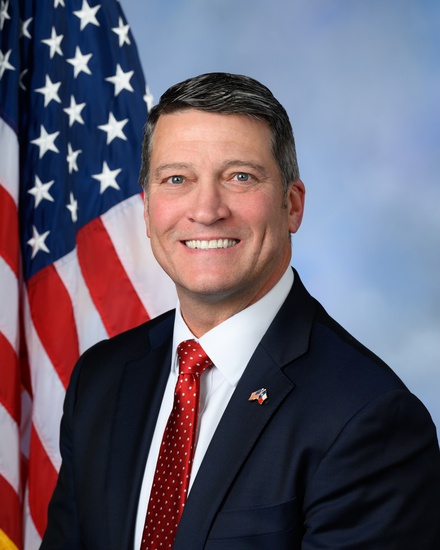
Ronny Jackson
Ronny Jackson House · District 13
R
Strong −
14% 28
Clay Fuller
Clay Fuller House · District 14
R
Strong −
14% 7
Brad Finstad
Brad Finstad House · District 1
R
Strong −
15% 26
Elise M. Stefanik
Elise M. Stefanik House · District 21
R
Strong −
15% 26
Showing 161–170 of 506 bills

All immigration bills

in committee · United States · House Dec 17, 2025

HR 6801: American Citizenship Healthcare Integrity Act of 2025

HR 6801, the American Citizenship Healthcare Integrity Act of 2025, requires hospitals participating in Medicare to ask patients about their U.S. citizenship or national status on intake forms 180 days after enactment. It mandates these facilities to submit annual reports detailing the number of noncitizen patients they treated and the dollar amount of uncompensated care provided to them. The bill also requires the Health Secretary to publish annual reports on the total cost of care for noncitizens and the federal spending that would have been avoided without that care. This legislation directly affects Medicare-participating hospitals, critical access hospitals, and rural emergency hospitals.
in committee · United States · House Feb 11, 2025

HR 1222: Operation Lone Star Reimbursement Act

Operation Lone Star Reimbursement Act This bill allows Texas to receive reimbursement for expenses incurred from 2021 through 2025 related to securing the southern U.S. border. Texas must submit these expenses to the Department of Homeland Security (DHS) and the Department of the Treasury. DHS must review the submission within 120 days and determine which expenses are eligible for reimbursement. Treasury must pay such reimbursable expenses within 60 days.
Sub-Topics Border Security
in committee · United States · Senate Nov 19, 2025

S 3197: Flight Risk Reduction Act

This bill changes federal rules for detaining defendants before trial. It creates a new rule that non-citizen defendants (including non-permanent residents) are presumed to be a flight risk unless they provide strong proof they won't flee or pose a danger to others. Family ties or employment in the U.S. cannot be used to challenge this presumption. The change applies only to non-citizens, not U.S. citizens.
Sub-Topics Detention Enforcement
in committee · United States · Senate Feb 27, 2025

S 762: No Immigration Benefits for Hamas Terrorists Act

This bill prohibits immigration benefits for individuals who participated in, planned, financed, or supported Hamas attacks against Israel beginning October 7, 2023. It amends U.S. immigration law to make such individuals inadmissible to the United States and ineligible for any immigration relief, including asylum or other protections. The law requires the Department of Homeland Security to annually report to Congress on how many people were denied entry or removed under these provisions. It directly affects aliens involved in specific Hamas attacks against Israel since October 7, 2023, and modifies existing immigration inadmissibility and relief standards.
Sub-Topics Refugees & Asylum
in committee · United States · House Feb 9, 2026

HR 7451: EXILE Act

HR 7451, the EXILE Act, would end the H-1B visa program for foreign workers in specialty occupations after fiscal year 2026. It amends immigration law to eliminate the H-1B program's continuation starting in 2027, setting a permanent annual cap of zero for new H-1B visas. This directly affects U.S. employers who currently sponsor H-1B workers (commonly in tech and professional services) and foreign workers seeking these visas. The bill’s key provision modifies the legal text to phase out the program by removing existing renewal language and inserting a permanent end date.
in committee · United States · House Dec 4, 2025

HR 6379: Shadow Wolves Improvement Act

HR 6379, the Shadow Wolves Improvement Act, amends the Homeland Security Act to establish new requirements for ICE's Shadow Wolves Program, which partners with tribal nations like the Tohono O'odham Nation. The bill requires ICE to define the program's mission, set staffing needs for special agents, create a recruitment/retention strategy with specific goals and timelines, and provide current Tactical Officers with clear details about reclassifying as special agents (including pay and training impacts). It also mandates a plan for filling vacancies due to retirements and outlines criteria for expanding the program to new tribal lands. The bill specifies no new funding is authorized for these changes and requires ICE to submit an implementation report to Congress within one year.
Sub-Topics Border Security Enforcement Tags Tribal Nations
in committee · United States · Senate Jan 13, 2025

S 72: Justice for Jocelyn Act

This bill (S 72) changes how Immigration and Customs Enforcement (ICE) releases non-detained immigrants. It requires that aliens only be placed in Alternatives to Detention (ATD) programs after all detention beds are filled, no detention options exist, and all reasonable detention efforts are exhausted (Section 2). It mandates continuous GPS monitoring and a nightly curfew (10 p.m. to 5 a.m.) for all aliens in ATD programs during all immigration proceedings and until removal (Section 3). Additionally, it allows for automatic removal in absentia if an alien fails to comply with release conditions, based on an officer’s affidavit (Section 4). The bill directly affects non-detained immigrants under ICE supervision who would previously qualify for ATD.
in committee · United States · House Jan 20, 2026

HR 7156: SCAM Act

HR 7156, the SCAM Act, would expand grounds for revoking U.S. citizenship (denaturalization) for naturalized citizens who commit specific offenses within 10 years of becoming citizens. It targets individuals convicted of defrauding federal, state, or local governments (e.g., $10,000+ in public benefit fraud), affiliating with foreign terrorist organizations, or committing aggravated felonies or espionage. If convicted in these categories, the government could automatically revoke citizenship retroactively (as if it never existed) based on evidence that the person lacked good moral character or loyalty to the U.S. at the time of naturalization. This bill directly affects naturalized citizens who commit these offenses within a decade of gaining citizenship, with revocation triggering immediate deportability.
in committee · United States · House Mar 5, 2025

HR 1861: Checkpoint Modernization Act

The Checkpoint Modernization Act requires U.S. Customs and Border Protection (CBP) to prioritize renovating border checkpoints along the southern U.S. border to improve agent safety, enhance detection of smuggling and contraband, and reduce traffic congestion. It authorizes $150 million annually from 2025-2028 for these projects and mandates annual reports to Congress on costs and progress. The bill also rescinds unobligated funds from the EPA’s climate justice grants program to cover these border renovations. This directly affects Border Patrol agents, travelers at southern border checkpoints, and federal budget allocations for border security. The focus is on physical infrastructure upgrades and operational efficiency, not policy changes to border enforcement.
Sub-Topics Border Security
in committee · United States · House Jul 24, 2025

HR 4683: Securing America’s Ports of Entry Act of 2025

HR 4683, the Securing America’s Ports of Entry Act of 2025, requires U.S. Customs and Border Protection (CBP) to hire at least 1,000 additional officers annually until staffing targets are met based on workload data. This directly affects CBP officers, port operations, and facilities like airports and land borders by mandating increased staffing and infrastructure improvements for drug interdiction. Key provisions include a report on port infrastructure needs to enhance opioid detection, requiring CBP to identify technology gaps and safety equipment for officers. The bill also adds reporting requirements for temporary officer reassignments and agreements with ports, ensuring transparency for congressional committees. These changes aim to strengthen border security operations through concrete staffing and resource planning.
Showing 161 to 170 of 506 bills
Previous 1 … 16 17 18 … 51 Next