Issue · Immigration

Immigration

Every immigration bill, vote, and legislator stance in United States, automatically classified by Maddy, our AI policy reader.

Total bills
329
119th Congress
Top supporter
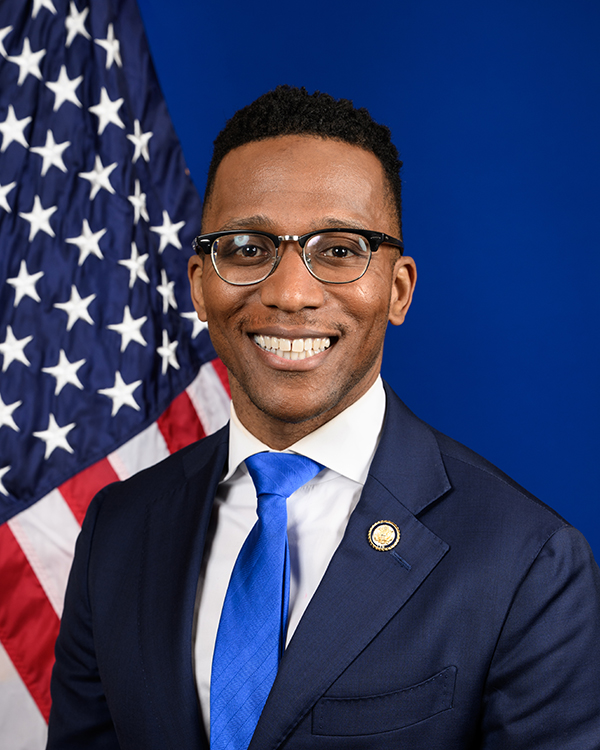
Christian D. Menefee
89% support rate
Top opponent
Gregory F. Murphy
13% support rate
Ranked legislators
10
5 support · 5 oppose
Key legislators

Who's moving immigration in United States

Legislators moving immigration in United States
Legislator Party Stance Support rate Decisive votes
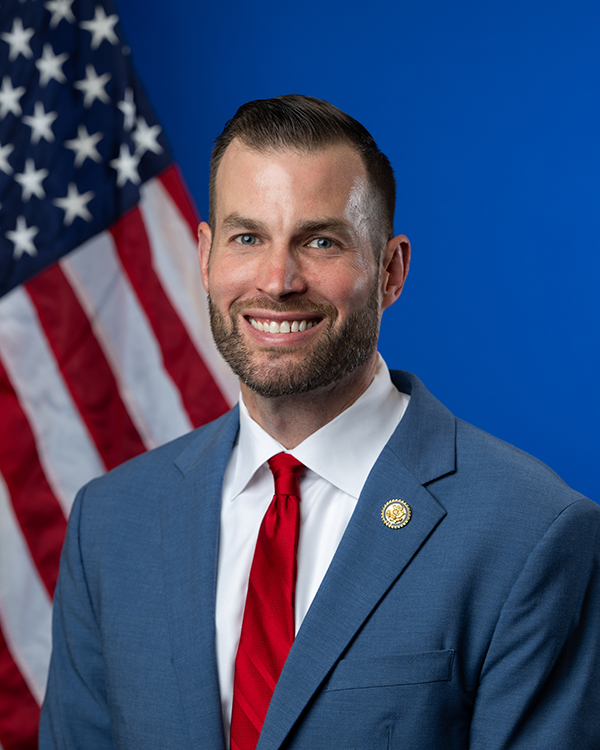
Christian D. Menefee
Christian D. Menefee House · District 18
D
Strong +
89% 9
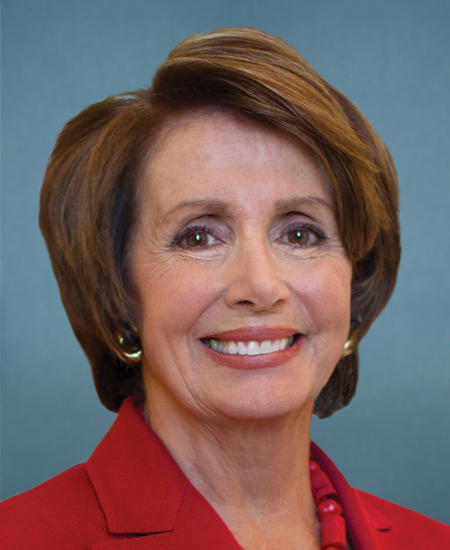
Nancy Pelosi
Nancy Pelosi House · District 11
D
Strong +
86% 21
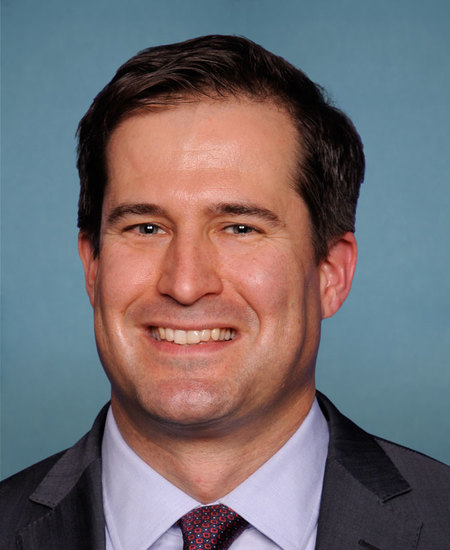
Seth Moulton
Seth Moulton House · District 6
D
Strong +
86% 21
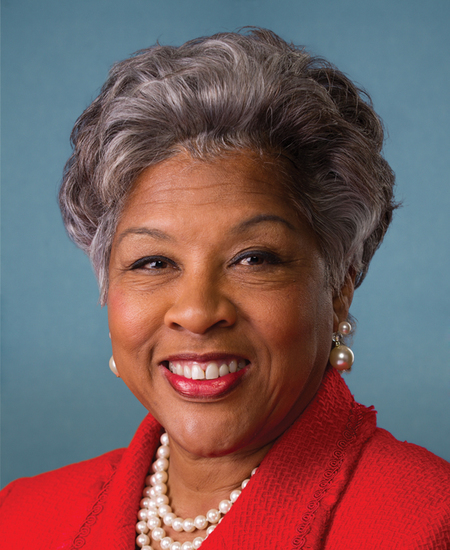
Joyce Beatty
Joyce Beatty House · District 3
D
Strong +
85% 20
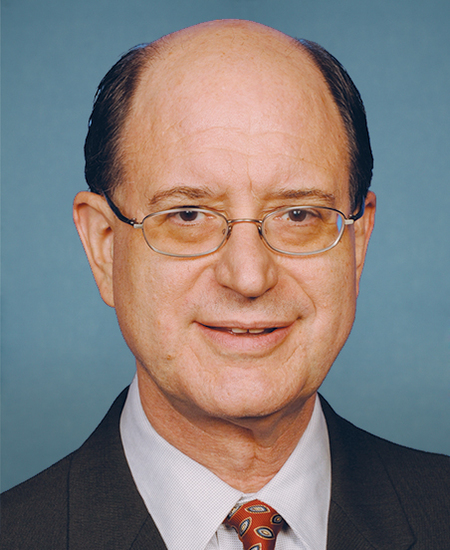
Brad Sherman
Brad Sherman House · District 32
D
Strong +
85% 26
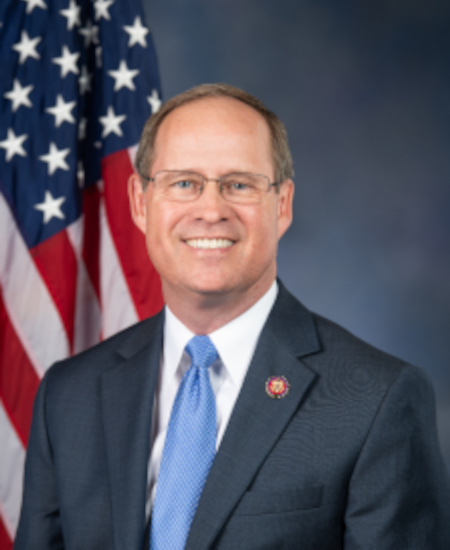
Gregory F. Murphy
Gregory F. Murphy House · District 3
R
Strong −
13% 23
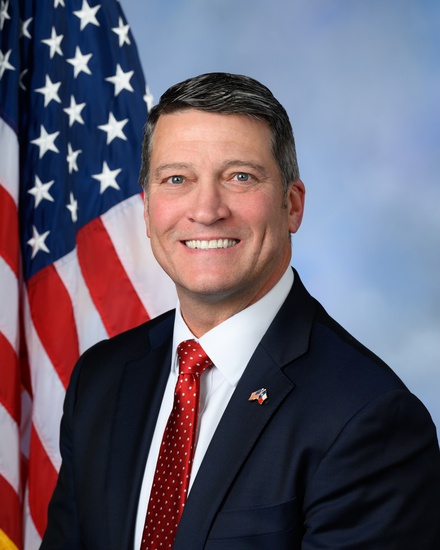
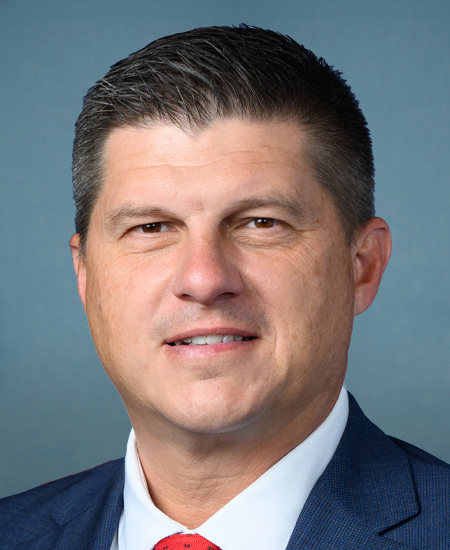
Ronny Jackson
Ronny Jackson House · District 13
R
Strong −
14% 28
Clay Fuller
Clay Fuller House · District 14
R
Strong −
14% 7
Brad Finstad
Brad Finstad House · District 1
R
Strong −
15% 26
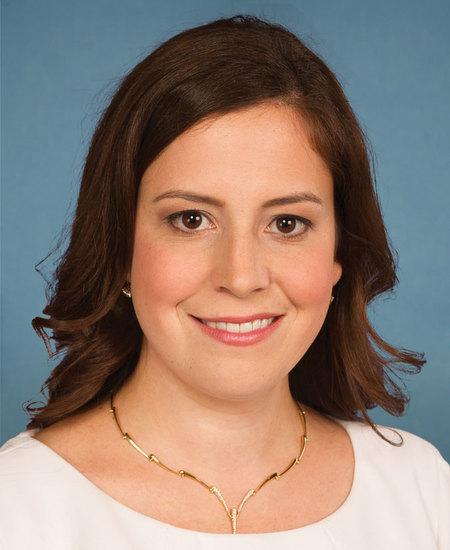
Elise M. Stefanik
Elise M. Stefanik House · District 21
R
Strong −
15% 26
Showing 151–160 of 329 bills

All immigration bills

in committee · United States · House Jul 22, 2025

HR 4596: McCarran-Walter Technical Corrections Act

HR 4596, the McCarran-Walter Technical Corrections Act, amends Section 289 of the Immigration and Nationality Act to update eligibility criteria for certain Indigenous people under U.S. immigration law. It replaces an outdated requirement of "50% blood quantum" with two new categories: members or eligible members of federally recognized U.S. tribes, or individuals with Canadian Indian status under the Indian Act or membership in a Canadian First Nation. The bill clarifies that people admitted under these updated criteria will automatically receive "lawfully admitted for permanent residence" status. This technical correction directly affects Indigenous people from U.S. tribes and Canadian First Nations seeking U.S. immigration benefits.
Tags Tribal Nations
in committee · United States · House Sep 19, 2025

HR 5528: America’s CHILDREN Act of 2025

This bill creates a pathway to permanent residency for certain college graduates who entered the U.S. as children under specific nonimmigrant visa categories (excluding H-1B, L-1, etc.). To qualify, applicants must have been lawfully present for 10 years total (including 8 years as a dependent child), graduated from a U.S. college, and not be inadmissible. It also changes how "child status" is determined for immigration purposes - using specific dates instead of age to prevent "age-outs" for dependents of long-term visa holders - and preserves priority dates for family members. These changes apply to individuals who entered the U.S. before age 21 and maintained lawful status under qualifying visas.
in committee · United States · House Nov 25, 2025

HR 6305: High-skilled Immigration Reform for Employment Act

HR 6305, the High-skilled Immigration Reform for Employment Act, expands opportunities for U.S. employers to hire foreign workers in specialty occupations by increasing the annual H-1B visa cap from 65,000 to 130,000 and adjusting employer thresholds to make it easier for larger companies to qualify for H-1B visas. It also creates a new $25 million annual grant program (2026-2030) to fund states and schools that strengthen K-12 and higher education in science, math, engineering, and technology fields. The bill directly affects U.S. employers seeking H-1B workers and schools receiving STEM education grants. Key mechanisms include raising the H-1B cap, modifying employer size thresholds for H-1B-dependent status, and authorizing federal grants for STEM education programs.
Sub-Topics K-12 Education
in committee · United States · House Mar 27, 2025

HR 2479: Homes for Young Adults Act of 2025

This bill creates an entitlement program guaranteeing housing vouchers to young adults aged 18-30 experiencing homelessness, directly addressing systemic barriers that currently prevent them from accessing housing assistance. It requires public housing agencies to provide voluntary support services (like job training and housing navigation) while prohibiting discrimination based on credit history, immigration status, or other protected factors. Funded starting in fiscal year 2027, the program targets vulnerable youth disproportionately affected by homelessness, including Black, Indigenous, and LGBTQ+ communities. By expanding access to housing choice vouchers and reducing wait times from 132-140 days, it aims to improve housing stability and reduce homelessness for this population.
in committee · United States · Senate Feb 4, 2026

S 3776: The Federal Grant Neutrality Act

The Federal Grant Neutrality Act (S 3776) prevents the Department of Justice from requiring entities to comply with specific immigration-related laws or presidential directives as a condition for receiving DOJ grants. It specifically blocks the Attorney General from demanding agreement to Section 642 of the 1996 immigration law, presidential memoranda, or executive orders. This directly affects local governments, community organizations, and other applicants seeking federal grant funding from the DOJ. The bill removes these requirements as a prerequisite for grant eligibility, ensuring entities can access funding without meeting those particular conditions. The change applies only to DOJ-administered grants, not other federal programs.
in committee · United States · House Feb 23, 2026

HR 7652: Respect for Local Communities Act

HR 7652, the Respect for Local Communities Act, requires the federal government to obtain local community input before building new U.S. Immigration and Customs Enforcement (ICE) detention centers or processing facilities. The bill mandates a 30-day public comment period in the Federal Register, written agreements with local mayors/councils and the state governor, and a 30-day waiting period after reporting to congressional committees before construction or operation begins. It directly affects local governments (mayors, city/county councils) and state governors who must agree to new facilities, and applies to any new ICE facility built after the bill's enactment. Key provisions include requiring an economic impact analysis, environmental compliance checks, and detailed public notice before federal agencies can proceed. The bill does not block construction but adds specific procedural steps for community engagement and oversight.
in committee · United States · House May 7, 2025

HR 3254: Disaster Relief for Farm Workers Act

This bill creates annual emergency grants for farm workers affected by covered disasters. It directly helps migrant and seasonal farm workers who lose income or cannot work due to events like hurricanes, wildfires, pandemics, or extreme weather. Grants fund immediate relief (food, shelter), rebuild community capacity, and support long-term resilience against future disasters. Eligible organizations, including farm worker groups or qualified nonprofits, receive funds to distribute aid without time limits.
Tags Agriculture
in committee · United States · House Apr 7, 2025

HR 2672: Religious Workforce Protection Act

HR 2672, the Religious Workforce Protection Act, extends temporary nonimmigrant status for religious workers whose applications for permanent residency (green cards) are delayed due to visa backlogs. It directly affects religious workers (such as pastors or missionaries) who are principal or derivative beneficiaries of pending immigrant petitions under specific visa categories, allowing them to maintain their work status beyond the usual 5-year limit while their green card applications are processed. Key provisions include granting extensions until a final decision is made on their adjustment of status application, modifying rules to allow limited job flexibility for these workers, and exempting them from a 1-year foreign residence requirement if they left the U.S. due to the prior 5-year cap. The bill aims to prevent religious workers from losing their legal status during lengthy immigration processing.
Sub-Topics Work Authorization
in committee · United States · House Feb 9, 2026

HR 7439: Uniform Standards for Federal Law Enforcement Act of 2026

HR 7439 establishes new limits on when federal law enforcement officers can use deadly force, directly affecting all federal officers (including immigration officers) under the law. The bill prohibits using deadly force solely to prevent a suspect's escape, disable a moving vehicle, or address threats to property or self-harm. It requires officers to give a verbal warning before using deadly force when safe, bans warning shots except in federal prisons, and mandates new training on avoiding deadly force. These provisions aim to clarify and restrict the circumstances under which deadly force may be justified during federal law enforcement operations.
in committee · United States · House Apr 30, 2025

HR 3127: Fairness to Freedom Act of 2025

Fairness to Freedom Act of 2025 This bill establishes a right to legal representation in certain immigration proceedings (e.g., removal and immigration bond hearings) at the government's expense for individuals who cannot afford representation. The bill also establishes various entities to facilitate such legal representation. Currently, individuals in these immigration proceedings may be represented by counsel but not at government expense. The bill addresses various issues related to such legal representation, including (1) the scope of the representation, (2) criteria for determining whether the individual is financially unable to afford representation, and (3) requirements relating to allowing the individual to meet with their lawyer and receiving relevant documents. Immigration proceedings may not commence until counsel has been appointed. The bill also establishes the Office of Immigration Representation to ensure that qualified individuals who cannot afford legal representation receive the representation as required by this bill. The office's duties shall include establishing (1) administrative regions throughout the United States, and (2) a local immigration representation board for each region. The local boards must, subject to the office's approval, develop and implement plans for providing legal representation under this bill. To provide such legal representation, the local boards may (1) establish one or more immigrant public defender organizations, (2) contract with existing community defender organizations, and (3) establish a panel attorney system. The bill establishes minimum funding requirements for the office.
Showing 151 to 160 of 329 bills
Previous 1 15 16 17 33 Next