Issue · Immigration

Immigration (Sanctuary Policies)

Every immigration bill, vote, and legislator stance in United States, automatically classified by Maddy, our AI policy reader.

Total bills
317
119th Congress
Top supporter
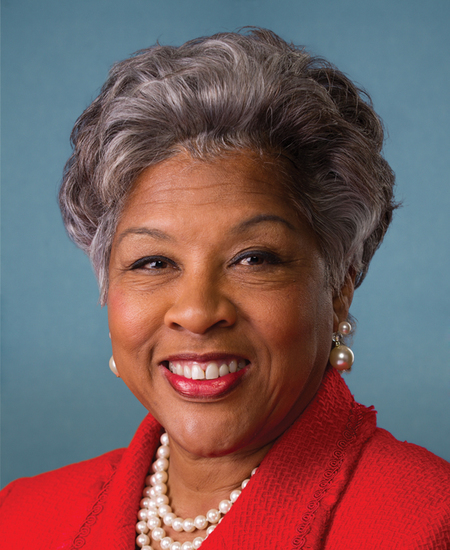
Joyce Beatty
89% support rate
Top opponent
Catherine Cortez Masto
0% support rate
Ranked legislators
10
5 support · 5 oppose
Key legislators

Who's moving sanctuary policies in United States

Legislators moving sanctuary policies in United States
Legislator Party Stance Support rate Decisive votes
Joyce Beatty
Joyce Beatty House · District 3
D
Strong +
89% 9
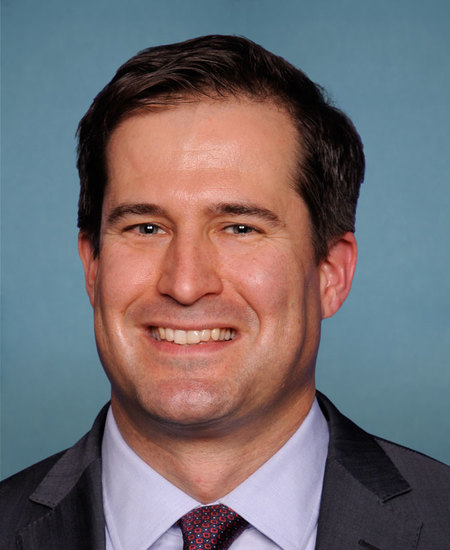
Seth Moulton
Seth Moulton House · District 6
D
Strong +
89% 9
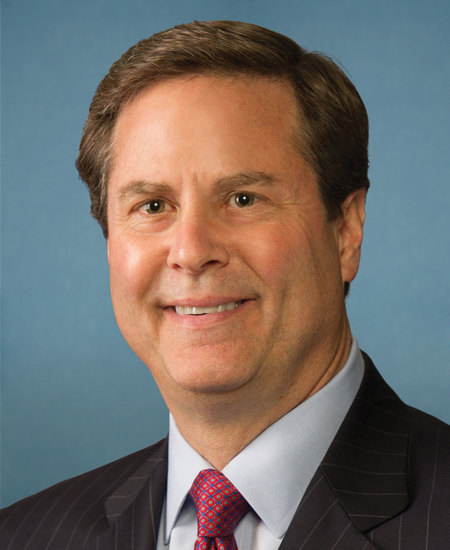
Donald Norcross
Donald Norcross House · District 1
D
Strong +
88% 8
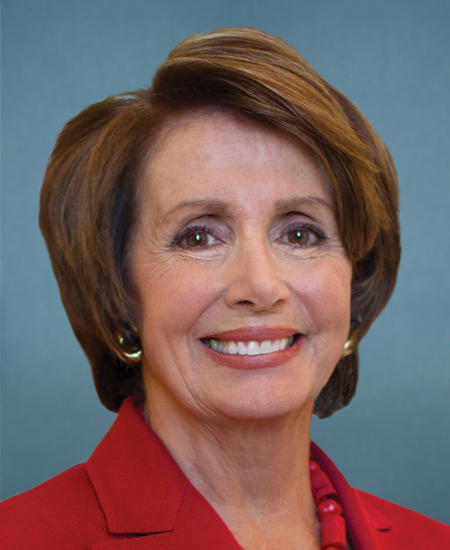
Nancy Pelosi
Nancy Pelosi House · District 11
D
Strong +
88% 8
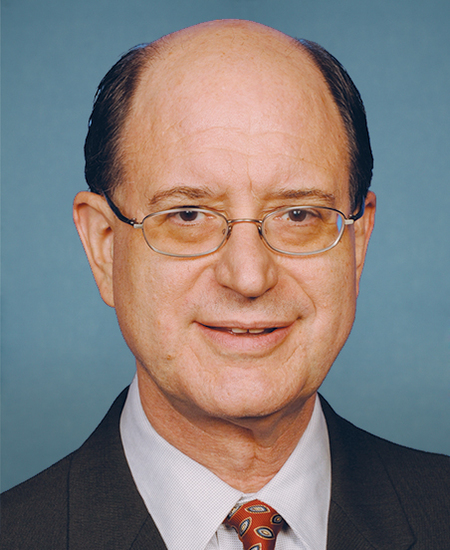
Brad Sherman
Brad Sherman House · District 32
D
Strong +
83% 12
Catherine Cortez Masto
Catherine Cortez Masto Senate
D
Strong −
0% 7
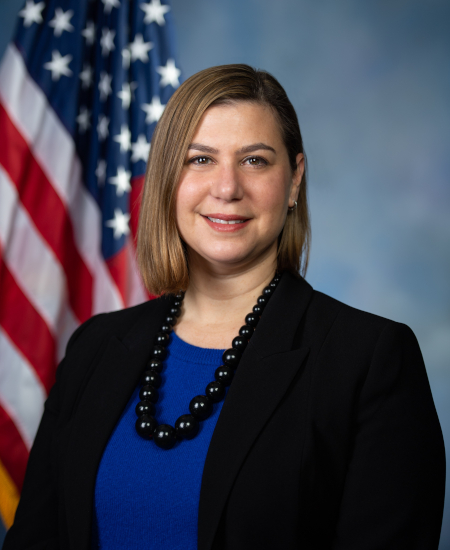
Elissa Slotkin
Elissa Slotkin Senate
D
Strong −
0% 7
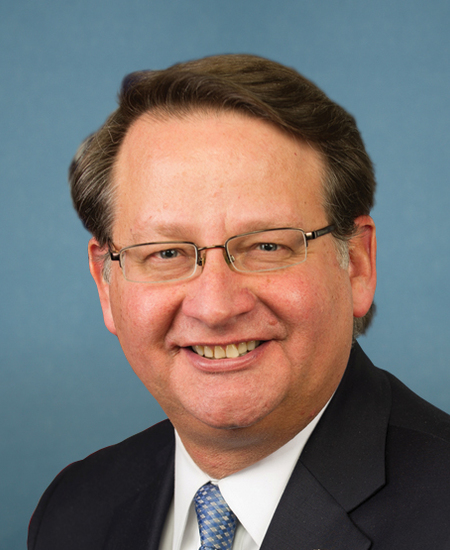
Gary C. Peters
Gary C. Peters Senate
D
Strong −
0% 7
Jacky Rosen
Jacky Rosen Senate
D
Strong −
0% 7
Jeanne Shaheen
Jeanne Shaheen Senate
D
Strong −
0% 7
Showing 141–150 of 317 bills

All immigration bills

passed · United States · House Mar 19, 2026

HR 1958: Deporting Fraudsters Act of 2026

Deporting Fraudsters Act of 2026 This bill makes certain acts related to public benefits fraud grounds for (1) barring a non-U.S. national ( alien under federal law) from admission into the United States, or (2) deporting the individual. The bill also makes such an individual ineligible for immigration enforcement relief, including relief for an individual in danger of subjection to torture. Specifically, this bill applies to individuals who have been convicted of, admit to having committed, or admit to acts which constitute certain offenses. Offenses covered by this bill include (1) fraud involving Supplemental Nutrition Assistance Program (SNAP) benefits, (2) fraud involving Social Security benefits, (3) fraud involving programs that receive federal funds, and (4) the production of fraudulent identification documents.
in committee · United States · House Mar 6, 2025

HR 1928: Sanctuary City Accountability Act

HR 1928, the Sanctuary City Accountability Act, allows U.S. citizens to sue local governments designated as "sanctuary jurisdictions" if an alien commits a crime against them or their immediate family within that jurisdiction or later relocates. The bill creates a private right of action for compensatory damages or injunctions against such jurisdictions, defined as those obstructing immigration enforcement (e.g., refusing ICE detainers or denying access to incarcerated aliens). It explicitly limits liability for local governments that comply with state laws regarding immigration enforcement. The bill does not alter existing sanctuary policies but adds a new legal pathway for individuals affected by crimes committed by aliens in these jurisdictions.
in committee · United States · Senate Jan 15, 2026

S 3675: ICE Protection Act of 2026

S 3675, the ICE Protection Act of 2026, increases penalties for attacks on Immigration and Customs Enforcement (ICE) agents using motor vehicles as weapons. The bill amends federal law to impose mandatory minimum prison terms of 5 years for bodily injury, 7 years for substantial injury, and 10 years for serious injury when a vehicle causes harm. It directly affects individuals who attack ICE agents with vehicles, raising the severity of sentencing for such acts. The key provision replaces existing penalties with these tiered minimum sentences based on the injury level caused by the vehicle attack.
in committee · United States · Senate Jan 22, 2025

S 193: Neighbors Not Enemies Act

The Neighbors Not Enemies Act repeals the Alien Enemies Act, a 19th-century law that allowed the president to detain or deport non-citizens during wartime. This removes a historical legal authority that targeted non-citizens based on nationality during declared wars. The repeal affects how the government could act against non-citizens in wartime scenarios but does not change current immigration or detention policies in peacetime. The bill makes no other policy changes beyond this specific repeal.
Sub-Topics Sanctuary Policies
in committee · United States · House Mar 5, 2025

HR 1879: No Tax Breaks for Sanctuary Cities Act

HR 1879, the "No Tax Breaks for Sanctuary Cities Act," denies tax-exempt status for bonds issued by jurisdictions classified as "sanctuary jurisdictions." A sanctuary jurisdiction is defined as a city or state that either restricts sharing immigration status information with federal authorities or fails to comply with federal detainer requests under immigration law. The bill requires the Treasury Secretary to publish an annual list of such jurisdictions within 180 days of enactment. This policy directly affects local governments meeting the definition by removing a key funding tool - tax-exempt municipal bonds - used for public projects like schools or infrastructure. The law applies to bonds issued after enactment and does not alter existing sanctuary policies themselves.
in committee · United States · Senate Sep 11, 2025

S 2774: Stop Greenlighting Driver Licenses for Illegal Immigrants Act of 2025

This bill restricts federal funding for states that issue driver licenses to people without proof of U.S. citizenship or lawful presence, or that block local officials from sharing immigration status information with federal authorities. States violating these rules must return unobligated Edward Byrne Justice Assistance Grant funds within 30 days and lose eligibility for future grants until they comply. The policy directly affects state governments that currently issue licenses to non-citizens or limit cooperation with immigration enforcement. It uses federal grant funding as a mechanism to enforce compliance with federal immigration law regarding driver licensing and information sharing.
in committee · United States · House Feb 4, 2026

HR 7335: Humanitarian Standards for Individuals in ICE and CBP Custody Act

HR 7335 establishes comprehensive humanitarian standards for individuals held in U.S. Immigration and Customs Enforcement (ICE) and U.S. Customs and Border Protection (CBP) custody. The bill requires facilities to provide immediate health screenings within 12 hours (6 hours for high-risk individuals like children, pregnant people, or those with medical conditions), ensure access to adequate water, sanitation, food (with 2,000+ calories daily for adults), and age-appropriate shelter. It mandates specific facility standards including separate housing for males and females, accessible accommodations for people with disabilities, daily outdoor access for those detained over 48 hours, and proper medical equipment and personnel on-site. The bill also requires regular inspections, staff training on humanitarian protocols, and public reporting of sexual abuse complaints. These standards directly affect all individuals detained by ICE or CBP, with special protections for vulnerable groups like children, pregnant people, and those with medical needs.
in committee · United States · House Mar 10, 2025

HR 1984: BLOC Act

This bill would block federal transportation funds from going to cities or counties (political subdivisions) that do not require local police or detention facilities to notify federal immigration authorities within 48 hours before releasing certain detained immigrants. Specifically, it applies to immigrants the Department of Homeland Security has determined are not lawfully present, who have been held for at least 48 hours, and whose release is notified to local officials by DHS. The funding cutoff affects infrastructure projects like highway construction under federal transportation programs. It directly impacts local governments that lack policies meeting these notification requirements, as defined by the bill. The law takes effect one year after enactment.
in committee · United States · House Jan 3, 2025

HR 31: POLICE Act of 2025

This bill adds a new deportation ground for non-citizens convicted of assaulting a law enforcement officer under specific circumstances. It makes deportation mandatory if the assault occurred: (1) while the officer was performing duties, (2) because of their duties, or (3) due to their status as an officer. The bill also requires the Department of Homeland Security to annually report the number of deportations under this provision. It directly affects non-citizens convicted of such assaults, not U.S. citizens or law enforcement personnel.
in committee · United States · House Feb 4, 2025

HR 944: Access to Counsel Act

HR 944, the Access to Counsel Act, requires U.S. immigration officials to provide certain immigrants a meaningful opportunity to consult with legal counsel during key immigration processes. It directly affects U.S. nationals, lawful permanent residents returning from travel, visa holders, refugees, asylees, and parolees subject to secondary or deferred inspection at ports of entry. The bill mandates that officials ensure access to counsel (including via phone) within one hour of inspection starting, allow counsel to present evidence, and accommodate in-person meetings when possible. It also requires officials to provide counsel access before accepting Form I-407 abandonment forms from lawful permanent residents, unless waived in writing. The law takes effect 180 days after enactment and preserves existing rights to counsel under other immigration laws.
Showing 141 to 150 of 317 bills
Previous 1 … 14 15 16 … 32 Next