Issue · Immigration

Immigration (Enforcement)

Every immigration bill, vote, and legislator stance in United States, automatically classified by Maddy, our AI policy reader.

Total bills
437
119th Congress
Top supporter
Alan Armstrong
86% support rate
Top opponent
Catherine Cortez Masto
11% support rate
Ranked legislators
10
5 support · 5 oppose
Key legislators

Who's moving enforcement in United States

Legislators moving enforcement in United States
Legislator Party Stance Support rate Decisive votes
AA
Alan Armstrong Senate
R
Strong +
86% 29
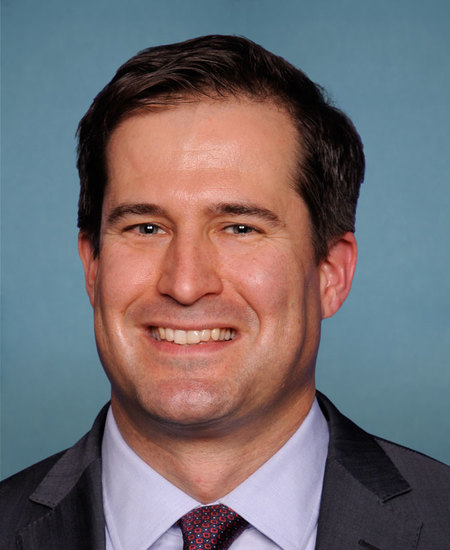
Seth Moulton
Seth Moulton House · District 6
D
Strong +
83% 12
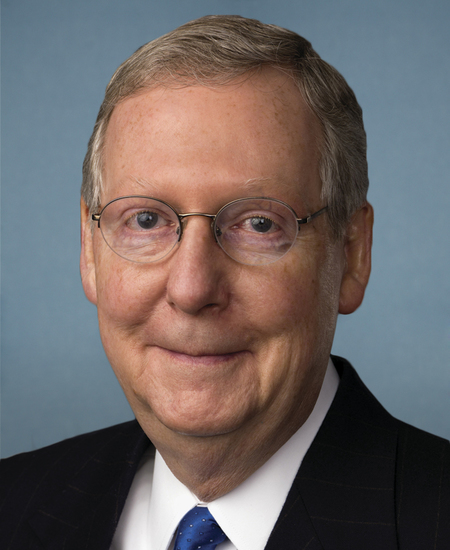
Mitch McConnell
Mitch McConnell Senate
R
Strong +
82% 33
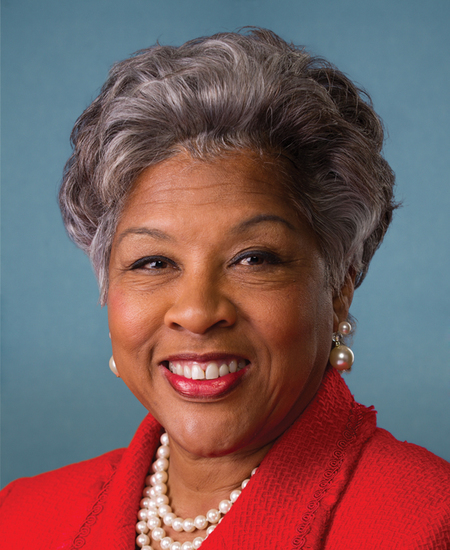
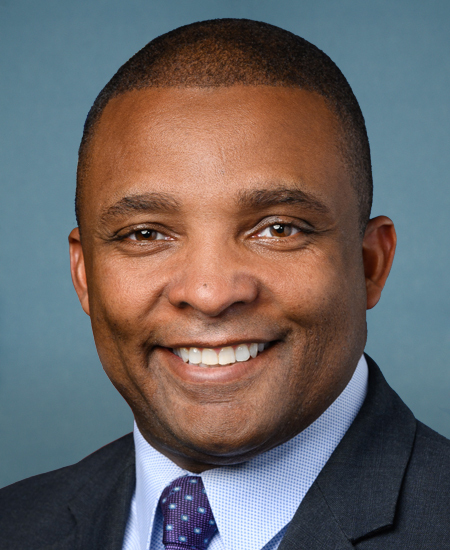
Joyce Beatty
Joyce Beatty House · District 3
D
Strong +
82% 11
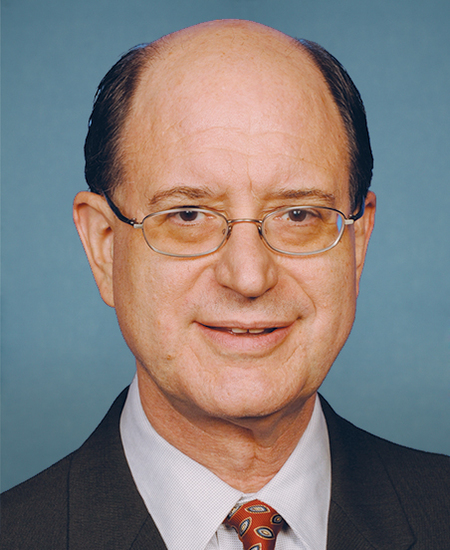
Brad Sherman
Brad Sherman House · District 32
D
Strong +
80% 15
Catherine Cortez Masto
Catherine Cortez Masto Senate
D
Strong −
11% 35
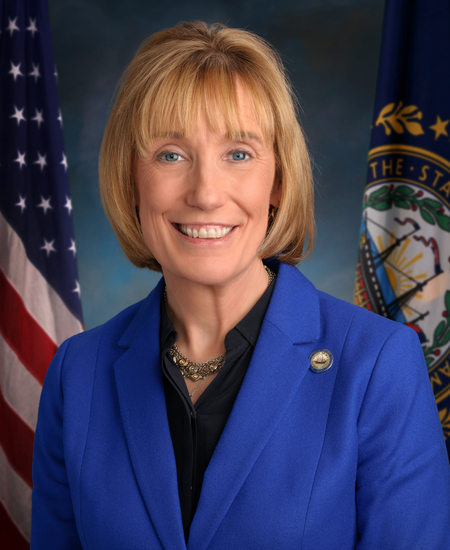
Margaret Wood Hassan
Margaret Wood Hassan Senate
D
Strong −
11% 35
Donald G. Davis
Donald G. Davis House · District 1
D
Strong −
12% 17
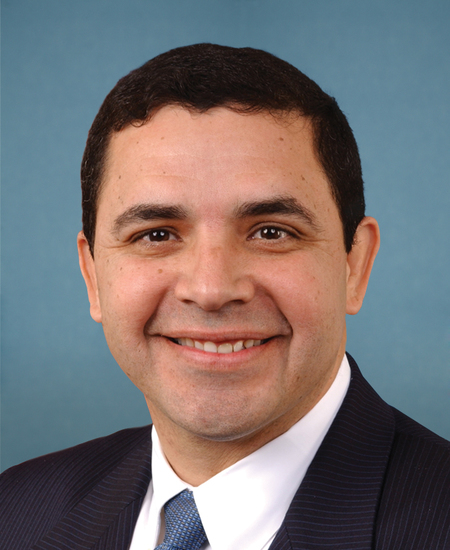
Henry Cuellar
Henry Cuellar House · District 28
D
Strong −
12% 17
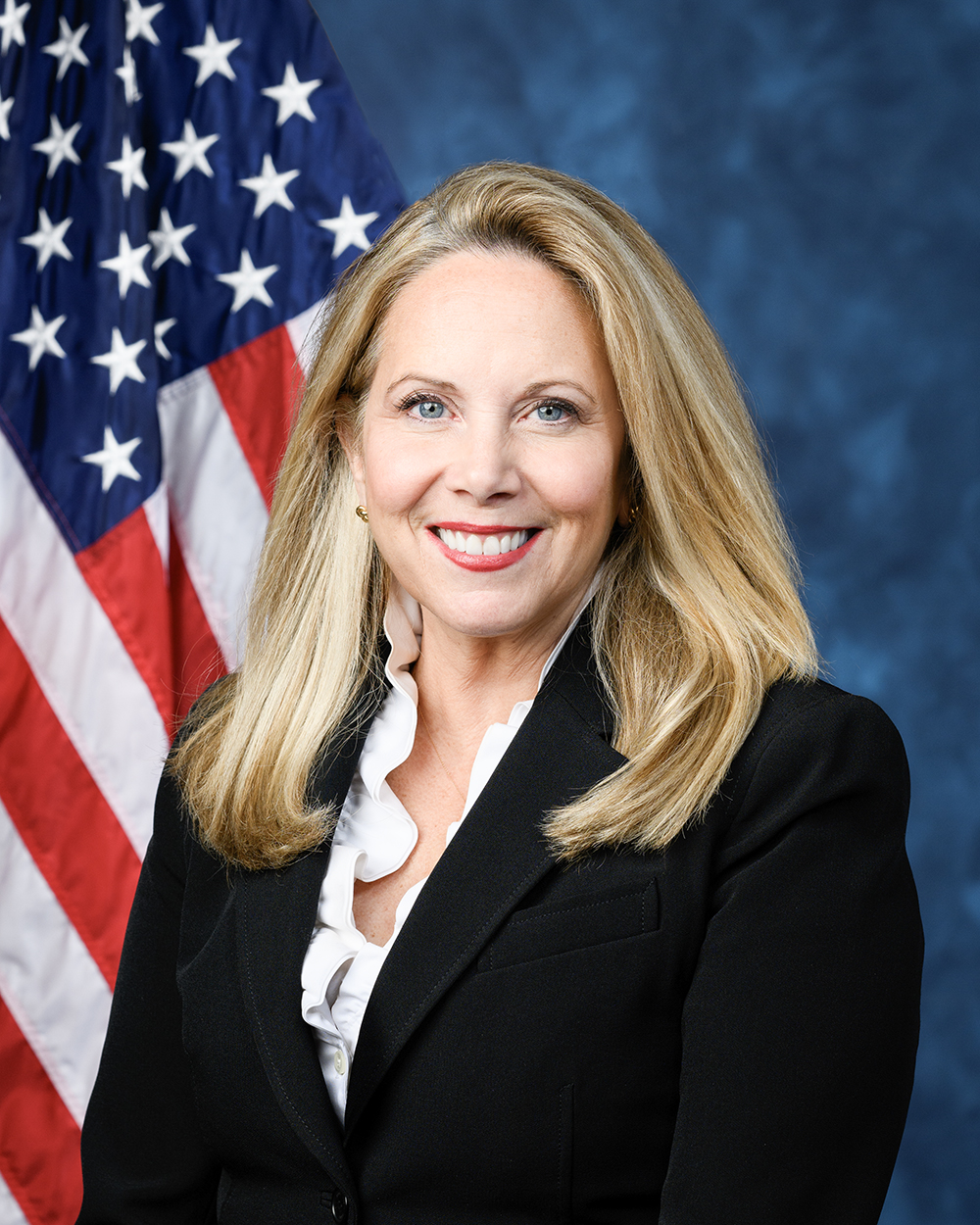
Laura Gillen
Laura Gillen House · District 4
D
Strong −
12% 17
Showing 131–140 of 437 bills

All immigration bills

in committee · United States · House Jan 3, 2025

HR 163: Finish the Wall Act

HR 163, the "Finish the Wall Act," mandates the immediate resumption of border wall construction along the U.S.-Mexico border within 24 hours of enactment. It requires the Department of Homeland Security to use all existing funds appropriated since 2016 for this purpose, prohibits canceling pre-January 2021 contracts, and sets a deadline of September 30, 2026, to complete the wall system. The bill directly affects the Department of Homeland Security, contractors with prior wall contracts, and border facilities, which must also comply with DNA collection requirements under federal law. It focuses on concrete policy actions - resuming construction, using existing funds, and meeting a specific timeline - without addressing broader policy impacts.
in committee · United States · House Feb 6, 2025

HR 1050: Criminal Alien Gang Member Removal Act

This bill would make it easier to remove non-citizens who are members of or associated with criminal gangs from the United States. It defines a "criminal gang" as a group of five or more people whose primary purpose is committing serious crimes including drug offenses, violent crimes, human trafficking, and other specified offenses. The Secretary of Homeland Security, with Attorney General consultation, would have authority to designate groups as criminal gangs, with procedures for review and potential revocation. The bill would block asylum eligibility, temporary protected status, special immigrant juvenile visas, and parole for those designated as gang members, with limited exceptions for those assisting law enforcement.
in committee · United States · House Dec 19, 2025

HR 6907: Enhancing Southbound Inspections to Combat Cartels Act

This bill authorizes U.S. Customs and Border Protection to purchase up to 50 non-intrusive imaging systems and deploy them along the southern border for inspecting vehicles and people traveling from the U.S. to Mexico. It also requires hiring 100+ Homeland Security Investigations agents to focus on smuggling investigations involving currency, firearms, drugs, and human trafficking. The bill mandates that by March 2027, at least 10% of southbound vehicles must be inspected, with reports tracking seizure data on currency and firearms every 90 days. These provisions directly affect border enforcement operations, CBP equipment deployment, and HSI staffing at the U.S.-Mexico border.
in committee · United States · Senate Feb 24, 2025

S 685: Stop Dangerous Sanctuary Cities Act

This bill defines "sanctuary jurisdiction" as a state or local government that prohibits sharing immigration status information with federal authorities or refuses to comply with federal immigration detainers (requests to hold individuals for immigration enforcement). It makes such jurisdictions ineligible for specific federal grants, including Economic Development Administration funds and Community Development Block Grants, by requiring that grant projects be located in areas not designated as sanctuary jurisdictions. Jurisdictions found to be sanctuary jurisdictions must return any grant funds received during the period they were designated as such and cannot receive future funds until compliance is achieved. The bill takes effect on October 1, 2025.
in committee · United States · House Mar 4, 2025

HR 1837: Timely Departure Act

HR 1837, the Timely Departure Act, requires most nonimmigrant visa holders (such as students, temporary workers, and tourists) to pay a $5,000-$50,000 bond to ensure they depart the U.S. before their authorized stay ends. If they fail to leave by midnight on their expiration date, the bond is automatically forfeited (with no appeal), and the funds go to a detention/enforcement account. The bill also mandates that nonimmigrants seeking asylum must apply before their stay ends, or they lose eligibility to apply later. Forfeiture triggers a 4-12 year ban on obtaining any future immigration status or adjustment. Certain visa categories (like tourist visas under section 101(a)(15)(B)) and visa waiver program nationals are exempt from the bond requirement.
in committee · United States · House Feb 6, 2025

HR 1079: CARTEL Act of 2025

Cartel And Radical Terrorist Enforcement Log Act of 2025 or the CARTEL Act of 2025 This bill requires U.S. Customs and Border Protection to publish each month statistics related to encounters and arrests. The report must include, for example, the total number of individuals affiliated with transnational criminal organizations who have repeatedly attempted to cross unlawfully into the United States. The Department of Homeland Security must report annually on foreign terrorist organizations and transnational criminal organizations attempting to move their members or affiliates into the United States through the southern, northern, or maritime border.
in committee · United States · House Jan 6, 2026

HR 6946: Temporary Protected Status Reform Act of 2026.

HR 6946, the Temporary Protected Status Reform Act of 2026, would terminate TPS for nationals from Somalia, Sudan, Syria, Yemen, and Lebanon. It requires these individuals to depart the U.S. within 180 days of the law's enactment, unless they already hold other lawful immigration status (such as permanent residency, asylum, or another non-TPS visa). Employment authorization tied to TPS would expire on the termination date, and the Secretary of Homeland Security cannot redesignate these countries for TPS without new legislation. The bill explicitly states it does not require granting relief or limit existing immigration enforcement authority.
in committee · United States · House Jan 9, 2025

HR 285: Advanced Border Coordination Act of 2025

HR 285, the Advanced Border Coordination Act of 2025, requires the Department of Homeland Security to establish at least two Joint Operations Centers along the southern border within six months of enactment. These centers will enable coordinated operations between federal (including DHS, Defense, and Justice), state, local, and tribal law enforcement agencies to address threats like drug trafficking, human trafficking, illegal border crossings, and weapons seizures. Key mechanisms include centralized communication for field operations, shared information protocols, personnel deployment tracking, and annual reporting to Congress on center operations, resource use, and communication gaps. The bill directly affects border agencies and tribes participating in these coordinated efforts, aiming to improve interagency collaboration without specifying new enforcement powers.
in committee · United States · House Mar 11, 2025

HR 2050: Homeland Heroes Pay Act

HR 2050, the Homeland Heroes Pay Act, ensures that U.S. Customs and Border Protection (CBP) agents and Immigration and Customs Enforcement (ICE) officers continue receiving pay during federal budget gaps. It directly affects CBP agents working at Southwest, Northern, and maritime border ports (preventing terrorism, drug trafficking, and illegal entry) and ICE officers handling immigration enforcement (detaining/removing individuals) and criminal investigations (drug trafficking, human smuggling). The bill automatically funds their salaries and expenses using existing Treasury money if discretionary appropriations lapse after the bill passes. This prevents pay interruptions for these frontline personnel during budget shutdowns while they perform critical border security and enforcement duties.
in committee · United States · House Jul 14, 2025

HR 4367: Bracero Program 2.0 Act

HR 4367, the Bracero Program 2.0 Act, reforms the H-2A agricultural visa program to improve employer processes and worker mobility. It requires an online portal for employers to file petitions and post jobs (replacing current ad requirements), raises the H-2A wage rate to the state minimum wage plus $2.00 per hour, and creates a 6-year pilot program allowing H-2A workers to move between registered agricultural employers within the same state without restarting visa paperwork. The pilot limits portable H-2A status to 10,000 workers at a time and mandates employers to provide workers' compensation if state coverage doesn’t apply. This directly affects agricultural employers seeking seasonal workers and H-2A workers who may switch employers more easily under the pilot.
Showing 131 to 140 of 437 bills
Previous 1 … 13 14 15 … 44 Next