Issue · Immigration

Immigration

Every immigration bill, vote, and legislator stance in United States, automatically classified by Maddy, our AI policy reader.

Total bills
325
119th Congress
Top supporter
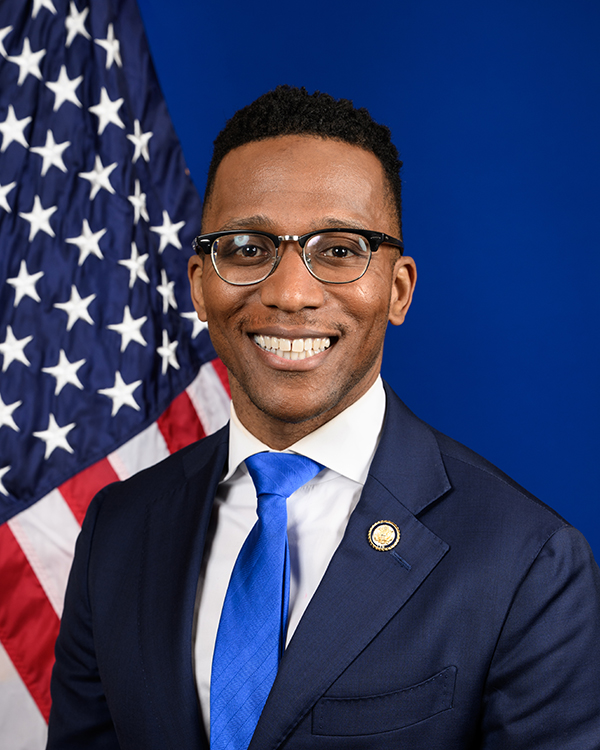
Christian D. Menefee
88% support rate
Top opponent
Gregory F. Murphy
14% support rate
Ranked legislators
10
5 support · 5 oppose
Key legislators

Who's moving immigration in United States

Legislators moving immigration in United States
Legislator Party Stance Support rate Votes
Christian D. Menefee
Christian D. Menefee House · District 18
D
Strong +
88% 66
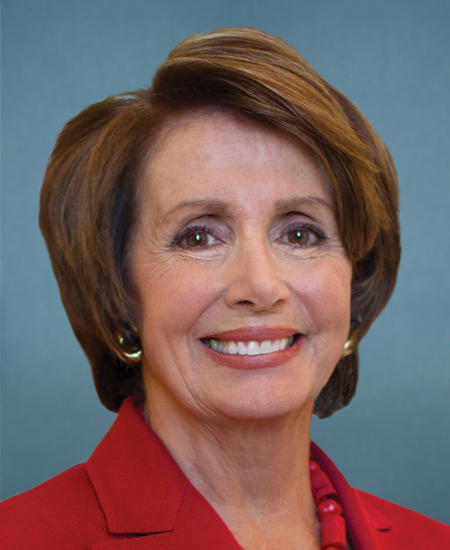
Nancy Pelosi
Nancy Pelosi House · District 11
D
Strong +
86% 139
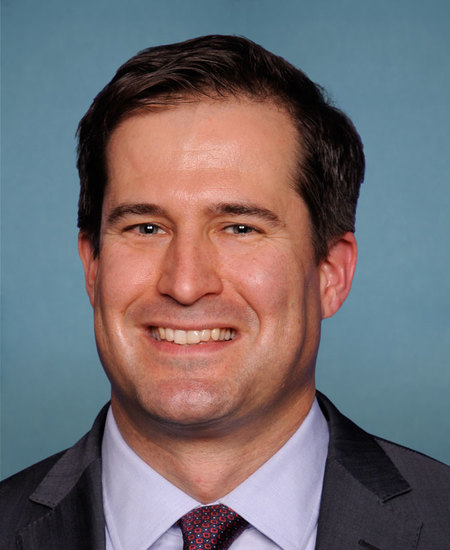
Seth Moulton
Seth Moulton House · District 6
D
Strong +
85% 127
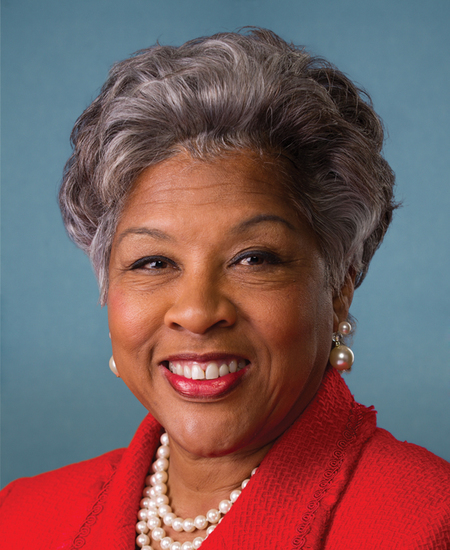
Joyce Beatty
Joyce Beatty House · District 3
D
Strong +
84% 135
Mike Quigley
Mike Quigley House · District 5
D
Strong +
84% 146
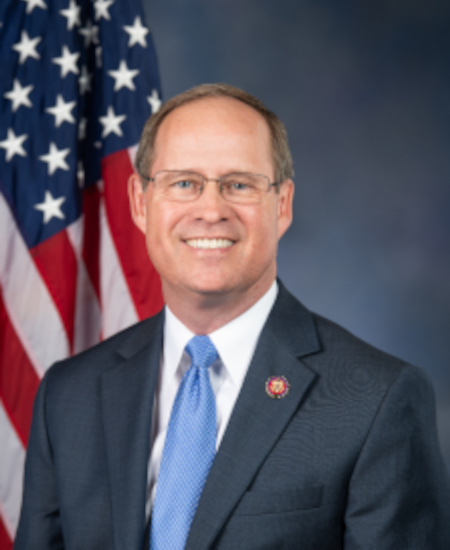
Gregory F. Murphy
Gregory F. Murphy House · District 3
R
Strong −
14% 123
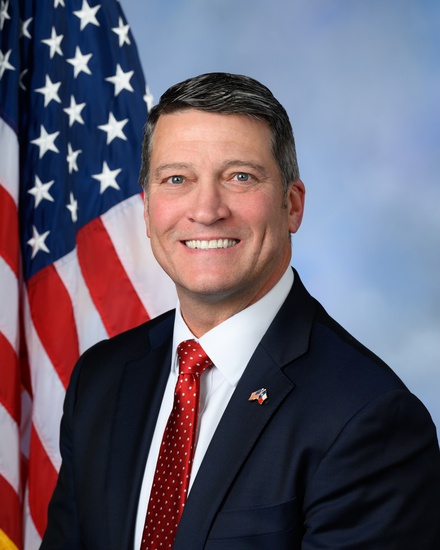
Ronny Jackson
Ronny Jackson House · District 13
R
Strong −
15% 145
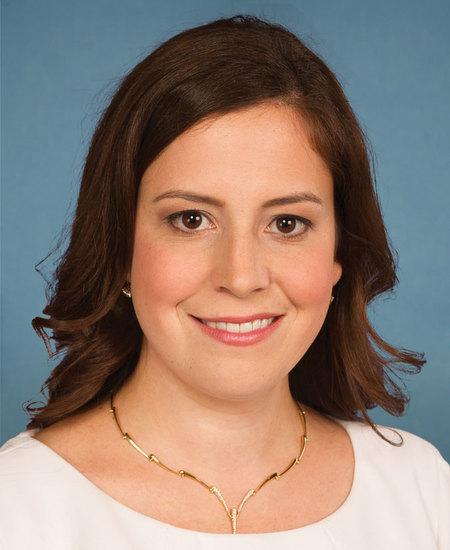
Elise M. Stefanik
Elise M. Stefanik House · District 21
R
Strong −
16% 132
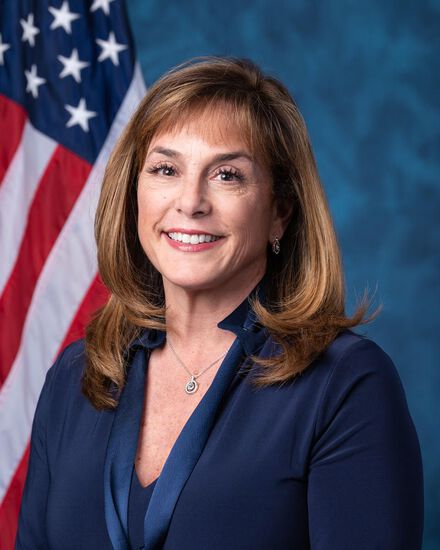
Lisa C. McClain
Lisa C. McClain House · District 9
R
Strong −
16% 147
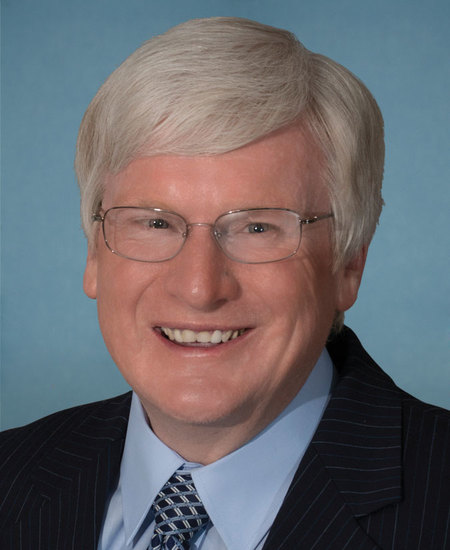
Glenn Grothman
Glenn Grothman House · District 6
R
Strong −
16% 147
Showing 131–140 of 325 bills

All immigration bills

in committee · United States · Senate Feb 4, 2025

S 391: Access to Counsel Act of 2025

S 391, the Access to Counsel Act of 2025, requires U.S. Customs and Border Protection to provide certain immigrants access to legal counsel during immigration inspections at ports of entry or during deferred inspection. It directly affects individuals including lawful permanent residents returning from travel, visa holders, refugees, asylees, and parolees. The bill mandates that immigration officers ensure a meaningful opportunity for counsel consultation within one hour of inspection starting, including phone access, and allows counsel to present evidence to officers. Special rules require lawful permanent residents to receive legal advice before signing a form abandoning their status, unless they voluntarily waive this right in writing. The law takes effect 180 days after enactment and does not override existing rights to counsel under other immigration laws.
Sub-Topics Border Security
in committee · United States · House Jul 23, 2025

HR 4687: Partner with Korea Act

The Partner with Korea Act creates a new visa category for South Korean nationals to work in specialty occupations in the U.S., with an annual cap of 15,000 visas. Employers must file an attestation with the Department of Labor, which the Secretary of Labor must certify before the visa is approved. The visa limit applies only to the principal worker and excludes spouses or children. This bill directly affects South Korean workers seeking specialty jobs and U.S. employers hiring them under this new category.
Sub-Topics Work Authorization
in committee · United States · House Oct 14, 2025

HRES 804: Recognizing the importance of Spanish-language media in the United States.

This resolution formally recognizes the vital role of Spanish-language media in serving over 41 million U.S. residents who speak Spanish at home. It affirms that access to Spanish-language news and entertainment is essential for community engagement, combating misinformation, and supporting democratic participation. The House resolution specifically commends Spanish-language media professionals and encourages policies that sustain this media sector, which provides culturally relevant information on elections, health, and civic life. As a symbolic gesture (not a law), it has no direct policy changes but highlights the sector's importance to Latino communities and national inclusivity.
in committee · United States · House Oct 10, 2025

HR 5727: ERRPA

The End Racial and Religious Profiling Act of 2025 (ERRPA) prohibits law enforcement agencies from using race, ethnicity, national origin, religion, gender, or sexual orientation in deciding which individuals to stop or investigate. The bill requires federal, state, local, and tribal law enforcement agencies to implement policies eliminating racial profiling, including mandatory training, data collection on stops and searches disaggregated by protected characteristics, and complaint procedures. Agencies must track "hit rates" (percentage of stops resulting in finding contraband) to identify potential disparities in enforcement practices. The Attorney General will issue regulations for data collection and analysis, and must submit annual reports to Congress on racial profiling practices.
in committee · United States · House Apr 8, 2025

HR 2729: Carnivals are Real Entertainment Act

HR 2729, the "Carnivals are Real Entertainment Act," creates a new temporary work visa category for carnival and circus workers. It directly affects mobile entertainment providers (like traveling carnivals, circuses, and affiliated food/game concession services) and their workers who perform essential tasks such as transporting, assembling, operating, and maintaining rides and equipment at seasonal fairs and festivals. The bill amends immigration law to define "mobile entertainment workers" as those entering temporarily for functions integral to these operations, subject to labor program requirements similar to other temporary work visas. It requires the Departments of Homeland Security and Labor to issue implementing rules within one year of enactment.
in committee · United States · House Sep 2, 2025

HR 5098: Strengthening Our Workforce Act of 2025

HR 5098, the Strengthening Our Workforce Act of 2025, creates a pathway to conditional lawful permanent residency for certain undocumented workers. It directly affects immigrants who have been continuously present in the U.S. since January 1, 2024, without lawful status, or with deferred action (like DACA), and who have worked at least 100 days in one of 24 designated essential professions (e.g., healthcare, agriculture, construction, domestic care, or disaster recovery work). To qualify, applicants must pay a fee, meet employment requirements (100 days annually for two years), and avoid specific criminal inadmissibility grounds (with limited waivers). After two years of conditional status, the residency automatically converts to permanent without visa caps, provided they pay a fee and pass a background check. The bill targets workers in critical sectors to address labor shortages while establishing a defined adjustment process.
in committee · United States · House Dec 5, 2025

HR 6493: NOEM Act

HR 6493, the NOEM Act, amends Section 1983 of federal law to explicitly allow civil lawsuits against individuals acting under federal immigration enforcement authority. The bill adds "or of any Federal immigration enforcement authority" to the existing language, expanding the scope of Section 1983 to include federal immigration officers. This change directly affects federal immigration enforcement personnel by enabling individuals to sue them under this civil rights provision for misconduct. The bill focuses solely on clarifying the legal pathway for such lawsuits, with no additional provisions or mechanisms described in the provided text.
in committee · United States · House Jan 22, 2026

HR 7223: Language Access for All Act of 2026

The Language Access for All Act of 2026 requires federal agencies to ensure meaningful access to government services for people with limited English proficiency (LEP). Agencies must translate vital documents into languages commonly spoken in the U.S. (based on Census data), provide multilingual digital tools, interpretation services, and use bilingual staff as an alternative to professional interpreters. Each agency must create a language access plan within one year, detailing how it will serve LEP populations - including during emergencies - and annually certify compliance with technical standards. Noncompliance is treated as discrimination under civil rights law, with enforcement by the Department of Justice.
Sub-Topics Immigrant Services
in committee · United States · House Jun 5, 2025

HR 3728: Language Access in Transit Act

HR 3728, the Language Access in Transit Act, requires transit agencies receiving federal funding to provide meaningful language access services to people with limited English proficiency (LEP). It directly affects public transportation providers (like bus and subway systems) that receive financial assistance under federal transit programs. The bill amends federal law to mandate that the Secretary of Transportation take "affirmative action" ensuring these agencies offer language assistance, such as interpreters or translated materials, for LEP individuals accessing transit services. This change updates existing provisions in Title 49 of the U.S. Code to explicitly include language access as a requirement for funded transit services.
in committee · United States · House Dec 4, 2025

HR 6389: Upholding Protections for Unaccompanied Children Act of 2025

This bill would protect unaccompanied children by repealing fee requirements and other provisions in the "One Big Beautiful Bill Act" that have created barriers to their access to humanitarian protections. It specifically exempts unaccompanied children from paying fees for asylum applications, employment authorization, and immigration court proceedings, and requires the government to refund fees already paid under the repealed provisions. The bill also repeals provisions allowing for summary removal of children without due process, intrusive body examinations without safeguards, and sharing of sponsor information with immigration enforcement that has led to family separations. These changes would directly affect unaccompanied children seeking asylum or other protections in the United States, ensuring they can access legal processes without financial barriers or heightened risks of exploitation. The bill aims to uphold protections for unaccompanied children established under the William Wilberforce Trafficking Victims Protection Reauthorization Act of 2008 (TVPRA).
Showing 131 to 140 of 325 bills
Previous 1 13 14 15 33 Next