Issue · Immigration

Immigration (Detention)

Every immigration bill, vote, and legislator stance in United States, automatically classified by Maddy, our AI policy reader.

Total bills
112
119th Congress
Top supporter
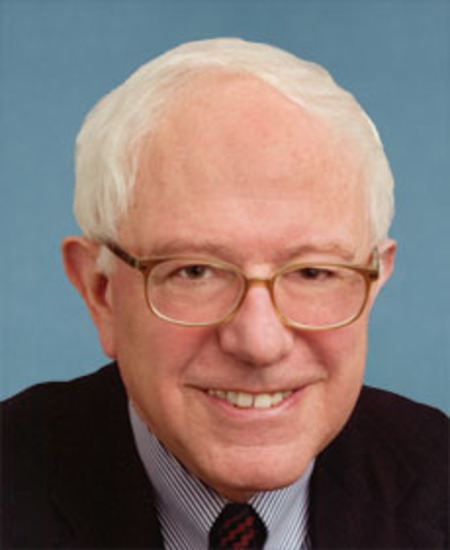
Bernard Sanders
83% support rate
Top opponent
Catherine Cortez Masto
0% support rate
Ranked legislators
10
5 support · 5 oppose
Key legislators

Who's moving detention in United States

Legislators moving detention in United States
Legislator Party Stance Support rate Decisive votes
Bernard Sanders
Bernard Sanders Senate
I
Strong +
83% 6
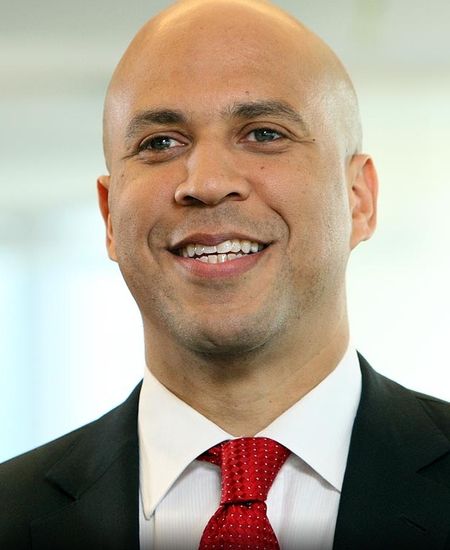
Cory A. Booker
Cory A. Booker Senate
D
Strong +
83% 6
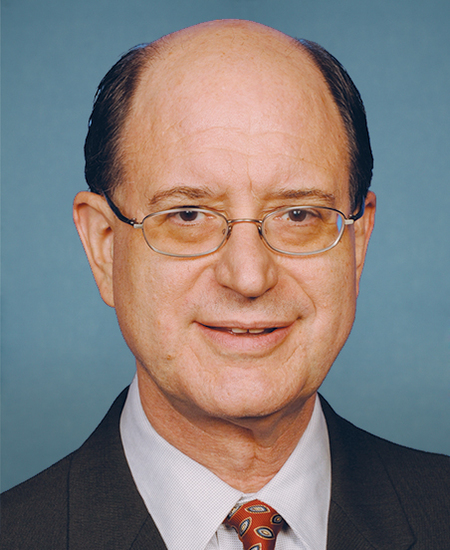
Brad Sherman
Brad Sherman House · District 32
D
Support
75% 4
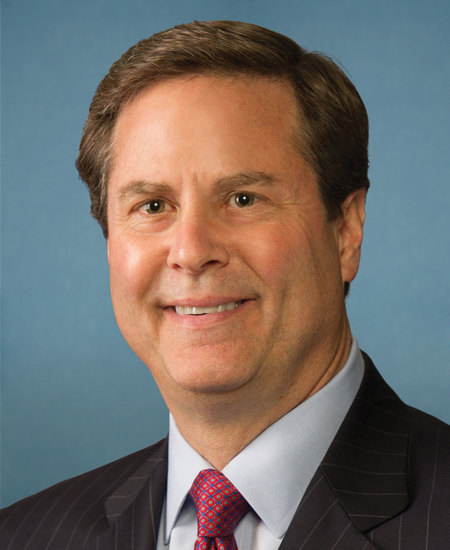
Donald Norcross
Donald Norcross House · District 1
D
Support
75% 4
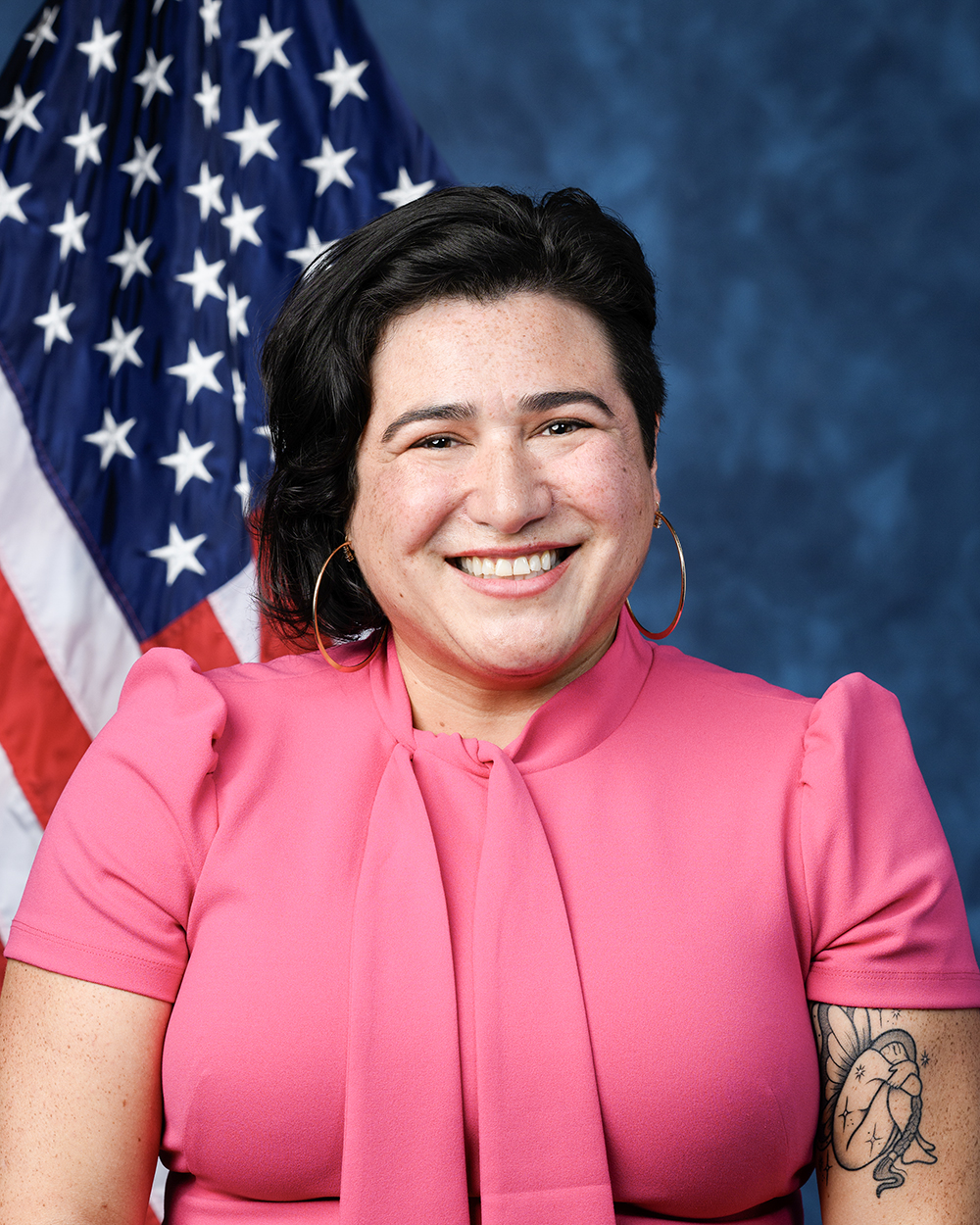
Emily Randall
Emily Randall House · District 6
D
Support
75% 4
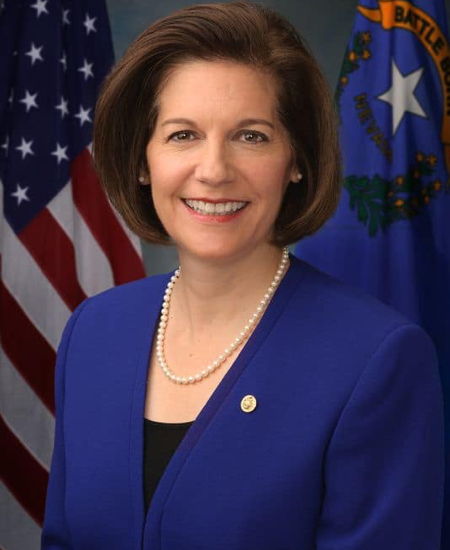
Catherine Cortez Masto
Catherine Cortez Masto Senate
D
Strong −
0% 7
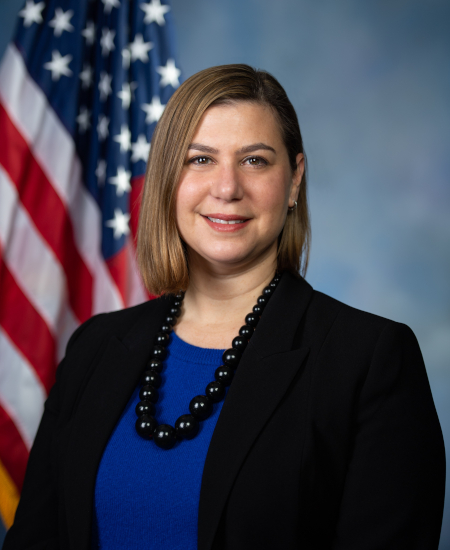
Elissa Slotkin
Elissa Slotkin Senate
D
Strong −
0% 7
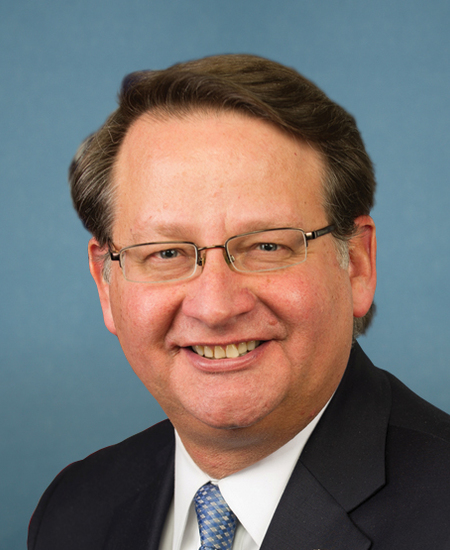
Gary C. Peters
Gary C. Peters Senate
D
Strong −
0% 7
Jacky Rosen
Jacky Rosen Senate
D
Strong −
0% 7
Jeanne Shaheen
Jeanne Shaheen Senate
D
Strong −
0% 7
Showing 91–100 of 112 bills

All immigration bills

in committee · United States · House Jan 16, 2026

HR 7123: Abolish ICE Act

HR 7123, the Abolish ICE Act, would eliminate the U.S. Immigration and Customs Enforcement (ICE) agency by prohibiting all federal funding for its operations, redirecting existing unobligated funds, and transferring ICE assets to the Department of Homeland Security Secretary. The bill requires ICE to be formally abolished 90 days after enactment, ending all its functions under the Homeland Security Act of 2002. This directly affects ICE as an agency and would shift immigration enforcement responsibilities to other federal entities. The legislation focuses on the structural removal of ICE, not on specific immigration policies or outcomes.
in committee · United States · Senate Feb 5, 2026

S 3790: Protect America Act

The Protect America Act (S 3790) primarily requires jurisdictions receiving certain federal funds to certify they do not maintain "sanctuary policies" that obstruct immigration enforcement cooperation. It creates a process for identifying noncompliant jurisdictions, recovering funds, and establishing civil liability for harm resulting from policies that obstruct immigration enforcement. The bill also increases penalties for illegal entry and reentry, enhances protections for federal officers, and restricts tax-exempt status for nonprofits promoting criminal violence. This legislation directly affects state and local governments, detention facilities, and educational institutions receiving federal funding, with significant implications for immigration enforcement coordination.
in committee · United States · House Feb 20, 2026

HR 7612: End Sanctuary Cities Act of 2026

HR 7612 (End Sanctuary Cities Act of 2026) prohibits state and local government officials from interfering with federal immigration enforcement by blocking Department of Homeland Security (DHS) requests for "reasonable advance notice" (at least 48 hours) about releasing criminal aliens. It directly affects local leaders who establish policies restricting such notice, imposing criminal penalties: up to 25 years in prison for failures leading to the release of individuals convicted of murder, rape, or sex offenses against minors. Penalties decrease to 5-10 years for serious violent felonies and 30 days-6 months for other criminal offenses. The law creates new federal criminal charges under Title 18, Section 1925, targeting officials who obstruct DHS compliance with immigration laws.
in committee · United States · House Jan 20, 2026

HR 7161: No Private Bounty Hunters for Immigration Enforcement Act

HR 7161, the "No Private Bounty Hunters for Immigration Enforcement Act," prohibits the Department of Homeland Security (DHS) from using private contractors for immigration enforcement tasks like tracking individuals (skip tracing), surveillance, or location verification. It bans DHS from entering new contracts for these purposes after enactment, terminates existing contracts allowing them, and amends others to prohibit them. The bill also blocks federal funds from paying private entities per-person or via bonuses for locating individuals under immigration detainers, except for limited government-supervised data tools. DHS must audit all relevant contracts within 30 days of the bill's enactment to ensure compliance.
in committee · United States · House May 7, 2025

HR 3242: Punishing Illegal Immigrant Felons Act of 2025

This bill increases mandatory prison sentences for non-citizens convicted of certain crimes after entering the U.S. without authorization or being deported. It raises the minimum sentence from 2 to 5 years for those who improperly enter the U.S. and later commit a crime punishable by over one year in prison. For non-citizens previously deported who commit crimes, it increases the minimum sentence from 2 to 10 years and mandates at least 10 years for offenses including aggravated felonies, state/federal felonies, or crimes punishable by over one year. These changes apply to all non-citizens convicted under these circumstances, regardless of jurisdiction.
in committee · United States · Senate Jun 5, 2025

S 1977: Rapid Expulsion of Migrant Offenders who Violate and Evade (REMOVE) Act

This bill amends immigration law to require faster removal proceedings for certain immigrants. It directly affects noncitizens convicted of offenses making them deportable under existing law (Section 237(a)). Key provisions mandate that the Attorney General must start removal cases "as expeditiously as possible" after conviction for these individuals, and all immigration court proceedings for such cases must be completed within 15 days of commencement. The bill changes the processing timeline but does not create new deportable offenses or alter eligibility for removal.
in committee · United States · House Jul 16, 2025

HR 4456: Stop ICE from Kidnapping U.S. Citizens Act

This bill prohibits U.S. Immigration and Customs Enforcement (ICE) from using federal funds to detain or transport U.S. citizens during civil immigration enforcement actions. It directly affects ICE operations by blocking funding for any activity that would hold or move citizens outside the U.S. under immigration laws. The key mechanism is a specific funding restriction in the bill text, stating no funds may be used for detaining or transporting citizens. This applies to all civil immigration enforcement activities defined under the Immigration and Nationality Act. The bill does not create new enforcement powers but limits how existing funds can be spent.
in committee · United States · Senate Feb 26, 2026

S 3927: End Warehouse Detention Act

This bill (S 3927) prohibits the use of specific federal funds - allocated under Public Law 119-21 - to detain noncitizens in warehouse facilities. It directly affects U.S. Immigration and Customs Enforcement (ICE) and U.S. Customs and Border Protection (CBP) by banning the use of these funds to purchase warehouses for detention or to repurpose, operate, staff, or maintain existing ICE/CBP warehouses for holding noncitizens. The key provision blocks funding for any warehouse-based detention operations, effectively ending the practice of using commercial warehouse spaces for immigration detention. It applies to all current and future uses of these funds for such purposes. The bill does not alter immigration law but restricts how certain federal funds may be spent.
in committee · United States · House Feb 23, 2026

HR 7648: Local Taxpayer Protection Act of 2026

HR 7648, the Local Taxpayer Protection Act of 2026, provides federal grants to municipalities hosting or developing U.S. Immigration and Customs Enforcement (ICE) processing or detention facilities. The bill directly affects these municipalities by covering their lost property tax revenue and costs for public utilities (like water, electricity, and sewer systems) used by the ICE facilities. Grants, capped at the prior year's combined lost revenue and utility costs, are for 5 years with renewal options, and require applications detailing financial need, cost-benefit analysis, and other funding sources. Funds must offset specific costs, with a goal of making the facilities self-sufficient for utility use over time.
in committee · United States · House Jun 10, 2025

HR 3881: Stop Dangerous Sanctuary Cities Act

HR 3881, the "Stop Dangerous Sanctuary Cities Act," denies certain federal grants to states or localities that restrict sharing immigration status information or comply with federal immigration detainers. Specifically, it defines "sanctuary jurisdictions" as those with policies prohibiting cooperation with federal immigration enforcement requests (under Sections 236/287 of the Immigration and Nationality Act). The bill blocks recipients from receiving Economic Development Administration grants and Community Development Block Grants if they are deemed a sanctuary jurisdiction. Local officials complying with federal detainers gain legal protections, including immunity from lawsuits, while jurisdictions violating the law face mandatory return of funds. The policy takes effect October 1, 2025.
Showing 91 to 100 of 112 bills
Previous 1 … 9 10 11 … 12 Next