Issue · Immigration

Immigration (Border Security)

Every immigration bill, vote, and legislator stance in United States, automatically classified by Maddy, our AI policy reader.

Total bills
127
119th Congress
Top supporter
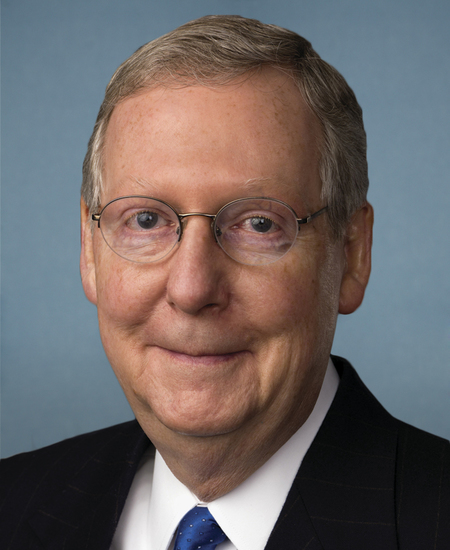
Mitch McConnell
93% support rate
Top opponent
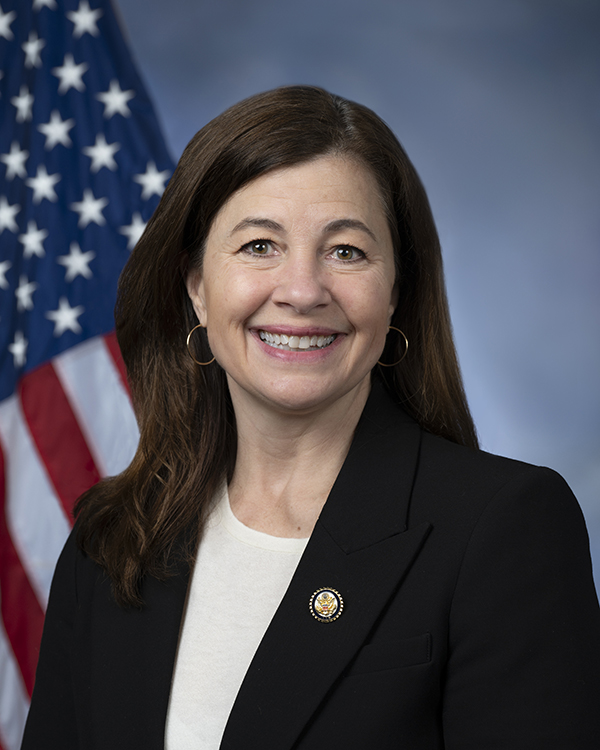
Kristen McDonald Rivet
0% support rate
Ranked legislators
10
5 support · 5 oppose
Key legislators

Who's moving border security in United States

Legislators moving border security in United States
Legislator Party Stance Support rate Votes
Mitch McConnell
Mitch McConnell Senate
R
Strong +
93% 28
AA
Alan Armstrong Senate
R
Strong +
86% 28
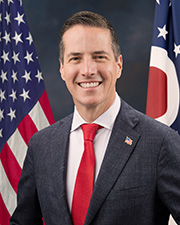
Bernie Moreno
Bernie Moreno Senate
R
Strong +
86% 28
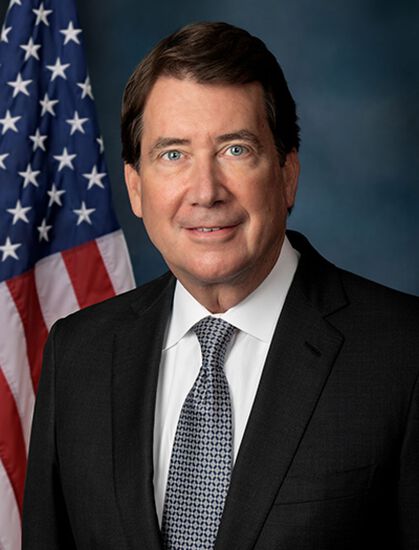
Bill Hagerty
Bill Hagerty Senate
R
Strong +
86% 28
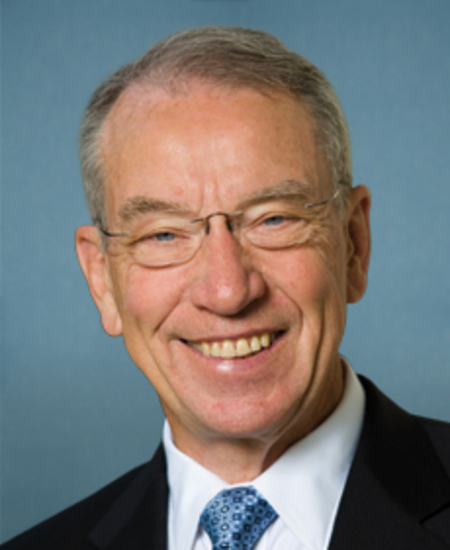
Chuck Grassley
Chuck Grassley Senate
R
Strong +
86% 28
Kristen McDonald Rivet
Kristen McDonald Rivet House · District 8
D
Strong −
0% 3
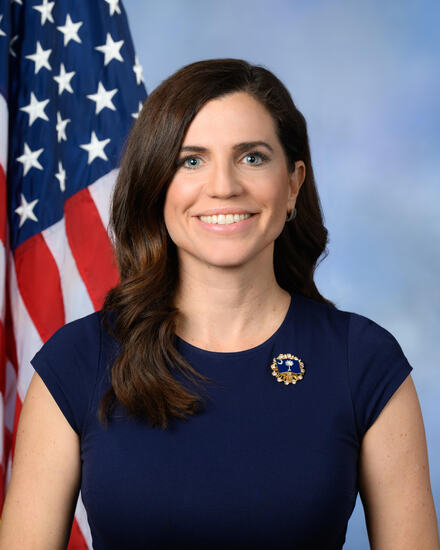
Nancy Mace
Nancy Mace House · District 1
R
Strong −
0% 3
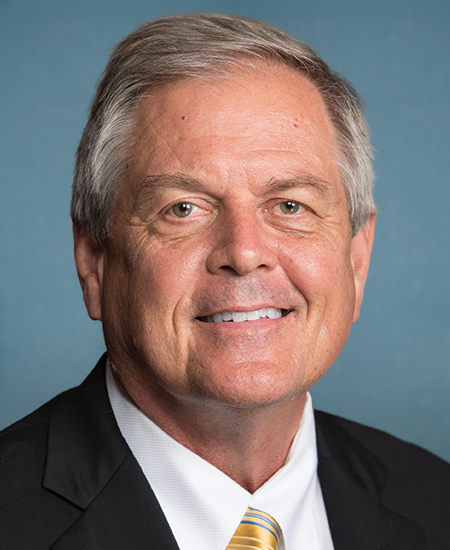
Ralph Norman
Ralph Norman House · District 5
R
Strong −
0% 3
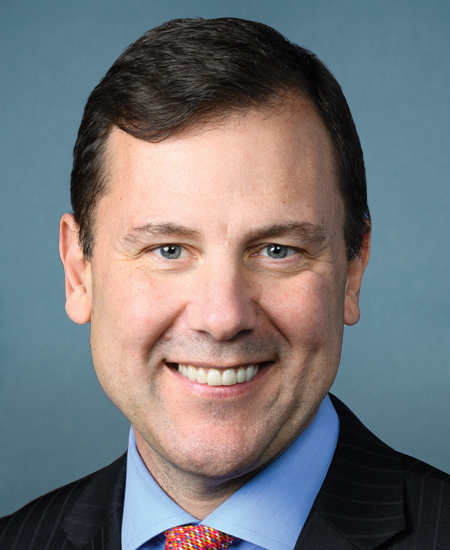
Thomas H. Kean, Jr.
Thomas H. Kean, Jr. House · District 7
R
Strong −
0% 3
Amy Klobuchar
Amy Klobuchar Senate
D
Strong −
14% 28
Showing 1–10 of 127 bills

All immigration bills

in committee · United States · House Aug 24, 2026

HRES 1486: Impeaching Donald John Trump, President of the United States, for high crimes and misdemeanors.

H.R. 1486 is a resolution introduced in the U.S. House of Representatives to impeach President Donald Trump for high crimes and misdemeanors. The bill alleges that the President violated his constitutional oath by transforming federal immigration agencies into unaccountable paramilitary forces that commit unjustified killings, cover up misconduct, and terrorize communities. Key provisions cite specific incidents involving the deaths of civilians and the obstruction of state and local investigations as evidence of these abuses. If passed, the resolution would formally exhibit articles of impeachment to the Senate for a subsequent trial.
in committee · United States · House Jul 15, 2026

HRES 1434: Supporting the efforts of the Trump Administration to obtain a rehearing of the decision of the Supreme Court of the United States in Trump v. Barbara, and for other purposes.

This House resolution expresses support for the Trump Administration's effort to seek a rehearing of the Supreme Court's decision in *Trump v. Barbara*, which ruled that children born in the United States to parents who are unlawfully or temporarily present are citizens at birth. The bill urges the Solicitor General to file a petition for rehearing and calls on the House Judiciary Committee to monitor the case for potential legislative or oversight action. It cites concerns about commercial "birth tourism" schemes exploiting the ruling as a reason to revisit the decision before it becomes final law.
in committee · United States · Senate Jul 15, 2026

S 4983: Harry Reid Immigration Stabilization Act

This bill, the Harry Reid Immigration Stabilization Act, establishes a comprehensive framework to reduce overall immigration numbers, reform asylum procedures, increase penalties for criminal behavior, and enhance border security measures. It directly affects immigrants, refugees, asylum seekers, employers, and law enforcement agencies by setting strict caps on family and employment-based visas, requiring a 30-day filing deadline for asylum applications, and expanding the definition of aggravated felonies to include a wider range of crimes. Key mechanisms include mandating that employers verify work eligibility through a telephone verification system, creating a new border crossing fee, and requiring states to verify immigration status to receive certain federal benefits. Additionally, the legislation introduces stricter rules for criminal aliens facing expedited deportation, increases penalties for alien smuggling, and clarifies citizenship requirements for children born to non-citizen parents.
in committee · United States · House Aug 4, 2026

HR 10040: No TSA Data for ICE Act

This bill, titled the No TSA Data for ICE Act, prohibits the Transportation Security Administration from sharing passenger data with U.S. Customs and Border Protection or U.S. Immigration and Customs Enforcement. It specifically bars these agencies from using TSA information or data from private brokers to perform immigration enforcement functions. Additionally, the legislation prevents the denial, suspension, or early termination of Trusted Traveler programs like PreCheck and Global Entry if an individual's participation in First Amendment-protected activities is the reason. The law defines the restricted data as personally identifiable information about flight passengers obtained from the TSA or private sector entities.
in committee · United States · House Jul 23, 2026

HR 9824: Daycare Not Detentions Act of 2026

The Daycare Not Detentions Act of 2026 provides additional funding to the Department of Health and Human Services to support child care programs, including the Child Care and Development Block Grant, Head Start, and preschool development grants. These funds are intended to help states and organizations cover necessary expenses for these programs through fiscal year 2029. The bill also rescinds $70 billion in previously allocated money for U.S. Customs and Border Protection and U.S. Immigration and Customs Enforcement that has not yet been spent. Overall, the legislation redirects federal resources toward early childhood education and care rather than immigration enforcement activities.
in committee · United States · House Jul 22, 2026

HR 9805: Children’s Safe Welcome Act of 2026

The Children's Safe Welcome Act of 2026 establishes comprehensive protections for noncitizen children in immigration custody, primarily affecting families at the border and children placed in government care. The bill mandates that children remain with their parents or family members unless there is clear evidence of an imminent threat to national security or serious harm to the child, while also requiring the federal government to phase out large congregate care facilities in favor of smaller, family-like settings. Key provisions include strict standards for detention and housing conditions, such as 24-hour access to medical care, nutritious food, and recreational activities, alongside the creation of an independent Ombudsperson office to monitor compliance and investigate complaints. Additionally, the legislation ensures that children receive free legal representation, prohibits the use of welfare records in immigration proceedings, and establishes rigorous oversight for any emergency influx facilities used during surges in arrivals.
Sub-Topics Border Security Detention Sanctuary Policies Tags Children
in committee · United States · House Jul 21, 2026

HR 9773: Permanent Trump Secure Border Act

This bill, known as the Permanent Trump Secure Border Act, introduces significant changes to U.S. immigration law affecting asylum seekers, border security, and family detention policies. It tightens asylum eligibility by establishing a "safe third country" rule that bars individuals who transited through other nations without seeking protection there, while simultaneously expanding the list of criminal convictions that disqualify applicants from asylum. The legislation also restricts employment authorization for asylum seekers, limits the use of parole for humanitarian reasons, and mandates the return of land border arrivals to contiguous foreign territories when detention capacity is unavailable. Additionally, the bill clarifies standards for family detention, expands penalties for visa overstays, and modifies protections for unaccompanied children by requiring faster hearings and limiting special immigrant status for those unable to reunite with parents.
in committee · United States · House Jul 16, 2026

HR 9739: Mount Cristo Rey Protection Act

The Mount Cristo Rey Protection Act prohibits the use of federal funds to seize land around Mount Cristo Rey in Sunland Park, New Mexico, for border wall construction. This legislation specifically blocks funding for legal actions related to eminent domain and bans the installation of security measures such as roads, fencing, and surveillance equipment near the site. The bill aims to protect the mountain, which holds deep religious significance for over 40,000 annual pilgrims, from federal government interference. By restricting financial resources for these specific projects, the act ensures that the holy site remains free from the proposed border wall and associated security infrastructure.
Sub-Topics Border Security
in committee · United States · Senate Jul 13, 2026

S 4954: Citizenship Act of 2026

The Citizenship Act of 2026 redefines the legal status of individuals currently in the United States without legal admission as "invaders" and removes birthright citizenship from children born to these individuals. This change specifically targets mothers who are unlawfully present in the country or entered for the purpose of giving birth, as well as foreign nationals involved in commercial surrogacy contracts within the U.S. By amending the Immigration and Nationality Act, the bill ensures that citizenship is no longer automatically granted to these specific groups of children, regardless of their place of birth. Additionally, the legislation declares that courts cannot review the government's determination that an invasion is occurring at the border.
in committee · United States · House Jul 7, 2026

HR 9566: To establish a pilot program for use by U.S. Customs and Border Protection at land ports of entry along the Arizona border to assess the use of artificial intelligence through an anomaly detection algorithm, and for other purposes.

This bill directs U.S. Customs and Border Protection to launch a two-year pilot program at land ports of entry along the Arizona border to test an artificial intelligence tool designed to detect unusual patterns in data. The system aims to assist officers in screening for illicit drugs and contraband by improving inspection accuracy, processing speed, and overall border security while addressing staffing challenges. To ensure safety and effectiveness, the program requires strict cybersecurity oversight and allows for collaboration with federal agencies and private sector experts. Throughout the pilot, officials must submit regular reports to Congress detailing the algorithm's performance metrics, costs, and any successes or failures before deciding whether to expand its use.
Showing 1 to 10 of 127 bills
1 2 3 13 Next