Issue · Immigration

Immigration (Enforcement)

Every immigration bill, vote, and legislator stance in United States, automatically classified by Maddy, our AI policy reader.

Total bills
144
119th Congress
Top supporter
Alan Armstrong
86% support rate
Top opponent
Catherine Cortez Masto
11% support rate
Ranked legislators
10
5 support · 5 oppose
Key legislators

Who's moving enforcement in United States

Legislators moving enforcement in United States
Legislator Party Stance Support rate Decisive votes
AA
Alan Armstrong Senate
R
Strong +
86% 29
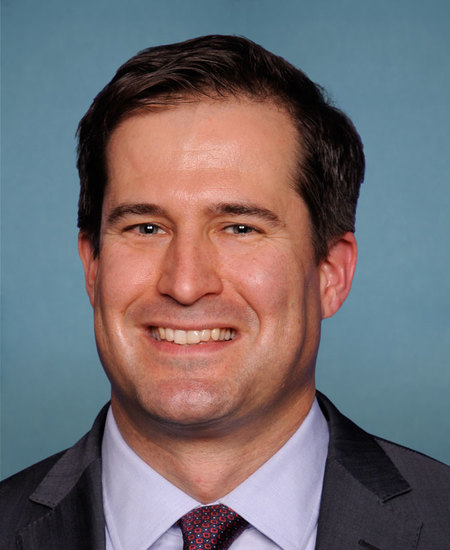
Seth Moulton
Seth Moulton House · District 6
D
Strong +
83% 12
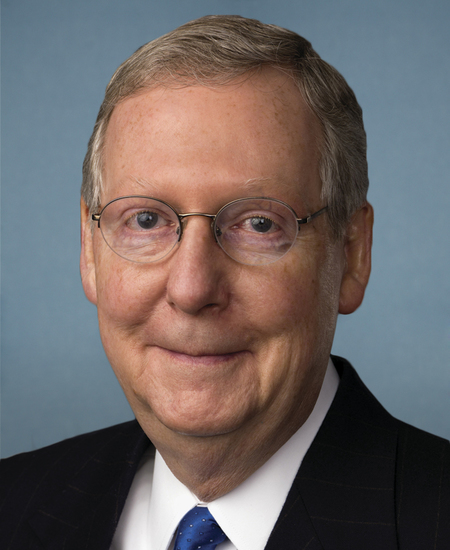
Mitch McConnell
Mitch McConnell Senate
R
Strong +
82% 33
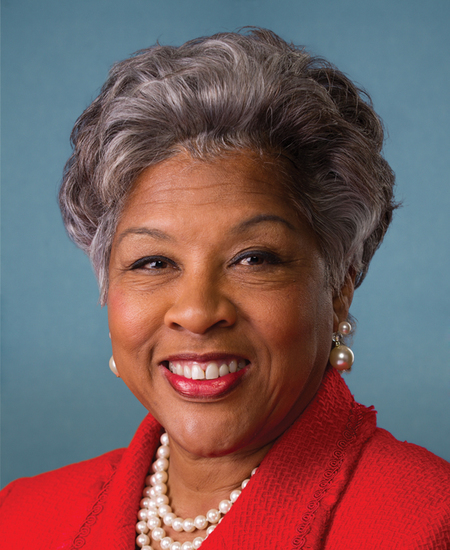
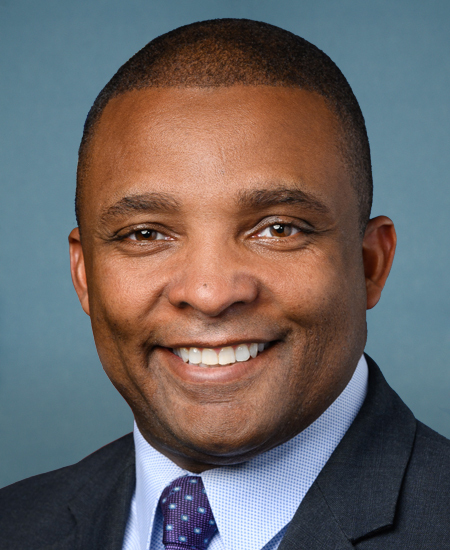
Joyce Beatty
Joyce Beatty House · District 3
D
Strong +
82% 11
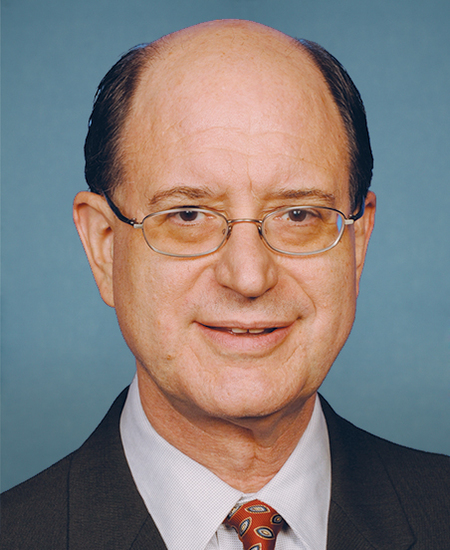
Brad Sherman
Brad Sherman House · District 32
D
Strong +
80% 15
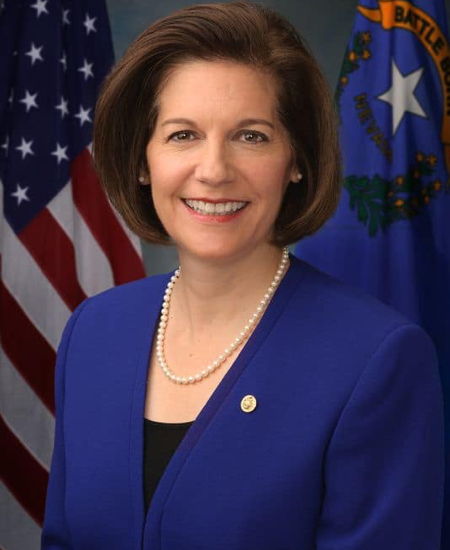
Catherine Cortez Masto
Catherine Cortez Masto Senate
D
Strong −
11% 35
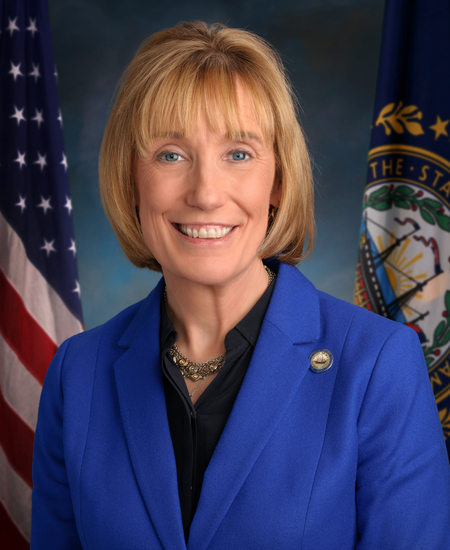
Margaret Wood Hassan
Margaret Wood Hassan Senate
D
Strong −
11% 35
Donald G. Davis
Donald G. Davis House · District 1
D
Strong −
12% 17
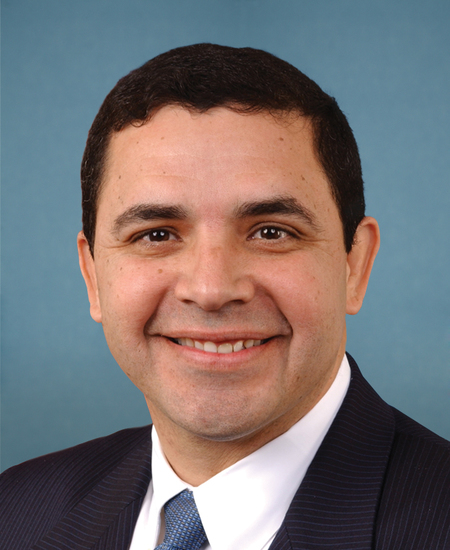
Henry Cuellar
Henry Cuellar House · District 28
D
Strong −
12% 17
Laura Gillen
Laura Gillen House · District 4
D
Strong −
12% 17
Showing 1–10 of 144 bills

All immigration bills

in committee · United States · House May 21, 2026

HRES 1313: Original Resolution Condemning the Hateful Comments of Texas Congressional Candidate Maureen Galindo

This House resolution formally condemns statements made by Texas congressional candidate Maureen Galindo, in which she called for the imprisonment and castration of individuals based on their political beliefs and religious affiliations. The text cites specific social media posts where Ms. Galindo advocated using a detention center to punish people associated with Zionism or former immigration enforcement officers. While acknowledging that the First Amendment protects freedom of speech, the resolution asserts that such hateful rhetoric is contrary to constitutional principles of liberty and justice. It also draws historical parallels to the persecution of individuals based on identity during World War II to underscore the severity of the condemned remarks.
Sub-Topics Detention Enforcement
in committee · United States · House Sep 14, 2026

HR 10365: AmeriCorps Access for Dreamers Act

The AmeriCorps Access for Dreamers Act amends the National and Community Service Act of 1990 to allow individuals who have received deferred action under the Deferred Action for Childhood Arrivals (DACA) program to participate in AmeriCorps. This change removes a specific legal barrier that previously prevented DACA recipients from being eligible for service positions. By updating the eligibility criteria, the bill directly affects young immigrants who arrived in the United States as children and are currently protected from deportation under the DACA policy. The amendment takes effect immediately upon enactment and applies to educational awards issued on or after that date.
in committee · United States · House Sep 15, 2026

HR 10404: For the relief of Sindy Gualdina Rodriguez-Fernandez.

This bill grants Sindy Gualdina Rodriguez-Fernandez eligibility for a U.S. immigrant visa or adjustment to lawful permanent resident status by waiving standard immigration requirements and any existing grounds for removal. It directs the Secretary of Homeland Security to rescind any outstanding deportation orders or findings of inadmissibility against her, effectively allowing her to remain in the country legally if she files an application within two years of enactment. The legislation also reduces the annual immigrant visa quota for her country of birth by one to account for her admission and explicitly prevents her natural parents and siblings from gaining immigration benefits through their relationship with her.
in committee · United States · House Aug 24, 2026

HR 10149: For the relief of Maria Cordova.

This bill grants Maria Cordova eligibility for a U.S. immigrant visa or adjustment to lawful permanent resident status, bypassing standard immigration restrictions that might otherwise apply to her. It requires the Department of Homeland Security to cancel any existing orders for her removal or deportation and protects her from future removal based on grounds recorded in government files at the time the law is passed. To receive this benefit, she must file her application and pay required fees within two years of the bill's enactment. The legislation also ensures that granting her status does not increase the total number of visas available to natives of her birth country and explicitly denies her natural parents, brothers, and sisters any immigration privileges based solely on their relationship to her.
Sub-Topics Enforcement
in committee · United States · House Aug 14, 2026

HR 10105: Stop ICE Price Gouging Act

The Stop ICE Price Gouging Act caps the prices of goods sold in commissaries at immigration detention facilities, limiting markups to 5 percent for essential items like hygiene products and communication supplies, and 35 percent for nonessential items. The bill prohibits additional service fees, commissions, or revenue-sharing arrangements between contractors and government agencies. If a detainee is overcharged, the agency must provide a refund, or if that is not possible due to transfer or release, the excess funds are deposited into a new Detainee Welfare Fund dedicated to purchasing recreational, educational, and electronic items for detainees. Enforcement involves regular audits by the Department of Homeland Security Inspector General and quarterly compliance reports submitted to Congress, while allowing states to maintain stricter price limits if they exist.
in committee · United States · House Aug 18, 2026

HR 10111: Oversight Access Act

The Oversight Access Act prohibits the Secretary of Homeland Security from blocking Members of Congress or their staff from entering immigration detention facilities for oversight purposes. The bill also forbids requiring advance notice for these visits and bans any temporary changes to a facility that would alter what visitors observe compared to normal conditions. If the Inspector General determines that the Secretary has significantly failed to follow these rules, they must report the violation to the House and Senate Judiciary Committees within 30 days.
in committee · United States · Senate Aug 4, 2026

S 5238: For Our Republic Act

The For Our Republic Act proposes sweeping reforms to federal civil service, immigration enforcement, and government ethics, with a significant focus on protecting noncitizen children in U.S. custody. The bill mandates that unaccompanied children be placed in family-like settings such as foster care rather than large congregate facilities, prohibits the separation of children from their parents or relatives except in cases of imminent danger, and requires the provision of government-funded legal representation for all detained minors. It also restricts immigration enforcement agencies from using biometric surveillance technology like facial recognition and establishes a new independent Ombudsperson to monitor compliance with child welfare standards. Additionally, the legislation strengthens protections for federal inspectors general, bans racial profiling by law enforcement, and introduces various measures to increase transparency and accountability within the executive branch.
Sub-Topics Enforcement Tags Children
in committee · United States · Senate Aug 6, 2026

S 5324: Fairness to Freedom Act of 2026

The Fairness to Freedom Act of 2026 establishes a new independent Office of Immigration Representation to guarantee government-funded legal counsel for individuals who cannot afford an attorney in immigration proceedings. This right applies broadly to removal, exclusion, and bond hearings, requiring that legal representation be appointed within 24 hours of detention or before any proceeding begins. The bill creates a decentralized system involving local boards and public defender organizations to manage case assignments, while ensuring that appointed attorneys receive compensation comparable to federal prosecutors. Additionally, the legislation mandates minimum funding levels for the new office based on a specific ratio relative to federal immigration enforcement budgets and prevents the use of seeking this legal aid as a factor in "public charge" determinations.
in committee · United States · Senate Jul 27, 2026

S 5138: Fairness for Immigrant Families Act of 2026

The Fairness for Immigrant Families Act of 2026 aims to protect immigrant families by modifying rules that separate parents from their U.S. citizen children and by expanding relief options for those facing deportation. Key provisions include eliminating certain bars on reentry for individuals who have been removed, allowing parents of U.S. citizens to have their removal reviewed before it is executed, and prohibiting the removal of DACA recipients while their status is active or pending renewal. The bill also establishes new protections for victims of crime and civil rights activists by generally shielding them from removal proceedings unless they pose a specific threat to public safety. To support these changes, the legislation creates new requirements for immigration consultants to clearly disclose their non-attorney status and mandates increased transparency regarding government fees and processing backlogs. Additionally, the act authorizes funding for state and local programs designed to combat immigration fraud and protect consumers from deceptive practices.
in committee · United States · House Aug 4, 2026

HR 10040: No TSA Data for ICE Act

This bill, titled the No TSA Data for ICE Act, prohibits the Transportation Security Administration from sharing passenger data with U.S. Customs and Border Protection or U.S. Immigration and Customs Enforcement. It specifically bars these agencies from using TSA information or data from private brokers to perform immigration enforcement functions. Additionally, the legislation prevents the denial, suspension, or early termination of Trusted Traveler programs like PreCheck and Global Entry if an individual's participation in First Amendment-protected activities is the reason. The law defines the restricted data as personally identifiable information about flight passengers obtained from the TSA or private sector entities.
Showing 1 to 10 of 144 bills
1 2 3 … 15 Next