

Issue · Housing
Housing (Affordable Housing)
Every housing bill, vote, and legislator stance in United States, automatically classified by Maddy, our AI policy reader.
Total bills
225
119th Congress
Top supporter
Adam B. Schiff
100% support rate
Top opponent
Brian Schatz
0% support rate
Ranked legislators
10
5 support · 5 oppose
Key legislators
Who's moving affordable housing in United States
| Legislator | Party | Stance | Support rate | Votes |
|---|---|---|---|---|

Adam B. Schiff
Senate
|
D |
Strong +
|
100% | 3 |

Alex Padilla
Senate
|
D |
Strong +
|
100% | 3 |

Amy Klobuchar
Senate
|
D |
Strong +
|
100% | 3 |

Andy Kim
Senate
|
D |
Strong +
|
100% | 3 |

Angela D. Alsobrooks
Senate
|
D |
Strong +
|
100% | 3 |
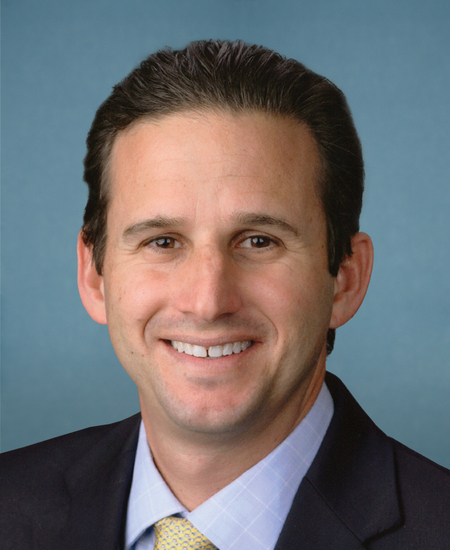
Brian Schatz
Senate
|
D |
Strong −
|
0% | 3 |
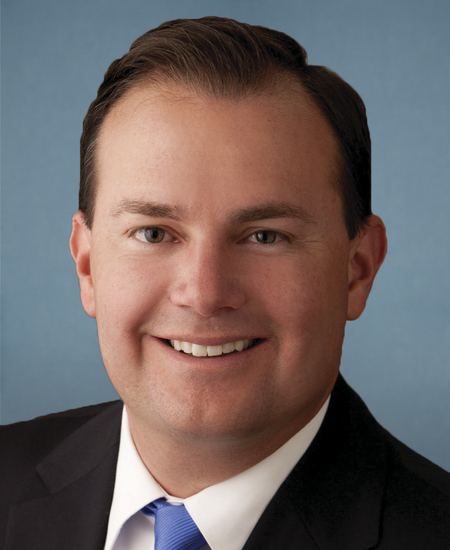
Mike Lee
Senate
|
R |
Strong −
|
0% | 3 |

Rand Paul
Senate
|
R |
Strong −
|
0% | 3 |
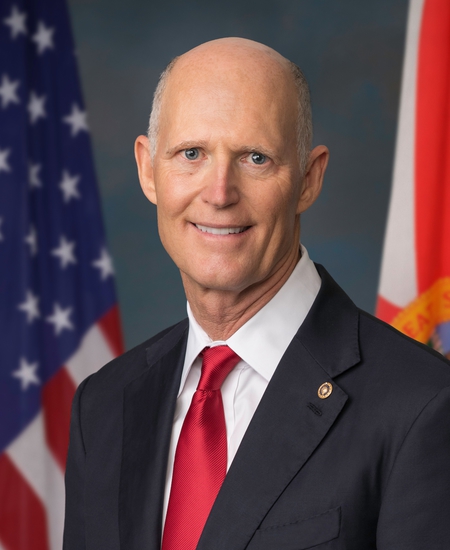
Rick Scott
Senate
|
R |
Strong −
|
0% | 3 |
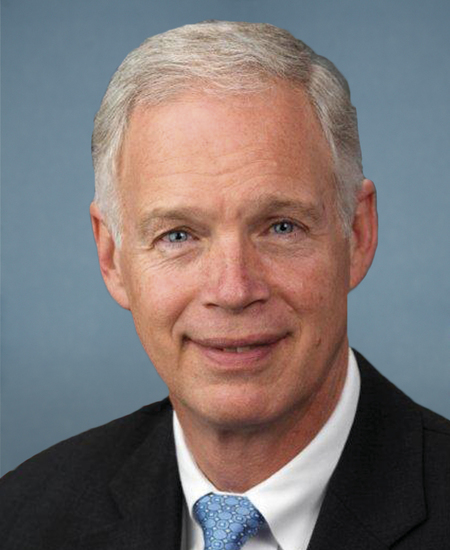
Ron Johnson
Senate
|
R |
Strong −
|
0% | 3 |
Showing 181–190 of 225
bills
All housing bills
HR 4576: Build More Housing Near Transit Act of 2025
Topics
✓ HousingSupports HousingIncentivizes removal of regulatory barriers (e.g., parking minimums) for multi-family housing near transit, directly promoting housing development.
✓ TransportationSupports TransportationIncentivizes housing near transit via grant scoring boosts, promoting transit-oriented development and sustainable transportation use.
S 3309: Building Housing for the American Dream Act
Topics
✓ Budget & TaxesSupports Budget & TaxesBill prioritizes EB-5 applications using Section 42 tax credits, directly supporting existing housing tax credit programs and fiscal mechanisms for affordable housing.
✓ HousingSupports HousingPrioritizes EB-5 visa processing for housing projects including rental/purchase, especially using federal affordable housing programs like Section 42 tax credits.
✓ ImmigrationSupports ImmigrationAmends EB-5 visa program to prioritize housing projects, directing USCIS to expedite processing for housing investments, directly advancing immigrant investor pathways.
S 3169: UNLOCK Housing Act
S 1714: Disabled Veterans Housing Support Act
Topics
✓ HousingSupports HousingExcludes VA disability benefits from income calculations, expanding eligibility for low-income housing programs among disabled veterans.
✓ VeteransSupports VeteransExcludes VA disability payments from income calculations, expanding housing eligibility for disabled veterans.
HR 2494: To direct the Secretary of Housing and Urban Development to annually submit to the Congress a report that analyzes State and local strategies, activities, and plans that promote affordable housing, and for other purposes.
S 2668: HOME Act of 2025
S 2638: Energy Efficiency for Affordable Housing Act
Topics
✓ Budget & TaxesSupports Budget & TaxesIncreases tax credits for affordable housing developers meeting energy standards, providing tax relief and promoting fiscal responsibility through targeted incentives.
✓ EnergySupports EnergyBill increases tax credits for energy efficiency retrofits in affordable housing, directly promoting reduced energy use and meeting efficiency standards per its summary.
✓ EnvironmentSupports EnvironmentBill incentivizes 50%+ energy reduction in housing via tax credits, directly reducing emissions and promoting efficiency per its energy standards requirements.
✓ HousingSupports HousingIncreases tax credits for affordable housing developers meeting energy standards, directly funding housing development and affordability through enhanced financial incentives.
S 2827: Fair Housing Improvement Act of 2025
Topics
✓ HousingSupports HousingExpands Fair Housing Act to prohibit discrimination based on income source, veteran/military status, strengthening tenant protections for voucher users and veterans.
✓ VeteransSupports VeteransAdds veteran status to Fair Housing Act's anti-discrimination protections, preventing housing discrimination against veterans.
HR 7326: ABODE Act
Topics
✓ Budget & TaxesSupports Budget & TaxesBill creates HUD grant program funding affordable housing development, directly allocating government funds for public service as part of fiscal management.
✓ EnergySupports EnergyBill explicitly requires projects to 'improve energy efficiency' as a priority, directly supporting energy efficiency measures in housing development.
✓ EnvironmentSupports EnvironmentBill mandates energy efficiency and resilient designs in affordable housing, which reduces environmental impact and promotes sustainable building practices.
✓ HousingSupports HousingBill creates HUD grant program for affordable housing development targeting 50% AMI households, prioritizing cost reduction, accessibility, and energy efficiency.