Issue · Housing

Housing (Housing Finance)

Every housing bill, vote, and legislator stance in United States, automatically classified by Maddy, our AI policy reader.

Total bills
154
119th Congress
Top supporter
Adam B. Schiff
100% support rate
Top opponent
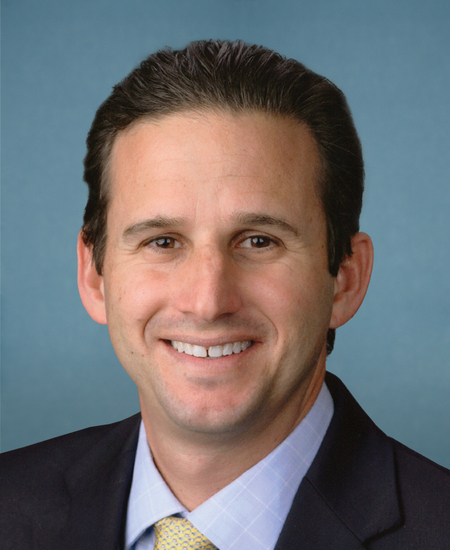
Brian Schatz
0% support rate
Ranked legislators
10
5 support · 5 oppose
Key legislators

Who's moving housing finance in United States

Legislators moving housing finance in United States
Legislator Party Stance Support rate Votes
Adam B. Schiff
Adam B. Schiff Senate
D
Strong +
100% 3
Alex Padilla
Alex Padilla Senate
D
Strong +
100% 3
Amy Klobuchar
Amy Klobuchar Senate
D
Strong +
100% 3
Andy Kim
Andy Kim Senate
D
Strong +
100% 3
Angela D. Alsobrooks
Angela D. Alsobrooks Senate
D
Strong +
100% 3
Brian Schatz
Brian Schatz Senate
D
Strong −
0% 3
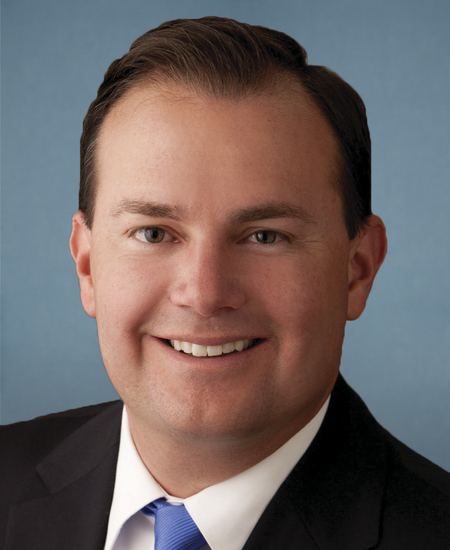
Mike Lee
Mike Lee Senate
R
Strong −
0% 3
Rand Paul
Rand Paul Senate
R
Strong −
0% 3
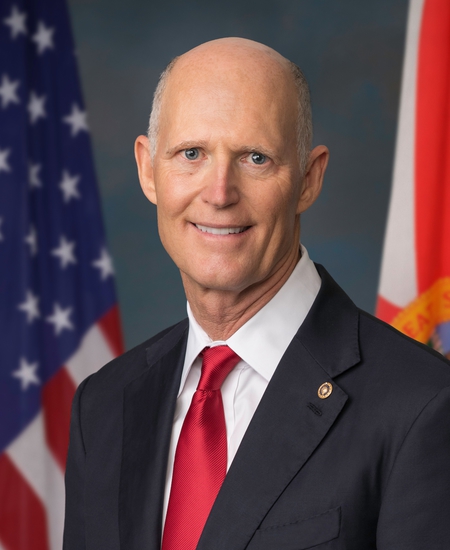
Rick Scott
Rick Scott Senate
R
Strong −
0% 3
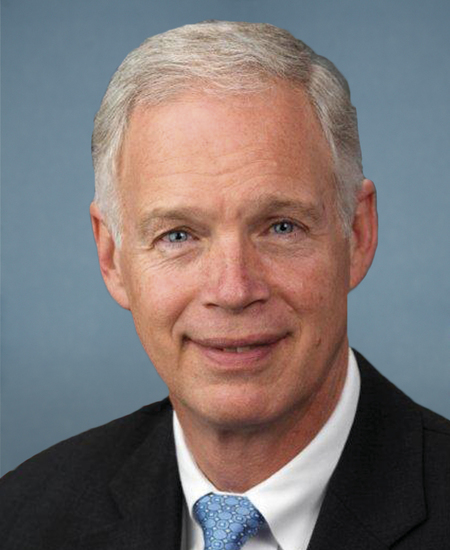
Ron Johnson
Ron Johnson Senate
R
Strong −
0% 3
Showing 111–120 of 154 bills

All housing bills

in committee · United States · House Jun 30, 2025

HR 4266: Housing for US Act

This bill establishes a revolving loan fund to increase middle-class housing supply by providing capitalization loans to states using funds from the release of Federal National Mortgage Association and Federal Home Loan Mortgage Corporation. States will create housing revolving loan funds to provide financing to local governments and non-profits for new construction or rehabilitation of housing that meets affordability standards (80-165% of area median income) for middle-income families. The housing must maintain affordability for at least 15 years, and construction must comply with labor requirements including apprenticeship and prevailing wage standards. The fund will be repaid to the Treasury for deficit reduction after 10 years.
in committee · United States · House Mar 27, 2025

HR 2410: Revitalizing Downtowns and Main Streets Act

HR 2410 creates a 20% federal tax credit for developers converting older non-residential buildings (at least 20 years old) into affordable housing. The credit applies to qualified conversion costs, requiring that 20% of units be rent-restricted for residents earning 80% or less of the area median income for 30 years. It establishes a $12 billion national credit limit, with $3 billion reserved for conversions in economically distressed areas, and mandates state-level allocation plans prioritizing projects near transit and employment. The bill directly affects developers seeking tax incentives for downtown revitalization, not tenants or local governments.
in committee · United States · House Feb 7, 2025

HR 1133: Repeal Community Development Block Grants Act of 2025

HR 1133, the Repeal Community Development Block Grants Act of 2025, would eliminate the federal Community Development Block Grant (CDBG) program by repealing key sections of the 1974 Housing and Community Development Act. This bill directly affects local governments and community organizations that currently receive CDBG funds for projects like affordable housing, infrastructure improvements, and economic development. The repeal would end all CDBG funding starting October 1, 2025, removing this specific federal funding stream. The bill does not create new programs or alter other housing assistance; it solely targets the repeal of the existing CDBG authority.
in committee · United States · Senate Apr 30, 2025

S 1527: Housing Affordability Act

The Housing Affordability Act (S 1527) updates inflation-adjusted monetary limits for multifamily housing programs under the National Housing Act. It increases specific dollar amounts - such as loan limits and income thresholds - by replacing outdated figures (e.g., raising a $38,025 limit to $167,310) with new values calculated using the Bureau of the Census' Price Deflator Index for Multifamily Residential Units. These adjustments, effective July 1, 2025, require the Secretary to publish the updated amounts in the Federal Register and round them to the next lower dollar. The bill directly affects federal housing programs that use these monetary thresholds, such as multifamily mortgage loans and rental assistance.
in committee · United States · House Jan 15, 2026

HR 7062: Build HUBS Act

The Build HUBS Act extends and improves the Transportation Infrastructure Finance and Innovation (TIFIA) and Railroad Rehabilitation and Improvement Financing (RRIF) programs to support housing near transit. It creates new definitions for "attainable housing projects" (affordable to households earning up to 120% of area median income, with most units affordable to those earning up to 80% of area median income) and allows an "investment-creditworthiness assessment alternative" instead of requiring investment-grade ratings for financing. The bill requires at least 75% of TIFIA funding for attainable housing projects to go toward residential components, sets a lower interest rate (half the Treasury Rate) for these projects, and exempts certain land acquisition activities from environmental review requirements under the National Environmental Policy Act.
in committee · United States · Senate Apr 10, 2025

S 1477: Housing for All Act of 2025

The Housing for All Act of 2025 is a comprehensive federal housing bill that allocates significant funding to address housing shortages and homelessness. It provides $45 billion for the Housing Trust Fund, $40 billion for the HOME Investment Partnerships Program, and expands housing choice vouchers by 500,000 in 2025 with annual increases to 1 million by 2028, prioritizing individuals at risk of homelessness. The bill establishes a Racial Equity Commission to examine structural racism in housing and creates new programs including safe parking initiatives, eviction protection grants, and mobile crisis intervention teams. It directly affects vulnerable populations including people with disabilities, racial minorities, elderly individuals, veterans, and those experiencing homelessness or housing instability. The legislation also requires a GAO report on eviction data and promotes inclusive transit-oriented development to enhance climate resilience.
in committee · United States · House Aug 22, 2025

HR 5034: Liberty City Rising Act

The Liberty City Rising Act requires federal housing agencies to implement new safety standards for public and assisted housing in neighborhoods designated as high-crime areas. It defines "high-crime areas" using recent violent crime data and mandates that housing agencies establish security measures (like cameras, locks, and lighting) tailored to each property’s needs, plus provide anonymous hotlines for tenants to report crime. The bill also directs HUD to prioritize funding for safety upgrades in these areas through the Capital Fund. Agencies must make initial high-crime area determinations within 90 days of enactment and establish full safety standards within one year. These changes directly affect public housing agencies and property owners receiving federal housing assistance in designated high-crime neighborhoods.
in committee · United States · Senate Jul 23, 2025

S 2402: First-Time Homebuyer Tax Credit Act of 2025

This bill creates a refundable tax credit of up to $15,000 (10% of purchase price) for first-time homebuyers in the U.S. To qualify, buyers must be at least 18 years old, have no recent home ownership, and purchase with a federally-backed mortgage. The credit is reduced for higher-income households relative to local median income and home prices. Homeowners who sell within 4 years must repay the credit, though exceptions exist for military service or job changes. The credit can also be transferred to the mortgage lender at the time of purchase.
in committee · United States · Senate May 8, 2025

S 1686: Neighborhood Homes Investment Act

The Neighborhood Homes Investment Act creates a new tax credit to increase affordable homeownership in distressed communities by closing financing gaps. It allows developers to claim a credit equal to the difference between development costs and affordable sale prices, capped at 40% of development costs or 32% of the national median home price. To qualify, homes must be sold to individuals with incomes at or below 140% of area median income in designated distressed census tracts, with specific requirements for rehabilitation and affordability. The credit is designed to address housing shortages in low-income areas while requiring repayment if homes are resold within five years.
in committee · United States · House Jan 27, 2026

HR 7243: SPUR Housing Act

This bill creates a HUD grant program to help developers offset state and local taxes and infrastructure fees for new housing projects. Developers must secure commitments from local governments to reduce property taxes by at least 50% on qualifying projects to qualify. Priority is given to projects increasing affordable housing, located near transit or job centers, using infill sites, or targeting workforce/senior housing needs. The program allocates $300 million annually (2027-2031) to cover up to 50% of eligible costs or $150,000 per developer, with grants lasting up to five years.
Showing 111 to 120 of 154 bills
Previous 1 11 12 13 16 Next