Issue · Healthcare

Healthcare

Every healthcare bill, vote, and legislator stance in United States, automatically classified by Maddy, our AI policy reader.

Total bills
2,988
119th Congress
Top supporter
Darline Graham
82% support rate
Top opponent
Rick Scott
19% support rate
Ranked legislators
10
5 support · 5 oppose
Key legislators

Who's moving healthcare in United States

Legislators moving healthcare in United States
Legislator Party Stance Support rate Decisive votes
Darline Graham
Darline Graham Senate
R
Strong +
82% 11
Peter Welch
Peter Welch Senate
D
Strong +
81% 27
Ron Wyden
Ron Wyden Senate
D
Support
78% 27
Alex Padilla
Alex Padilla Senate
D
Support
77% 26
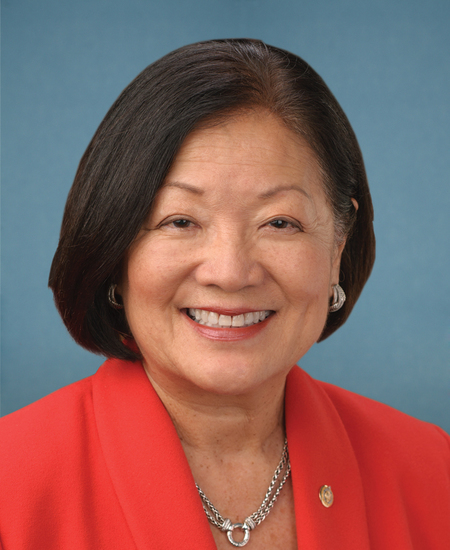
Mazie K. Hirono
Mazie K. Hirono Senate
D
Support
74% 27
Rick Scott
Rick Scott Senate
R
Strong −
19% 27
Ashley Moody
Ashley Moody Senate
R
Oppose
22% 27
Rand Paul
Rand Paul Senate
R
Oppose
22% 27
Brad Knott
Brad Knott House · District 13
R
Oppose
28% 18
Pat Harrigan
Pat Harrigan House · District 10
R
Oppose
28% 18
Showing 901–910 of 2,988 bills

All healthcare bills

in committee · United States · Senate Mar 9, 2026

S 4027: Healthy Competition for Better Care Act

This bill, titled the Healthy Competition for Better Care Act, prohibits health insurance companies and group health plans from entering into contracts with healthcare providers that include certain anticompetitive restrictions. Specifically, it bans agreements that prevent insurers from steering patients toward different providers, require insurers to make additional agreements with related entities, force payment rate agreements with affiliates not involved in the contract, or stop other insurers from paying lower rates for the same services. The law includes exceptions for certain types of healthcare networks like health maintenance organizations and value-based care arrangements, allows states to grandfather existing contracts for up to 10 years if they are unlikely to reduce competition, and requires federal agencies to create implementing regulations within one year of enactment.
in committee · United States · Senate Mar 18, 2026

S 4131: Veteran Access to Neurosurgery Act of 2026

This bill would require the Department of Veterans Affairs to run a five-year pilot program allowing certain neurosurgeons to negotiate higher payment rates for specialized surgical services provided to veterans through the Veterans Community Care Program. The program would focus on rural and highly rural areas where veterans currently face long wait times or must travel over 100 miles to access neurosurgery, permitting rate adjustments only when existing VA rates are insufficient to cover service costs. Under the bill, the VA must establish rules within 180 days of enactment and conduct annual reviews to ensure the program operates efficiently and effectively. The Secretary of Veterans Affairs would submit annual reports to Congress detailing the number of patients served, types of services provided, costs incurred, and health outcomes to evaluate whether the pilot should be extended or made permanent.
in committee · United States · House Mar 12, 2026

HR 7911: Dream’s Caregiver Health and Wellness Act

This bill would create a new grant program to support caregivers of seniors, people with disabilities, or those with chronic illnesses. The Department of Health and Human Services would distribute up to $250 million over five years to nonprofit organizations for services like meals, transportation, mental health support, and wellness programs. Nonprofits would need to submit applications and report annually on how they used funds and what outcomes they achieved. The program aims to reduce caregiver burnout and build support networks while adapting to changing needs.
Sub-Topics Mental Health
in committee · United States · House Mar 12, 2026

HR 7905: Diabetes Foot Health Access and Modernization Act of 2026

This bill, known as the Diabetes Foot Health Access and Modernization Act of 2026, makes two main changes to federal healthcare programs. First, it allows Medicaid to cover foot and ankle care services provided by podiatric physicians, ensuring patients have access to this specialized care. Second, it updates Medicare rules to clarify documentation requirements for diabetic shoes, specifying conditions under which patients can receive extra-depth or custom-molded footwear. The changes take effect on January 1, 2026, for Medicaid services and January 1, 2028, for Medicare shoe coverage.
Sub-Topics Medicaid Medicare
in committee · United States · House Mar 30, 2026

HRES 1147: Recognizing the United States legacy of dismissed pain and denied autonomy in women's health care, and affirming the Federal Government's duty to protect individual dignity and advance patient-centered care in women's health.

This resolution formally acknowledges historical and ongoing injustices in women's healthcare, particularly affecting marginalized groups such as Black, Indigenous, immigrant, LGBTQ+, disabled, and low-income women. It highlights specific issues including dismissed pain, lack of bodily autonomy, and past medical abuses like non-consensual sterilization and coercive contraceptive testing. The bill calls for patient-centered care, expanded research, and stronger protections for reproductive and gynecological health, while urging the federal government to address systemic bias in medical settings.
Sub-Topics Women's Health
in committee · United States · Senate Mar 12, 2026

S 4086: Patient Safety and Whistleblower Protections Act

This bill, known as the Patient Safety and Whistleblower Protections Act, would protect health care providers who raise concerns about patient safety or quality of care from retaliation by their employers. It prohibits health care facilities from taking adverse actions against practitioners who report issues to supervisors, state authorities, government officials, patient safety organizations, or the media after a 90-day waiting period. The law includes a rebuttable presumption that any negative employment action within 180 days of raising a concern is retaliation, and it nullifies contractual clauses that would prevent providers from speaking about patient safety issues.
in committee · United States · Senate Apr 29, 2026

S 3999: Women Veterans Specialty Care Access Act

This bill requires the Department of Veterans Affairs to allow women veterans to directly schedule appointments for women's specialty care without needing a referral from a primary care provider. The law applies to all women veterans enrolled in the VA system who are eligible for services such as gynecology, obstetrics, maternity, and postpartum care. Under the bill, these appointments must be available through VA medical centers, clinics, and online or telephone scheduling tools without additional administrative barriers. The provision does not change existing eligibility requirements for receiving VA healthcare services.
in committee · United States · Senate Mar 4, 2026

S 3989: Community TEAMS Act of 2026

This bill, known as the Community TEAMS Act of 2026, creates a new grant program to support medical student training in rural areas and medically underserved communities. It would allow medical schools to partner with local health clinics and federally qualified health centers to establish community-based training programs that include clinical rotations in outpatient settings. The grants, which can last 1 to 5 years, require applicants to submit detailed plans describing how the projects will improve healthcare access, ensure quality improvement, and sustain operations after federal funding ends. Eligible entities must be consortia that include at least one medical school and one rural or underserved health facility.
in committee · United States · Senate Mar 19, 2026

S 3944: Women’s Heart Health Expansion Act of 2026

This bill, titled the Women's Heart Health Expansion Act of 2026, extends funding and authority for the WISEWOMAN program, which provides preventive health services to women. It authorizes $250 million over five years (2027-2031) for the Centers for Disease Control and Prevention to award supplemental grants for blood pressure, cholesterol, obesity, and diabetes screenings, along with health education and medical referrals. The program would be administered by existing WISEWOMAN grantees or other healthcare entities serving women eligible under current guidelines or identified as high-risk. Additionally, the bill requires a Government Accountability Office study by September 2027 to evaluate the program's reach, access barriers, and cost-effectiveness in improving cardiovascular health outcomes.
in committee · United States · Senate Apr 13, 2026

S 4106: Rx ACCESS Act

This bill, known as the Rx ACCESS Act, aims to improve medication access for military beneficiaries enrolled in the TRICARE health program by allowing them to choose how they receive non-generic prescription maintenance medications starting in October 2026. It requires pharmacy benefit managers to reimburse retail pharmacies at least the actual cost of acquiring drugs plus a professional dispensing fee, and prohibits hidden fees on pharmacies. The bill also mandates annual audits by the Government Accountability Office to review reimbursement rates, pharmacy network adequacy, and beneficiary access, with results reported to congressional defense committees.
Showing 901 to 910 of 2,988 bills
Previous 1 … 90 91 92 … 299 Next