Issue · Healthcare

Healthcare (Medicaid)

Every healthcare bill, vote, and legislator stance in United States, automatically classified by Maddy, our AI policy reader.

Total bills
441
119th Congress
Top supporter
Christopher Murphy
89% support rate
Top opponent
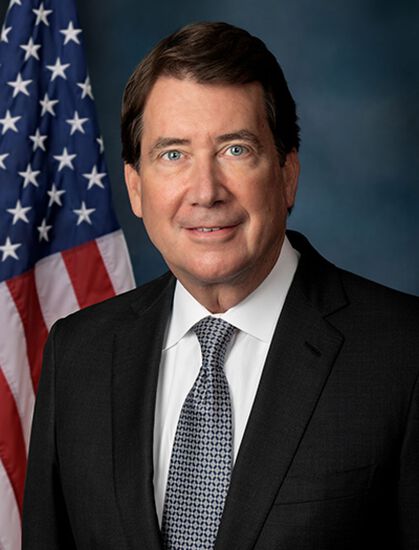
Bill Hagerty
11% support rate
Ranked legislators
10
5 support · 5 oppose
Key legislators

Who's moving medicaid in United States

Legislators moving medicaid in United States
Legislator Party Stance Support rate Decisive votes
Christopher Murphy
Christopher Murphy Senate
D
Strong +
89% 9
Adam B. Schiff
Adam B. Schiff Senate
D
Strong +
80% 10
Alex Padilla
Alex Padilla Senate
D
Strong +
80% 10
Amy Klobuchar
Amy Klobuchar Senate
D
Strong +
80% 10
Andy Kim
Andy Kim Senate
D
Strong +
80% 10
Bill Hagerty
Bill Hagerty Senate
R
Strong −
11% 9
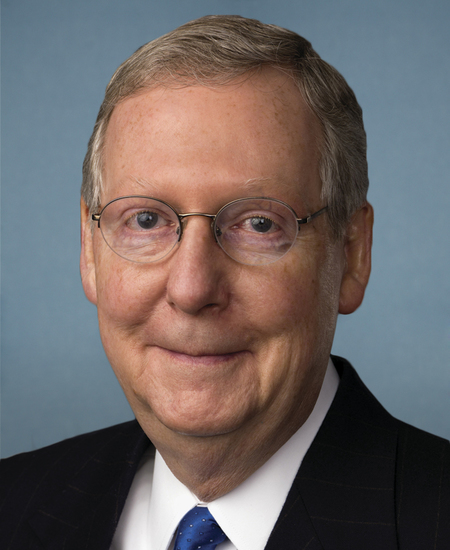
Mitch McConnell
Mitch McConnell Senate
R
Strong −
11% 9
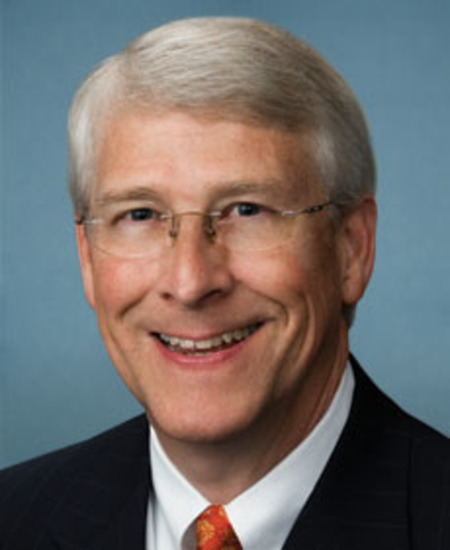
Roger F. Wicker
Roger F. Wicker Senate
R
Strong −
11% 9
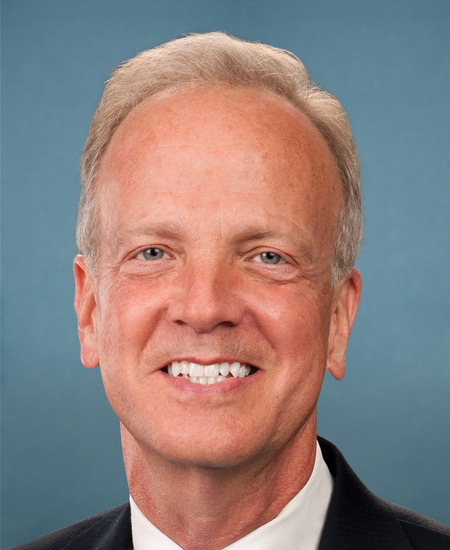
Jerry Moran
Jerry Moran Senate
R
Strong −
12% 8
Ashley Moody
Ashley Moody Senate
R
Strong −
20% 10
Showing 81–90 of 441 bills

All healthcare bills

in committee · United States · House Apr 28, 2026

HR 8551: Early Access to Screening Act

The Early Access to Screening Act mandates that Medicare, Medicaid, and private health insurance plans cover annual screening mammograms for women aged 30 and older without any out-of-pocket costs. Starting January 1, 2026, these plans must pay the full cost of the procedure, while coverage for women under 30 remains prohibited. The bill also establishes a rule preventing women over 29 from receiving more than one screening mammogram within an 11-month window. By amending federal laws governing public and private health coverage, the legislation ensures consistent, free access to this preventive care for the specified demographic.
in committee · United States · House May 4, 2026

HR 8662: To provide assisted living assistance through Medicaid and low-income housing tax credit.

This bill expands Medicaid coverage to include services in assisted living facilities for individuals who currently require hospital or nursing home care, provided they meet state income and resource limits. It also modifies the Low-Income Housing Tax Credit to give priority funding to projects that help reduce long-term medical costs for the elderly by offering care in non-institutional settings. Both changes are scheduled to take effect on January 1, 2027, allowing states time to update their laws and plans to comply with the new requirements.
in committee · United States · Senate May 19, 2026

S 4566: Increasing Access to Lung Cancer Screening Act

This bill expands access to lung cancer screening and tobacco cessation support by requiring Medicaid to cover annual screenings and related counseling for eligible individuals without charging copayments or requiring prior approval. It also mandates that Medicare and private health insurance plans provide the same screenings without utilization management barriers, ensuring broader coverage across different healthcare systems. Additionally, the legislation authorizes a $10 million federal funding stream to run an education campaign aimed at informing high-risk patients and providers about screening importance and eligibility. The law includes a provision for a government study to examine demographic gaps in current screening guidelines and offers states a grace period to update their plans to comply with these new requirements.
in committee · United States · House May 21, 2026

HRES 1310: Expressing support for continued efforts to safeguard Medicare, Medicaid, and other Federal health care programs from fraud, waste, abuse, and improper payments through strengthened program integrity measures, enhanced oversight, and coordinated enforcement actions, and recognizing the work of the Trump administration and congressional Republicans to investigate and prosecute fraud and protect taxpayer dollars and preserve the long-term sustainability of the Nation's health care safety net.

This resolution expresses support for the Trump administration's efforts to combat fraud, waste, and abuse in Medicare, Medicaid, and other federal health care programs. It highlights specific actions taken, such as using advanced technology to detect fraud, suspending billions of dollars in suspected fraudulent payments, and coordinating with law enforcement to prosecute offenders. The document also acknowledges the creation of a new task force designed to lead a governmentwide strategy against fraud in federal benefit programs. Ultimately, the bill serves as a formal recognition of these initiatives rather than introducing new laws or policy changes.
Sub-Topics Medicaid Medicare
in committee · United States · House Apr 28, 2026

HR 8541: Long-Term Care Workforce Support Act

The Long-Term Care Workforce Support Act aims to address the severe shortage and low wages of direct care professionals who support older adults and people with disabilities by increasing Medicaid funding, expanding training grants, and establishing new federal labor protections. To improve compensation and retention, the bill allows states to receive additional Medicaid funds if they implement specific workforce improvements, such as raising wages, providing paid leave, and ensuring stable scheduling, while also creating a national strategy to calculate fair labor costs. The legislation introduces comprehensive worker rights, including a requirement for written employment agreements, fair scheduling with advance notice, paid sick time, and a federal standard to prevent workplace violence. Furthermore, the bill establishes multiple grant programs to fund training, career advancement, and diversity initiatives, alongside a new commission to develop national training standards and a technical assistance center to address inequities within the workforce.
in committee · United States · Senate Apr 21, 2026

S 4353: Health Savings Account Expansion Act

The Health Savings Account Expansion Act modifies tax rules to allow individuals with government-sponsored health plans, such as Medicare or Medicaid, and those in health care sharing ministries to contribute to Health Savings Accounts. It also clarifies that payments for these specific types of coverage can be made using HSA funds and expands the definition of eligible medical expenses to include membership fees and administrative costs for health care sharing ministries. Additionally, the bill permits the use of HSA funds to purchase over-the-counter drugs and insulin without a prescription. These changes are scheduled to take effect for taxable years beginning after December 31, 2026.
Sub-Topics Medicaid Medicare
in committee · United States · House May 21, 2026

HR 9002: SURS Extension Act

The SURS Extension Act extends the Small Practice, Underserved, and Rural Support Program through fiscal year 2031. This program provides financial incentives to healthcare providers who treat patients in rural areas or underserved communities. By amending the Social Security Act, the bill ensures these payments continue for six additional years. The measure directly affects small medical practices and facilities that serve high-need populations.
Sub-Topics Medicaid Medicare
in committee · United States · House Apr 23, 2026

HR 8487: Ensuring Excellence in Mental Health Act

The Ensuring Excellence in Mental Health Act expands federal support for certified community behavioral health clinics (CCBHCs) by modifying how these facilities are funded under Medicaid and Medicare. Under the new rules, states and the federal government will use a prospective payment system to pay CCBHCs based on the cost of providing care rather than per-visit fees, while also extending coverage to additional services like primary health care. The legislation establishes a new grant program to help clinics operate and expand, creates a national data system to track clinic performance, and introduces an accreditation requirement to ensure quality standards are met. Additionally, the bill extends liability protections to clinicians working in these clinics and removes certain financial barriers for Medicare patients seeking care at CCBHCs.
in committee · United States · House May 11, 2026

HR 8726: PARTNERS Act of 2026

The PARTNERS Act of 2026 allows individual states to directly enforce rules governing Medicare Advantage plans sold within their borders. Under this legislation, state officials would have the authority to require insurance companies to comply with federal standards for these plans, rather than relying solely on federal agencies. The bill also mandates that the federal government coordinate its enforcement efforts with states and permits the creation of collaborative agreements to streamline oversight. This change directly affects state regulators, Medicare Advantage insurers, and the federal Centers for Medicare & Medicaid Services by shifting some enforcement responsibilities to the states.
Sub-Topics Medicaid Medicare
in committee · United States · Senate Apr 30, 2026

S 4479: ACCESS Act

The ACCESS Act expands Medicaid coverage to include services in assisted living facilities for individuals who currently require nursing home-level care, provided they meet state income and resource limits. This change aims to lower costs by ensuring that the average expense for these residents does not exceed the cost of their care in a hospital or nursing facility. Additionally, the bill allows the Low-Income Housing Tax Credit to be used for projects that reduce long-term medical costs for the elderly by offering care in non-institutional settings. These provisions are scheduled to take effect on January 1, 2027, with a grace period for states needing to update their legislation to comply.
Sub-Topics Tax Credits Hospitals Long-Term Care Medicaid Tags Seniors
Showing 81 to 90 of 441 bills
Previous 1 … 8 9 10 … 45 Next