Issue · Healthcare

Healthcare

Every healthcare bill, vote, and legislator stance in United States, automatically classified by Maddy, our AI policy reader.

Total bills
2,910
119th Congress
Top supporter
Darline Graham
82% support rate
Top opponent
Rick Scott
19% support rate
Ranked legislators
10
5 support · 5 oppose
Key legislators

Who's moving healthcare in United States

Legislators moving healthcare in United States
Legislator Party Stance Support rate Decisive votes
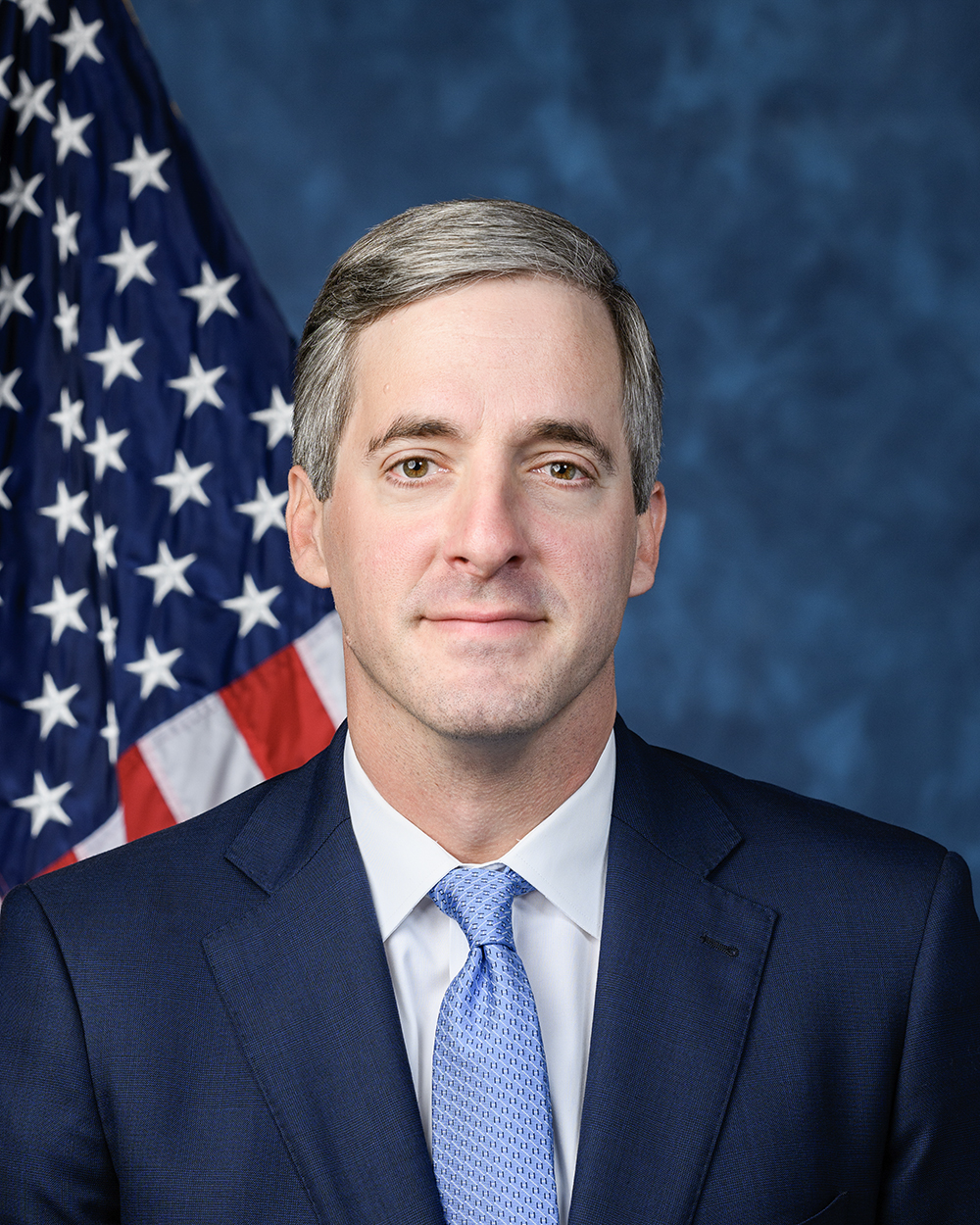
Darline Graham
Darline Graham Senate
R
Strong +
82% 11
Peter Welch
Peter Welch Senate
D
Strong +
81% 27
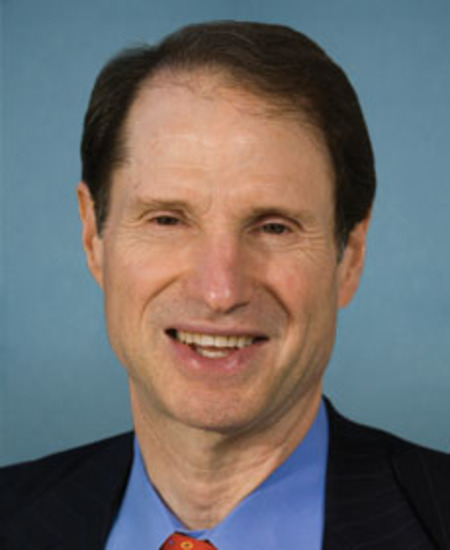
Ron Wyden
Ron Wyden Senate
D
Support
78% 27
Alex Padilla
Alex Padilla Senate
D
Support
77% 26
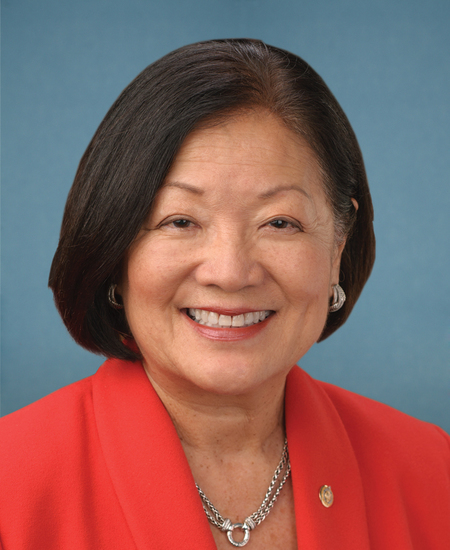
Mazie K. Hirono
Mazie K. Hirono Senate
D
Support
74% 27
Rick Scott
Rick Scott Senate
R
Strong −
19% 27
Ashley Moody
Ashley Moody Senate
R
Oppose
22% 27
Rand Paul
Rand Paul Senate
R
Oppose
22% 27
Brad Knott
Brad Knott House · District 13
R
Oppose
28% 18
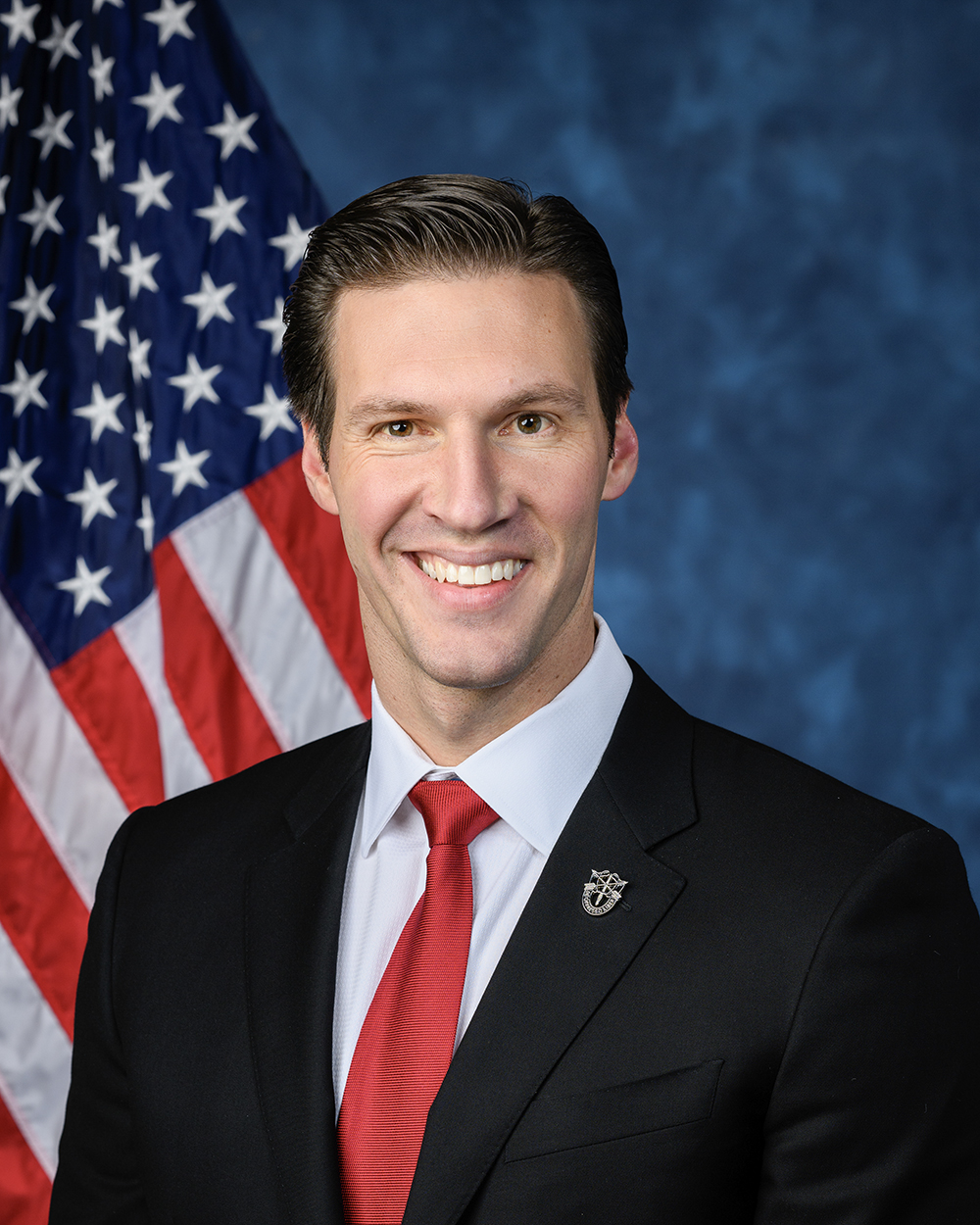
Pat Harrigan
Pat Harrigan House · District 10
R
Oppose
28% 18
Showing 671–680 of 2,910 bills

All healthcare bills

in committee · United States · Senate May 14, 2026

SRES 732: A resolution expressing the sense of the Senate that over 25 years of real-world evidence and hundreds of peer-reviewed studies proving that mifepristone is safe and effective should be respected, and law and policy governing access to lifesaving, time-sensitive medication abortion care in the United States should be equitable, transparent, and based on the best available peer-reviewed evidence-based science.

This Senate resolution expresses the non-binding opinion that federal laws regarding medication abortion should rely on scientific evidence rather than political influence. It specifically calls for the FDA to maintain its approval of mifepristone, a drug proven safe and effective over 25 years, and to allow patients to access it through telemedicine or mail-order pharmacies. The measure highlights that current restrictions disproportionately harm marginalized communities, including people of color, low-income individuals, and those in rural areas. By stating these points, the resolution aims to encourage policymakers to ensure equitable and transparent access to abortion care based on medical consensus.
in committee · United States · Senate May 13, 2026

S 4514: Corrections Officer Blake Schwarz Suicide Prevention Act of 2026

The Corrections Officer Blake Schwarz Suicide Prevention Act of 2026 establishes a federal grant program to help states, localities, and the Bureau of Prisons implement mental health screening surveys for corrections officers. These surveys are designed to confidentially identify symptoms of mental illnesses such as depression and bipolar disorder, with positive results automatically triggering a referral to local mental health providers. The legislation also requires the creation of mental health outreach teams to coordinate care and ensures that officers seeking treatment are protected from adverse employment actions. An independent Advisory Board will oversee the program, approve state and local plans, and monitor the use of the authorized funding, which totals $200 million over five years.
in committee · United States · Senate Apr 30, 2026

S 4467: Ensuring Seniors’ Access to Quality Care Act

Ensuring Seniors' Access to Quality Care Act This bill repeals certain restrictions under Medicare and Medicaid that prohibit the approval of nurse-aide training and competency evaluation programs in skilled nursing facilities that have been subject to specified regulatory actions (e.g., civil penalties) for substandard quality of care. The Centers for Medicare & Medicaid Services (CMS) must still disapprove such programs for up to two years; however, the CMS must rescind the disapproval upon completion of corrective action and may require additional oversight of the program for purposes of rescission. The bill also allows Medicaid and Medicare providers (e.g., skilled nursing facilities) to access, through the National Practitioner Data Bank, disciplinary information for affiliated physicians and other health care practitioners, as reported by state licensing authorities.
in committee · United States · Senate May 11, 2026

S 4481: IMPACT to Save Moms Act

The IMPACT to Save Moms Act authorizes a five-year demonstration project from 2027 to 2031 to test new payment models for maternity care under Medicaid and state child health plans. This initiative requires the federal government to work with various stakeholders, including hospitals, providers, and community organizations, to design systems that improve health outcomes for pregnant individuals, with a specific focus on groups facing higher risks of poor maternal health. The proposed models must include methods to adjust payments based on pregnancy risk, consider non-hospital birth settings, and ensure care teams include diverse professionals trained to address implicit bias. Additionally, the bill mandates that the project be evaluated using data on health outcomes and costs, with a final report submitted to Congress to determine if the program should be expanded nationally.
passed · United States · Senate Aug 10, 2026

S 4472: Accelerating Access to Critical Therapies for ALS Reauthorization Act of 2026

This bill extends the funding authorization for the Accelerating Access to Critical Therapies for ALS Act from 2026 to 2031, ensuring continued financial support for research into treatments for amyotrophic lateral sclerosis. It requires the Food and Drug Administration to review clinical trial data more rigorously by assessing patient enrollment numbers and requesting interim results from drug manufacturers before renewing research grants. Additionally, the legislation clarifies that clinical trials in phase 3 include combined phase 2/3 studies and planned trials that have not yet started enrolling participants. The bill also mandates the FDA to publish a report within a year of enactment detailing its progress on rare neurodegenerative disease action plans and how it coordinates with broader disease communities. Finally, it adjusts the timeline for a Government Accountability Office report to cover a five-year period instead of four.
in committee · United States · House May 4, 2026

HR 8657: Campus Lifeline Act of 2026

The Campus Lifeline Act of 2026 amends federal health laws to expand mental health support for students and youth. It directs support for student groups on college campuses, such as athletic teams and mental health clubs, to educate peers and intervene when warning signs of mental health or substance use disorders appear. The legislation also requires states and institutions of higher education to list the 988 suicide prevention hotline on newly issued identification cards. Furthermore, it mandates that federal agencies coordinate with the Department of Education and Transportation to create public awareness plans for the 988 hotline.
in committee · United States · House Apr 16, 2026

HRES 1187: Supporting the designation of the week of August 24 through August 28, 2026, as the fourth annual "National Community Health Worker Awareness Week".

This House Resolution supports designating August 24 through August 28, 2026, as the fourth annual "National Community Health Worker Awareness Week." It aims to recognize the significant contributions of community health workers to health and social care systems across the United States and encourages efforts to raise public awareness of their important role.
in committee · United States · House May 7, 2026

HR 8372: El Paso VA Medical Center Activation Readiness Act of 2026

The El Paso VA Medical Center Activation Readiness Act of 2026 requires the Secretary of Veterans Affairs to provide a briefing to key congressional committees within 180 days of the bill becoming law. This briefing focuses on the readiness of the new VA medical center under construction in El Paso, Texas, directly affecting its future operations and the veterans it will serve. It mandates detailed information on staffing requirements, recruitment plans, the timeline for acquiring and installing medical equipment, and the specialty care services to be offered. The briefing must also cover plans for coordinating with Department of Defense facilities and addressing access and travel issues for veterans in the region.
in committee · United States · House Apr 15, 2026

HR 8295: Protecting Families from Fertility Fraud Act of 2026

HR 8295, the Protecting Families from Fertility Fraud Act of 2026, creates a new federal crime for knowingly misrepresenting the nature or source of DNA used in assisted reproductive technology or assisted insemination. This directly affects fertility clinics, practitioners, and patients undergoing such procedures. Individuals found guilty could face up to 10 years in prison, a fine, or both. The bill defines federal jurisdiction for these offenses, primarily involving interstate commerce, and extends the statute of limitations to 10 years after identification through DNA testing. It also adds this new crime to the list of "racketeering activities" under federal law.
Sub-Topics Corrections
in committee · United States · House Apr 15, 2026

HR 8310: Patient Safety and Whistleblower Protections Act

The Patient Safety and Whistleblower Protections Act aims to protect healthcare practitioners from retaliation by healthcare facilities when they report patient safety concerns. The bill prohibits facilities from taking adverse employment actions against practitioners who communicate issues such as quality of care, staffing, or equipment sufficiency to supervisors, state authorities, government officials, or, after 90 days, the news media. It allows practitioners to file individual or class action lawsuits for retaliation, seeking actual damages, attorney's fees, and punitive damages. Additionally, the bill voids contractual provisions that restrict reporting patient safety concerns and requires Medicare-participating facilities to establish anonymous reporting mechanisms and investigation processes.
Sub-Topics Medicare
Showing 671 to 680 of 2,910 bills
Previous 1 … 67 68 69 … 291 Next