Issue · Healthcare

Healthcare

Every healthcare bill, vote, and legislator stance in United States, automatically classified by Maddy, our AI policy reader.

Total bills
2,910
119th Congress
Top supporter
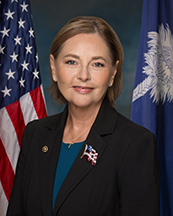
Darline Graham
82% support rate
Top opponent
Rick Scott
19% support rate
Ranked legislators
10
5 support · 5 oppose
Key legislators

Who's moving healthcare in United States

Legislators moving healthcare in United States
Legislator Party Stance Support rate Decisive votes
Darline Graham
Darline Graham Senate
R
Strong +
82% 11
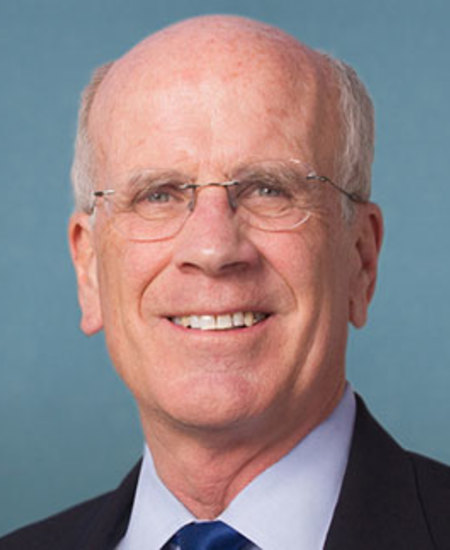
Peter Welch
Peter Welch Senate
D
Strong +
81% 27
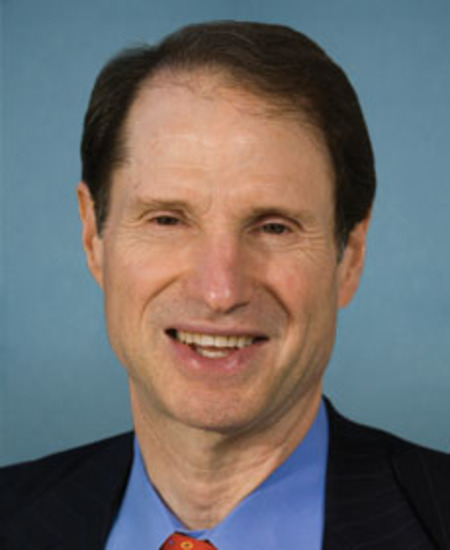
Ron Wyden
Ron Wyden Senate
D
Support
78% 27
Alex Padilla
Alex Padilla Senate
D
Support
77% 26
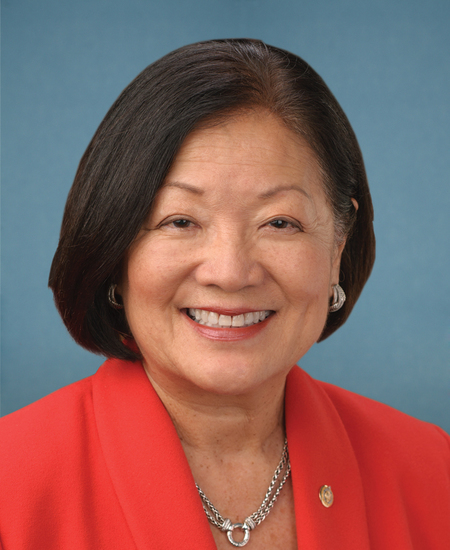
Mazie K. Hirono
Mazie K. Hirono Senate
D
Support
74% 27
Rick Scott
Rick Scott Senate
R
Strong −
19% 27
Ashley Moody
Ashley Moody Senate
R
Oppose
22% 27
Rand Paul
Rand Paul Senate
R
Oppose
22% 27
Brad Knott
Brad Knott House · District 13
R
Oppose
28% 18
Pat Harrigan
Pat Harrigan House · District 10
R
Oppose
28% 18
Showing 601–610 of 2,910 bills

All healthcare bills

in committee · United States · House May 29, 2026

HRES 1327: Supporting the designation of May 2026 as "Borderline Personality Disorder Awareness Month".

This resolution formally designates May 2026 as Borderline Personality Disorder Awareness Month to highlight the condition and reduce associated stigma. The bill does not allocate funding or change laws, but rather expresses the House of Representatives' support for raising public awareness about BPD. By recognizing the month, the resolution aims to encourage education and compassion for the millions of Americans affected by this mental health condition.
Sub-Topics Mental Health
in committee · United States · Senate Apr 30, 2026

SRES 710: A resolution recognizing Maternal Mental Health Day to raise awareness about maternal mental health.

This Senate resolution formally recognizes Maternal Mental Health Day on the first Wednesday of May to raise awareness about mental health issues affecting new mothers. It highlights the prevalence of these conditions, noting that they are common complications of pregnancy that often go undiagnosed and can negatively impact both mothers and their children. The bill calls for increased public education on risk factors and symptoms, honors the challenges mothers face, and encourages further research and provider training to improve treatment options.
in committee · United States · House May 11, 2026

HR 8726: PARTNERS Act of 2026

The PARTNERS Act of 2026 allows individual states to directly enforce rules governing Medicare Advantage plans sold within their borders. Under this legislation, state officials would have the authority to require insurance companies to comply with federal standards for these plans, rather than relying solely on federal agencies. The bill also mandates that the federal government coordinate its enforcement efforts with states and permits the creation of collaborative agreements to streamline oversight. This change directly affects state regulators, Medicare Advantage insurers, and the federal Centers for Medicare & Medicaid Services by shifting some enforcement responsibilities to the states.
Sub-Topics Medicaid Medicare
in committee · United States · House May 22, 2026

HR 9015: Physician Education for Fistula Treatment Act

This bill, known as the Physician Education for Fistula Treatment Act, aims to prevent and treat obstetric fistula, a serious childbirth injury caused by prolonged labor without medical care, primarily affecting women in the world's poorest nations. It authorizes funding to train and retain obstetrician-gynecologists and urogynecology specialists in least developed countries through new fellowship programs, residency training, and specialized medical centers. Additionally, the legislation requires the President to create a comprehensive ten-year strategy to address the shortage of physicians in these regions, focusing on prevention, treatment, and strengthening local health infrastructure. The bill also mandates that relevant government agencies submit annual reports to Congress on the progress and effectiveness of these international health initiatives.
Sub-Topics Women's Health
in committee · United States · House Apr 30, 2026

HRES 1249: Unhoused Persons Bill of Rights

This resolution expresses the House of Representatives' sense that the United States must permanently end the unhoused crisis by 2029 while protecting the civil and human rights of unhoused individuals. It calls for specific actions such as allocating billions of dollars in funding for affordable housing, expanding access to healthcare and food assistance, and removing barriers that prevent people with criminal records from receiving public services. The text also urges the government to decriminalize behaviors like sleeping in public or panhandling, prohibit discrimination based on housing status, and establish legal protections for those providing services to unhoused communities. Additionally, it requests the creation of more accurate methods for counting the unhoused population and mandates annual reports on law enforcement interactions with this population.
in committee · United States · House Apr 27, 2026

HR 8526: To amend the Public Health Service Act to update quality standards for mammography facilities for the use of AI systems, and for other purposes.

This bill updates federal quality standards for mammography facilities to allow artificial intelligence systems to perform duties currently reserved for physicians. Specifically, it permits AI to interpret mammograms and removes the requirement for a physician to sign off on the results. The changes directly affect healthcare providers and facilities that use or plan to use AI technology in breast cancer screening. By amending the Public Health Service Act, the legislation modernizes regulations to accommodate advancements in machine learning while maintaining oversight of diagnostic processes.
in committee · United States · House Apr 27, 2026

HR 8504: Rural Health Resilience Act of 2026

The Rural Health Resilience Act of 2026 creates a new program to provide loans and loan guarantees to struggling health facilities in rural areas to prevent them from closing or cutting essential services. This assistance is available to various types of rural hospitals, clinics, and behavioral health centers that demonstrate financial distress through metrics like low operating margins or insufficient cash reserves. The funds can be used for facility repairs, covering operational costs such as payroll and supplies, paying down debt, or bridging gaps in insurance reimbursements. Additionally, the program prioritizes support for sole community providers and areas with high poverty rates, and requires the Secretary of Agriculture to report on the program's outcomes to Congress within 18 months.
Sub-Topics Hospitals Mental Health Tags Rural Communities
in committee · United States · House Apr 23, 2026

HR 8484: Hazard Pay for Health Care Heroes Act

The Hazard Pay for Health Care Heroes Act establishes a grant program to provide financial compensation and safety resources to essential health care workers during declared emergencies or disasters. This legislation directly affects medical providers, support staff, and other frontline workers whose jobs cannot be performed remotely, such as orderlies and janitors in health care settings. Under the bill, eligible facilities can receive federal funds to pay workers an additional hourly rate of up to $13 for hazardous duties, with a yearly cap of $25,000 per employee, while also allowing funds for protective equipment and alternative transportation. The program is triggered by various federal or state emergency declarations and authorizes the necessary funding to implement these hazard pay measures.
passed · United States · House Jul 21, 2026

HR 8823: Putting Patients First by Strengthening Provider Accountability in FECA Act

This bill, known as the Putting Patients First by Strengthening Provider Accountability in FECA Act, aims to improve oversight of healthcare providers who receive payments under the Federal Employees Health Benefits program. It directly affects medical service providers, suppliers, and the Department of Labor by introducing a new rule that allows the Secretary of Labor to suspend payments to any provider convicted of fraud in this program, federal health care benefit programs, or similar state programs. The law requires the Secretary to issue regulations to enforce this suspension authority and specifies that the changes will take effect 180 days after the bill is enacted.
Sub-Topics Medicare
in committee · United States · House Apr 28, 2026

HR 8545: Access to Donor Milk Act of 2026

The Access to Donor Milk Act of 2026 expands federal support for nonprofit organizations that collect, test, and distribute pasteurized donor human milk. It amends existing child nutrition laws to allow state agencies to use funds for storing unprocessed milk donations and transferring them to these nonprofit banks. Additionally, the bill authorizes competitive grants to help these banks increase their capacity during declared disasters or public health emergencies. The legislation also requires the Department of Health and Human Services to launch a public awareness campaign educating parents and medical professionals about the benefits and safety of donor milk. Finally, it mandates that the Secretary of Health and Human Services convene a public meeting and issue draft safety standards for the collection and processing of donor human milk within 18 months of enactment.
Sub-Topics Public Health
Showing 601 to 610 of 2,910 bills
Previous 1 … 60 61 62 … 291 Next