Issue · Healthcare

Healthcare

Every healthcare bill, vote, and legislator stance in United States, automatically classified by Maddy, our AI policy reader.

Total bills
2,841
119th Congress
Top supporter
Christopher Murphy
81% support rate
Top opponent
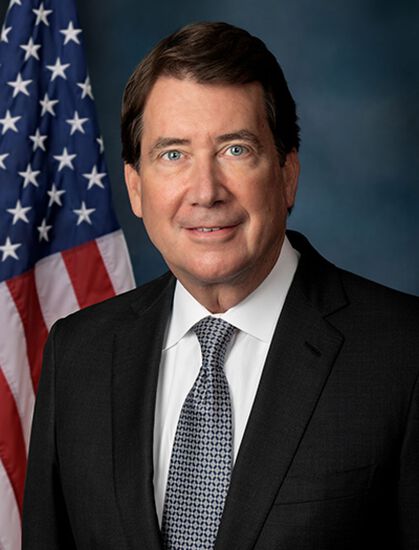
Bill Hagerty
13% support rate
Ranked legislators
10
5 support · 5 oppose
Key legislators

Who's moving healthcare in United States

Legislators moving healthcare in United States
Legislator Party Stance Support rate Votes
Christopher Murphy
Christopher Murphy Senate
D
Strong +
81% 221
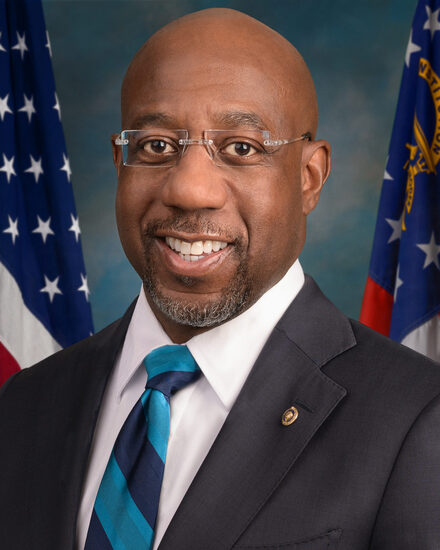
Raphael G. Warnock
Raphael G. Warnock Senate
D
Strong +
81% 222
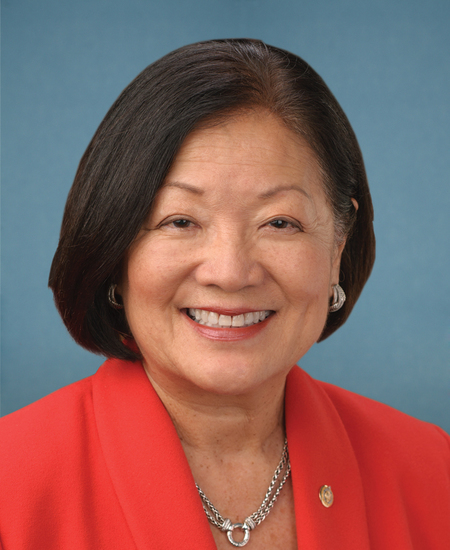
Mazie K. Hirono
Mazie K. Hirono Senate
D
Support
76% 223
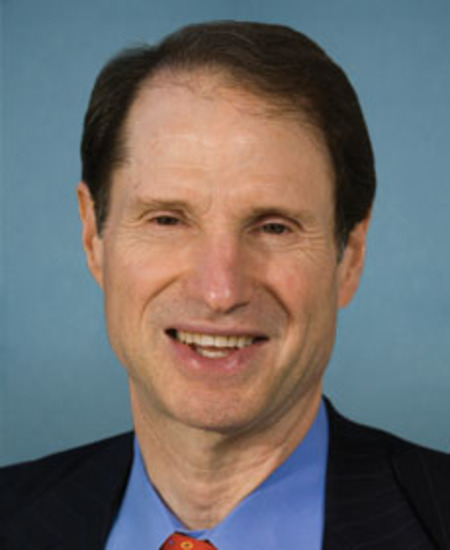
Ron Wyden
Ron Wyden Senate
D
Support
76% 223
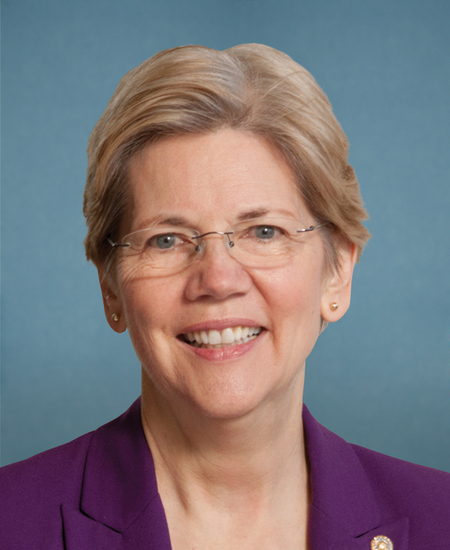
Elizabeth Warren
Elizabeth Warren Senate
D
Support
76% 223
Bill Hagerty
Bill Hagerty Senate
R
Strong −
13% 218
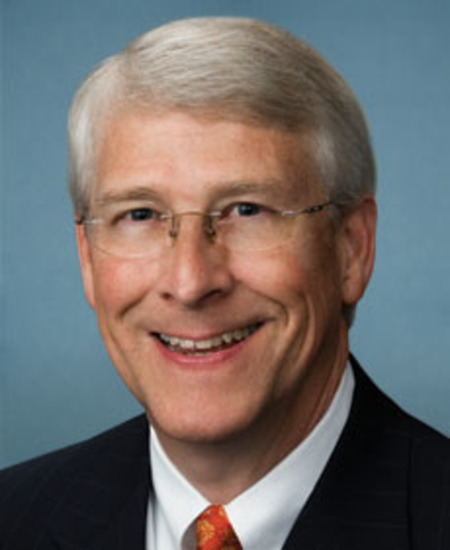
Roger F. Wicker
Roger F. Wicker Senate
R
Strong −
13% 220
James C. Justice
James C. Justice Senate
R
Strong −
19% 216
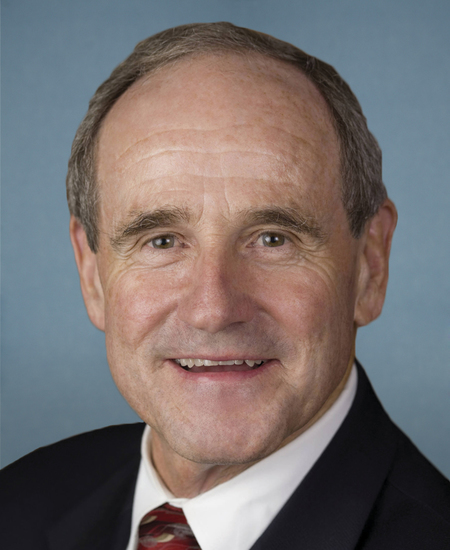
James E. Risch
James E. Risch Senate
R
Strong −
19% 221
Mitch McConnell
Mitch McConnell Senate
R
Strong −
19% 197
Showing 51–60 of 2,841 bills

All healthcare bills

in committee · United States · House Aug 31, 2026

HRES 1503: Supporting the goals of Overdose Awareness Day and strengthening efforts to combat the opioid crisis in the United States.

This House resolution formally recognizes Overdose Awareness Day in the United States and calls for strengthened efforts to combat the opioid crisis. It directs the House of Representatives to pursue bipartisan legislation aimed at reducing the stigma associated with substance use disorders and drug overdoses. Additionally, the bill commits lawmakers to work with state and local governments, businesses, and health care providers to build a comprehensive system that supports prevention, treatment, harm reduction, and recovery for individuals affected by opioid use disorder.
Sub-Topics Substance Abuse
in committee · United States · House Aug 31, 2026

HR 10185: Part D Premium Protection Act of 2026

The Part D Premium Protection Act of 2026 would establish a temporary premium credit for Medicare Part D prescription drug plan enrollees in 2027. This credit is designed to match the average premium reduction observed during the Part D Premium Stabilization Demonstration program between January 1, 2025, and the end of 2026. Under the bill's provisions, insurance sponsors would charge enrollees their standard premiums minus this specific credit amount, with the floor set at zero dollars. The Secretary of Health and Human Services would then reimburse the sponsors for the difference between the charged premium and the full applicable rate.
in committee · United States · House Aug 27, 2026

HRES 1491: Expressing support for the designation of the week of August 25 through August 31, 2026, as "Black Breastfeeding Week".

This House resolution expresses support for designating the week of August 25 through August 31, 2026, as "Black Breastfeeding Week" to raise awareness about racial disparities in maternal and infant health. The bill highlights data showing that Black mothers face higher barriers to breastfeeding and experience significantly higher infant mortality rates compared to White mothers. It calls on Congress to support policies that provide affordable healthcare, paid parental leave, and safe workplace accommodations for nursing mothers. Additionally, the resolution urges lawmakers to address broader systemic issues such as housing, transportation, and economic opportunity to improve health outcomes in Black communities.
in committee · United States · House Aug 20, 2026

HR 10134: Local Health Care Protection Act of 2026

The Local Health Care Protection Act of 2026 allows certain hospitals to continue participating in the federal drug discount program, known as Section 340B, even if they no longer meet specific financial thresholds related to serving low-income patients. This provision applies to hospitals that were already eligible for the program on July 3, 2025, and protects their access to discounted medications through cost reporting periods ending by September 30, 2030. The bill directly affects rural and underserved hospitals that may lose eligibility due to changes in Medicaid funding or Medicare payment formulas. Additionally, it requires the Government Accountability Office to conduct a study within one year on how these financial criteria are calculated and how declining payments impact essential health services in rural areas.
in committee · United States · House Sep 3, 2026

HR 10274: Partnerships for Better Health Act

The Partnerships for Better Health Act directs the Secretaries of Health and Human Services and Agriculture to establish a grant program that funds local coalitions to integrate chronic disease prevention, management, and social support services. Eligible lead entities, such as community health centers, nonprofit hospitals, and food banks, must partner with clinical, nutritional, and public health organizations to deliver coordinated care, nutrition education, and "Food is Medicine" programs. Grant priority is given to communities facing high chronic disease prevalence, food insecurity, or persistent poverty, while recipients are required to serve populations with incomes at or below 200 percent of the federal poverty line. The bill authorizes $15 million annually for fiscal years 2027 through 2031 and mandates that grantees use evidence-based models and report on specific health, social, and utilization outcomes.
in committee · United States · Senate Aug 5, 2026

S 5261: FIRE Cancer Act of 2026

The FIRE Cancer Act of 2026 authorizes $700 million in federal grants to establish cancer prevention programs specifically for firefighting personnel. These funds are designated to cover the costs of multi-cancer early detection testing or other preventative screenings, with a limit of $1,750 per individual test. Additionally, the bill requires the Federal Emergency Management Agency (FEMA) and the Centers for Disease Control and Prevention (CDC) to create a voluntary program where firefighters can share their anonymized test results to help identify broader cancer trends and causes within the profession.
in committee · United States · Senate Aug 7, 2026

S 5364: Rural Mothers and Fathers Choice Act

The Rural Mothers and Fathers Choice Act establishes a ten-year federal grant program administered by the Department of Health and Human Services to support families in rural and tribal communities through integrated education, health, and workforce services. The bill authorizes up to six implementation grants of $6 million per year each, awarded to nonprofit organizations or tribal governments that operate "hub and spoke" sites to deliver coordinated services such as early childhood education, literacy tutoring, mental health care, and job training. Recipients must partner with local schools, healthcare providers, and economic development agencies, while a Family Advisory Council composed largely of local parents oversees the program’s budget and planning. To ensure long-term sustainability, grantees are required to provide increasing levels of matching funds over the decade, starting with no match for the first three years and rising to 20 percent by the final year.
Sub-Topics Early Childhood Mental Health Tags Families Rural Communities Tribal Nations
in committee · United States · House Aug 13, 2026

HR 10093: Cancer Research Trust Fund Act

The Cancer Research Trust Fund Act establishes a dedicated trust fund within the Treasury to support cancer research initiatives. The fund is financed by allocating ten percent of the gross duties collected on imported tobacco and tobacco substitute products each fiscal year. These funds are transferred to the Secretary of Health and Human Services, who coordinates with the Department of Defense to conduct critical research into early screening, prevention, treatments, and innovative therapies. The legislation specifically directs that this research prioritize rare cancers and those affecting pediatric populations.
Sub-Topics Children's Health
in committee · United States · House Aug 13, 2026

HR 10087: Cancer Care Planning and Communications Act

The Cancer Care Planning and Communications Act amends Medicare rules to cover new "cancer care planning and coordination services" for beneficiaries diagnosed with cancer. These services require a physician, nurse practitioner, or physician assistant to create a written or electronic treatment plan that addresses medical needs, cultural preferences, and follow-up care at key stages such as diagnosis, the end of active treatment, or disease recurrence. To support this requirement, the bill establishes a specific payment rate for these planning visits, setting it equal to the existing reimbursement for transitional care management services.
in committee · United States · Senate Aug 5, 2026

S 5246: MATCH IT Act of 2026

The MATCH IT Act of 2026 directs the Department of Health and Human Services to create a uniform definition for patient match rates and establish a minimum data set required to accurately link patients with their medical records. These new standards would be integrated into federal health information technology certification criteria and Medicare interoperability program requirements, affecting electronic health record vendors and healthcare providers participating in these programs. To encourage adoption, the bill introduces a voluntary bonus measure within the Medicare Promoting Interoperability Program that allows eligible providers to receive payment adjustments for achieving high patient match rates, such as 90 percent or higher. Additionally, the legislation mandates the creation of an anonymous reporting program where providers can submit matching accuracy data to help the government monitor progress and adjust incentive thresholds over time.
Sub-Topics Medicare
Showing 51 to 60 of 2,841 bills
Previous 1 5 6 7 285 Next