Issue · Healthcare

Healthcare (Medicare)

Every healthcare bill, vote, and legislator stance in United States, automatically classified by Maddy, our AI policy reader.

Total bills
591
119th Congress
Top supporter
Christopher Murphy
88% support rate
Top opponent
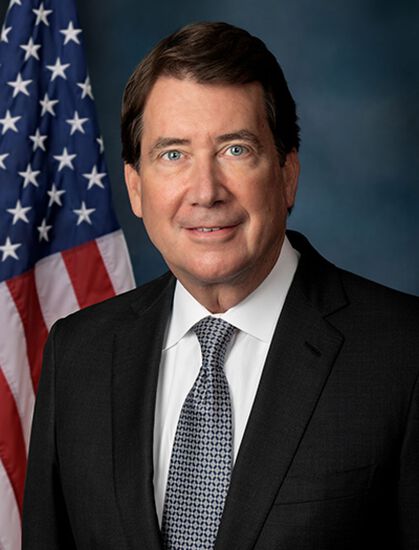
Bill Hagerty
12% support rate
Ranked legislators
10
5 support · 5 oppose
Key legislators

Who's moving medicare in United States

Legislators moving medicare in United States
Legislator Party Stance Support rate Decisive votes
Christopher Murphy
Christopher Murphy Senate
D
Strong +
88% 8
Adam B. Schiff
Adam B. Schiff Senate
D
Support
78% 9
Alex Padilla
Alex Padilla Senate
D
Support
78% 9
Amy Klobuchar
Amy Klobuchar Senate
D
Support
78% 9
Andy Kim
Andy Kim Senate
D
Support
78% 9
Bill Hagerty
Bill Hagerty Senate
R
Strong −
12% 8
Mitch McConnell
Mitch McConnell Senate
R
Strong −
12% 8
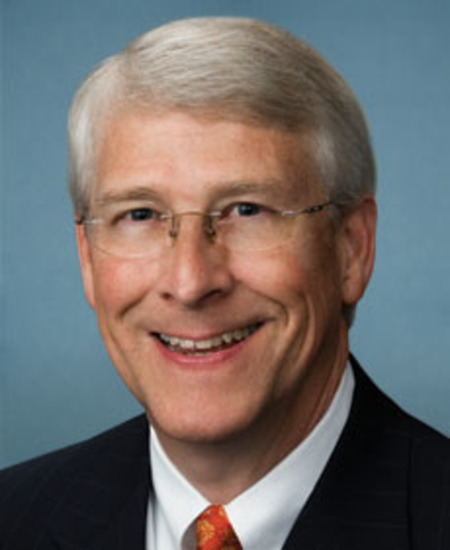
Roger F. Wicker
Roger F. Wicker Senate
R
Strong −
12% 8
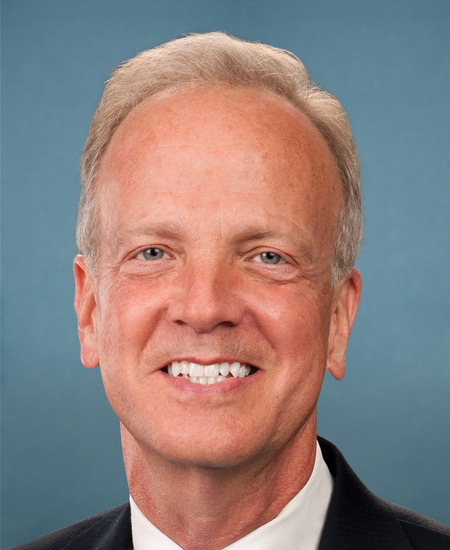
Jerry Moran
Jerry Moran Senate
R
Strong −
14% 7
Ashley Moody
Ashley Moody Senate
R
Oppose
22% 9
Showing 521–530 of 591 bills

All healthcare bills

in committee · United States · House Jun 10, 2025

HR 3864: Protecting Health Care for All Patients Act of 2025

This bill prohibits federal health programs (including Medicare, Medicaid, and CHIP) from using quality-adjusted life years (QALYs) or similar metrics to deny coverage, limit payments, or set incentives for care. It directly affects patients with disabilities, elderly individuals, or those with terminal illnesses, who may have faced reduced care access under such metrics. Key provisions ban QALY-based decisions in coverage determinations starting January 1, 2027, and require states and insurers to comply. The bill also mandates a report on how QALYs negatively impact access to care for people with intellectual and developmental disabilities.
Sub-Topics Long-Term Care Medicaid Medicare Tags People with Disabilities
in committee · United States · House Feb 26, 2026

HR 7727: Sustaining Rural Healthcare Act

HR 7727, the Sustaining Rural Healthcare Act, creates a new "Critical Access in Character" designation to help rural hospitals facing closure risk maintain Medicare reimbursement rates. It allows the Secretary of Health and Human Services to designate qualifying hospitals (located in rural areas, serving underserved communities, with high Medicare use, and at risk of reduced services) as eligible for payment rates equivalent to Critical Access Hospitals (CAHs). Hospitals receive this designation for up to three years to stabilize financially and operationally, with renewal possible only for good cause. The bill directly affects rural hospitals at risk of closing, ensuring continued access to essential health services for patients in those communities. This policy change modifies Medicare reimbursement rules without altering existing CAH status.
Sub-Topics Hospitals Medicare Telehealth Tags Rural Communities
in committee · United States · Senate Dec 18, 2025

S 3560: Closing the Contraception Coverage Gap Act

The Closing the Contraception Coverage Gap Act requires Medicare Part B, Part C, and Part D to cover all FDA-approved contraceptive items and services at no cost-sharing starting January 1, 2027. This includes not just contraceptive methods themselves but also related clinical services like counseling, examinations, device insertion, and follow-up care. The bill ensures dual-eligible Medicare and Medicaid beneficiaries receive contraceptive coverage that matches Medicaid's comprehensiveness. It also mandates two studies on contraceptive coverage gaps, with reports to Congress within 1-2 years.
in committee · United States · Senate Jun 12, 2025

S 2072: MORE Savings Act

The MORE Savings Act eliminates copays and deductibles for opioid treatment under Medicare, private health plans, and Medicaid. It requires Medicare beneficiaries to have no out-of-pocket costs for opioid treatment drugs, behavioral health services, and recovery support (like peer counseling and transportation). Private health plans must cover these services without cost-sharing starting in 2027, and Medicaid states get a 90% federal match for medication-assisted treatment. The bill directly affects Medicare beneficiaries, private insurance enrollees, and Medicaid recipients seeking opioid use disorder treatment.
in committee · United States · Senate Mar 27, 2025

S 1186: Lower Drug Costs for Families Act

This bill modifies how Medicare calculates rebates for certain drugs to potentially lower costs for beneficiaries. It changes the reference year for rebate calculations from 2021 back to 2016 for both Medicare Part B (outpatient drugs) and Part D (prescription drug coverage) programs. The bill also adjusts how drug units are counted for rebates, excluding units paid for through state Medicaid programs or other existing rebate programs. These changes apply to Part B rebates starting January 2026 and Part D rebates starting October 2025. The policy directly affects drug manufacturers who pay Medicare rebates and impacts Medicare beneficiaries through potential cost reductions in covered drugs.
in committee · United States · House Sep 18, 2025

HR 5496: HEALTH Act of 2025

This bill permanently expands Medicare telehealth coverage for Federally Qualified Health Centers (FQHCs) and Rural Health Clinics (RHCs). It allows audio-only telehealth visits (not requiring video) to be covered under Medicare and removes the previous rule requiring patients to be at specific locations (like clinics) to access these services. As a result, Medicare beneficiaries in rural or underserved areas served by FQHCs/RHCs can now receive covered telehealth care from any location, including their homes, without location restrictions. The bill also ensures these clinics receive standard reimbursement rates for telehealth services, treating them the same as in-person visits for payment purposes.
in committee · United States · Senate Jan 24, 2025

S 249: Access to Pediatric Technologies Act of 2025

This bill requires Medicare to establish national payment rates for qualifying pediatric medical devices when manufacturers request it. It directly affects device manufacturers and Medicare by creating a formal process to set these rates, which are used to reimburse doctors for using these devices. Key provisions include a timeline for requests (by May 1 annually), requiring manufacturers to submit data like pricing and claims information, and defining qualifying devices as those approved for pediatric use in procedures predominantly for children or specifically designed for them. The bill does not change Medicare coverage requirements but streamlines payment rate establishment for existing approved devices.
in committee · United States · House Jun 6, 2025

HR 3808: Expanding Seniors Access to Mental Health Services Act

This bill expands Medicare coverage for mental health services provided by clinical social workers to seniors in skilled nursing facilities. It removes an exclusion that previously prevented these services from being covered under Medicare's skilled nursing facility payment system. The bill specifically adds defined mental health service codes (including those for assessment and treatment) to Medicare's coverage, ensuring seniors can access these services without additional barriers. These changes will take effect for services provided on or after January 1, 2026.
Sub-Topics Long-Term Care Medicare Mental Health Tags Seniors
in committee · United States · House Mar 14, 2025

HR 2114: Block Organ Transplant Purchases from China Act of 2025

This bill prohibits federal health programs (Medicare, Medicaid) and private health insurance from covering organ transplants originating in China or not procured through the U.S. Organ Procurement Network, effective January 1, 2026. It defines a "prohibited organ transplant" as one performed in China or using organs not sourced via the U.S. network, including follow-up care like lab tests or drugs. Exceptions only apply to life-saving services provided *after* such a transplant. The law also imposes criminal penalties (up to 2 years in prison) and civil penalties (three times the cost) for violations.
in committee · United States · House Feb 26, 2025

HR 1614: To amend title XVIII of the Social Security Act to expand practitioners eligible to furnish telehealth services under the Medicare program.

HR 1614 would amend Section 1834(m)(4)(E) of the Social Security Act to expand which healthcare providers can offer telehealth services to Medicare beneficiaries. The bill directly affects Medicare patients and current healthcare providers (like nurse practitioners, physician assistants, and clinical psychologists) who are currently excluded from providing telehealth under Medicare. The key change is modifying the legal language to explicitly include these additional providers in the list of eligible telehealth furnishers. This policy change would allow more Medicare beneficiaries to access telehealth services from a broader range of qualified healthcare professionals.
Showing 521 to 530 of 591 bills
Previous 1 … 52 53 54 … 60 Next