Issue · Healthcare

Healthcare (Medicare)

Every healthcare bill, vote, and legislator stance in United States, automatically classified by Maddy, our AI policy reader.

Total bills
591
119th Congress
Top supporter
Christopher Murphy
88% support rate
Top opponent
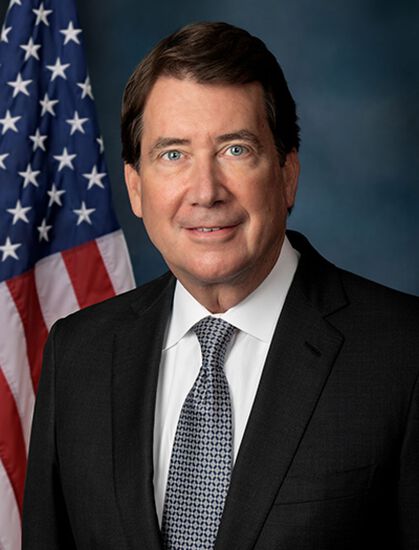
Bill Hagerty
12% support rate
Ranked legislators
10
5 support · 5 oppose
Key legislators

Who's moving medicare in United States

Legislators moving medicare in United States
Legislator Party Stance Support rate Decisive votes
Christopher Murphy
Christopher Murphy Senate
D
Strong +
88% 8
Adam B. Schiff
Adam B. Schiff Senate
D
Support
78% 9
Alex Padilla
Alex Padilla Senate
D
Support
78% 9
Amy Klobuchar
Amy Klobuchar Senate
D
Support
78% 9
Andy Kim
Andy Kim Senate
D
Support
78% 9
Bill Hagerty
Bill Hagerty Senate
R
Strong −
12% 8
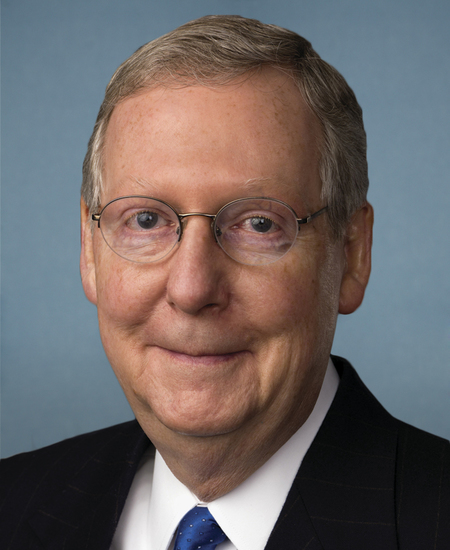
Mitch McConnell
Mitch McConnell Senate
R
Strong −
12% 8
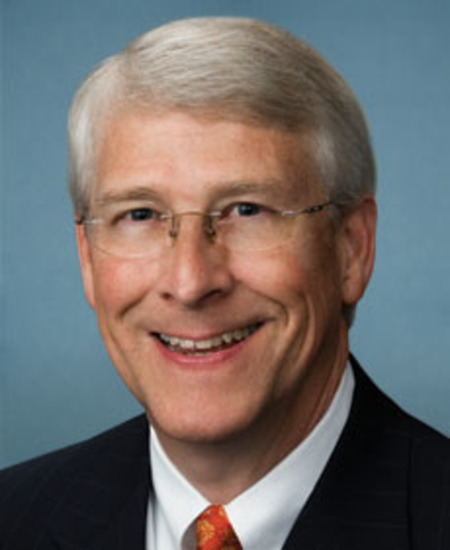
Roger F. Wicker
Roger F. Wicker Senate
R
Strong −
12% 8
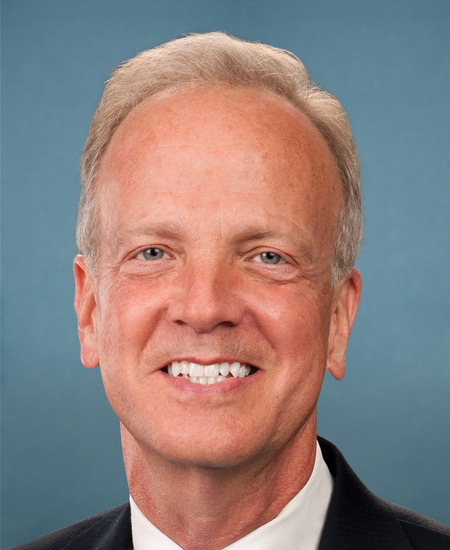
Jerry Moran
Jerry Moran Senate
R
Strong −
14% 7
Ashley Moody
Ashley Moody Senate
R
Oppose
22% 9
Showing 501–510 of 591 bills

All healthcare bills

in committee · United States · Senate Jan 15, 2026

S 3688: RURAL Rate Act

This bill (S 3688, RURAL Rate Act) increases Medicare reimbursement rates for healthcare providers in certain rural areas. It requires the Medicare program to set a minimum floor of 1.67 for practice expense and work geographic payment indices after January 1, 2026, if the standard calculation would produce a lower rate. This directly affects doctors and clinics in designated rural locations that currently receive lower Medicare payments due to geographic pricing. The change ensures these providers receive at least 1.67 times the standard rate for services, aiming to address historical underpayment. The policy applies to Medicare Part B payments for services furnished in qualifying rural areas starting in 2026.
Sub-Topics Hospitals Medicare Telehealth Tags Rural Communities
in committee · United States · Senate Dec 16, 2025

S 3512: Medicare Investment and Gun Violence Prevention Act

This bill reinstates $200 transfer and manufacturing taxes on most firearms (replacing reduced rates from prior law) and maintains a $5 tax for "other weapons," affecting firearm manufacturers and dealers. It also adds $1.7 billion to the Medicare Part A trust fund for fiscal year 2026 to support hospital insurance costs. The tax changes apply 90 days after enactment, while the Medicare funding is available until expended. The bill directly impacts firearms industry costs and provides dedicated funding for Medicare's hospital insurance program.
Sub-Topics Hospitals Medicare
in committee · United States · Senate Jul 30, 2025

S 2556: Protecting Health Care and Lowering Costs Act

This bill permanently extends the enhanced premium tax credit for Affordable Care Act marketplace insurance plans, directly affecting millions of lower-income households (earning 150%-400% of the federal poverty level) who purchase coverage through state or federal marketplaces. It establishes a sliding-scale percentage system where the tax credit reduces monthly premiums based on income, starting at 0% for households earning up to 150% of poverty and increasing to 8.5% for those earning 300%-400% of poverty. The bill replaces temporary provisions with permanent rules, ensuring consistent cost-sharing support for eligible buyers. The changes apply to tax years beginning after December 31, 2025.
in committee · United States · Senate Dec 4, 2025

S 3369: Medicare-X Choice Act of 2025

The Medicare-X Choice Act of 2025 would establish a new public health insurance option called the "Medicare Exchange health plan" available through health insurance exchanges starting in 2028 for eligible individuals who are not enrolled in traditional Medicare. The plan would offer silver and gold coverage levels with no cost-sharing for primary care services, and would reimburse healthcare providers at Medicare rates. Healthcare providers enrolled in Medicare or Medicaid would be required to participate in this public plan, and the bill includes provisions to collect data addressing health disparities and improve care coordination. The plan would be funded through $1 billion in appropriations for each of two funds to establish and administer the program, while maintaining existing Medicare benefits and trust funds.
in committee · United States · Senate Jun 3, 2025

S 1930: Small Biotech Innovation Act

The Small Biotech Innovation Act exempts qualifying drugs from Medicare's drug price negotiation program starting in 2029 for small biotech manufacturers that meet specific R&D investment thresholds. To qualify, a company must have five or fewer single-source drugs and spend 30% to 70% of its net revenue on research and development (based on the number of drugs), while not being controlled by a foreign government. Manufacturers must apply annually with financial data and certification of R&D spending, and the exemption ends if the company is acquired by a non-qualifying entity after 2029. This directly affects small U.S.-based biotech firms developing innovative drugs, allowing them to avoid price negotiations under Medicare.
in committee · United States · House Jul 23, 2025

HR 4745: Medicaid Bump Act

This bill increases federal Medicaid funding for states that expand spending on behavioral health services (mental health and substance use treatment). It creates a new 90% federal reimbursement rate for the *increase* in quarterly state spending on these services compared to the 2019 baseline, provided states use the funds to supplement existing state funding and improve service delivery (e.g., raising provider payment rates). States must report annually to Congress on payment rates, rationale, and service utilization for these programs. The policy directly affects all 50 states administering Medicaid and the providers delivering behavioral health services within those programs. The changes take effect January 1, 2025, following enactment.
in committee · United States · Senate Jan 27, 2026

S 3692: PREVENT DIABETES Act

This bill expands Medicare's Diabetes Prevention Program (MDPP) by allowing virtual delivery of services starting in 2026. It directly affects Medicare beneficiaries at risk for diabetes and healthcare providers offering virtual diabetes prevention programs. Key provisions remove state location restrictions for online services (so beneficiaries can receive care remotely from any state) and eliminate limits on how many times an individual can enroll in the program. The changes apply to MDPP services delivered via distance learning or online platforms, ensuring coverage for virtual participation regardless of beneficiary or provider location.
Sub-Topics Medicare Telehealth
in committee · United States · Senate Sep 18, 2025

S 2857: Protecting Free Vaccines Act of 2025

The Protecting Free Vaccines Act of 2025 requires health insurance plans, Medicare, Medicaid, and the Children's Health Insurance Program (CHIP) to cover recommended vaccines without cost-sharing (like copays or deductibles). It mandates coverage for vaccines recommended by the federal Advisory Committee on Immunization Practices (ACIP) as of October 25, 2024, including any updated versions approved under existing rules. This coverage requirement applies until December 31, 2029 for Medicaid and CHIP, and until January 1, 2030 for other plans. The law does not apply to vaccines given during the minimum interval between doses for that specific vaccine.
in committee · United States · House Jun 5, 2025

HR 3792: KIDS Act

HR 3792, the KIDS Act, prohibits healthcare providers participating in Medicare, Medicaid, or CHIP from requesting minors' gender identity or sexual preference on intake forms or during healthcare enrollment. The bill bans such requests for non-essential information unrelated to a minor's medical diagnosis, treatment, or prevention of health conditions. Providers must stop collecting this data 180 days after the bill's enactment, with a new reporting system for violations to be established by the HHS within the same timeframe. This directly affects healthcare providers serving children under 18 in federally funded health programs.
in committee · United States · House Jan 21, 2026

HR 7189: PrEP Access Act

The PrEP Access Act expands Medicare Part B coverage to include pharmacist-provided HIV prevention services, such as pre-exposure prophylaxis (PrEP) counseling, medication administration, and related testing. It directly affects Medicare beneficiaries (primarily seniors) and pharmacists, allowing pharmacists to bill Medicare for these services under state law. Key provisions set payment at 80% of the lesser of actual charges or 85% of physician rates, and prohibit balance billing for these services. The policy change takes effect January 1, 2027, making PrEP more accessible through pharmacy settings.
Showing 501 to 510 of 591 bills
Previous 1 … 50 51 52 … 60 Next