Issue · Healthcare

Healthcare

Every healthcare bill, vote, and legislator stance in United States, automatically classified by Maddy, our AI policy reader.

Total bills
2,841
119th Congress
Top supporter
Christopher Murphy
81% support rate
Top opponent
Bill Hagerty
13% support rate
Ranked legislators
10
5 support · 5 oppose
Key legislators

Who's moving healthcare in United States

Legislators moving healthcare in United States
Legislator Party Stance Support rate Votes
Christopher Murphy
Christopher Murphy Senate
D
Strong +
81% 221
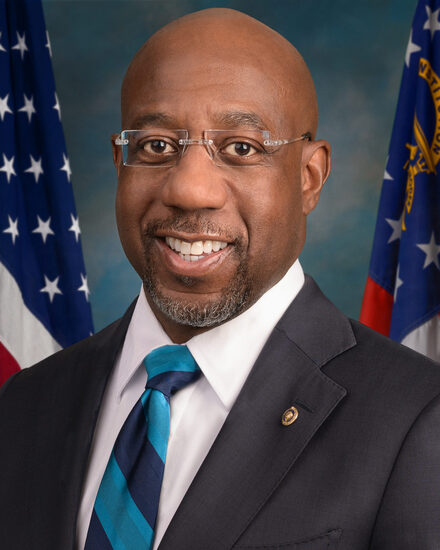
Raphael G. Warnock
Raphael G. Warnock Senate
D
Strong +
81% 222
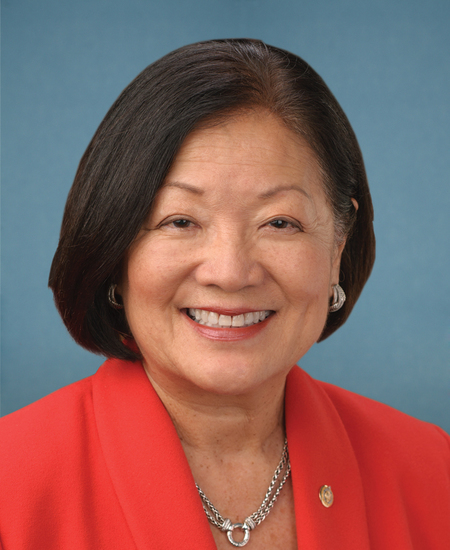
Mazie K. Hirono
Mazie K. Hirono Senate
D
Support
76% 223
Ron Wyden
Ron Wyden Senate
D
Support
76% 223
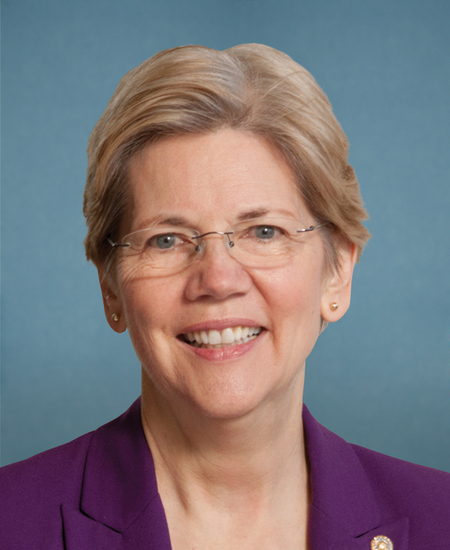
Elizabeth Warren
Elizabeth Warren Senate
D
Support
76% 223
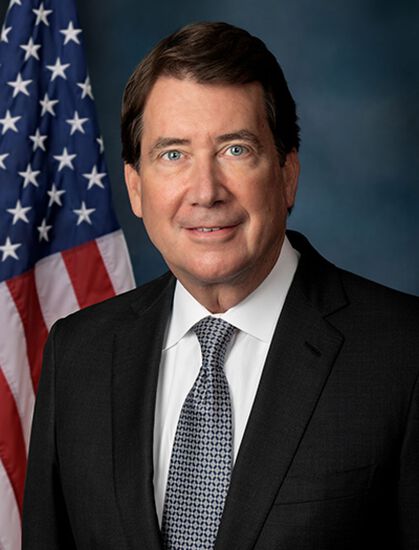
Bill Hagerty
Bill Hagerty Senate
R
Strong −
13% 218
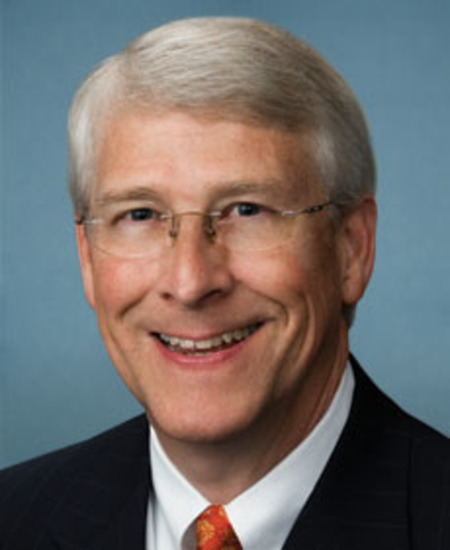
Roger F. Wicker
Roger F. Wicker Senate
R
Strong −
13% 220
James C. Justice
James C. Justice Senate
R
Strong −
19% 216
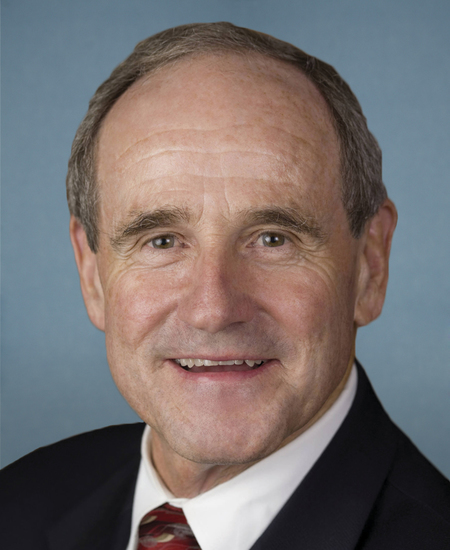
James E. Risch
James E. Risch Senate
R
Strong −
19% 221
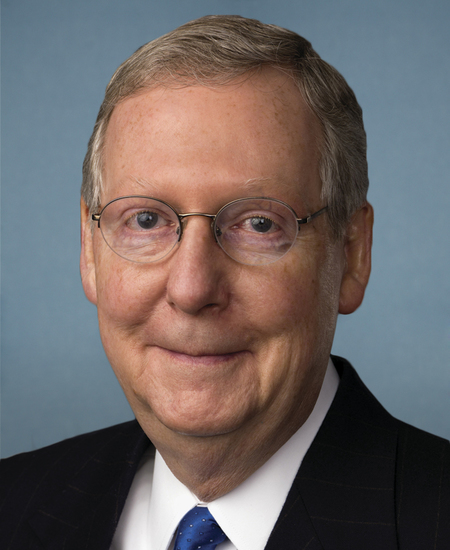
Mitch McConnell
Mitch McConnell Senate
R
Strong −
19% 197
Showing 41–50 of 2,841 bills

All healthcare bills

in committee · United States · House Sep 3, 2026

HR 10270: Supporting 9–8–8 Crisis Stabilization Act

The Supporting 9-8-8 Crisis Stabilization Act amends Medicaid rules to allow federal funding for specific community-based mental health facilities that were previously excluded from coverage. It defines two new types of eligible sites: crisis receiving and stabilization facilities, which must operate 24/7 with an average stay under 150 hours, and mental health and substance use urgent care centers where individuals can walk in without an appointment. These facilities are required to accept referrals from law enforcement and emergency personnel while prohibiting service denials based on factors like ability to pay or criminal justice history. The bill also directs the Department of Health and Human Services to issue implementation guidance within 180 days and submit a report to Congress one year later analyzing how these changes affect hospital admissions, incarceration rates, and overall crisis response utilization.
in committee · United States · House Sep 3, 2026

HR 10254: MORE Savings Act

The MORE Savings Act aims to reduce financial barriers for individuals seeking treatment for opioid use disorders by eliminating out-of-pocket costs for specific services. For Medicare beneficiaries, it establishes a five-year pilot program in 15 selected states that removes coinsurance, copayments, and deductibles for prescription drugs, behavioral health care, and community recovery support. Additionally, the bill mandates that private group health plans and individual insurance policies cover these same opioid treatments without cost-sharing requirements starting in 2027. Finally, it increases the federal funding match to 90 percent for states providing medication-assisted treatment through Medicaid and allows states to include recovery support services in this coverage.
in committee · United States · House Sep 3, 2026

HR 10240: Behavioral Health Crisis Services Expansion Act of 2026

The Behavioral Health Crisis Services Expansion Act of 2026 mandates that Medicare, Medicaid, and most private health insurance plans cover mental health and substance use crisis response services for individuals experiencing acute episodes. These covered services include care provided by mobile crisis teams, urgent care facilities, and stabilization centers that offer short-term observation without rejecting patients based on their ability to pay or other factors. The legislation also requires ambulance providers to transport individuals in crisis to appropriate facilities and extends coverage requirements to TRICARE, veterans' benefits, federal employee health plans, and the Children's Health Insurance Program. These new coverage mandates generally take effect three years after the bill is enacted, with specific provisions ensuring that financial restrictions on these services are no more severe than those applied to standard medical care.
in committee · United States · House Aug 27, 2026

HR 10160: Vet CENTERS for Mental Health Act of 2026

The Vet CENTERS for Mental Health Act of 2026 requires the Secretary of Veterans Affairs to ensure that every state meets a specific minimum number of mental health treatment centers within one year of enactment. For states in the contiguous United States, this minimum is calculated as the greater of one center per 30,000 square miles of land or one center per 55,000 veterans based on census data. Non-contiguous states and territories must maintain at least one center or match their existing count from January 1, 2020, whichever is higher. To achieve these targets, the Secretary may open new facilities using buildings provided by state, local, or tribal governments, and can establish outstations in place of full centers if multiple additional sites are needed in a single state.
in committee · United States · House Sep 2, 2026

HRES 1508: Supporting the goals and ideals of "National Clinical Nurse Specialist Week".

This House resolution supports the goals of National Clinical Nurse Specialist Week, which is observed during the first week of September. It formally recognizes the contributions of these advanced practice nurses to patient care, quality improvement, and workforce development across various healthcare settings. The bill encourages the public to observe the week through appropriate programs and activities. Additionally, it reaffirms the House's commitment to ensuring that Clinical Nurse Specialists are accurately classified in federal labor statistics and supported in health workforce planning.
in committee · United States · House Sep 3, 2026

HR 10280: 9–8–8 Implementation Act of 2026

The 9-8-8 Implementation Act of 2026 expands federal funding and mandates insurance coverage for behavioral health crisis services, directly affecting individuals experiencing mental health or substance use emergencies as well as the providers who serve them. The bill authorizes grants to upgrade local lifeline call centers, build new crisis stabilization facilities, and train a larger workforce of behavioral health professionals. It requires Medicare, Medicaid, private group health plans, TRICARE, and other federal insurance programs to cover crisis response services with financial terms no more restrictive than standard medical care. Additionally, the legislation establishes a federal panel to develop training protocols for 9-1-1 dispatchers to better connect callers to appropriate crisis care rather than law enforcement responses.
in committee · United States · House Aug 27, 2026

HR 10164: BEDROCK Act

The BEDROCK Act directs the Secretary of Commerce to designate a senior official who will lead federal efforts to boost the competitiveness and supply-chain resilience of the U.S. biomanufacturing industry. This official is tasked with identifying barriers to private sector investment, mapping complex regulatory pathways across agencies like the FDA and EPA, and publishing a prioritized action plan to address vulnerabilities in critical inputs such as enzymes and cell lines. The bill also requires the government to create a public web resource that consolidates federal information and designates specific agency points of contact to help businesses navigate commercialization processes. These requirements are set to terminate five years after the law is enacted, with periodic reports submitted to Congress to track progress.
in committee · United States · House Aug 27, 2026

HR 10150: Advancing Botanical Drug Development Act of 2026

The Advancing Botanical Drug Development Act of 2026 extends the market exclusivity period for new FDA-approved botanical drugs from five years to twelve years. This change directly affects pharmaceutical companies and other sponsors that develop plant-based medicines, providing them with a longer window of protection against generic competitors. The bill aims to offset the high costs and unique manufacturing challenges associated with developing these complex therapies by offering stronger financial incentives. By securing this extended exclusivity, the legislation seeks to encourage private investment in research for multi-target treatments of chronic and age-related diseases.
in committee · United States · House Jul 21, 2026

HR 9807: Americans vs. Poisonous Pesticides Act

The Americans vs. Poisonous Pesticides Act amends federal pesticide laws to allow state courts to hear lawsuits alleging that pesticide labels fail to warn about health or environmental risks. It clarifies that a pesticide's federal registration and label approval do not automatically block these state claims, though they serve as initial evidence of compliance. The bill also permits companies to update their product labels to address new safety information without waiting for prior government approval, subject to potential review by the agency. These changes apply to both new lawsuits and cases already in progress, ensuring that federal rules do not limit existing state legal remedies for damages or injunctive relief.
in committee · United States · House Sep 1, 2026

HR 10216: Public Transit Mental Health Awareness Act

The Public Transit Mental Health Awareness Act requires public transit agencies that receive federal assistance to display information about the national suicide prevention hotline in areas visible to passengers. This information must state that the service is free, confidential, and available around the clock. Agencies can meet this requirement by placing the notice on all their vehicles or in all their transit facilities, provided it does not block existing revenue-generating advertising space. The law includes a provision allowing agencies to remain compliant if they make reasonable efforts to restore displays that are damaged or removed, with the mandate taking effect one year after enactment.
Sub-Topics Mental Health
Showing 41 to 50 of 2,841 bills
Previous 1 4 5 6 285 Next