Issue · Healthcare

Healthcare (Medicare)

Every healthcare bill, vote, and legislator stance in United States, automatically classified by Maddy, our AI policy reader.

Total bills
550
119th Congress
Top supporter
Christopher Murphy
88% support rate
Top opponent
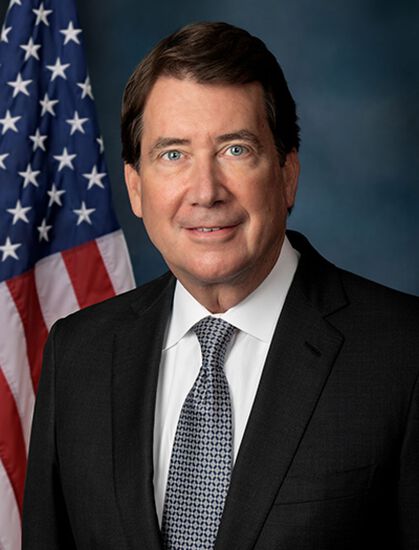
Bill Hagerty
12% support rate
Ranked legislators
10
5 support · 5 oppose
Key legislators

Who's moving medicare in United States

Legislators moving medicare in United States
Legislator Party Stance Support rate Decisive votes
Christopher Murphy
Christopher Murphy Senate
D
Strong +
88% 8
Adam B. Schiff
Adam B. Schiff Senate
D
Support
78% 9
Alex Padilla
Alex Padilla Senate
D
Support
78% 9
Amy Klobuchar
Amy Klobuchar Senate
D
Support
78% 9
Andy Kim
Andy Kim Senate
D
Support
78% 9
Bill Hagerty
Bill Hagerty Senate
R
Strong −
12% 8
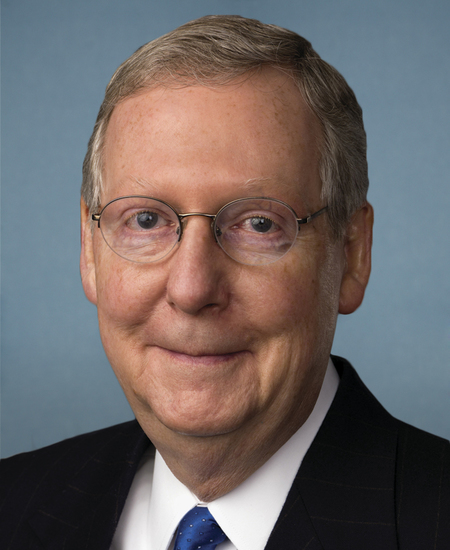
Mitch McConnell
Mitch McConnell Senate
R
Strong −
12% 8
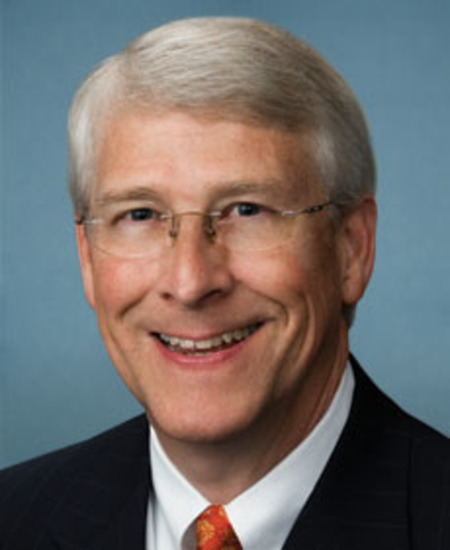
Roger F. Wicker
Roger F. Wicker Senate
R
Strong −
12% 8
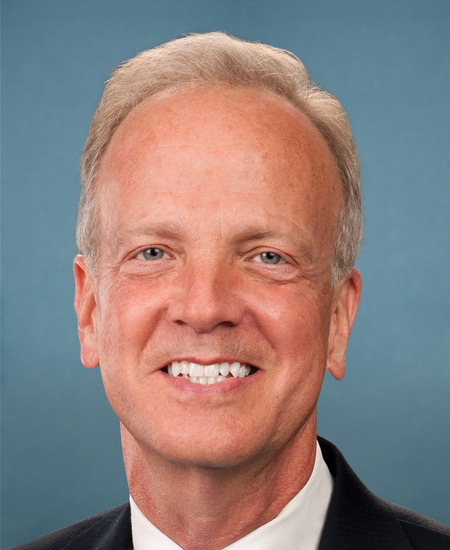
Jerry Moran
Jerry Moran Senate
R
Strong −
14% 7
Ashley Moody
Ashley Moody Senate
R
Oppose
22% 9
Showing 451–460 of 550 bills

All healthcare bills

in committee · United States · House Jan 22, 2025

HR 639: Doctor Knows Best Act of 2025

HR 639, the "Doctor Knows Best Act of 2025," prohibits health insurers and federal health programs (like Medicare) from requiring prior authorization, step therapy, or medical necessity reviews for covered medical services. This directly affects patients (who would face fewer delays in care), doctors (who gain more autonomy in treatment decisions), and insurers/federal programs (which must eliminate these review processes). The bill bans these requirements for all covered items/services under private health plans starting January 1, 2026, and for federal programs beginning the same date. It does not change coverage eligibility but removes administrative barriers to accessing approved treatments.
Sub-Topics Insurance Medicare
in committee · United States · Senate Oct 28, 2025

S 3064: Relief of Chronic Pain Act of 2025

S 3064, the Relief of Chronic Pain Act of 2025, modifies Medicare Part D coverage to improve access to non-opioid treatments for specific chronic pain conditions. It requires Medicare plans to exempt qualifying non-opioid drugs (approved for conditions like diabetic neuropathy, fibromyalgia, or musculoskeletal pain) from deductibles and place them on the lowest cost-sharing tier starting in 2026. The bill also bans step therapy (requiring opioid use first) and prior authorization for these drugs. This directly affects Medicare beneficiaries with the listed chronic pain conditions who rely on these approved non-opioid medications.
in committee · United States · Senate Dec 15, 2025

S 3473: MAP for Care Act

The MAP for Care Act establishes a Medicare program enabling beneficiaries (Medicare Part A or Part B enrollees) to register certified advance directives - such as living wills or durable powers of attorney for health care - through accredited online vendors. It requires vendors to meet security standards for storing and sharing directives, ensuring near real-time access for beneficiaries, their designated health care proxies, and providers during medical emergencies. The program includes a state-by-state index of advance directive forms on Medicare’s website, educational resources, and annual surveys to assess accessibility and usability, while respecting existing state laws governing advance directives. Beneficiaries may voluntarily enroll, update, or terminate their directives at any time without cost.
Sub-Topics Medicare
in committee · United States · Senate May 15, 2025

S 1797: Expanding Seniors Access to Mental Health Services Act

This bill expands Medicare coverage for mental health services provided to seniors in skilled nursing facilities. It removes a current exclusion, allowing clinical social workers to provide covered mental health services under Medicare Part A. Specifically, it adds coverage for a defined set of mental health and behavioral assessment services (using standard codes) that were previously excluded. The changes will take effect for services provided on or after January 1, 2026, directly benefiting seniors residing in skilled nursing facilities seeking these mental health services.
Sub-Topics Long-Term Care Medicare Mental Health Tags Seniors
in committee · United States · Senate Sep 15, 2025

S 2800: Pharmacy and Medically Underserved Areas Enhancement Act

This bill expands Medicare coverage to include certain pharmacist services in medically underserved areas. It allows pharmacists licensed in their state to provide services that would otherwise be covered if done by a physician (like medication management), specifically in health professional shortage areas or medically underserved regions. Medicare would pay 80% of the physician fee schedule rate for these services, starting January 1, 2027. The bill requires the development of new billing codes for pharmacists under Medicare's physician fee schedule. It directly affects pharmacists working in designated underserved communities and Medicare beneficiaries there.
in committee · United States · House Jun 24, 2025

HR 4104: Health Equity and Access under the Law for Immigrant Families Act of 2025

HR 4104 would expand access to Medicaid, CHIP, and Affordable Care Act (ACA) health coverage for immigrants lawfully present in the U.S., including those with deferred action or pending immigration applications. It removes state-level barriers to Medicaid/CHIP eligibility for lawfully present individuals, treats Federally authorized presence as "lawfully present" for ACA subsidies, and allows states to choose to cover undocumented individuals through Medicaid or CHIP. The bill also extends these changes to Medicare Part A and Part B, ensuring lawfully present immigrants qualify for coverage and subsidies under existing programs. These provisions apply to all federally funded health programs and take effect in 2026 for most ACA-related changes.
in committee · United States · Senate Dec 17, 2025

S 3551: PROTECT for Rare Act

The PROTECT for Rare Act (S 3551) requires Medicare, Medicaid, and private health insurers to establish an expedited appeal process for coverage denials of drugs treating rare diseases or conditions affecting 200,000 or fewer U.S. individuals. It expands coverage criteria by allowing insurers to consider peer-reviewed medical literature and clinical guidelines - not just FDA-approved labeling - as valid justification for treatment, while excluding uses listed as contraindicated in approved drug labeling or medical references. The law applies to all covered drugs used for rare conditions and takes effect for coverage decisions starting January 1, 2027. This directly affects patients with rare diseases, healthcare providers seeking coverage approvals, and insurers managing drug benefit denials.
in committee · United States · Senate Dec 16, 2025

S 3492: Essential Caregivers Act of 2025

Essential Caregivers Act of 2025   This bill prohibits certain health care facilities from limiting the access of essential caregivers to residents of those facilities, including during designated emergency periods.   Specifically, the bill generally prohibits Medicare skilled nursing facilities, Medicaid nursing facilities, Medicaid intermediate care facilities, and associated inpatient rehabilitation facilities from restricting the access of essential caregivers to residents of the facilities, including during emergency periods in which visitation rights are otherwise restricted. During emergency periods, facilities may restrict access for an initial period of up to seven days and for one additional maximum seven-day period (if the additional period is approved by the state health department). Facilities may restrict access for a total of 7 days (or 14 days with the approval of the state health department) during an emergency period. Essential caregivers must agree to comply with any safety protocols set by the facility, which may be no more stringent for caregivers compared to those for staff. Caregivers who fail to comply with these requirements may be denied access, subject to an appeals process.
in committee · United States · Senate Jun 5, 2025

S 1973: Treat and Reduce Obesity Act of 2025

Treat and Reduce Obesity Act of 2025 This bill expands Medicare coverage of intensive behavioral therapy for obesity. Specifically, the bill allows coverage for therapy that is provided by (1) a physician who is not a primary care physician; or (2) other health care providers (e.g., physician assistants and nurse practitioners) and approved counseling programs, if provided upon a referral from, and in coordination with, a physician or primary care practitioner. Currently, such therapy is covered only if provided by a primary care practitioner. The bill also allows coverage under Medicare's prescription drug benefit of drugs used for the treatment of obesity or for weight loss management for individuals who are overweight.
in committee · United States · Senate May 19, 2025

S 1800: Rural Health Sustainability Act of 2025

The Rural Health Sustainability Act of 2025 modifies Medicare rules to change how hospitals qualify as "rural emergency hospitals." It adds a new requirement that hospitals must first have been designated as rural by the Health Resources and Services Administration's Office of Rural Health Policy. This change affects hospitals seeking this specific Medicare designation, which is needed to receive certain reimbursement rates for rural emergency services. The bill also adjusts the effective date of existing criteria to January 1, 2014, but the key new provision focuses on the HRSA designation requirement.
Sub-Topics Hospitals Medicare Tags Rural Communities
Showing 451 to 460 of 550 bills
Previous 1 … 45 46 47 … 55 Next