Issue · Healthcare

Healthcare (Medicare)

Every healthcare bill, vote, and legislator stance in United States, automatically classified by Maddy, our AI policy reader.

Total bills
591
119th Congress
Top supporter
Christopher Murphy
88% support rate
Top opponent
Bill Hagerty
12% support rate
Ranked legislators
10
5 support · 5 oppose
Key legislators

Who's moving medicare in United States

Legislators moving medicare in United States
Legislator Party Stance Support rate Decisive votes
Christopher Murphy
Christopher Murphy Senate
D
Strong +
88% 8
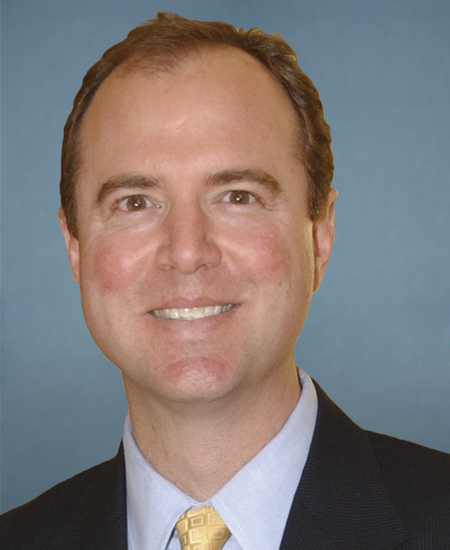
Adam B. Schiff
Adam B. Schiff Senate
D
Support
78% 9
Alex Padilla
Alex Padilla Senate
D
Support
78% 9
Amy Klobuchar
Amy Klobuchar Senate
D
Support
78% 9
Andy Kim
Andy Kim Senate
D
Support
78% 9
Bill Hagerty
Bill Hagerty Senate
R
Strong −
12% 8
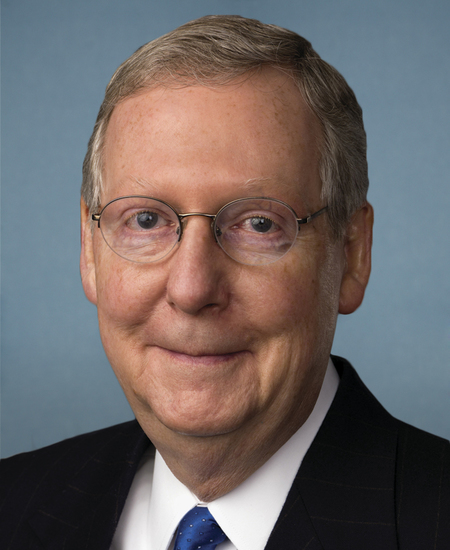
Mitch McConnell
Mitch McConnell Senate
R
Strong −
12% 8
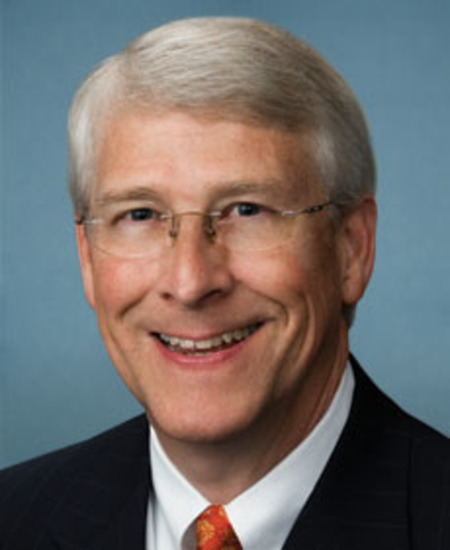
Roger F. Wicker
Roger F. Wicker Senate
R
Strong −
12% 8
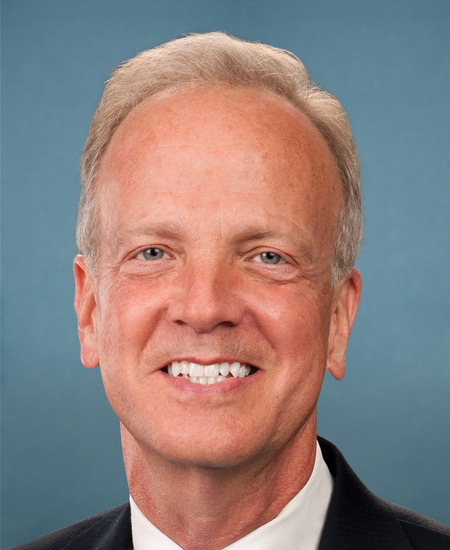
Jerry Moran
Jerry Moran Senate
R
Strong −
14% 7
Ashley Moody
Ashley Moody Senate
R
Oppose
22% 9
Showing 391–400 of 591 bills

All healthcare bills

in committee · United States · House Mar 27, 2025

HR 2437: EASE Act of 2025

HR 2437, the EASE Act of 2025, requires hospitals to provide specific information about available care options to Medicare patients upon discharge. The bill amends the Social Security Act to mandate that hospitals inform patients likely to need home health services, post-hospital extended care, or hospice care about the availability of those services through participating providers in their area. This applies to Medicare discharges occurring on or after January 1, 2026. The law directly affects Medicare beneficiaries discharged from hospitals who may require these specific post-discharge care services.
in committee · United States · House Feb 24, 2026

HR 7666: SOS: Sustaining Outpatient Services Act

This bill changes how Medicare pays for certain outpatient services provided by off-campus hospital departments. Starting in 2027, it would allow Medicare to pay for specific services in physician specialties where the total payments for that specialty were under $2 million in the previous year. These services would then be paid under the standard hospital outpatient payment system instead of the usual physician fee schedule. The change directly affects hospitals operating off-campus outpatient departments and physicians in low-volume specialties.
Sub-Topics Hospitals Medicare
in committee · United States · House Feb 27, 2025

HR 1667: Acupuncture for Our Seniors Act of 2025

HR 1667, the Acupuncture for Our Seniors Act of 2025, would expand Medicare coverage to include acupuncture services provided by qualified practitioners. It adds "qualified acupuncturist services" to Medicare’s coverage under Section 1861 of the Social Security Act, defining a qualified acupuncturist as a state-licensed practitioner or a physician legally authorized to perform acupuncture. The bill establishes payment rules by including these services in the physician fee schedule and adjusting hospital billing procedures to allow separate billing for acupuncture in inpatient settings. This change would directly affect Medicare beneficiaries receiving acupuncture, as well as acupuncturists and healthcare providers who would now bill Medicare for these services. The provisions would take effect 270 days after the bill’s enactment.
Sub-Topics Hospitals Medicare
in committee · United States · Senate Apr 2, 2025

S 1248: EASE Act

The EASE Act (S 1248) creates a new Medicare and Medicaid model to improve access to specialty health care for beneficiaries in rural or underserved areas. It requires the Centers for Medicare & Medicaid Services to partner with nonprofit provider networks (comprising at least 50 rural clinics or health centers) to deliver specialty care via telehealth and remote technologies, coordinated with primary care providers. Eligible individuals include Medicare Part B beneficiaries or Medicaid/CHIP enrollees living in designated rural or underserved areas. The model mandates that selected provider networks must have proven experience serving rural communities and the capacity to track health data for evaluation.
Sub-Topics Hospitals Medicare Telehealth Tags Rural Communities
in committee · United States · Senate Jun 3, 2025

S 1936: Improving Access to Transfusion Care for Hospice Patients Act of 2025

S 1936 would test a new payment model for Medicare hospice care, allowing blood transfusions to be paid separately from the standard hospice all-inclusive payment. This change would directly affect hospice patients requiring transfusions and Medicare hospice providers, altering how these services are reimbursed. The bill requires the Center for Medicare and Medicaid Innovation (CMI) to establish this model within one year, setting transfusion payments at the standard Medicare rate (not the bundled hospice rate). CMI must then evaluate the model by comparing key metrics like hospital visits, transfusion frequency, and hospice care duration between patients in the new model and similar patients not in the model. The goal is to assess whether separate payment improves access to necessary transfusions without increasing overall costs.
in committee · United States · House Jul 22, 2025

HR 4619: Medicare Mental Health Inpatient Equity Act of 2025

This bill eliminates a lifetime limit on inpatient psychiatric hospital care for Medicare beneficiaries. Currently, Medicare restricts coverage to 190 days total for such care; this bill removes that cap entirely. The key change amends Section 1812 of the Social Security Act to allow unlimited coverage for inpatient psychiatric hospital services under Medicare. The provision takes effect January 1, 2027, directly affecting Medicare patients requiring long-term inpatient mental health treatment.
in committee · United States · Senate May 7, 2025

S 1643: Protecting Access to Ground Ambulance Medical Services Act of 2025

This bill delays Medicare payment changes for ground ambulance services until 2028 and adds temporary rate increases during a transition period. It directly affects Medicare beneficiaries using ambulance services and ambulance providers who bill Medicare, particularly in rural areas. Key provisions extend the effective date for payment adjustments from October 2025 to January 2028 and establish temporary payment rates: 26.7% for super-rural ambulance services and 4.3% or 3.4% for regular ground ambulance services during the transition period (October 2025-January 2028). These changes aim to prevent sudden payment cuts that could disrupt access to ambulance care.
Sub-Topics Hospitals Medicare
in committee · United States · Senate Apr 2, 2025

S 1261: CONNECT for Health Act of 2025

The CONNECT for Health Act of 2025 expands Medicare coverage for telehealth services by removing geographic restrictions that previously limited where patients could receive telehealth care. It allows more healthcare providers to offer telehealth services, including expanding eligibility for practitioners and removing the six-month in-person visit requirement for telemental health. The bill also includes specific provisions for Federally Qualified Health Centers, rural health clinics, and Native American health facilities to better integrate telehealth into their services. Additionally, it establishes program integrity measures to address billing patterns and requires the posting of telehealth service data to improve transparency and quality measurement. These changes aim to make telehealth more accessible for Medicare beneficiaries, particularly in rural areas and for underserved populations.
in committee · United States · Senate Jul 9, 2025

S 2225: Prevent Interruptions in Physical Therapy Act of 2025

S 2225, the Prevent Interruptions in Physical Therapy Act of 2025, allows physical therapists to use temporary replacement therapists (locum tenens) under Medicare for outpatient physical therapy services. The bill amends Medicare rules to apply the same provisions currently used for physicians' services to physical therapy services, meaning therapists can now fill in gaps during staff shortages without disrupting patient care. This directly affects physical therapists providing Medicare-covered outpatient therapy and Medicare beneficiaries receiving those services. The change takes effect after the bill is enacted, ensuring continuity of care when therapists are unavailable.
in committee · United States · Senate Nov 6, 2025

S 3145: CARE Act of 2025

S 3145, the CARE Act of 2025, creates a new Medicare payment model for ground ambulance services provided during emergencies without patient transport. It directly affects Medicare beneficiaries who receive emergency medical dispatch services (like on-site care) and ambulance providers who serve them. The bill requires Medicare to pay for these non-transport services at rates aligned with traditional transport payments, while allowing telehealth services provided alongside them to count as originating sites. The model will operate for five years, with a mandatory report after four years evaluating its impact on beneficiary access, outcomes, and regional variations in emergency services.
Sub-Topics Hospitals Medicare Telehealth Tags Public Safety
Showing 391 to 400 of 591 bills
Previous 1 … 39 40 41 … 60 Next