Issue · Healthcare

Healthcare (Medicaid)

Every healthcare bill, vote, and legislator stance in United States, automatically classified by Maddy, our AI policy reader.

Total bills
441
119th Congress
Top supporter
Christopher Murphy
89% support rate
Top opponent
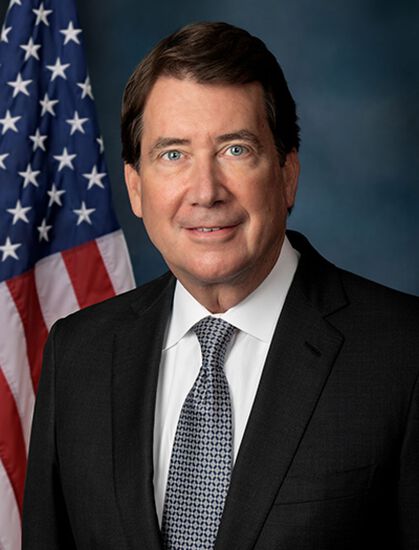
Bill Hagerty
11% support rate
Ranked legislators
10
5 support · 5 oppose
Key legislators

Who's moving medicaid in United States

Legislators moving medicaid in United States
Legislator Party Stance Support rate Decisive votes
Christopher Murphy
Christopher Murphy Senate
D
Strong +
89% 9
Adam B. Schiff
Adam B. Schiff Senate
D
Strong +
80% 10
Alex Padilla
Alex Padilla Senate
D
Strong +
80% 10
Amy Klobuchar
Amy Klobuchar Senate
D
Strong +
80% 10
Andy Kim
Andy Kim Senate
D
Strong +
80% 10
Bill Hagerty
Bill Hagerty Senate
R
Strong −
11% 9
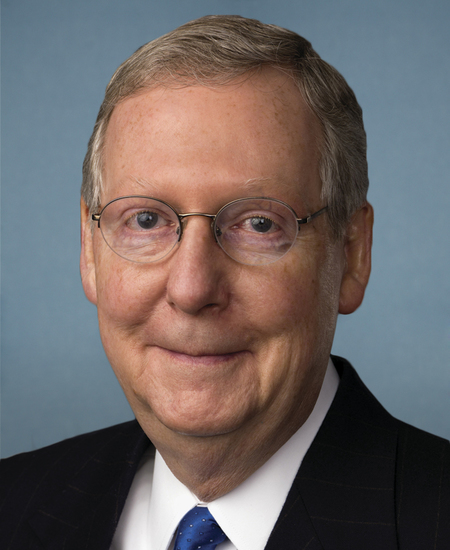
Mitch McConnell
Mitch McConnell Senate
R
Strong −
11% 9
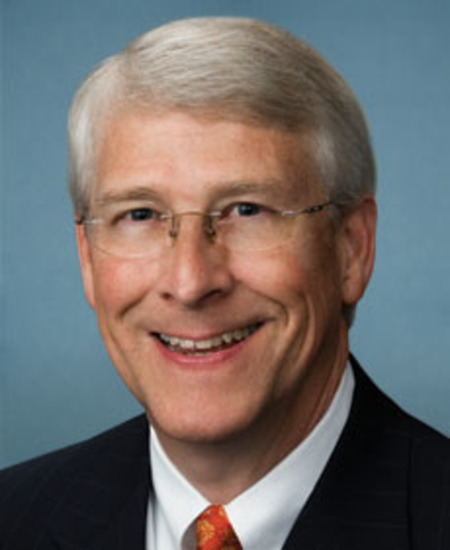
Roger F. Wicker
Roger F. Wicker Senate
R
Strong −
11% 9
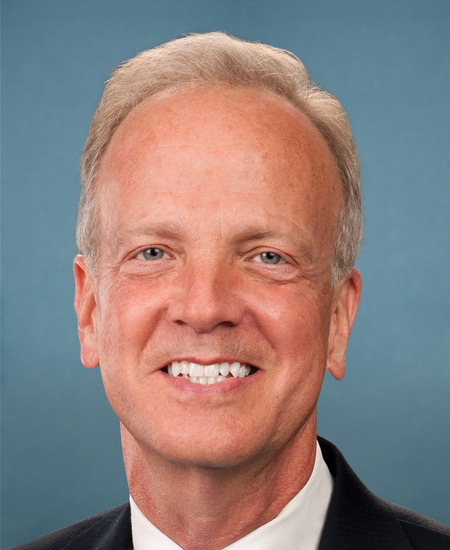
Jerry Moran
Jerry Moran Senate
R
Strong −
12% 8
Ashley Moody
Ashley Moody Senate
R
Strong −
20% 10
Showing 381–390 of 441 bills

All healthcare bills

in committee · United States · House Jun 10, 2025

HR 3864: Protecting Health Care for All Patients Act of 2025

This bill prohibits federal health programs (including Medicare, Medicaid, and CHIP) from using quality-adjusted life years (QALYs) or similar metrics to deny coverage, limit payments, or set incentives for care. It directly affects patients with disabilities, elderly individuals, or those with terminal illnesses, who may have faced reduced care access under such metrics. Key provisions ban QALY-based decisions in coverage determinations starting January 1, 2027, and require states and insurers to comply. The bill also mandates a report on how QALYs negatively impact access to care for people with intellectual and developmental disabilities.
Sub-Topics Long-Term Care Medicaid Medicare Tags People with Disabilities
in committee · United States · Senate Dec 18, 2025

S 3560: Closing the Contraception Coverage Gap Act

The Closing the Contraception Coverage Gap Act requires Medicare Part B, Part C, and Part D to cover all FDA-approved contraceptive items and services at no cost-sharing starting January 1, 2027. This includes not just contraceptive methods themselves but also related clinical services like counseling, examinations, device insertion, and follow-up care. The bill ensures dual-eligible Medicare and Medicaid beneficiaries receive contraceptive coverage that matches Medicaid's comprehensiveness. It also mandates two studies on contraceptive coverage gaps, with reports to Congress within 1-2 years.
in committee · United States · Senate Jan 24, 2025

S 249: Access to Pediatric Technologies Act of 2025

This bill requires Medicare to establish national payment rates for qualifying pediatric medical devices when manufacturers request it. It directly affects device manufacturers and Medicare by creating a formal process to set these rates, which are used to reimburse doctors for using these devices. Key provisions include a timeline for requests (by May 1 annually), requiring manufacturers to submit data like pricing and claims information, and defining qualifying devices as those approved for pediatric use in procedures predominantly for children or specifically designed for them. The bill does not change Medicare coverage requirements but streamlines payment rate establishment for existing approved devices.
died · United States · Senate Dec 11, 2025

S 3386: Health Care Freedom for Patients Act of 2025

Health Care Freedom for Patients Act of 2025 This bill allows certain individuals with health savings accounts (HSAs) to receive federal payments. It also restricts payments under Medicaid and the Children's Health Insurance Program (CHIP) regarding certain noncitizens and restricts coverage of gender-transition procedures. Specifically, the bill provides funds for the Department of Health and Human Services to deposit payments into an individual’s HSA during 2026-2027 if the individual has a bronze or catastrophic plan through a health insurance exchange, is between the ages of 18 and 64, and has income up to 700% of the federal poverty level (FPL). Individuals may receive $1,000 or $1,500 annually, depending on age.  The bill also provides funds, beginning in 2027, for cost-sharing reductions for certain individuals who have a silver plan and income up to 250% of the FPL. Beginning in 2027, the bill allows any individual to enroll in a catastrophic plan. Currently, these plans are limited to those under the age of 30 or who have certain exemptions. The bill also reduces the enhanced federal matching rate for the Medicaid expansion population in states that provide any health benefits for individuals who are not qualified aliens under federal law. The bill makes Medicaid and CHIP coverage of individuals while their status is being verified optional and conditions federal payment during this period on verification.  Finally, the bill prohibits exchange plans from covering gender-transition procedures as an essential health benefit and prohibits federal payment under Medicaid and CHIP for these procedures.
in committee · United States · House Mar 14, 2025

HR 2114: Block Organ Transplant Purchases from China Act of 2025

This bill prohibits federal health programs (Medicare, Medicaid) and private health insurance from covering organ transplants originating in China or not procured through the U.S. Organ Procurement Network, effective January 1, 2026. It defines a "prohibited organ transplant" as one performed in China or using organs not sourced via the U.S. network, including follow-up care like lab tests or drugs. Exceptions only apply to life-saving services provided *after* such a transplant. The law also imposes criminal penalties (up to 2 years in prison) and civil penalties (three times the cost) for violations.
in committee · United States · Senate Dec 17, 2025

S 3522: No Red Tape For Addiction Treatment Act

This bill requires states to cover medication-assisted treatment (MAT) for opioid use disorder under Medicaid without prior authorization or dosage limits for at least one formulation of each approved drug. It directly affects Medicaid patients with opioid use disorder and their healthcare providers, removing administrative barriers that previously required extra approvals or restricted dosing. The bill amends Medicaid law to mandate this coverage, while also requiring a federal report analyzing how current state policies (like dosing limits or counseling requirements) impact access to MAT. The changes apply starting one year after enactment, with states needing time to adjust if new state laws are required.
in committee · United States · Senate May 12, 2025

S 1709: Nurse Staffing Standards for Hospital Patient Safety and Quality Care Act of 2025

The Nurse Staffing Standards for Hospital Patient Safety and Quality Care Act of 2025 establishes specific minimum nurse-to-patient ratios for different hospital units, such as 1:1 in trauma emergency units and 2:1 in critical care units. Hospitals must develop and annually update staffing plans with nurse input, document actual staffing levels for each shift, and prohibit practices like averaging ratios or mandating overtime. The bill provides protections for nurses who refuse unsafe assignments and prohibits retaliation for reporting staffing violations, with enforcement through Medicare, Medicaid, and other federal health programs. This applies to all hospitals, including those operated by the Department of Veterans Affairs, Department of Defense, and Indian Health Service.
in committee · United States · House Apr 1, 2025

HR 2533: EASE Act of 2025

HR 2533, the EASE Act of 2025, requires Medicare and Medicaid to test a new telehealth model designed to improve specialty care access for rural and underserved Medicare/Medicaid beneficiaries. The bill mandates the Centers for Medicare & Medicaid Services (CMS) to partner with nonprofit provider networks - comprising at least 50 community health centers or rural clinics (half in rural areas) - to deliver specialty care via telehealth and coordinate with primary care providers. Eligible individuals must be enrolled in Medicare Part B, Medicaid, or CHIP and reside in designated rural or underserved areas. The model requires networks to collect and evaluate data on service delivery, with funding subject to existing program rules. This creates a structured pilot program focused on expanding remote specialty care access in underserved regions.
Sub-Topics Medicaid Primary Care Telehealth Broadband Access Tags Rural Communities
in committee · United States · Senate Jun 12, 2025

S 2084: Medicare and Medicaid Dental, Vision, and Hearing Benefit Act of 2025

This bill would add dental, vision, and hearing services to Medicare coverage for beneficiaries. It defines specific services including routine dental cleanings, eye exams, and hearing assessments, with coverage gradually increasing from 0% to 80% over eight years. The bill also establishes frequency limits, such as two dental cleanings per year and one eye exam annually. Medicaid would see increased federal funding (90% FMAP) for these services starting six months after enactment. This legislation directly affects Medicare beneficiaries, particularly seniors and people with disabilities, by expanding access to previously uncovered preventive health services.
Sub-Topics Medicaid Medicare Tags Seniors
in committee · United States · Senate May 22, 2025

S 1920: Continuous Skilled Nursing Quality Improvement Act of 2025

This bill redefines "private duty nursing services" under Medicaid as "continuous skilled nursing services" requiring licensed nurses (RNs or LPNs) for complex-care patients needing multiple hours of daily nursing. It directly affects Medicaid beneficiaries, particularly "full-benefit dual eligible individuals" (those qualifying for both Medicare and full Medicaid benefits), who rely on these services. Key mechanisms include mandating licensed providers, establishing a working group to develop national quality standards within 180 days, and updating Medicaid program guidelines to include these services by 18 months. The bill also requires states to incorporate these standards into their Medicaid programs and quality measure sets.
Showing 381 to 390 of 441 bills
Previous 1 … 38 39 40 … 45 Next