Issue · Healthcare

Healthcare (Medicaid)

Every healthcare bill, vote, and legislator stance in United States, automatically classified by Maddy, our AI policy reader.

Total bills
441
119th Congress
Top supporter
Christopher Murphy
89% support rate
Top opponent
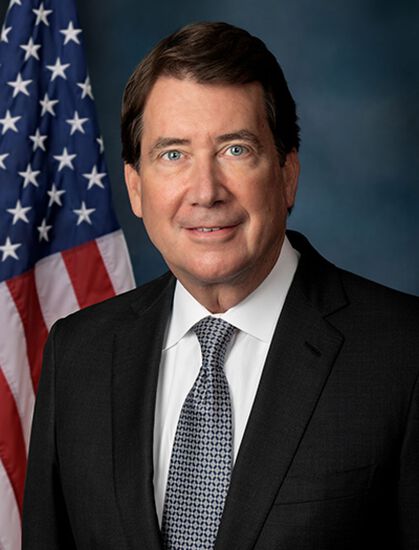
Bill Hagerty
11% support rate
Ranked legislators
10
5 support · 5 oppose
Key legislators

Who's moving medicaid in United States

Legislators moving medicaid in United States
Legislator Party Stance Support rate Decisive votes
Christopher Murphy
Christopher Murphy Senate
D
Strong +
89% 9
Adam B. Schiff
Adam B. Schiff Senate
D
Strong +
80% 10
Alex Padilla
Alex Padilla Senate
D
Strong +
80% 10
Amy Klobuchar
Amy Klobuchar Senate
D
Strong +
80% 10
Andy Kim
Andy Kim Senate
D
Strong +
80% 10
Bill Hagerty
Bill Hagerty Senate
R
Strong −
11% 9
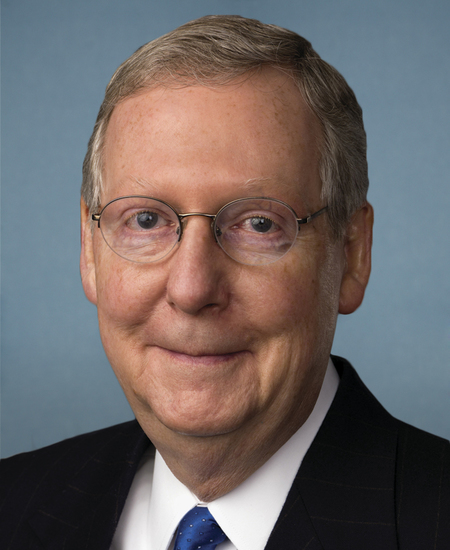
Mitch McConnell
Mitch McConnell Senate
R
Strong −
11% 9
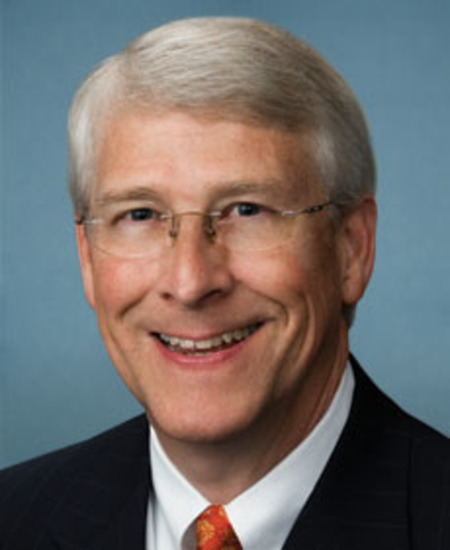
Roger F. Wicker
Roger F. Wicker Senate
R
Strong −
11% 9
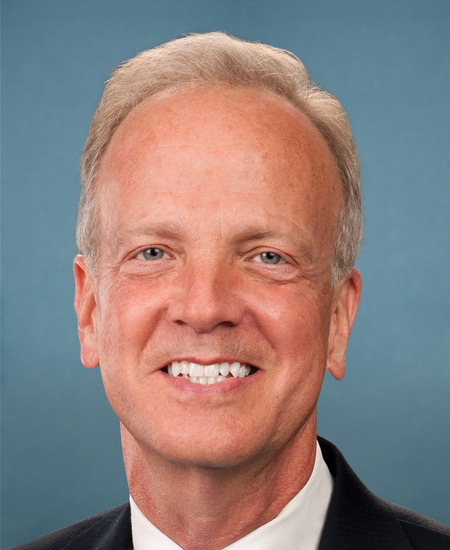
Jerry Moran
Jerry Moran Senate
R
Strong −
12% 8
Ashley Moody
Ashley Moody Senate
R
Strong −
20% 10
Showing 341–350 of 441 bills

All healthcare bills

in committee · United States · House Nov 25, 2025

HR 6303: CARE for Moms Act

The CARE for Moms Act aims to reduce maternal mortality in the United States by expanding access to comprehensive care for pregnant and postpartum individuals. It directly affects women, particularly Black women who face disproportionately higher maternal mortality rates, as well as rural and underserved communities. Key provisions include funding State-based perinatal quality collaboratives ($35 million annually), requiring 12-month Medicaid coverage for postpartum individuals, mandating oral health services during pregnancy, supporting doula services through $50 million in grants, and creating regional centers to address implicit bias in healthcare. The bill also establishes rural mobile health units for obstetric care and requires hospitals to notify authorities 90 days before closing obstetric units. These changes aim to address systemic issues contributing to the U.S. maternal mortality crisis, which has the highest rate among developed nations.
in committee · United States · Senate Nov 7, 2025

S 3157: School Meals for Healthy Kids Act of 2025

This bill codifies existing practices for school meal programs under the National School Lunch Act. It allows states to continue using Medicaid data to automatically certify children for free or reduced-price school meals beyond the 2024 school year, maintaining current eligibility conditions. It also establishes a fixed 1.6 multiplier for determining school eligibility under the community eligibility provision, replacing prior variable calculations. The bill directly affects public schools and low-income children participating in federal meal programs, ensuring continuity of current certification and eligibility rules without introducing new benefits or funding.
in committee · United States · House Jul 15, 2025

HR 4395: Stephanie Tubbs Jones Uterine Fibroid Research and Education Act of 2025

This bill directs the Department of Health and Human Services to significantly increase federal research funding for uterine fibroids ($30 million annually from 2026-2030), expand coordination of NIH research, and establish a Medicaid data system to track treatment access and costs. It mandates public education on fibroid symptoms, prevalence (especially among Black women, who face higher risk and severity), and non-hysterectomy treatment options. The bill also requires disseminating evidence-based provider resources on managing fibroids while preserving fertility. These provisions directly affect the estimated 26 million U.S. women with fibroids - particularly women of color - and aim to address the current lack of research and treatment data.
in committee · United States · Senate Dec 2, 2025

S 3304: Medical Foods and Formulas Access Act of 2025

The Medical Foods and Formulas Access Act of 2025 would require Medicare, Medicaid, CHIP, and the Federal Employees Health Benefits Program to cover medically necessary food for people with specific digestive and metabolic disorders. This includes specialized formulas and nutrients prescribed by healthcare providers for conditions like inherited metabolic disorders, inflammatory bowel disease, and food protein allergies. The bill defines "medically necessary food" to include items such as amino acid preparations, low protein modified foods, and vitamins specifically designed for these conditions, along with necessary medical equipment for administration. Coverage would apply to federal health programs with different effective dates (1-3 years from enactment) and encourages private health insurance plans to provide similar coverage for these life-sustaining treatments.
in committee · United States · House Dec 3, 2025

HR 6408: ANCHOR Act of 2025

This bill creates a new state option to provide medical assistance through Medicaid-like programs for uninsured adults with serious mental illness or substance use disorders who earn under 100% of the federal poverty level. It defines "specified individuals" as those meeting income limits and having a qualifying condition (serious mental illness, emotional disturbance, opioid use disorder, or stimulant use disorder) diagnosed by approved providers. States offering this option must provide coverage for 1 year initially (with possible annual renewals after redetermination), ensure a care plan within 60 days, and report specific quality measures. The bill modifies existing Medicaid rules to expand access to behavioral health services without creating new federal funding.
in committee · United States · Senate Dec 16, 2025

S 3486: Expand the Behavioral Health Workforce Now Act

This bill (S 3486) requires the U.S. Department of Health and Human Services (HHS) to issue non-mandatory guidance to states within 12 months of enactment. The guidance will focus on strategies for states to improve mental health and substance use disorder care provider education, training, recruitment, and retention through Medicaid (Title XIX) and CHIP (Title XXI) programs. It specifically emphasizes expanding workforce capacity in rural and underserved areas and details how states can use existing authorities like Medicaid waivers (Section 1115) to achieve this. The bill directly affects states administering Medicaid/CHIP programs and the providers participating in those programs, aiming to strengthen behavioral health services without creating new federal funding.
in committee · United States · Senate Jul 29, 2025

S 2496: Keep Kids Covered Act

The Keep Kids Covered Act extends continuous health coverage for children enrolled in Medicaid and CHIP. It requires states to maintain coverage for newborns and young children until age 6 (previously 1 year), for children ages 6-18 until age 19 (previously 12 months), and for former foster youth until age 26 (previously 18). The bill also mandates states to update contact information annually for long-term enrollees and inform them about their coverage duration. These changes aim to prevent gaps in health insurance for vulnerable children and youth. The provisions take effect one year after the bill's enactment.
Sub-Topics Children's Health Insurance Medicaid Tags Children
in committee · United States · House Jan 14, 2025

HR 307: ARC Act of 2025

HR 307, the ARC Act of 2025, aims to reduce avoidable amputations by expanding access to peripheral artery disease (PAD) screening and prevention. It requires Medicare and Medicaid to cover PAD screening tests (like ankle-brachial index tests) without cost-sharing for at-risk beneficiaries, including seniors, diabetics, and those with other vascular risk factors. The bill also establishes a federal education program to raise awareness about PAD and creates quality measures to incentivize hospitals to prioritize non-amputation treatments through early detection. These provisions directly affect millions of Americans, particularly minorities disproportionately impacted by PAD-related amputations, by making preventive care more accessible and integrated into routine care.
in committee · United States · House Feb 9, 2026

HR 7453: CLEAN Act

This bill denies tax credits for health insurance under the Affordable Care Act and Medicaid medical assistance to individuals convicted of sex offenses (as defined by the Adam Walsh Act). Specifically, it amends tax law to block refundable health care credits for sex offenders and adds a Medicaid provision allowing states to exclude sex offenders from receiving government-funded medical coverage. The policy directly affects sex offenders who would otherwise qualify for these federal benefits. The changes apply to tax years and Medicaid enrollments starting after the bill's enactment.
Sub-Topics Insurance Medicaid
in committee · United States · House Jan 15, 2026

HR 6182: Find It Early Act

The Find It Early Act requires most health insurance plans, Medicare, Medicaid, TRICARE, and VA benefits to cover certain breast cancer screenings without cost-sharing for specific at-risk groups. It affects individuals at increased breast cancer risk (as determined by medical guidelines), those with dense breast tissue (as defined by the American College of Radiology), and others requiring screening due to factors like age, race, ethnicity, or family history. The bill mandates coverage for various screening methods including mammograms, ultrasounds, MRI, and other technologies at frequencies recommended by the National Comprehensive Cancer Network. This requirement takes effect for plan years beginning January 1, 2026, removing financial barriers to early detection.
Showing 341 to 350 of 441 bills
Previous 1 … 34 35 36 … 45 Next