Issue · Healthcare

Healthcare

Every healthcare bill, vote, and legislator stance in United States, automatically classified by Maddy, our AI policy reader.

Total bills
2,910
119th Congress
Top supporter
Darline Graham
100% support rate
Top opponent
Ashley Moody
18% support rate
Ranked legislators
10
5 support · 5 oppose
Key legislators

Who's moving healthcare in United States

Legislators moving healthcare in United States
Legislator Party Stance Support rate Decisive votes
Darline Graham
Darline Graham Senate
R
Strong +
100% 6
AA
Alan Armstrong Senate
R
Strong +
88% 8
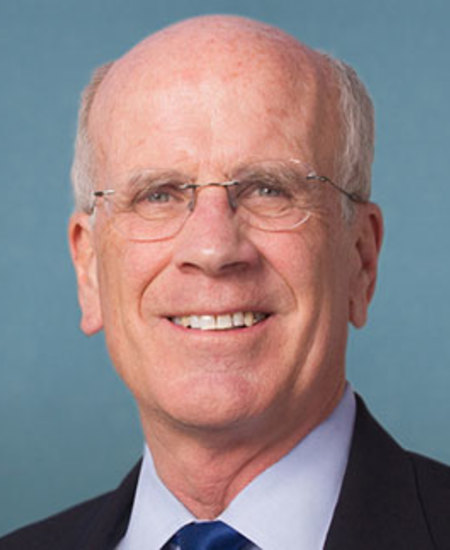
Peter Welch
Peter Welch Senate
D
Strong +
82% 22
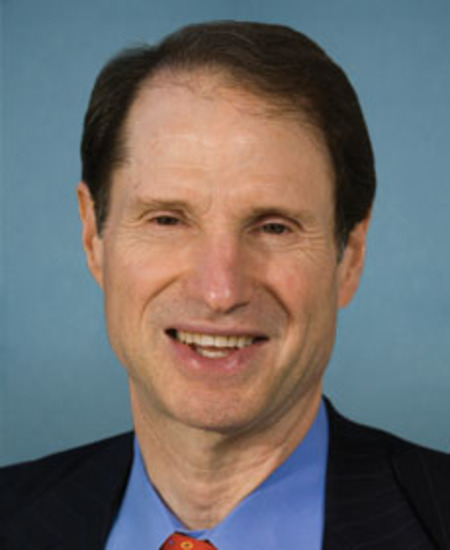
Ron Wyden
Ron Wyden Senate
D
Support
77% 22
Alex Padilla
Alex Padilla Senate
D
Support
76% 21
Ashley Moody
Ashley Moody Senate
R
Strong −
18% 22
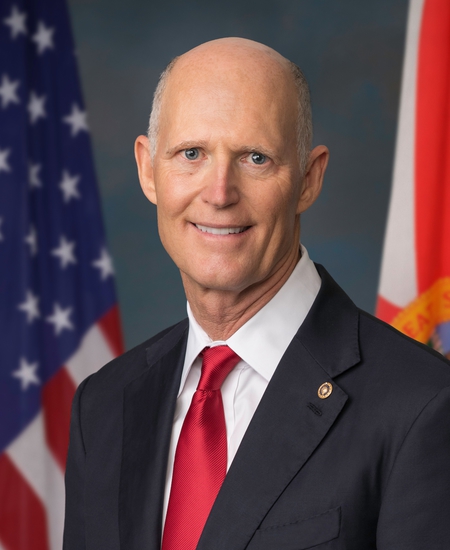
Rick Scott
Rick Scott Senate
R
Strong −
18% 22
Rand Paul
Rand Paul Senate
R
Oppose
23% 22
Brad Knott
Brad Knott House · District 13
R
Oppose
28% 18
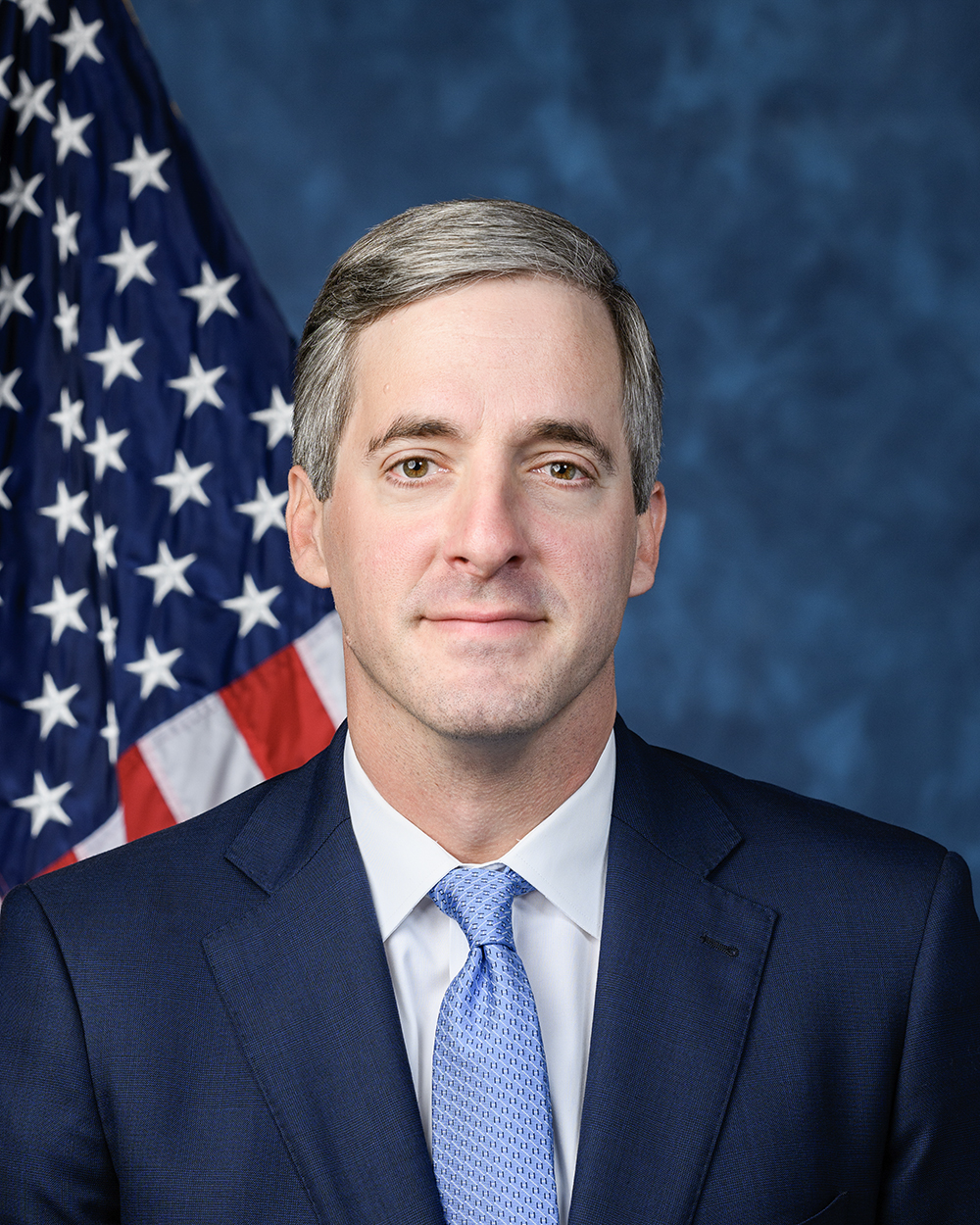
Pat Harrigan
Pat Harrigan House · District 10
R
Oppose
28% 18
Showing 331–340 of 2,910 bills

All healthcare bills

in committee · United States · Senate Jun 24, 2026

S 4886: Medicare Cost Cap Act of 2026

The Medicare Cost Cap Act of 2026 establishes a $5,000 annual limit on out-of-pocket costs for Medicare fee-for-service beneficiaries starting in 2028, after which Medicare will cover 100% of additional covered expenses. This protection applies to all individuals enrolled in Medicare Part A or Part B and includes tracking mechanisms to notify patients and providers once the cap is reached. The bill also modifies eligibility rules for low-income assistance programs, aligning income thresholds between Medicare Savings Programs and Medicaid and expanding data sharing to streamline enrollment for qualifying beneficiaries.
Sub-Topics Medicaid Medicare
in committee · United States · House Jun 30, 2026

HR 9538: Residential Recovery for Seniors Act

The Residential Recovery for Seniors Act expands Medicare coverage to include three specific levels of residential treatment for substance use disorders: clinically managed low-intensity, clinically managed high-intensity, and medically managed services. To qualify for this coverage, facilities must meet strict standards regarding staffing, clinical assessments, and adherence to evidence-based criteria developed by recognized medical associations. The bill also establishes a new payment system that reimburses these facilities on a per-day basis, starting in fiscal year 2027, with rates initially set to cover 100% of their estimated costs.
in committee · United States · Senate Jun 24, 2026

S 4920: SAFER Health Act of 2026

The SAFER Health Act of 2026 strengthens privacy protections for individuals by prohibiting healthcare providers and related entities from disclosing information about abortions or pregnancy losses in legal proceedings without the individual's explicit consent. This rule applies to all types of legal cases, including civil, criminal, and administrative matters, with specific exceptions for defending against professional liability claims or investigating physical harm caused to the individual. The bill also requires health IT systems to separate this sensitive data from other records and mandates that the Department of Health and Human Services update existing regulations to enforce these privacy standards. Additionally, the law preempts any conflicting state laws that offer less privacy protection for this specific type of medical information.
in committee · United States · Senate Jun 24, 2026

S 4940: Specialized Infant Formula Protection Act

The Specialized Infant Formula Protection Act aims to guarantee a steady supply of specialized formula for preterm babies by centralizing legal oversight. It grants federal courts the authority to hear lawsuits involving injuries from FDA-regulated preterm infant formula, regardless of whether the parties are from different states or involve foreign defendants. Additionally, the law allows defendants to move such cases from state courts to federal courts without needing permission from all other defendants. These changes are designed to prevent fragmented legal battles in various state courts that could disrupt the domestic supply of this critical medical product.
in committee · United States · House Jul 17, 2026

HR 9559: IBOGAINE Act

The IBOGAINE Act aims to accelerate the development and approval of ibogaine and similar compounds for treating addiction, trauma, and serious mental illnesses by modifying federal drug laws. It creates a new voucher system that grants sponsors of breakthrough mental health drugs priority review by the FDA, while also establishing special registration rules to allow physicians to legally administer Schedule I substances to eligible patients under the "right to try" law. The legislation further directs the Department of Veterans Affairs to create a dedicated senior official and workforce plan for emerging therapies, mandates timely rescheduling of ibogaine from Schedule I to Schedule II, and requires federal agencies to share clinical trial data to speed up the approval process.
in committee · United States · House May 14, 2026

HRES 1292: To acknowledge the Black Women Best framework to empower and improve life for all through guaranteed income, expanding child and income tax credit, increasing access to equitable health care and government assistance, prohibiting policing in schools, and prioritizing restorative justice.

This resolution formally acknowledges the Black Women Best framework, a policy blueprint designed to address historical economic disparities faced by Black women in the United States. It highlights specific strategies such as implementing guaranteed income, expanding tax credits, improving healthcare access, removing police from schools, and prioritizing restorative justice. The measure serves as a non-binding statement of support rather than a law that directly changes federal programs or mandates new actions. By recognizing this framework, the House encourages policymakers to use it as a guide for creating more equitable legislation that centers the lived experiences of Black women.
in committee · United States · House May 21, 2026

HR 9000: SCREEN for Type 1 Diabetes Act of 2026

The SCREEN for Type 1 Diabetes Act of 2026 directs the Centers for Disease Control and Prevention to launch a national public awareness campaign focused on type 1 diabetes detection, screening, and management. This initiative will provide written materials and public service announcements across various media platforms, including social media and television, while consulting with health organizations, schools, and community groups to ensure the content is culturally and linguistically appropriate. The bill authorizes $5 million annually from 2027 to 2031 to fund grants for nonprofit entities and state or local health departments to distribute these resources and increase screening access in communities with high incidence rates. Additionally, the law requires the Secretary of Health and Human Services to submit a report to Congress within one year detailing the campaign's activities and its impact on diabetes detection and management.
in committee · United States · House Jun 30, 2026

HRES 1402: Supporting the goals and ideals of Alzheimer's and Brain Awareness Month.

This resolution expresses the House of Representatives' support for the goals of Alzheimer's and Brain Awareness Month, which takes place in June. It aims to raise public awareness about Alzheimer's disease and other forms of dementia while encouraging individuals to educate themselves and advocate for better research and care services. The document highlights the significant impact of these conditions on millions of Americans and calls for increased support for patients, their families, and caregivers.
in committee · United States · House Jul 6, 2026

HR 9406: To amend title 38, United States Code, to eliminate the cap on the number of waivers to certain pay limitations that the Secretary of Veterans Affairs may issue for critical health care personnel of the Department of Veterans Affairs.

This bill removes the annual limit on the number of pay waivers the Secretary of Veterans Affairs can issue to critical health care workers. Currently, there is a cap on how many times these specific employees can receive temporary pay increases above the standard rate, which this legislation aims to eliminate. By deleting the relevant restriction in the U.S. Code, the measure allows the Department of Veterans Affairs to grant these salary adjustments without a numerical ceiling. The change directly affects VA medical staff and administrators who manage compensation for essential healthcare roles.
in committee · United States · Senate Jun 17, 2026

S 4819: Lifeline for First Responders Act

The Lifeline for First Responders Act creates a new grant program to support the mental health and wellness of emergency medical services and first responder agencies. Funded by $7.5 million annually from 2028 to 2032, these grants are distributed to fire services, EMS agencies, and dispatch centers for specific purposes. The program allows recipients to use the funds for stress reduction, suicide prevention, confidential counseling, family support, and related training. Managed by the National Highway Traffic Safety Administration, the initiative aims to provide resources for behavioral health and stigma reduction within these critical service sectors.
Sub-Topics Mental Health Tags Emergency Management Public Safety
Showing 331 to 340 of 2,910 bills
Previous 1 … 33 34 35 … 291 Next