Issue · Healthcare

Healthcare (Medicare)

Every healthcare bill, vote, and legislator stance in United States, automatically classified by Maddy, our AI policy reader.

Total bills
591
119th Congress
Top supporter
Christopher Murphy
88% support rate
Top opponent
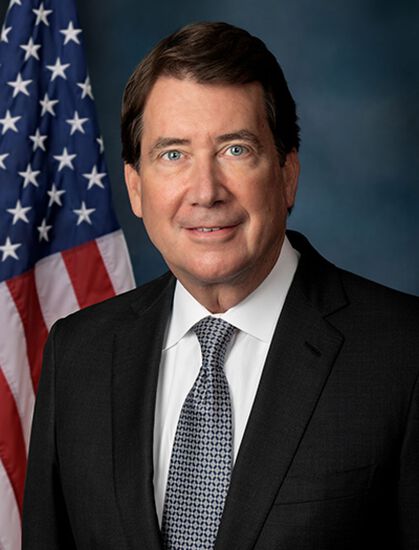
Bill Hagerty
12% support rate
Ranked legislators
10
5 support · 5 oppose
Key legislators

Who's moving medicare in United States

Legislators moving medicare in United States
Legislator Party Stance Support rate Decisive votes
Christopher Murphy
Christopher Murphy Senate
D
Strong +
88% 8
Adam B. Schiff
Adam B. Schiff Senate
D
Support
78% 9
Alex Padilla
Alex Padilla Senate
D
Support
78% 9
Amy Klobuchar
Amy Klobuchar Senate
D
Support
78% 9
Andy Kim
Andy Kim Senate
D
Support
78% 9
Bill Hagerty
Bill Hagerty Senate
R
Strong −
12% 8
Mitch McConnell
Mitch McConnell Senate
R
Strong −
12% 8
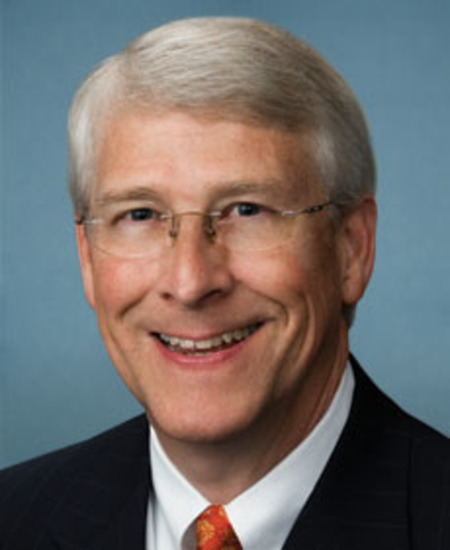
Roger F. Wicker
Roger F. Wicker Senate
R
Strong −
12% 8
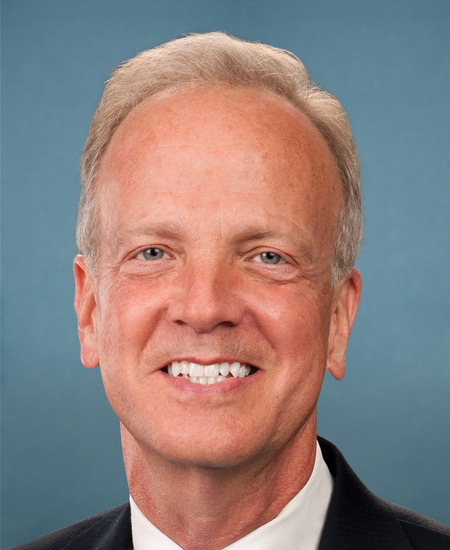
Jerry Moran
Jerry Moran Senate
R
Strong −
14% 7
Ashley Moody
Ashley Moody Senate
R
Oppose
22% 9
Showing 321–330 of 591 bills

All healthcare bills

in committee · United States · House Feb 3, 2026

HR 7336: ALS Better Care Act

This bill would improve Medicare reimbursement for specific care services needed by people with ALS (amyotrophic lateral sclerosis). It creates a new payment system for eight key services including specialized physician support, occupational therapy, speech pathology, physical therapy, dietary support, respiratory support, registered nurse support, and coordination of medical equipment. The bill sets a base payment of $800 for these services in 2027, with annual increases based on a specific formula. This directly affects ALS patients who would have better access to these services and the medical facilities that provide them.
in committee · United States · House Feb 11, 2026

HR 7496: Health Investment Zones Act of 2026

The Health Investment Zones Act of 2026 establishes a program to designate areas with documented health disparities as "Health Investment Zones" to improve health outcomes and reduce inequities. To qualify, areas must meet specific criteria including low income (below 150% of the federal poverty line), high rates of certain health issues, or designation as a health professional shortage area. The bill provides tax incentives for employers hiring workers in these zones, grants to community organizations for health initiatives, student loan repayment for health care workers, and additional Medicare payments for services provided in designated zones. These zones would be designated for 10 years with requirements for sustainability plans and evaluation of health outcomes.
Sub-Topics Tax Incentives Healthcare Workforce Medicare Tags Economic Development
in committee · United States · House May 21, 2026

HR 3164: Ensuring Community Access to Pharmacist Services Act

This bill would add pharmacist services to Medicare Part B coverage for beneficiaries, specifically covering pharmacist-led testing and treatment for illnesses like flu, COVID-19, or strep throat during public health emergencies. It defines covered services as those performed under state law, often requiring collaboration with a physician, and sets payment at 80% of the lesser of the actual charge or 85% of physician payment rates. Pharmacists would be prohibited from balance billing for these services, ensuring Medicare beneficiaries pay only their standard copayment. The changes would take effect January 1, 2026.
in committee · United States · House Jun 27, 2025

HR 4231: Treat and Reduce Obesity Act of 2025

Treat and Reduce Obesity Act of 2025 This bill expands Medicare coverage of intensive behavioral therapy for obesity. Specifically, the bill allows coverage for therapy that is provided by (1) a physician who is not a primary care physician; or (2) other health care providers (e.g., physician assistants and nurse practitioners) and approved counseling programs, if provided upon a referral from, and in coordination with, a physician or primary care practitioner. Currently, such therapy is covered only if provided by a primary care practitioner. The bill also allows coverage under Medicare's prescription drug benefit of drugs used for the treatment of obesity or for weight loss management for individuals who are overweight.
in committee · United States · House Dec 10, 2025

HR 4993: Joe Fiandra Access to Home Infusion Act of 2025

This bill expands Medicare coverage for home infusion therapy by changing how external infusion pumps and certain non-self-administered drugs are treated as durable medical equipment. It requires that these items be covered if three conditions are met: the drug's FDA-approved instructions require professional supervision, a qualified home infusion supplier administers/supervises the therapy at home, and the drug requires at least 12 infusions annually (either IV/subcutaneous or at pump-requiring rates). The bill directly affects Medicare beneficiaries needing long-term infusion drugs and qualified home infusion therapy suppliers. It also mandates that Medicare notify patients about cost-sharing differences between home infusion therapy and other care settings. This policy change clarifies coverage for specific home-based infusion treatments under defined safety and frequency requirements.
Sub-Topics Medicare
in committee · United States · House Jul 16, 2025

HR 4441: Patient Access to Innovative New Technologies Act of 2025

This bill creates a pathway for Medicare to cover innovative medical devices earlier. It allows "breakthrough devices" (new technologies designated for expedited FDA review) to qualify for Medicare's "new technology add-on payment" if approved, cleared, or authorized by the FDA before July 1 of a fiscal year. This means Medicare beneficiaries gain faster access to these new devices, and hospitals receive additional payment for using them, effective in the first quarter after FDA approval. The provision applies to devices approved on or after July 1, 2023, and is designed to be budget-neutral.
in committee · United States · House Jun 3, 2025

HR 3467: To amend title XVIII to reform the Medicare Advantage program.

HR 3467 reforms Medicare Advantage (MA) by requiring most plans to use fixed payments per member (capitated payments) starting in 2028, with exceptions for existing plans and special needs plans. It modifies payments by reducing blended benchmarks, changing how health status risk adjustments are calculated (using only face-to-face/telehealth diagnoses), and eliminating quality-based payment increases. The bill mandates automatic enrollment into the lowest-premium MA plan for eligible beneficiaries starting in 2028, with a 3-year enrollment lock-in period unless a hardship event occurs. Additionally, it requires MA plans to include hospice care coverage (with a 2028 transition exception) and adds an exception for durable medical equipment and Part D drugs under the Stark Law.
in committee · United States · House Mar 24, 2025

HR 2309: Medicare and Medicaid Fraud Prevention Act

This bill requires states to verify that Medicaid providers and suppliers are not deceased during enrollment and at least quarterly while enrolled. Starting January 1, 2027, states must check the federal Death Master File (a government database of deceased individuals) as part of provider onboarding and revalidation. The law directly affects all entities billing Medicaid for services, aiming to prevent fraud where deceased individuals' identities might be used. It creates a concrete, ongoing screening mechanism to ensure only active providers participate in the program.
Sub-Topics Medicaid Medicare
in committee · United States · House Jun 12, 2025

HR 4002: Patient Access to Higher Quality Health Care Act of 2025

Patient Access to Higher Quality Health Care Act of 2025 This bill repeals provisions under the Stark law (i.e., the Physician Self-Referral Law) that limit, for purposes of Medicare participation, self-referrals by newly constructed or expanded physician-owned hospitals.
Sub-Topics Hospitals Medicare
in committee · United States · House Sep 11, 2025

HR 5319: LINE Act

The LINE Act (HR 5319) prohibits the Centers for Medicare and Medicaid Services (CMS) and the Department of Health and Human Services (HHS) from sharing Medicaid health data with U.S. Immigration and Customs Enforcement (ICE). Specifically, it blocks the disclosure of individually identifiable health information from Medicaid enrollment records (under Title XIX of the Social Security Act) to ICE for immigration enforcement purposes. This directly affects Medicaid enrollees, particularly those who may be immigrants, by preventing their health data from being used in immigration proceedings. The law creates a clear barrier between Medicaid health records and immigration enforcement efforts.
Showing 321 to 330 of 591 bills
Previous 1 … 32 33 34 … 60 Next