Issue · Healthcare

Healthcare

Every healthcare bill, vote, and legislator stance in United States, automatically classified by Maddy, our AI policy reader.

Total bills
2,910
119th Congress
Top supporter
Darline Graham
100% support rate
Top opponent
Ashley Moody
18% support rate
Ranked legislators
10
5 support · 5 oppose
Key legislators

Who's moving healthcare in United States

Legislators moving healthcare in United States
Legislator Party Stance Support rate Decisive votes
Darline Graham
Darline Graham Senate
R
Strong +
100% 6
AA
Alan Armstrong Senate
R
Strong +
88% 8
Peter Welch
Peter Welch Senate
D
Strong +
82% 22
Ron Wyden
Ron Wyden Senate
D
Support
77% 22
Alex Padilla
Alex Padilla Senate
D
Support
76% 21
Ashley Moody
Ashley Moody Senate
R
Strong −
18% 22
Rick Scott
Rick Scott Senate
R
Strong −
18% 22
Rand Paul
Rand Paul Senate
R
Oppose
23% 22
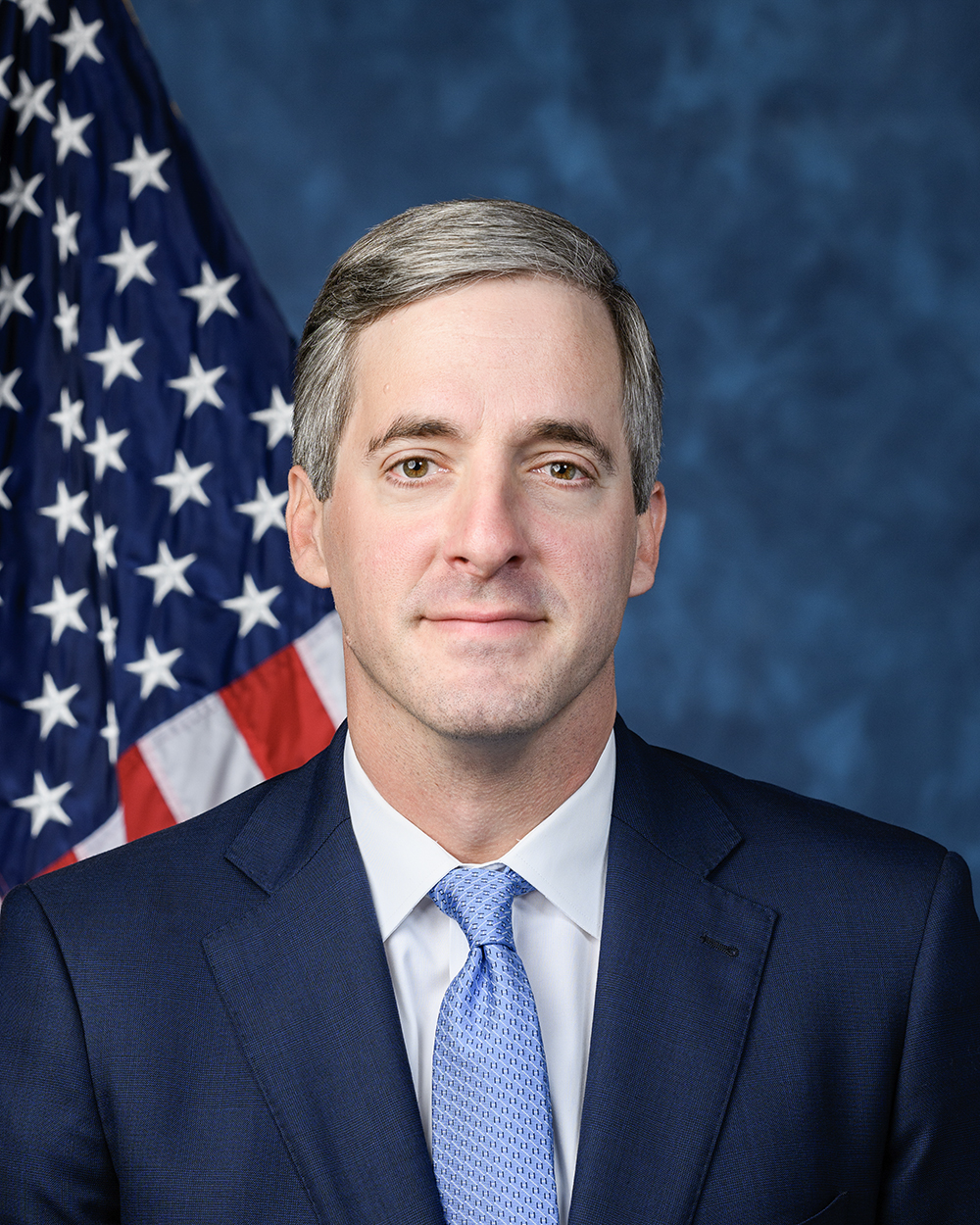
Brad Knott
Brad Knott House · District 13
R
Oppose
28% 18
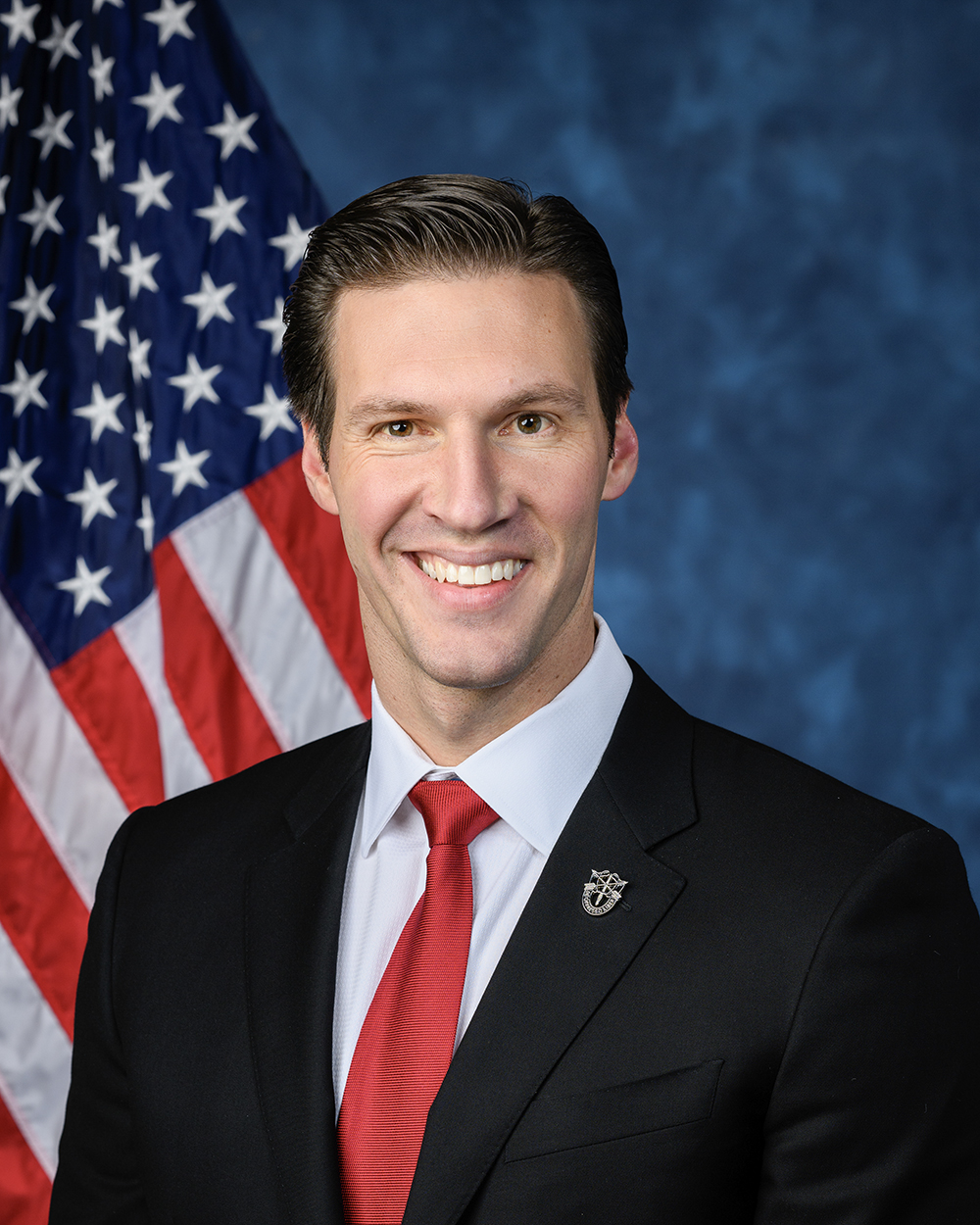
Pat Harrigan
Pat Harrigan House · District 10
R
Oppose
28% 18
Showing 311–320 of 2,910 bills

All healthcare bills

in committee · United States · House Jul 15, 2026

HR 9642: Medicare Access to Rural Anesthesiology Act

The Medicare Access to Rural Anesthesiology Act changes how Medicare pays for anesthesia services at specific small rural hospitals and critical access hospitals. To qualify for these changes, a hospital must be located in a rural area, have fewer than 800 surgeries requiring anesthesia, and employ or contract with no more than one full-time anesthesiologist who agrees not to bill Medicare separately for those services. Once a hospital meets these criteria, anesthesia care provided by an anesthesiologist there will be paid based on the hospital's actual costs rather than a fixed fee, and it will be classified as part of the hospital's inpatient services instead of a separate billable service. The law also requires the Department of Health and Human Services to update its regulations to reflect these new payment rules.
Sub-Topics Hospitals Medicare
in committee · United States · House Jul 9, 2026

HR 9635: Getting Innovations to Patients During Shutdowns Act

This bill, known as the Getting Innovations to Patients During Shutdowns Act, allows the Food and Drug Administration to continue reviewing applications for new drugs and medical devices even if the government funding for these programs lapses. Under the new rules, the FDA may accept incomplete applications that are missing only fee payments and will automatically extend the deadline to pay those fees by seven days after the funding gap ends. If the required fees are not paid by this extended deadline, the application will be treated as rejected and cannot be approved until the payment is made. The legislation aims to prevent government shutdowns from halting the evaluation of critical medical products while ensuring that necessary fees are still collected.
in committee · United States · House Jun 30, 2026

HR 9547: Veterans and Servicemembers PTSD Emerging Treatment Review Act of 2026

This bill directs the Department of Defense to review clinical trial data on psilocybin treatment for veterans and servicemembers with treatment-resistant PTSD. It requires the Assistant Secretary of Defense for Health Affairs to submit a report within 180 days analyzing the safety, dosing, and feasibility of these findings for military personnel, including those transitioning to civilian life. The report must also assess legal requirements for expanded access to the substance and outline plans for future pilot programs or research starting in fiscal year 2027. Additionally, the legislation mandates coordination with the Department of Veterans Affairs and other federal agencies to ensure continuity of care and appropriate regulatory oversight.
in committee · United States · Senate Jun 24, 2026

S 4927: Rural Hospital Emergency Room Guarantee Act

The Rural Hospital Emergency Room Guarantee Act creates a new funding program to support rural hospitals by establishing a dedicated Treasury fund that will provide annual payments to eligible facilities. To qualify for these funds, a hospital must be located in a rural area, participate in federal health programs, and operate a 24-hour emergency department, while also agreeing not to be owned by private equity or venture capital firms. The money received can only be used for normal operating expenses and staffing of the emergency department, with strict rules prohibiting transfers to other facilities or payments to executives. Additionally, the bill includes a special provision allowing for emergency payments of up to $250,000 if a hospital's emergency department is at risk of closing within two weeks.
Sub-Topics Hospitals
in committee · United States · House Jun 30, 2026

HR 9542: Protecting Health Care and Lowering Costs Act of 2026

This bill, titled the Protecting Health Care and Lowering Costs Act of 2026, directly affects individuals and entities impacted by previous Medicaid funding changes. Its primary mechanism is to repeal specific provisions from a 2024 reconciliation law that altered Medicaid funding rules, effectively restoring the program to its state before those changes were enacted. By removing these amendments, the legislation aims to reverse recent policy shifts regarding federal support for Medicaid without introducing new requirements or altering other parts of the healthcare system.
Sub-Topics Medicaid
in committee · United States · House Jun 29, 2026

HR 9531: Preventing Stomach Cancer in Our Nation’s Heroes Act

The Preventing Stomach Cancer in Our Nation's Heroes Act directs the Secretary of Defense to submit a report within 180 days outlining a plan to test military members for H. pylori bacteria as they transition to civilian life. This report must include cost estimates and a feasibility study for implementing screening using breath and stool-based methods, potentially incorporating input from medical experts specializing in gastrointestinal health. The legislation focuses on establishing a testing program rather than mandating immediate implementation, aiming to address the link between H. pylori and stomach cancer risks among veterans.
Sub-Topics Veteran Healthcare
in committee · United States · House Jun 25, 2026

HR 9488: Health Disparity Zones Act of 2026

The Health Disparity Zones Act of 2026 creates a program to designate specific geographic areas with high poverty, low life expectancy, and poor health outcomes as Health Disparity Zones. Once designated, these zones become eligible for a ten-year period of financial support, including a 10% increase in Medicare payments for services provided there, grants for community organizations, and tax credits for hiring local healthcare workers. The bill also establishes a student loan repayment program to encourage healthcare practitioners to work in these areas and requires the Department of Health and Human Services to report annually on the program's progress and effectiveness.
in committee · United States · Senate Jun 24, 2026

S 4924: Preserving Patient Access Act

The Preserving Patient Access Act requires health insurance plans to grant special enrollment periods when they remove a doctor from their network or stop covering a specific prescription drug that a patient has used recently. Under this bill, Medicare Advantage and individual market plans must allow individuals to join or switch plans within the same year if their current provider becomes out-of-network after a visit within the last two years or if a covered medication is dropped from the formulary within the last six months. These protections apply to both Medicare Advantage plans and private individual market plans, ensuring that patients can maintain access to their preferred doctors and medications without waiting for the annual open enrollment window. The changes are scheduled to take effect for plan years beginning on or after January 1, 2027.
in committee · United States · Senate Jun 24, 2026

S 4895: Turn the Tide Act

The Turn the Tide Act primarily increases federal funding for substance use disorder treatment, prevention, and recovery services, directing billions of dollars to states, tribes, and local organizations starting in fiscal year 2027. It expands access to medication-assisted treatment by prohibiting insurance companies from imposing prior authorization requirements or cost-sharing fees for these drugs and mandates that health plans cover at least one formulation of opioid overdose reversal medications without deductibles. The legislation also establishes new programs and grants to support first responder training, recovery housing, mental health care for children exposed to trauma, and workforce development in areas with the highest overdose death rates. Additionally, the bill extends existing Medicaid waivers and creates a demonstration project to test whether providing recovery housing under Medicaid can reduce emergency room visits and hospitalizations for individuals with opioid use disorders.
in committee · United States · Senate Jun 24, 2026

S 4885: Shandra Eisenga Human Cell and Tissue Product Safety Act

The Shandra Eisenga Human Cell and Tissue Product Safety Act directs the Secretary of Health and Human Services to launch a public awareness campaign educating medical professionals about organ and tissue donation processes and available screening tests. The bill increases civil penalties for violating safety regulations regarding human cell and tissue products, raising fines to $20,000 per violation with a maximum limit of $10 million per legal proceeding. Additionally, it requires the Food and Drug Administration to publish data on inspections and response times, establish a public docket for comments on regulatory modernization, and submit a report to Congress by September 2026 with recommendations on improving oversight.
Showing 311 to 320 of 2,910 bills
Previous 1 … 31 32 33 … 291 Next