Issue · Healthcare

Healthcare (Women's Health)

Every healthcare bill, vote, and legislator stance in United States, automatically classified by Maddy, our AI policy reader.

Total bills
302
119th Congress
Top supporter
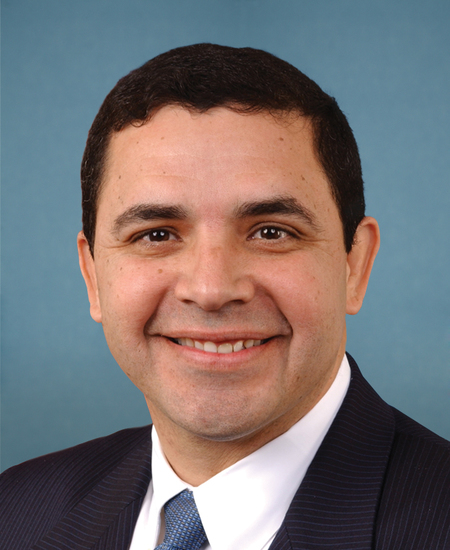
Henry Cuellar
100% support rate
Top opponent
John Garamendi
33% support rate
Ranked legislators
6
5 support · 1 oppose
Key legislators

Who's moving women's health in United States

Legislators moving women's health in United States
Legislator Party Stance Support rate Decisive votes
Henry Cuellar
Henry Cuellar House · District 28
D
Strong +
100% 4
Marcy Kaptur
Marcy Kaptur House · District 9
D
Support
67% 3
Mike Haridopolos
Mike Haridopolos House · District 8
R
Support
67% 3
Aaron Bean
Aaron Bean House · District 4
R
Mixed
50% 4
Abraham J. Hamadeh
Abraham J. Hamadeh House · District 8
R
Mixed
50% 4
John Garamendi
John Garamendi House · District 8
D
Oppose
33% 3
Showing 281–290 of 302 bills

All healthcare bills

in committee · United States · Senate Dec 9, 2025

S 3389: Lowering Health Care Costs for Americans Act

The Lowering Health Care Costs for Americans Act (S 3389) creates Healthcare Affordability Accounts that would receive premium tax credits instead of direct payments to consumers, with income-based limits on premium assistance ranging from $10 to $40 per month depending on income level. The bill prohibits coverage of gender transition procedures and abortion services under qualified health plans, while requiring detailed price transparency for hospitals, clinical diagnostic laboratories, imaging services, and ambulatory surgical centers to help consumers compare costs. It also mandates itemized bills for healthcare providers, including plain language descriptions of services, billing codes, and payment details, to improve consumer understanding of healthcare costs. The provisions apply to plan years beginning after 2026, with implementation timelines varying by section.
in committee · United States · Senate Sep 4, 2025

SRES 374: A resolution expressing the sense of the Senate that Secretary of Health and Human Services Robert Fitzgerald Kennedy Jr. does not have the confidence of the Senate or of the American people to faithfully carry out the duties of his office and should be removed from his position.

SRES 374 is a non-binding Senate resolution expressing that Secretary of Health and Human Services Robert F. Kennedy Jr. lacks the confidence of the Senate and American people to serve in his role. The resolution cites specific actions including the termination of $11 billion in public health funding, mass firings of scientists (notably eliminating 8 Offices of Minority Health), replacing all 17 members of the vaccine advisory committee (ACIP) with critics of vaccines, and dismantling programs supporting maternal health, disability services, and chronic disease research. It alleges these actions violated federal law, undermined scientific integrity, and endangered public health during a measles outbreak. The resolution calls for the Secretary’s removal but has no legal effect, as it is a symbolic statement of disapproval.
in committee · United States · House Jan 3, 2025

HRES 7: Recognizing the importance of access to comprehensive, high-quality, life-affirming medical care for women of all ages.

HRES 7 is a symbolic House resolution recognizing the importance of access to comprehensive, high-quality medical care for women. It specifically endorses the standards set by Pro Women’s Healthcare Centers, a national consortium that provides services like well-woman exams, STI testing, prenatal care, miscarriage support, and referrals for mental/emotional resources. The resolution expresses the House’s support for nationwide access to such care but does not create new laws or allocate funding. It serves as a statement of endorsement for the consortium’s model, which emphasizes holistic (physical, mental, and spiritual) care for women.
Sub-Topics Women's Health
in committee · United States · Senate Jan 28, 2026

SRES 590: A resolution designating January 23, 2026, as "Maternal Health Awareness Day".

SRES 590 designates January 23, 2026, as "Maternal Health Awareness Day" to highlight ongoing challenges in maternal health care. The resolution aims to raise public awareness about preventable pregnancy-related deaths, severe maternal morbidity, and racial disparities - such as Black women facing over three times higher pregnancy-related mortality rates than White women - while encouraging federal, state, and community action. It does not create new laws or funding but calls for recognizing these issues and supporting existing initiatives like expanded postpartum Medicaid coverage and maternal mortality review committees. This symbolic gesture targets broad audiences including healthcare providers, policymakers, and the public to promote equitable care.
in committee · United States · Senate Mar 19, 2026

S 2531: Uterine Fibroid Intervention and Gynecological Health Treatment Act of 2025

This bill directs the U.S. Department of Health and Human Services to fund research on early detection and treatment of uterine fibroids (non-cancerous uterine tumors) and to award grants to states. The grants will support state programs that increase early detection through screening (like advanced imaging), patient navigation services, public education campaigns, and implementing research-backed strategies. It also requires additional research on disparities in pain management during fibroid surgery and conditions like Asherman’s Syndrome. States receiving grants must report on program outcomes and research findings to Congress every two years. The bill directly affects healthcare systems, providers, and patients - particularly those facing disparities in gynecological care - by expanding access to early detection services.
Sub-Topics Women's Health
in committee · United States · Senate Mar 10, 2026

SCONRES 28: A concurrent resolution expressing support for the recognition of March 10, 2026, as "Abortion Provider Appreciation Day".

This concurrent resolution formally recognizes March 10, 2026, as "Abortion Provider Appreciation Day" to honor abortion providers and staff for their work in delivering essential reproductive care. It highlights their courage amid challenges including clinic closures, safety threats, and increased harassment following the Dobbs decision. The resolution symbolically affirms Congress's support for providers' safety and patients' access to abortion care, without creating new legal requirements or affecting any individuals directly. (1 sentence; procedural resolution)
in committee · United States · Senate Jan 22, 2025

S 186: No Taxpayer Funding for Abortion and Abortion Insurance Full Disclosure Act of 2025

This bill prohibits federal funds from being used for abortions or health plans covering abortion. It amends the Affordable Care Act to block premium tax credits and cost-sharing reductions for health plans that include abortion coverage (except for rape/incest cases or life-threatening conditions), and requires clear disclosure of abortion coverage and related surcharges in plan materials. The law explicitly exempts abortions performed due to rape, incest, or to preserve a mother's life, and allows separate abortion coverage using non-federal funds. It applies to all federal health programs and ACA marketplace plans, effective for plan years beginning after 2025.
in committee · United States · House Jul 15, 2025

HR 4406: State-Based Universal Health Care Act of 2025

This bill would allow states to create their own universal health care systems by applying for waivers that replace federal health programs with state-based coverage. States would need to demonstrate they can cover at least 95% of residents within 5 years, maintain comparable benefits and affordability, and provide comprehensive coverage including reproductive health services. The federal government would redirect funds that would have gone to federal programs like Medicaid and Medicare to the states, with states required to submit regular reports on coverage progress and costs. The bill includes specific protections for Indian health care providers and ensures coverage for vulnerable populations without imposing new costs on them. This framework would apply to states that choose to implement their own universal health care system rather than relying on existing federal programs.
in committee · United States · House Dec 9, 2025

HR 6538: More Affordable Care Act

This bill would allow states to waive certain Affordable Care Act requirements for health insurance starting in 2026, provided they maintain a high-risk insurance pool. Residents in participating states would receive funds directly into "Trump Health Freedom Accounts" instead of traditional premium tax credits, which could be used to purchase health insurance with restrictions on coverage for gender transition procedures and abortion services. The bill also modifies tax credits for small employers in participating states and requires better price transparency and outcomes reporting from healthcare providers. It would directly affect residents and small businesses in states that choose to participate in the waiver program.
in committee · United States · Senate Jul 23, 2025

S 2408: Access to Fertility Treatment and Care Act

This bill would require health insurance plans that cover obstetrical services to also cover fertility treatment, including procedures like in vitro fertilization, artificial insemination, embryo preservation, and related medications. It applies to private insurance plans, federal employee health benefits, TRICARE, VA benefits, Medicaid programs, and Medicare. The law mandates coverage regardless of whether a patient has been diagnosed with infertility, prohibits cost-sharing exceeding what's applied to other medical services, and requires plans to provide clear notice about the coverage to participants. The goal is to make fertility treatment more accessible and affordable for people who need it.
Showing 281 to 290 of 302 bills
Previous 1 … 28 29 30 … 31 Next