Issue · Healthcare

Healthcare (Medicaid)

Every healthcare bill, vote, and legislator stance in United States, automatically classified by Maddy, our AI policy reader.

Total bills
441
119th Congress
Top supporter
Christopher Murphy
89% support rate
Top opponent
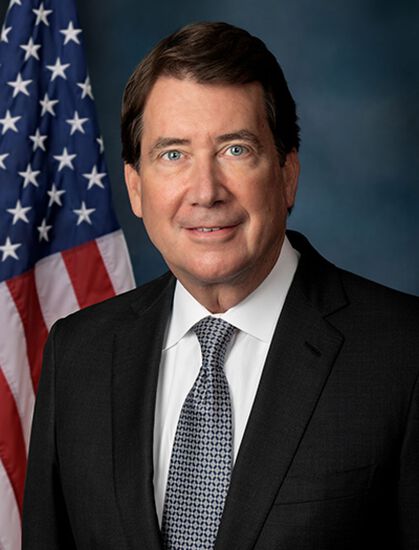
Bill Hagerty
11% support rate
Ranked legislators
10
5 support · 5 oppose
Key legislators

Who's moving medicaid in United States

Legislators moving medicaid in United States
Legislator Party Stance Support rate Decisive votes
Christopher Murphy
Christopher Murphy Senate
D
Strong +
89% 9
Adam B. Schiff
Adam B. Schiff Senate
D
Strong +
80% 10
Alex Padilla
Alex Padilla Senate
D
Strong +
80% 10
Amy Klobuchar
Amy Klobuchar Senate
D
Strong +
80% 10
Andy Kim
Andy Kim Senate
D
Strong +
80% 10
Bill Hagerty
Bill Hagerty Senate
R
Strong −
11% 9
Mitch McConnell
Mitch McConnell Senate
R
Strong −
11% 9
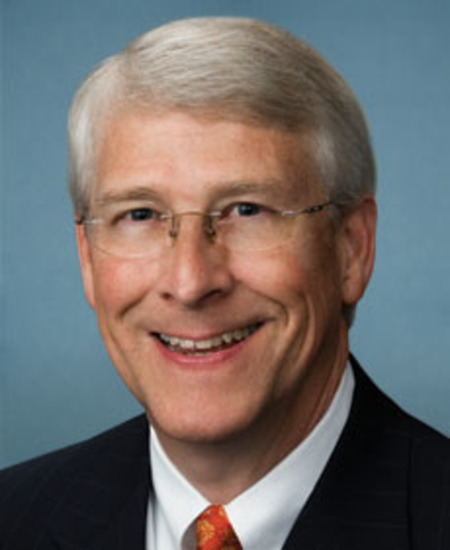
Roger F. Wicker
Roger F. Wicker Senate
R
Strong −
11% 9
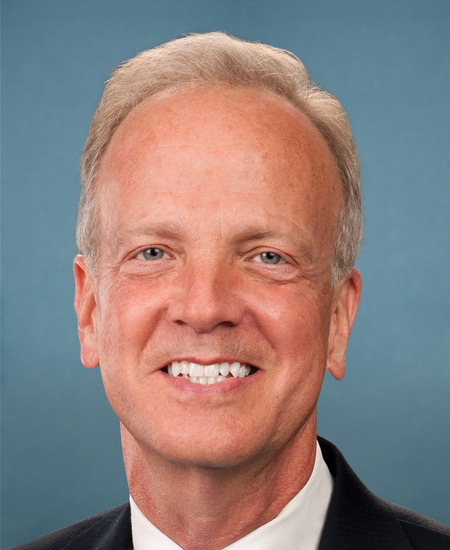
Jerry Moran
Jerry Moran Senate
R
Strong −
12% 8
Ashley Moody
Ashley Moody Senate
R
Strong −
20% 10
Showing 281–290 of 441 bills

All healthcare bills

in committee · United States · House Jul 2, 2025

HR 4277: Rural Emergency Hospital Financial Stability Act

This bill clarifies that Medicaid must cover services provided by rural emergency hospitals, as defined in existing law. It amends the Social Security Act to specifically include "rural emergency hospital services" in Medicaid payments for outpatient care and adds coverage for nursing facility services provided within these hospitals. The changes take effect immediately upon enactment and require the Health and Human Services Secretary to issue final regulations within 12 months. The law directly affects rural emergency hospitals and their patients by ensuring Medicaid reimbursement for these specific services.
in committee · United States · House Apr 24, 2025

HR 3021: Empowering Patient Choice of Medical Care Act

HR 3021, the Empowering Patient Choice of Medical Care Act, changes Medicare rules to expand access to outpatient hospital care. Starting January 1, 2026, the Health Secretary cannot block outpatient designation for a service solely because it might only be safe in an inpatient setting. This directly affects Medicare beneficiaries who would previously have been required to stay in a hospital for certain procedures now eligible for outpatient care. The bill removes a specific administrative barrier, allowing more flexibility for patients and providers without altering Medicare coverage or payment rates.
in committee · United States · House Feb 14, 2025

HR 1381: COVID–19 Vaccination Non-Discrimination Act

HR 1381, the "COVID-19 Vaccination Non-Discrimination Act," blocks federal funding to healthcare facilities that refuse treatment based solely on a patient's COVID-19 vaccination status. It directly affects hospitals, clinics, and other providers receiving federal funds under Medicare (Title XVIII), Medicaid (Title XIX), or CHIP (Title XXI) programs. The key provision withholds all federal funds - such as those for hospital payments or Medicaid services - from any facility that denies care due to vaccination status. This policy change ensures that access to care cannot be restricted based on vaccination, applying specifically to federally funded healthcare settings. The bill does not alter vaccination requirements but prevents discrimination in treatment access for patients.
in committee · United States · House Mar 9, 2026

HR 7871: MVP Act

HR 7871 (MVP Act) updates Medicaid drug rebate rules to allow manufacturers to report multiple "best price points" for drugs sold under outcome-based payment arrangements, requiring these arrangements to be offered to all states. It clarifies how average manufacturer price is calculated for such drugs and exempts certain outcome-linked payments from anti-kickback laws. The bill also mandates a GAO study to assess whether these arrangements improve patient access, lower costs, and reduce disparities in drug coverage. This affects Medicaid programs nationwide, drug manufacturers, and patients receiving covered outpatient drugs under Medicaid.
passed · United States · House Dec 18, 2025

HR 498: Do No Harm in Medicaid Act

HR 498, the "Do No Harm in Medicaid Act," prohibits federal Medicaid funding for gender transition procedures for individuals under 18 years old. The bill amends the Social Security Act to define "specified gender transition procedures" broadly, including surgeries, hormone treatments, and certain medications, and bans federal Medicaid coverage for these services for minors. Exceptions are made only for medically necessary treatments related to precocious puberty, genetic disorders of sex development, or urgent medical conditions requiring bodily correction (like infections or injuries from prior procedures). This directly affects minors enrolled in Medicaid state plans, as states would no longer receive federal funds for these specific covered services.
Sub-Topics Medicaid
in committee · United States · Senate Mar 11, 2025

S 927: Protecting Pharmacies in Medicaid Act

Protecting Pharmacies in Medicaid Act This bill provides funds beginning in FY2026 for the Centers for Medicare & Medicaid Services to survey retail and non-retail pharmacies (e.g., mail-order pharmacies) to determine average prices of covered outpatient drugs under Medicaid. Pharmacies that fail to participate in the surveys are subject to civil penalties. The bill additionally provides funds for FY2026 for the Office of the Inspector General of the Department of Health and Human Services to study the results of the survey and report accordingly to Congress. The bill also requires pass-through pricing models, and prohibits spread-pricing, for payment arrangements with pharmacy benefit managers under Medicaid.
in committee · United States · House Apr 24, 2025

HR 3022: Restoring Rights of Physicians to Own Hospitals Act

This bill repeals restrictions that previously prevented physicians from owning hospitals, particularly in rural areas. It amends Section 1877 of the Social Security Act to remove specific ownership prohibitions and exceptions related to rural hospitals. The key change allows physicians to directly own or invest in hospitals without needing special qualifying exceptions. This directly affects physicians seeking to own rural hospitals and rural hospitals that previously faced ownership barriers. The bill makes a concrete policy change by removing these legal barriers to physician ownership.
in committee · United States · Senate May 5, 2025

S 1598: BABIES Act

The BABIES Act (S 1598) creates two main programs to expand access to independent birth centers. First, it provides grants of $300,000-$500,000 per year to up to 15 accredited birth centers in underserved areas (e.g., maternity care shortage zones) for facility upgrades, equipment, or accreditation costs ($5 million total over 2026-2030). Second, it launches a Medicaid demonstration program testing new payment models for birth centers serving low-risk pregnant women enrolled in Medicaid, requiring centers to meet strict accreditation, licensure, and care coordination standards. This directly affects birth centers seeking expansion, Medicaid recipients in underserved communities, and states developing payment systems for birth center services.
in committee · United States · Senate Jul 24, 2025

S 2447: Repealing the Trump Sick Tax Act

This bill repeals two specific provisions from the 2023 "Trump Sick Tax Act" (Public Law 119-21) that affected Medicaid and drug pricing. It restores previous Medicaid cost-sharing rules under Title XIX of the Social Security Act and reverts changes to orphan drug exclusions under the Drug Price Negotiation Program (Title XI). These changes directly affect Medicaid beneficiaries and pharmaceutical manufacturers by returning to the pre-2023 policy framework for cost-sharing and drug pricing negotiations. The bill does not create new programs but reverses specific cost-related provisions enacted in 2023.
in committee · United States · Senate Jun 10, 2025

S 2004: Maternal and Infant Syphilis Prevention Act

This bill requires the Secretary of Health and Human Services to issue guidance to state Medicaid programs, CHIPs, and Indian health programs within 12 months of enactment. The guidance focuses on improving syphilis screening for pregnant women (including third trimester and delivery testing), expanding treatment access, educating medical providers and patients, and integrating telehealth services. It directly affects states administering Medicaid/CHIP programs, Indian Health Service, tribes, and urban Indian health organizations by setting best practices for preventing congenital syphilis. The bill mandates a report to Congress within two years analyzing how states implement these guidance recommendations.
Showing 281 to 290 of 441 bills
Previous 1 … 28 29 30 … 45 Next