Issue · Healthcare

Healthcare

Every healthcare bill, vote, and legislator stance in United States, automatically classified by Maddy, our AI policy reader.

Total bills
2,910
119th Congress
Top supporter
Darline Graham
100% support rate
Top opponent
Ashley Moody
18% support rate
Ranked legislators
10
5 support · 5 oppose
Key legislators

Who's moving healthcare in United States

Legislators moving healthcare in United States
Legislator Party Stance Support rate Decisive votes
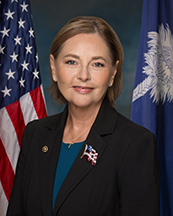
Darline Graham
Darline Graham Senate
R
Strong +
100% 6
AA
Alan Armstrong Senate
R
Strong +
88% 8
Peter Welch
Peter Welch Senate
D
Strong +
82% 22
Ron Wyden
Ron Wyden Senate
D
Support
77% 22
Alex Padilla
Alex Padilla Senate
D
Support
76% 21
Ashley Moody
Ashley Moody Senate
R
Strong −
18% 22
Rick Scott
Rick Scott Senate
R
Strong −
18% 22
Rand Paul
Rand Paul Senate
R
Oppose
23% 22
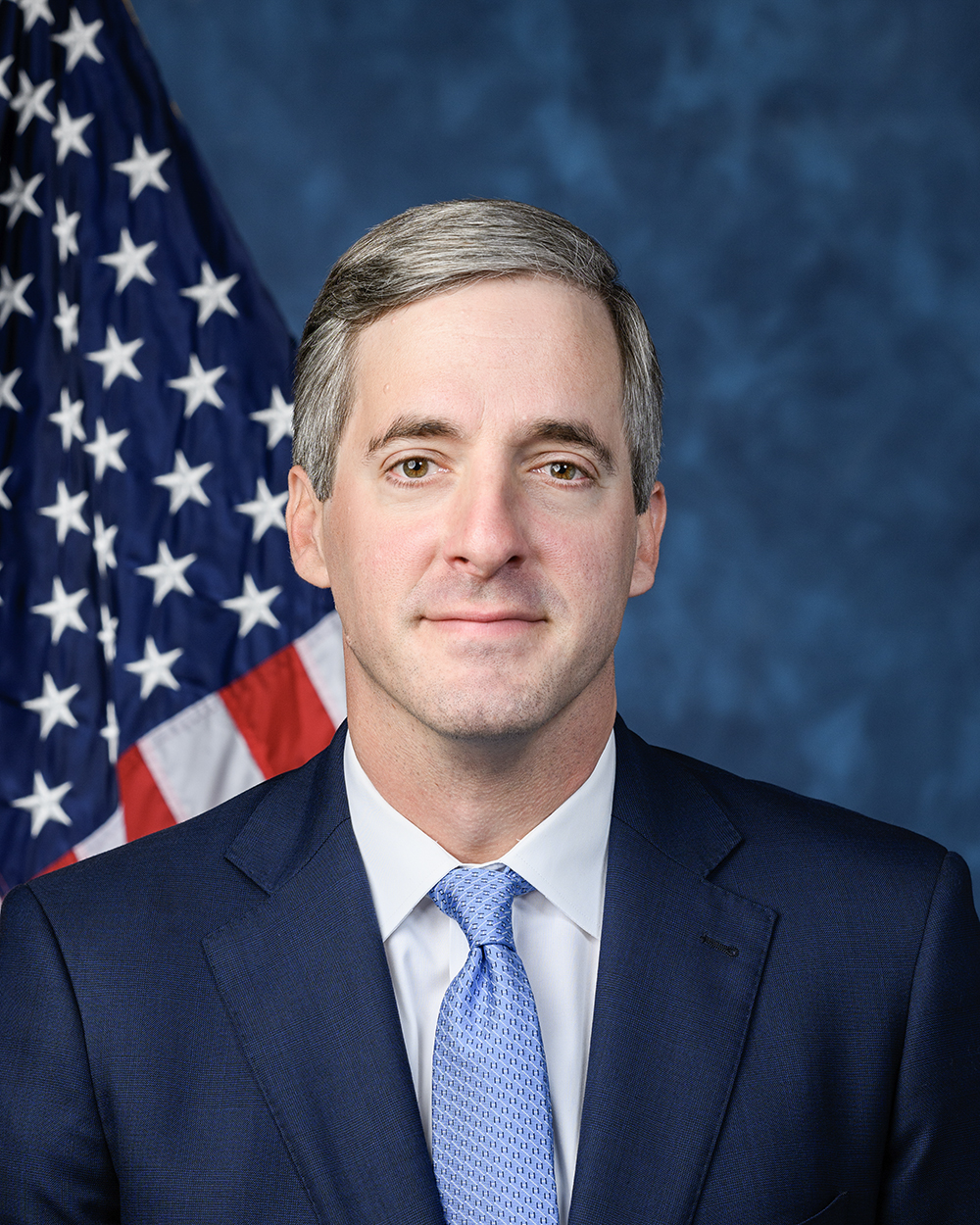
Brad Knott
Brad Knott House · District 13
R
Oppose
28% 18
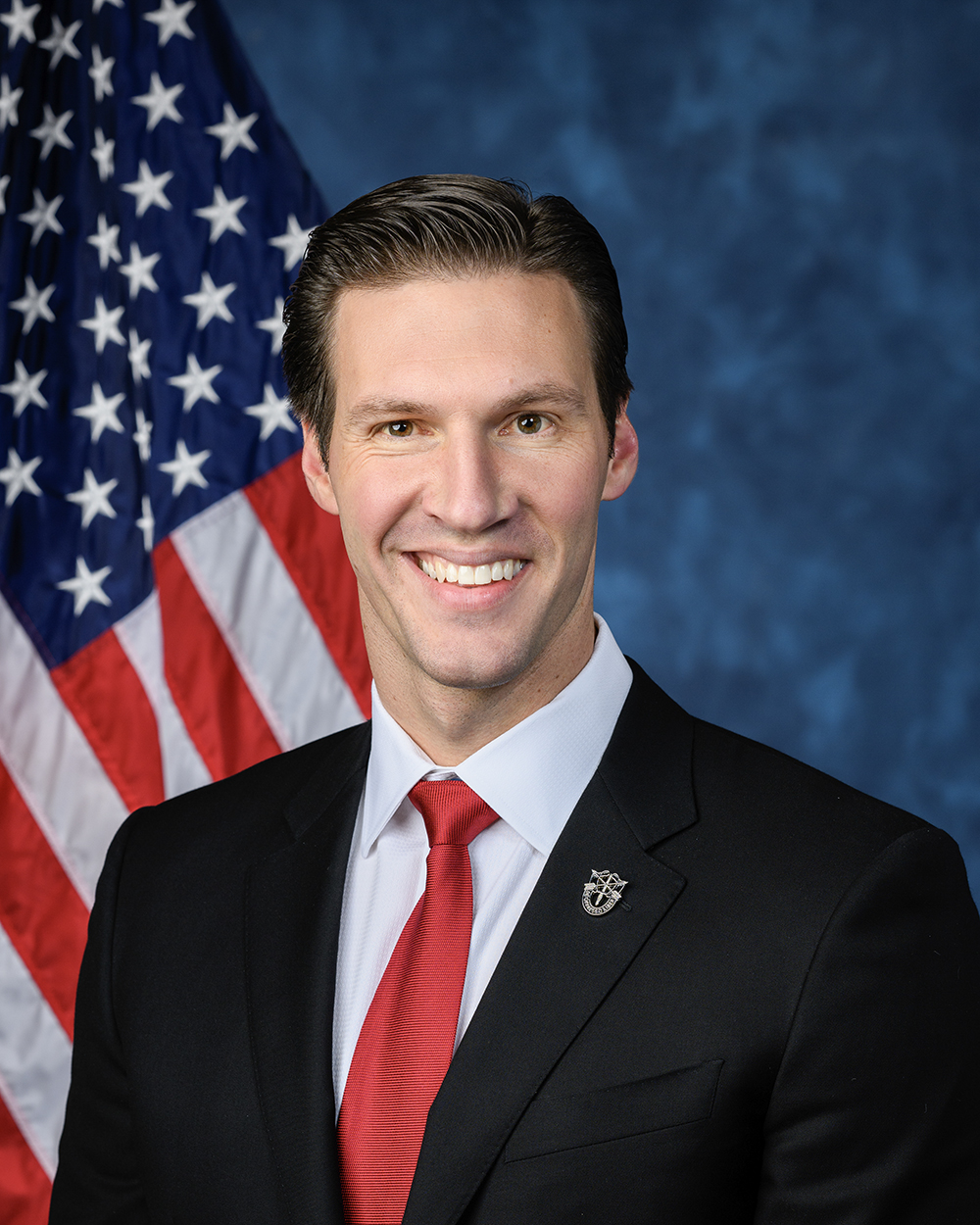
Pat Harrigan
Pat Harrigan House · District 10
R
Oppose
28% 18
Showing 2,771–2,780 of 2,910 bills

All healthcare bills

in committee · United States · House Mar 10, 2025

HRES 210: Supporting the goals and ideals of National Women and Girls HIV/AIDS Awareness Day.

HRES 210 is a symbolic resolution recognizing National Women and Girls HIV/AIDS Awareness Day on March 10. It highlights that women, especially women of color (including Black and Latina women), are disproportionately affected by HIV in the U.S. and globally, with data showing they account for significant shares of new diagnoses and deaths. The resolution calls for greater focus on HIV vulnerabilities among women and girls, improved access to prevention tools like PrEP, and stronger investment in care, treatment, and research to reduce health disparities. It urges support for evidence-based programs addressing gender-based violence, discrimination, and barriers to sexual health services.
Sub-Topics Public Health
in committee · United States · Senate Sep 16, 2025

S 2825: Health Access Innovation Act of 2025

The Health Access Innovation Act of 2025 establishes a federal grant program to fund community-based organizations working in medically underserved areas. It authorizes $50 million in 2026, increasing to $70 million by 2030, to expand access to culturally appropriate care and address health inequities. Grants support services like medical screenings, hiring community health workers (including promotores de salud), and tackling barriers like transportation or housing that affect health outcomes. Priority is given to organizations that operated health programs during public health emergencies. The bill directly affects communities disproportionately impacted by chronic health disparities and the organizations serving them.
Sub-Topics Public Health
in committee · United States · House Aug 1, 2025

HR 4849: Protecting Health Care and Lowering Costs Act of 2025

This bill adjusts health insurance subsidies by modifying the premium tax credit structure under the Internal Revenue Code. It replaces previous income thresholds with a sliding-scale formula, increasing subsidies for households earning between 150% and 400% of the federal poverty level - reducing their required premium payments as income rises within these tiers. The changes apply to tax years beginning after December 31, 2025, directly affecting middle-income individuals and families purchasing coverage through health insurance marketplaces. It also repeals specific provisions from a prior reconciliation law related to health care.
in committee · United States · Senate Feb 11, 2026

SRES 604: A resolution recognizing that it is the duty of the Federal Government to develop and implement a Transgender Bill of Rights to protect and codify the rights of transgender and nonbinary people under the law and ensure their access to medical care, shelter, safety, and economic security.

This is a Senate resolution (SRES 604), not a bill, expressing the Senate's non-binding view that the federal government should create a Transgender Bill of Rights. It calls for protections including equal access to healthcare (specifically affirming gender-affirming care), anti-discrimination measures in employment and housing, easier legal gender recognition on documents, and safety improvements for transgender and nonbinary people in custody. The resolution outlines detailed policy goals but does not create new law or mandate government action. It serves as a statement of principle, not a legislative proposal.
Sub-Topics Civil Rights
in committee · United States · Senate Feb 12, 2026

S 3869: Healthy Families Act

The Healthy Families Act would require most private employers and certain government entities to provide employees with earned paid sick time, allowing workers to take up to 56 hours per year for their own health needs, caring for family members, or addressing domestic violence, sexual assault, or stalking. Employees would earn 1 hour of paid sick time for every 30 hours worked, with the ability to use it for medical appointments, caring for family members with health needs, or seeking safety from violence. The bill prohibits employers from retaliating against workers who use this time and requires employers to post clear notices about the policy. It applies to most private employers, with specific provisions for government entities like the Library of Congress and Government Accountability Office.
in committee · United States · House Mar 11, 2025

HR 2085: Mental Health Research Accelerator Act of 2025

HR 2085 creates a 25% tax credit for businesses and tax-exempt entities (like hospitals or nonprofits) conducting translational research on neurodegenerative diseases and psychiatric conditions. The credit covers 25% of qualifying research expenses, with annual funding limits of $1 billion in 2026, $2 billion annually from 2027-2030, and $1 billion in 2031. Funds are allocated based on scientific merit, requiring projects to cover all research phases, prioritize new therapies for mental/neurological disorders, and encourage public-private partnerships. The credit expires after 2035 and cannot be used to offset deductions for the same expenses.
passed · United States · Senate Dec 17, 2025

SRES 492: A resolution recognizing community care as an essential tool for meeting the health care needs of the veterans of the United States.

This Senate resolution recognizes community care - treatment outside VA facilities - as essential for meeting veterans' health needs. It affirms that community care complements, rather than replaces, VA health services, as established by the 2018 VA MISSION Act. The resolution urges the VA to fully implement the MISSION Act to ensure veterans receive timely care through community providers when VA facilities cannot meet their needs. It does not create new programs or funding but formally supports existing community care access as a key part of veteran healthcare.
in committee · United States · House May 15, 2025

HRES 419: Expressing support for the designation of May 17, 2025, as "DIPG Awareness Day" to raise awareness and encourage research into cures for diffuse intrinsic pontine glioma (DIPG) and pediatric cancers in general.

HRES 419 designates May 17, 2025, as "DIPG Awareness Day" to raise public awareness about diffuse intrinsic pontine glioma (DIPG), a fatal pediatric brain cancer with a median survival of 9 months and less than 1% 5-year survival rate. The resolution encourages public and private funding sources to prioritize research for DIPG and other pediatric cancers by considering mortality rates and life-years lost when allocating grants. It does not create new laws but symbolically urges greater attention to this unmet medical need.
Sub-Topics Children's Health
in committee · United States · Senate Feb 6, 2025

S 474: Fair Funding for Rural Hospitals Act

This bill establishes minimum annual funding levels for Medicaid Disproportionate Share Hospital (DSH) payments to states, directly affecting rural hospitals and state Medicaid programs. For fiscal years 2025 through 2029, it sets a minimum $20 million DSH allotment per state, and for 2030 onward, it requires states to maintain the prior year's minimum amount adjusted for inflation. The provision prevents states from reducing DSH funding below these specified floors, ensuring consistent support for hospitals serving high numbers of low-income patients. It applies to all states receiving Medicaid DSH payments under federal law.
Sub-Topics Hospitals Medicaid Tags Rural Communities
in committee · United States · House Sep 23, 2025

HR 5553: CTE Student Mental Health and Wellness Act

This bill amends existing law to expand access to mental health services for students in career-focused education programs. It updates the definition of "covered institution" to include both area career and technical education schools (under the Perkins Act) and traditional colleges, ensuring these schools qualify for the same federal mental health and substance use disorder services already available to other higher education institutions. The change directly affects CTE students by making their schools eligible for existing federal funding and support mechanisms. The bill makes no new funding commitments but adjusts legal language to include CTE programs in current service provisions.
Showing 2,771 to 2,780 of 2,910 bills