Issue · Healthcare

Healthcare

Every healthcare bill, vote, and legislator stance in United States, automatically classified by Maddy, our AI policy reader.

Total bills
2,910
119th Congress
Top supporter
Darline Graham
100% support rate
Top opponent
Ashley Moody
18% support rate
Ranked legislators
10
5 support · 5 oppose
Key legislators

Who's moving healthcare in United States

Legislators moving healthcare in United States
Legislator Party Stance Support rate Decisive votes
Darline Graham
Darline Graham Senate
R
Strong +
100% 6
AA
Alan Armstrong Senate
R
Strong +
88% 8
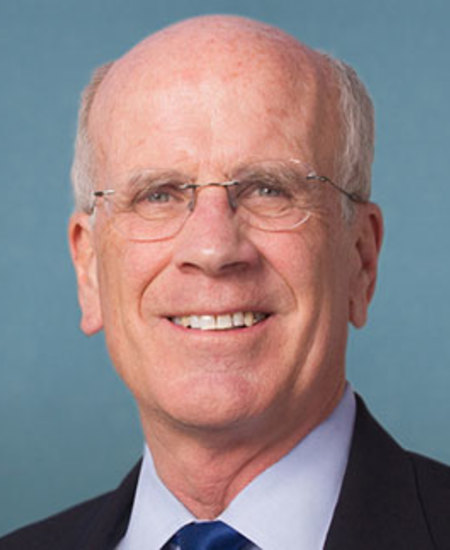
Peter Welch
Peter Welch Senate
D
Strong +
82% 22
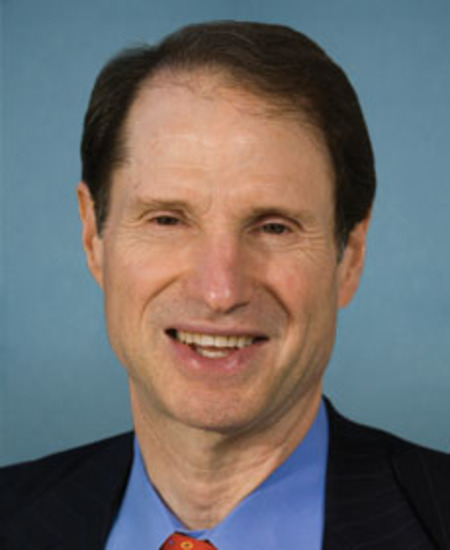
Ron Wyden
Ron Wyden Senate
D
Support
77% 22
Alex Padilla
Alex Padilla Senate
D
Support
76% 21
Ashley Moody
Ashley Moody Senate
R
Strong −
18% 22
Rick Scott
Rick Scott Senate
R
Strong −
18% 22
Rand Paul
Rand Paul Senate
R
Oppose
23% 22
Brad Knott
Brad Knott House · District 13
R
Oppose
28% 18
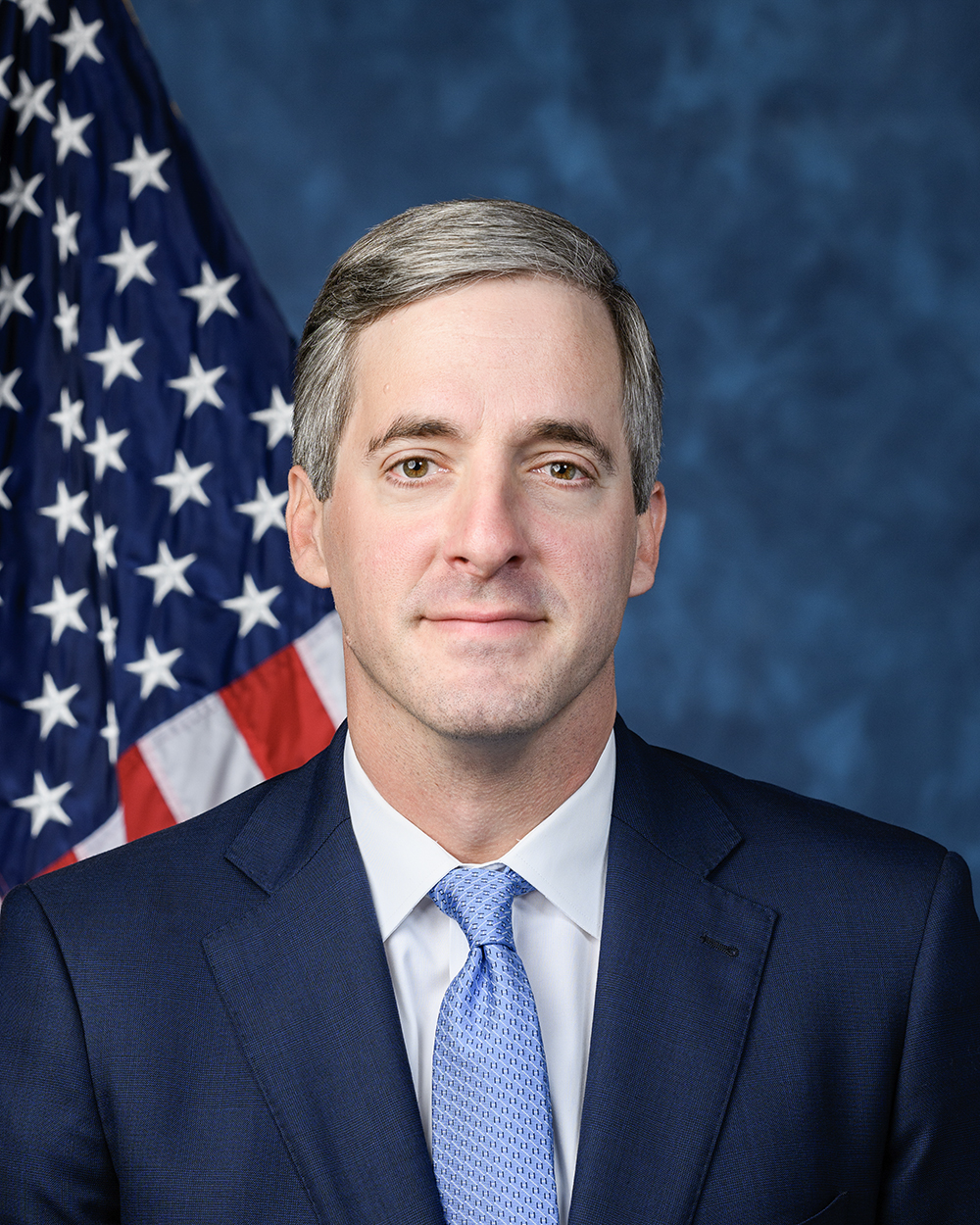
Pat Harrigan
Pat Harrigan House · District 10
R
Oppose
28% 18
Showing 261–270 of 2,910 bills

All healthcare bills

in committee · United States · House Jul 16, 2026

HR 9743: TRUTH in Coverage Act of 2026

The TRUTH in Coverage Act of 2026 requires group health plans and health insurance issuers that cover gender-affirming procedures to also cover medical services intended to treat physical and psychological complications resulting from those procedures. This mandate applies regardless of whether the original gender-affirming treatment was covered by the plan and ensures that any required follow-up care faces the same cost-sharing rules and limitations as standard medical benefits. The bill defines "sex-rejecting procedures" broadly to include hormone therapy, surgeries, and puberty blockers, while explicitly excluding treatments for intersex conditions, life-threatening emergencies, and standard puberty suppression for early puberty. These provisions would take effect for plan years beginning on or after January 1, 2027, affecting individuals with access to employer-sponsored or individual health insurance.
Sub-Topics Insurance
in committee · United States · House Jul 15, 2026

HR 9712: Mamas First Act

The Mamas First Act aims to reduce maternal mortality rates by expanding Medicaid coverage to include support services from doulas, midwives, tribal midwives, and lactation providers. This legislation modifies the Social Security Act to allow these professionals to bill Medicaid for prenatal, labor, and postpartum care delivered in various settings, including homes, hospitals, and clinics. To qualify for reimbursement, doulas must hold a certification requiring continuing education and gather specific client or provider recommendations, while midwives and lactation support providers must meet defined state or international standards. The bill also prohibits Medicaid programs from charging copayments or deductibles for these essential services, with the changes taking effect on January 1, 2027.
Sub-Topics Medicaid
in committee · United States · House Jul 6, 2026

HR 9599: SECURE 340B Act

The SECURE 340B Act strengthens oversight of the drug discount program for safety-net health care providers by establishing clearer definitions for patients and prescribing providers, requiring detailed record-keeping to prove a legitimate patient relationship. The bill introduces strict rules for contract pharmacies, mandating that manufacturers cannot restrict discounts based on their use and requiring full transparency on where these drugs are dispensed. It also expands eligibility for child sites of covered entities while imposing a new community need standard based on geographic vulnerability scores to prevent abuse. To improve program integrity, the legislation creates a centralized data clearinghouse to track claims and prevent duplicate discounts, while simultaneously prohibiting discriminatory practices by insurance companies and pharmacy benefit managers against covered entities. Finally, the Act authorizes new user fees and additional funding for the Health Resources and Services Administration to support expanded audits and enforcement activities.
Sub-Topics Prescription Drugs
in committee · United States · House Jun 3, 2026

HR 9117: CHECK Act of 2026

The CHECK Act of 2026 requires healthcare intermediaries, such as pharmacy benefit managers and third-party administrators, to provide group health plans with quarterly, detailed reports on their pricing formulas, rebates, and fees without charge. This legislation also mandates that these providers supply specific data on alternative payment models and prohibits contract clauses that delay or restrict access to this financial information. Additionally, the bill expands transparency for patients by requiring health plans to send itemized explanations of benefits within 45 days of a payment request and obligating healthcare providers to issue itemized bills that include plain language descriptions, billing codes, and charity care information. These new reporting and billing requirements are designed to help plans verify costs and enable patients to better understand their medical expenses. Non-compliance with these disclosure rules could result in civil penalties of up to $100,000 per day for service providers and up to $10,000 per instance for healthcare facilities.
Sub-Topics Prescription Drugs
in committee · United States · Senate Jul 20, 2026

S 5034: Medicare Advantage Supplemental Benefits Transparency Act of 2026

The Medicare Advantage Supplemental Benefits Transparency Act of 2026 requires Medicare Advantage plans to submit detailed data on supplemental benefits to the federal government starting in 2029. This information will include specific details about what benefits are offered, eligibility rules, and how much each enrollee spends on these services. The Centers for Medicare & Medicaid Services will then make this de-identified data available to the public and researchers for analysis after a two-year delay. To support the implementation of these reporting requirements, the bill appropriates $12 million for fiscal year 2026.
Sub-Topics Medicaid Medicare
in committee · United States · House Jul 16, 2026

HR 9754: Health Claim Denial Transparency Act

The Health Claim Denial Transparency Act requires group health plans to include detailed data in their annual reports, specifically detailing the number of claims submitted, approved, denied, and appealed. This reporting covers various claim types, including prescription drugs, mental health services, cancer treatments, and those processed using artificial intelligence, while also specifying the reasons for denials such as lack of prior authorization or medical necessity. The law applies to plans with fewer than 100 participants and includes an exception for small plans that handle very few specific types of claims to avoid excessive administrative burdens. By mandating this disclosure, the bill aims to increase visibility into how health plans process and reject medical benefit requests.
Sub-Topics Mental Health
in committee · United States · Senate Jul 15, 2026

S 4993: POPCaP Act of 2026

The POPCaP Act of 2026 establishes a precision oncology program within the Department of Veterans Affairs specifically for veterans diagnosed with prostate cancer. To deliver this care, the bill designates 21 existing VA medical centers across the country as provisional centers of excellence, requiring each to perform genetic sequencing, participate in clinical trials, and maintain specific staffing levels including oncologists and researchers. These centers will operate under a centralized leadership team that coordinates research activities, manages a national data registry, and ensures veterans have access to the latest biomarker-specific treatments. The legislation authorizes $15.5 million annually for fiscal years 2027 through 2029 to fund the program and mandates annual reports to Congress detailing patient outcomes and research progress.
in committee · United States · Senate Jul 14, 2026

S 4963: Outpatient Surgery Access Act of 2026

The Outpatient Surgery Access Act of 2026 changes how Medicare calculates payment updates for ambulatory surgical centers starting in 2027. It requires the Centers for Medicare & Medicaid Services to use the same annual price increase factors applied to other outpatient services, rather than a separate calculation. Additionally, the bill removes a specific rule that previously limited these payment updates to keep total spending flat, allowing for more consistent price adjustments. These changes directly affect hospitals and clinics that perform surgeries on an outpatient basis and the patients who receive those services under Medicare.
Sub-Topics Medicaid Medicare
in committee · United States · House Jul 16, 2026

HR 9759: Turn the Tide Act

The Turn the Tide Act primarily increases federal funding for substance use disorder treatment, prevention, and recovery services, directing billions of dollars to states, tribes, and local organizations for the years 2027 through 2030. Key provisions include expanding Medicaid coverage for mental health and behavioral health services, removing insurance barriers to medication-assisted treatment, and limiting cost-sharing requirements for opioid overdose reversal medications. The bill also establishes new grant programs to support recovery housing, train first responders, and assist law enforcement with mental health and wellness initiatives. Additionally, it targets funding toward states with the highest rates of drug overdose deaths and extends existing waivers to improve Medicaid delivery systems in those areas.
in committee · United States · House Jul 16, 2026

HR 9734: Protecting Patients from Automated Denials Act

The Protecting Patients from Automated Denials Act requires Medicare Advantage plans to ensure that any denial of medical coverage based on artificial intelligence is reviewed and approved by a qualified physician before it is issued. This rule, which applies to plan years starting on or after January 1, 2027, mandates that the reviewing doctor must exercise independent medical judgment and provide a signed statement confirming the denial was not generated by AI. Additionally, the plan must inform the patient and provider that AI was used, share the doctor's contact information, and keep detailed records of the process for at least 10 years. The legislation also establishes a system for the government to audit these plans and requires them to submit regular reports on how often AI is used to deny care.
Showing 261 to 270 of 2,910 bills
Previous 1 … 26 27 28 … 291 Next