Issue · Healthcare

Healthcare

Every healthcare bill, vote, and legislator stance in United States, automatically classified by Maddy, our AI policy reader.

Total bills
2,910
119th Congress
Top supporter
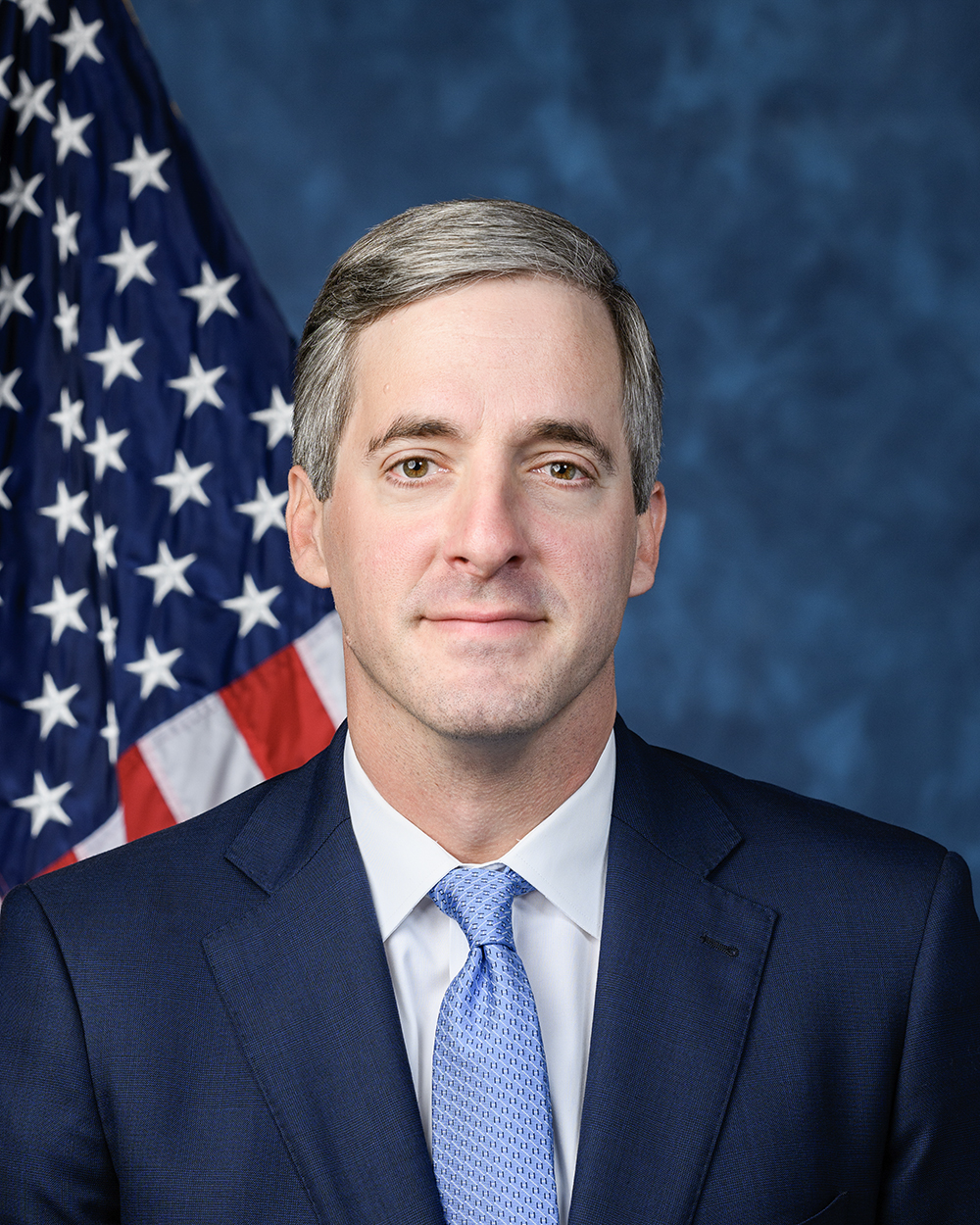
Darline Graham
100% support rate
Top opponent
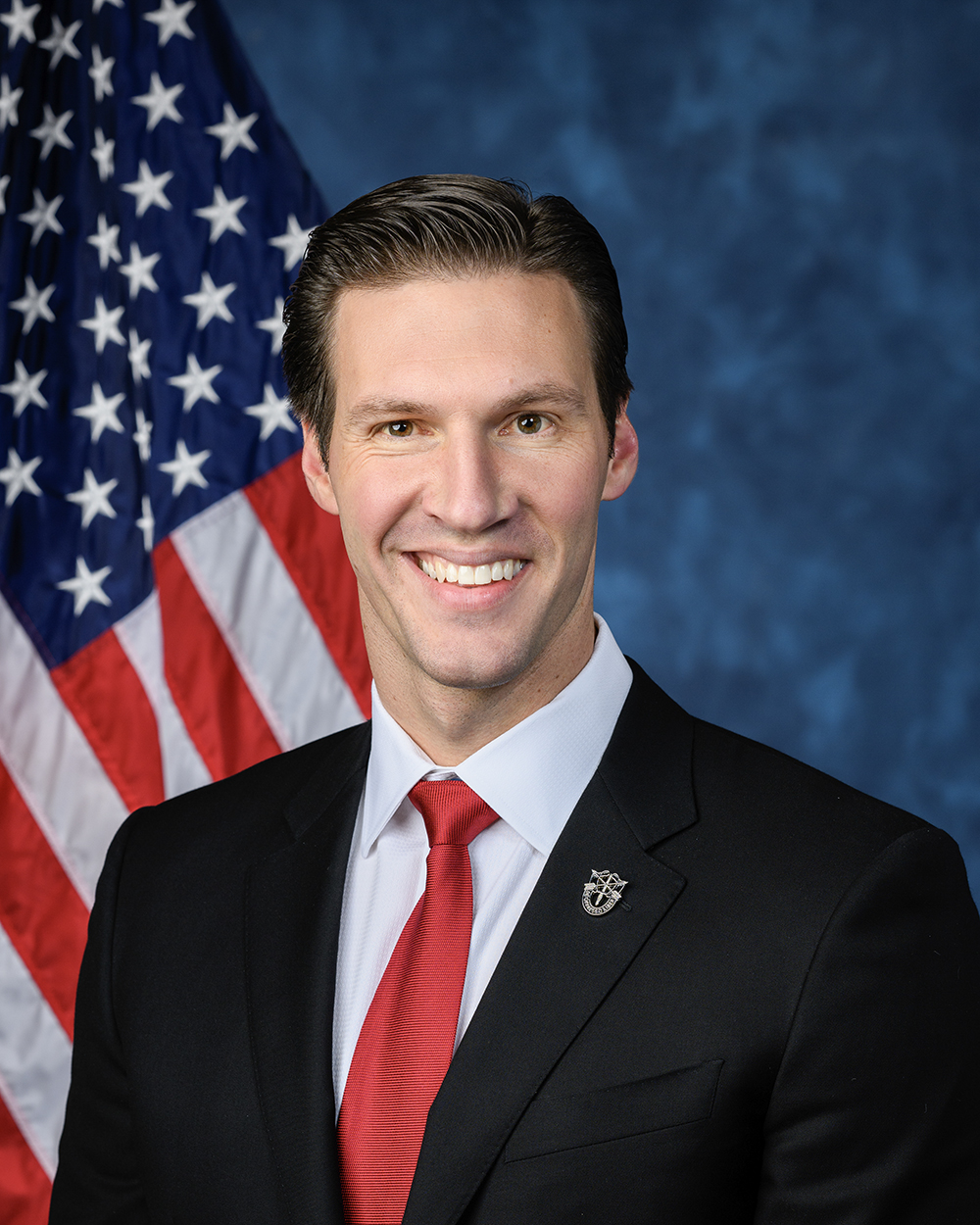
Ashley Moody
18% support rate
Ranked legislators
10
5 support · 5 oppose
Key legislators

Who's moving healthcare in United States

Legislators moving healthcare in United States
Legislator Party Stance Support rate Decisive votes
Darline Graham
Darline Graham Senate
R
Strong +
100% 6
AA
Alan Armstrong Senate
R
Strong +
88% 8
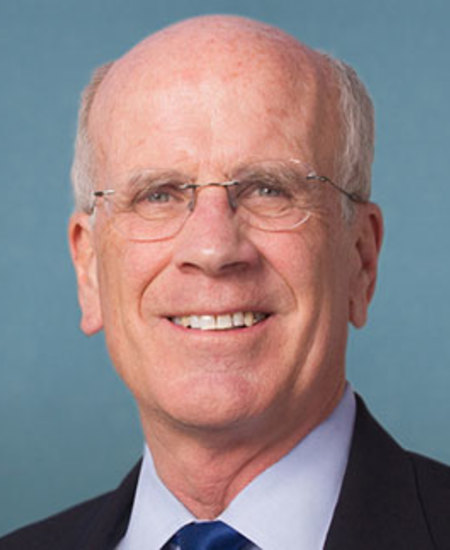
Peter Welch
Peter Welch Senate
D
Strong +
82% 22
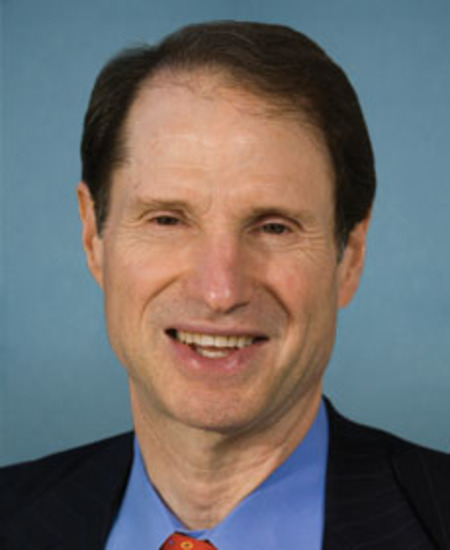
Ron Wyden
Ron Wyden Senate
D
Support
77% 22
Alex Padilla
Alex Padilla Senate
D
Support
76% 21
Ashley Moody
Ashley Moody Senate
R
Strong −
18% 22
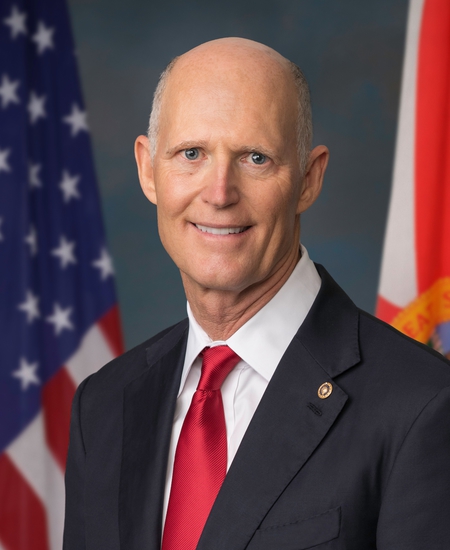
Rick Scott
Rick Scott Senate
R
Strong −
18% 22
Rand Paul
Rand Paul Senate
R
Oppose
23% 22
Brad Knott
Brad Knott House · District 13
R
Oppose
28% 18
Pat Harrigan
Pat Harrigan House · District 10
R
Oppose
28% 18
Showing 2,541–2,550 of 2,910 bills

All healthcare bills

in committee · United States · Senate Aug 1, 2025

S 2645: DHS Suicide Prevention and Resiliency for Law Enforcement Act

This bill establishes a mandatory mental health and wellness program for all Department of Homeland Security (DHS) law enforcement officers and agents across components like U.S. Customs and Border Protection, ICE, TSA, and the Coast Guard. Key provisions require DHS to create a Peer-to-Peer Support Program Advisory Council, implement annual suicide prevention training for officers, improve access to confidential mental health resources, and reduce stigma through mandatory awareness campaigns. The law mandates confidential data collection on mental health and suicides to evaluate program effectiveness, while prohibiting the use of personally identifiable information for disciplinary purposes. DHS components must also develop family support services and ensure safeguards against adverse actions for personnel seeking mental health assistance.
Sub-Topics Mental Health
in committee · United States · Senate Apr 9, 2025

S 1390: Physician Led and Rural Access to Quality Care Act

This bill amends federal rules governing physician self-referral to improve access for rural hospitals. It creates a new exemption for "covered rural hospitals" (defined as rural facilities meeting specific criteria) from certain referral restrictions, while clarifying they aren't required to meet additional criteria. It also removes a prohibition on expanding existing physician-owned hospitals, allowing such expansions to begin immediately upon enactment. The changes directly affect rural hospitals qualifying under the new definition and physician-owned hospitals seeking to expand. The bill modifies existing Social Security Act provisions without creating new programs or funding.
Sub-Topics Hospitals
in committee · United States · House Feb 5, 2026

HR 7394: Mental Health Career Promotion Act

HR 7394, the Mental Health Career Promotion Act, creates a federal grant program to help schools and community colleges connect students with mental health careers. It provides $50 million annually (2027-2031) for partnerships between schools, community colleges, and mental health providers to run programs like career presentations, internships, and professional shadowing for students in grades 9-12 or community college. These programs must be culturally appropriate and evaluated using standardized outcomes, with grantees reporting annually on effectiveness. The bill directly affects educational institutions and mental health organizations working to build pipelines for careers like counselors, social workers, and addiction specialists.
in committee · United States · House Jan 15, 2026

HR 6182: Find It Early Act

The Find It Early Act requires most health insurance plans, Medicare, Medicaid, TRICARE, and VA benefits to cover certain breast cancer screenings without cost-sharing for specific at-risk groups. It affects individuals at increased breast cancer risk (as determined by medical guidelines), those with dense breast tissue (as defined by the American College of Radiology), and others requiring screening due to factors like age, race, ethnicity, or family history. The bill mandates coverage for various screening methods including mammograms, ultrasounds, MRI, and other technologies at frequencies recommended by the National Comprehensive Cancer Network. This requirement takes effect for plan years beginning January 1, 2026, removing financial barriers to early detection.
in committee · United States · Senate Feb 12, 2026

S 3886: Nurses Belong in Nursing Homes Act

This bill establishes minimum nurse staffing requirements for nursing homes participating in Medicare and Medicaid. It requires facilities to provide 24-hour registered nurse coverage (transitioning from 8-hour daily coverage within 180 days of enactment) and maintain a minimum of 3.48 hours of nursing care per resident daily. The bill mandates a study every four years to review staffing standards based on resident needs and safety data, with findings informing future regulations. Additionally, it directs states to use a portion of collected civil penalties to fund workforce programs like student loan repayment and career pathway development for nursing home staff.
in committee · United States · Senate Mar 26, 2025

S 1144: PHIT Act of 2025

The PHIT Act of 2025 (S 1144) allows taxpayers to deduct certain fitness expenses as medical costs on federal income taxes. It covers gym memberships, exercise classes, and fitness equipment (up to $1,000 per person annually, or $2,000 for joint filers), provided the expenses are exclusively for physical activity. Equipment must be used solely for exercise (e.g., athletic shoes worn only for activity), and facilities must meet strict criteria like excluding golf/sailing and complying with anti-discrimination laws. The bill aims to reduce financial barriers to healthy habits by making these costs tax-deductible for eligible taxpayers who itemize deductions.
in committee · United States · House Mar 14, 2025

HR 2092: SPEAK Act of 2025

HR 2092, the SPEAK Act of 2025, requires the Health and Human Services Secretary to create guidance for healthcare entities within one year of enactment. This guidance focuses on improving telehealth access for people with limited English proficiency, directly affecting health IT companies, hospitals, insurers, language service providers, and interpreters. Key provisions include best practices for using interpreters during video appointments, providing multilingual patient materials (like appointment reminders and prescriptions), and making digital health portals accessible. The bill aims to standardize language access in telehealth services without changing existing laws.
Sub-Topics Telehealth
in committee · United States · Senate Dec 4, 2025

S 3345: PBM Price Transparency and Accountability Act

The PBM Price Transparency and Accountability Act requires pharmacy benefit managers (PBMs) to be more transparent about drug pricing and ensure accurate payments to pharmacies. It establishes national average drug acquisition cost benchmarks for Medicaid, prohibits PBMs from keeping excessive profits through "spread pricing," and mandates detailed reporting of drug pricing, rebates, and fees. The bill affects Medicaid programs, Medicare Part D plans, and the PBMs that negotiate drug prices on behalf of insurers. It includes enforcement mechanisms like civil penalties for non-compliance and requires PBMs to report detailed pricing information to the Secretary of Health and Human Services.
in committee · United States · Senate Nov 20, 2025

S 3267: ASAP Act

S 3267, the ASAP Act, would require Medicare to cover early detection screening tests for Alzheimer's disease and related dementias starting January 1, 2028. The bill defines these tests as FDA-cleared or approved blood, genomic, or imaging-based screenings for pre-symptomatic or early-stage detection. It directly affects Medicare beneficiaries aged 65+ who may be at risk for Alzheimer's, ensuring coverage for these specific tests once approved. The key provision adds these screenings to Medicare's payment system under Section 1833(h)(1)(A) of the Social Security Act.
Sub-Topics Medicare
in committee · United States · Senate Oct 16, 2025

S 3014: Ensuring Timely Access to Generics Act of 2025

This bill amends FDA review procedures to prevent delays in generic drug approvals. It requires drug companies challenging generic applications to submit a petition to the FDA within 180 days of knowing the relevant information, rather than immediately filing lawsuits. The FDA must issue a final decision on such petitions within 151 days, and courts will automatically dismiss lawsuits that skip this step or miss the 180-day deadline. These changes directly affect pharmaceutical manufacturers seeking to challenge generic drug approvals or delay their market entry.
Sub-Topics Prescription Drugs
Showing 2,541 to 2,550 of 2,910 bills