Issue · Healthcare

Healthcare

Every healthcare bill, vote, and legislator stance in United States, automatically classified by Maddy, our AI policy reader.

Total bills
2,910
119th Congress
Top supporter
Darline Graham
100% support rate
Top opponent
Ashley Moody
18% support rate
Ranked legislators
10
5 support · 5 oppose
Key legislators

Who's moving healthcare in United States

Legislators moving healthcare in United States
Legislator Party Stance Support rate Decisive votes
Darline Graham
Darline Graham Senate
R
Strong +
100% 6
AA
Alan Armstrong Senate
R
Strong +
88% 8
Peter Welch
Peter Welch Senate
D
Strong +
82% 22
Ron Wyden
Ron Wyden Senate
D
Support
77% 22
Alex Padilla
Alex Padilla Senate
D
Support
76% 21
Ashley Moody
Ashley Moody Senate
R
Strong −
18% 22
Rick Scott
Rick Scott Senate
R
Strong −
18% 22
Rand Paul
Rand Paul Senate
R
Oppose
23% 22
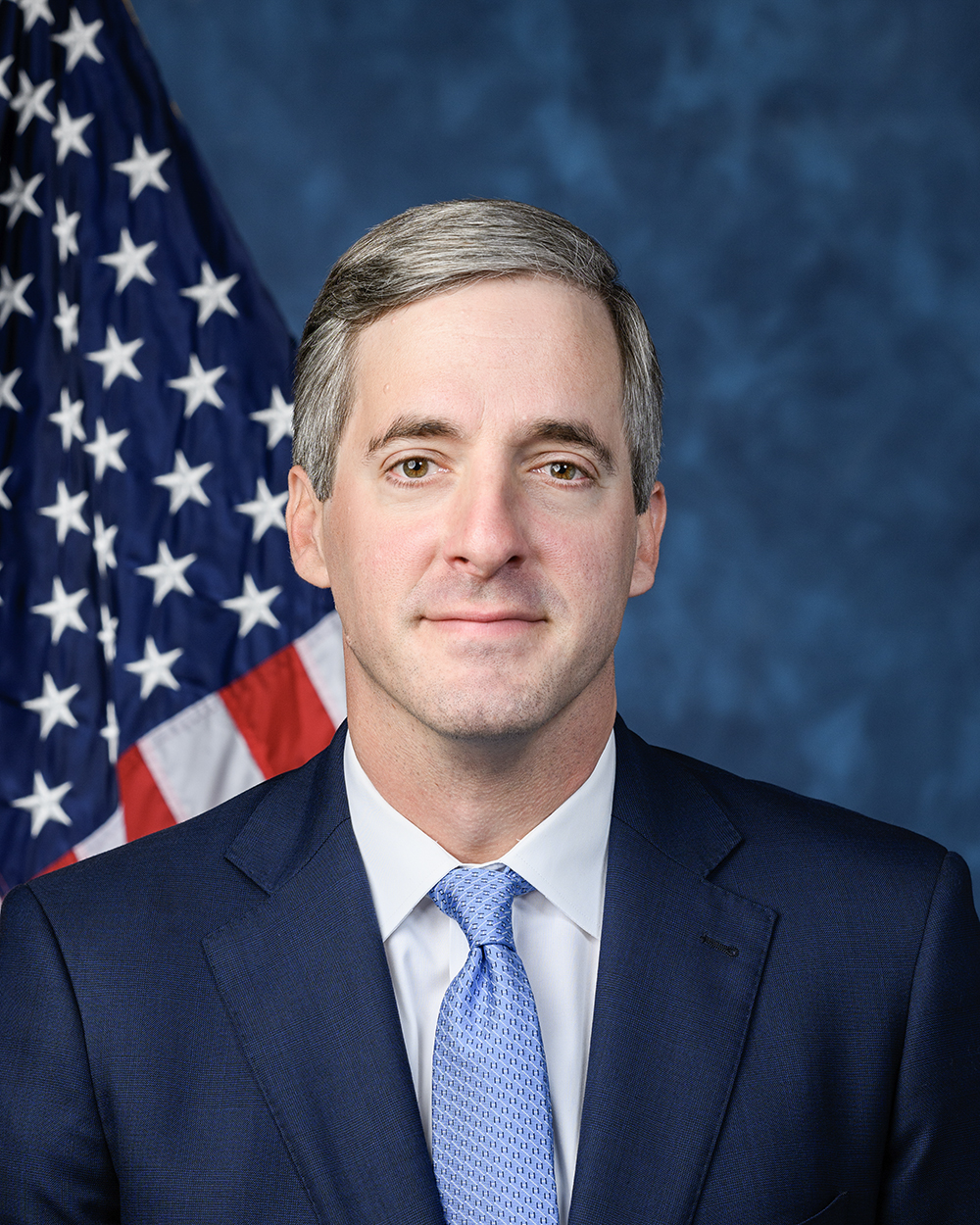
Brad Knott
Brad Knott House · District 13
R
Oppose
28% 18
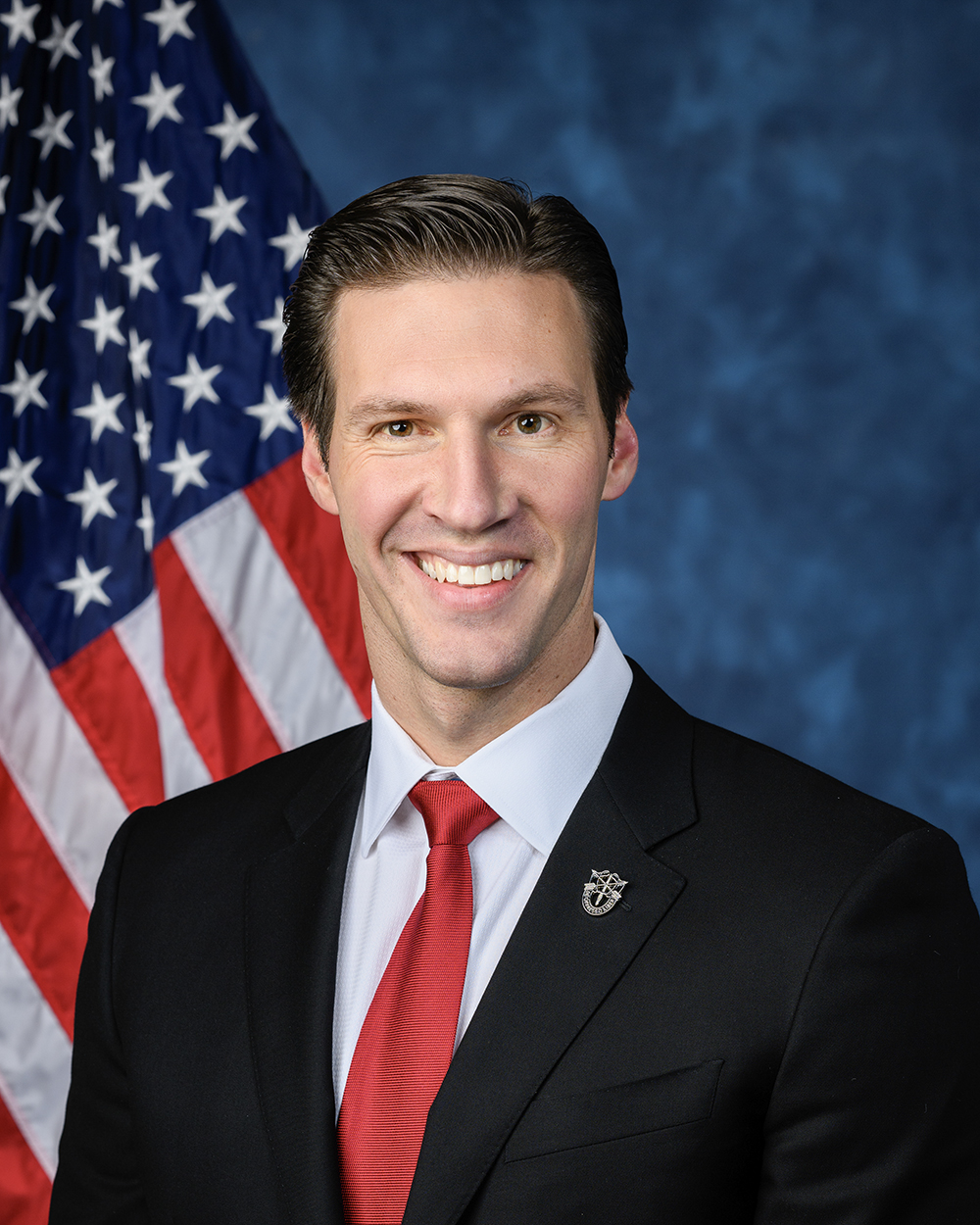
Pat Harrigan
Pat Harrigan House · District 10
R
Oppose
28% 18
Showing 2,511–2,520 of 2,910 bills

All healthcare bills

in committee · United States · Senate Jun 24, 2025

S 2150: Women’s Health Protection Act of 2025

The Women’s Health Protection Act of 2025 (S 2150) prohibits state laws that impose unnecessary restrictions on abortion access before fetal viability. It directly affects patients seeking abortion care and health care providers (including clinics, hospitals, and medical professionals), banning requirements like mandatory in-person visits, location-based travel barriers, or restrictions on telemedicine that don’t apply to comparable medical procedures. The bill overrides conflicting state laws, requires courts to consider factors like cost and travel burden when evaluating restrictions, and establishes federal enforcement through lawsuits to stop violations. It focuses on ensuring access to abortion services without burdens that hinder care, while allowing post-viability abortions only when necessary to protect a patient’s life or health.
in committee · United States · House Nov 20, 2025

HR 6039: Commonsense Legislating Act

The Commonsense Legislating Act (HR 6039) makes several significant changes to federal programs. It extends the FAST Program through 2030, requires enhanced outreach to minority and Hispanic-serving institutions for small business grants, and expands the work opportunity tax credit to include military spouses. The bill establishes a Working Families Task Force to address challenges like affordability and childcare, and mandates annual mental health consultations for veterans with service-connected mental health disabilities. Additionally, it creates Native American tourism grant programs with $35 million in funding for 2026-2030 and establishes a Fentanyl Disruption Steering Group within the National Security Council.
Sub-Topics Tax Credits Mental Health Military Families Veteran Mental Health Tags Small Business Tribal Nations
in committee · United States · Senate Jun 2, 2025

S 1924: Improving Mental Health Access for Students Act

S 1924, the Improving Mental Health Access for Students Act, requires colleges and universities covered by the Higher Education Act to include suicide prevention contact information on student identification cards or their websites. Specifically, it mandates that institutions include the 988 Suicide and Crisis Lifeline, Crisis Text Line, and their campus mental health center contact details on student IDs (or publish this information online if IDs aren't issued). The bill applies to all affected institutions and takes effect one year after enactment. It directly impacts students by making critical mental health resources more visible and accessible during emergencies. The law focuses on standardizing access to existing support services, not creating new programs.
in committee · United States · House Dec 3, 2025

HR 6408: ANCHOR Act of 2025

This bill creates a new state option to provide medical assistance through Medicaid-like programs for uninsured adults with serious mental illness or substance use disorders who earn under 100% of the federal poverty level. It defines "specified individuals" as those meeting income limits and having a qualifying condition (serious mental illness, emotional disturbance, opioid use disorder, or stimulant use disorder) diagnosed by approved providers. States offering this option must provide coverage for 1 year initially (with possible annual renewals after redetermination), ensure a care plan within 60 days, and report specific quality measures. The bill modifies existing Medicaid rules to expand access to behavioral health services without creating new federal funding.
in committee · United States · House Jul 22, 2025

HR 4493: Climate Health Emergency Act of 2025

HR 4493, the Climate Health Emergency Act of 2025, requires the Secretary of Health and Human Services to declare a public health emergency specifically for climate-related health risks under existing law. This bill directly affects the federal public health system by mandating this emergency declaration, based on findings that climate change drives over half of recent public health emergencies (like extreme weather and disease spread). The key mechanism is the formal declaration under the Public Health Service Act, aiming to mobilize federal resources and improve coordination for climate-driven health threats. It focuses on addressing the growing health impacts linked to climate change, as identified in congressional findings.
Sub-Topics Climate Change Natural Disasters Public Health Tags Emergency Management
in committee · United States · House May 20, 2025

HR 3510: Saving Students with Software Act

HR 3510, the Saving Students with Software Act, creates a federal grant program to help schools implement suicide prevention software. The bill directs the Secretary of Education to award grants to states for covering costs of software that monitors student device use in elementary and secondary schools (as defined by existing law). This software automatically alerts school staff if a student types words or phrases related to self-harm or suicide. The program aims to provide schools with funding to adopt this specific monitoring tool, directly affecting school districts and students using school-provided devices. Grants are available for software designed to detect and report concerning language during student device use.
in committee · United States · Senate Jan 29, 2026

S 3750: REAL Health Providers Act

The REAL Health Providers Act (S 3750) requires Medicare Advantage plans to maintain accurate, up-to-date provider directories for beneficiaries, starting in 2028. Plans must verify provider information at least every 90 days (or annually for hospitals), remove outdated listings within 5 business days, and indicate when information may be inaccurate. If a beneficiary is treated by a provider listed in the directory but not in the network, the plan must cover costs as if the provider were in-network. Annual accuracy reports will be submitted by plans and publicly posted by the government starting in 2029.
Sub-Topics Medicare
in committee · United States · Senate Dec 16, 2025

S 3486: Expand the Behavioral Health Workforce Now Act

This bill (S 3486) requires the U.S. Department of Health and Human Services (HHS) to issue non-mandatory guidance to states within 12 months of enactment. The guidance will focus on strategies for states to improve mental health and substance use disorder care provider education, training, recruitment, and retention through Medicaid (Title XIX) and CHIP (Title XXI) programs. It specifically emphasizes expanding workforce capacity in rural and underserved areas and details how states can use existing authorities like Medicaid waivers (Section 1115) to achieve this. The bill directly affects states administering Medicaid/CHIP programs and the providers participating in those programs, aiming to strengthen behavioral health services without creating new federal funding.
in committee · United States · Senate Jul 29, 2025

S 2496: Keep Kids Covered Act

The Keep Kids Covered Act extends continuous health coverage for children enrolled in Medicaid and CHIP. It requires states to maintain coverage for newborns and young children until age 6 (previously 1 year), for children ages 6-18 until age 19 (previously 12 months), and for former foster youth until age 26 (previously 18). The bill also mandates states to update contact information annually for long-term enrollees and inform them about their coverage duration. These changes aim to prevent gaps in health insurance for vulnerable children and youth. The provisions take effect one year after the bill's enactment.
Sub-Topics Children's Health Insurance Medicaid Tags Children
in committee · United States · House May 5, 2025

HR 3178: Save Healthcare Workers Act

HR 3178, the Save Healthcare Workers Act, creates a new federal crime for assaulting hospital staff while they are performing their duties, with penalties including fines and up to 10 years in prison (up to 20 years for aggravated cases involving weapons or injuries). The bill directly affects hospital employees - including nurses, doctors, and support staff - across all covered facilities (such as emergency rooms, long-term care centers, and children’s hospitals) by criminalizing violence that disrupts patient care. It also establishes a $25 million annual grant program (2025-2034) to help hospitals implement safety measures like staff de-escalation training, security technology, and coordination with local law enforcement. These provisions aim to address workplace violence in healthcare settings, which the bill cites as a growing problem affecting service delivery and staff retention.
Showing 2,511 to 2,520 of 2,910 bills