Issue · Healthcare

Healthcare (Women's Health)

Every healthcare bill, vote, and legislator stance in United States, automatically classified by Maddy, our AI policy reader.

Total bills
302
119th Congress
Top supporter
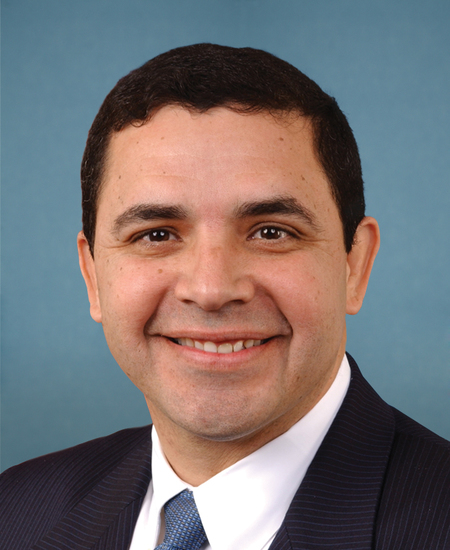
Henry Cuellar
100% support rate
Top opponent
John Garamendi
33% support rate
Ranked legislators
6
5 support · 1 oppose
Key legislators

Who's moving women's health in United States

Legislators moving women's health in United States
Legislator Party Stance Support rate Decisive votes
Henry Cuellar
Henry Cuellar House · District 28
D
Strong +
100% 4
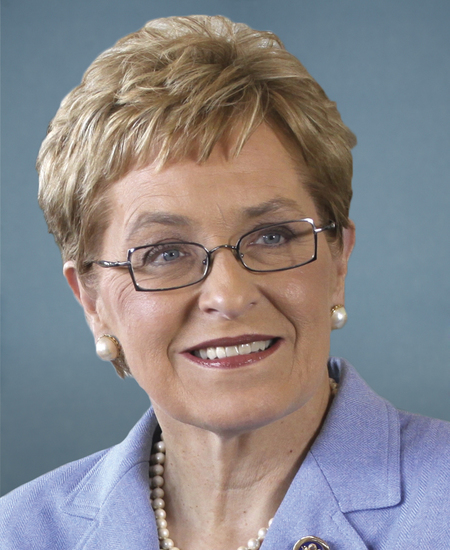
Marcy Kaptur
Marcy Kaptur House · District 9
D
Support
67% 3
Mike Haridopolos
Mike Haridopolos House · District 8
R
Support
67% 3
Aaron Bean
Aaron Bean House · District 4
R
Mixed
50% 4
Abraham J. Hamadeh
Abraham J. Hamadeh House · District 8
R
Mixed
50% 4
John Garamendi
John Garamendi House · District 8
D
Oppose
33% 3
Showing 241–250 of 302 bills

All healthcare bills

in committee · United States · House Jan 24, 2025

HR 719: No Abortion Coverage for Medicaid Act

HR 719, the "No Abortion Coverage for Medicaid Act," would prohibit federal Medicaid funds from covering abortions under any Medicaid demonstration projects or waivers, with limited exceptions. It specifically blocks federal financial assistance for abortion services or related expenses (like travel) in Medicaid programs, except in cases of rape or incest, life-threatening pregnancy conditions, or treatment for miscarriage or ectopic pregnancy. This bill directly affects Medicaid recipients in states participating in federal demonstration projects, preventing them from using Medicaid funds for abortion services except under the narrow exceptions listed. The bill aims to permanently align Medicaid funding with the longstanding Hyde Amendment restrictions.
in committee · United States · House Nov 21, 2025

HR 6288: Caring for Grieving Families Act of 2025

This bill requires health plans and insurance to cover prenatal services (like ultrasounds and doctor visits) without additional out-of-pocket costs if a miscarriage or stillbirth occurs before a birth-related bundled payment is made. It directly affects families who experience pregnancy loss, preventing them from being charged extra deductibles, copays, or coinsurance for prenatal care received prior to the loss. The key provision states that cost-sharing for these prenatal services cannot exceed what would have applied if the birth had occurred normally. The rule applies to plans covering bundled birth payments and takes effect for plan years starting January 1, 2027.
Sub-Topics Women's Health
in committee · United States · House Feb 13, 2025

HR 1349: Women’s Protection in Telehealth Act

HR 1349, the Women’s Protection in Telehealth Act, excludes Medicare participation for providers who prescribe, administer, dispense, or furnish abortion-inducing drugs via telehealth unless they meet strict conditions. Specifically, providers must be physicians who physically examine the patient, be present in the same room during drug administration, and schedule an in-person follow-up within 14 days. The bill defines "abortion-inducing drug" as any substance used to terminate a clinically diagnosable pregnancy with knowledge it will likely cause fetal death. This directly affects Medicare-covered telehealth abortion services, requiring in-person care for such treatments rather than remote consultations. The exclusion is permanent for non-compliant providers under Medicare rules.
in committee · United States · House Apr 1, 2025

HR 2529: Convenient Contraception Act

This bill requires health insurance plans (including employer-sponsored and individual plans) to cover up to a full year's supply of contraceptives in a single fill, without copays or deductibles. It applies to all contraceptives already covered under existing law, making it easier for insured individuals to access longer-term supplies. The policy change takes effect for plan years beginning January 1, 2026, and mandates government outreach to inform providers and enrollees about the new coverage option.
in committee · United States · Senate Jan 27, 2026

S 3697: SAVE Moms and Babies Act of 2026

The SAVE Moms and Babies Act of 2026 prohibits the FDA from approving new abortion drugs or granting investigational exemptions for them. It requires existing approved abortion drugs to be dispensed only in-person by certified healthcare providers in clinics or hospitals (not pharmacies), mandates providers to verify pregnancy duration and handle complications, and enforces strict adverse event reporting to the FDA. The bill directly affects healthcare providers prescribing abortion drugs, patients seeking these medications, and the FDA’s regulatory authority over such drugs. Key provisions include banning use after 70 days gestation, requiring provider certification for specific medical capabilities, and mandating documentation of risks to patients.
Sub-Topics Women's Health
in committee · United States · Senate Nov 20, 2025

S 3274: Healthy MOM Act

The Healthy MOM Act (S 3274) would require health insurance plans to provide a special enrollment period for pregnant individuals beginning when pregnancy is reported to the insurer. It mandates that group health plans cover maternity care for dependents regardless of age, including labor and delivery, and extends Medicaid eligibility during pregnancy and postpartum. The bill requires 12 months of continuous coverage for pregnant and postpartum individuals under Medicaid and CHIP, replacing the current 60-day postpartum coverage period. These provisions aim to improve access to maternity care for women, particularly those from communities disproportionately affected by maternal mortality, such as Black and American Indian/Alaska Native women. The changes would apply to plan years beginning January 1, 2027, with some provisions having earlier effective dates for certain programs.
in committee · United States · Senate Jul 15, 2025

S 2275: Stephanie Tubbs Jones Uterine Fibroid Research and Education Act of 2025

This bill authorizes $30 million annually (2026-2030) for expanded research on uterine fibroids at the National Institutes of Health, addressing current underfunding (only $17 million in 2019). It requires the creation of a Medicaid data database to track treatment access and costs for fibroid patients, with a report to Congress within two years. The bill also mandates public education campaigns about fibroid awareness, prevalence (especially among minority women), and non-hysterectomy treatment options. These provisions directly affect women with fibroids - particularly Black women who experience higher incidence, severity, and hospitalization rates - by aiming to improve research, data collection, and patient information.
in committee · United States · House Jan 22, 2025

HR 599: Protect Funding for Women’s Health Care Act

This bill prohibits federal funding from being provided to Planned Parenthood Federation of America or its related clinics. It redirects funds previously allocated to Planned Parenthood to other eligible providers like community health centers, hospitals, and clinics that offer women's health services. These services include contraception, cancer screenings, prenatal care, STI testing, and family planning - particularly in underserved areas. The bill explicitly states it does not reduce overall federal funding for women's health care or affect existing abortion-related funding restrictions.
Sub-Topics Women's Health
in committee · United States · House Apr 9, 2025

HR 2762: Expanding Access to Family Planning Act

HR 2762 establishes a new Title X Clinic Fund to expand federal funding for family planning clinics. It appropriates $512 million annually (2026-2035) for clinic grants and $50 million for infrastructure like construction and equipment. The bill requires clinics receiving this funding to provide nondirective pregnancy counseling, ensuring patients receive neutral information about all options - including prenatal care, adoption, and termination - upon request. This directly affects Title X clinics nationwide and the low-income patients they serve, primarily by increasing financial support and standardizing counseling practices.
in committee · United States · House Jan 13, 2025

HCONRES 3: Expressing support for the Geneva Consensus Declaration on Promoting Women's Health and Strengthening the Family and urging that the United States rejoin this historic declaration.

HCONRES 3 is a symbolic congressional resolution expressing support for the Geneva Consensus Declaration, an international agreement signed by 39 countries that affirms women’s health, family protection, and opposes international abortion rights. It urges the U.S. to rejoin the declaration, which emphasizes that no country has an obligation to fund or facilitate abortion and that families are foundational to society. The resolution does not create new laws but reaffirms existing U.S. policies prohibiting federal funding for abortions or coercive family planning abroad. It directly affects U.S. foreign policy direction but has no binding effect on government actions.
Sub-Topics Women's Health
Showing 241 to 250 of 302 bills
Previous 1 … 24 25 26 … 31 Next