Issue · Healthcare

Healthcare (Medicaid)

Every healthcare bill, vote, and legislator stance in United States, automatically classified by Maddy, our AI policy reader.

Total bills
441
119th Congress
Top supporter
Christopher Murphy
89% support rate
Top opponent
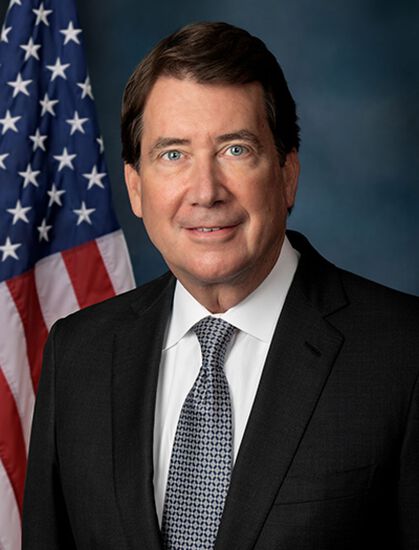
Bill Hagerty
11% support rate
Ranked legislators
10
5 support · 5 oppose
Key legislators

Who's moving medicaid in United States

Legislators moving medicaid in United States
Legislator Party Stance Support rate Decisive votes
Christopher Murphy
Christopher Murphy Senate
D
Strong +
89% 9
Adam B. Schiff
Adam B. Schiff Senate
D
Strong +
80% 10
Alex Padilla
Alex Padilla Senate
D
Strong +
80% 10
Amy Klobuchar
Amy Klobuchar Senate
D
Strong +
80% 10
Andy Kim
Andy Kim Senate
D
Strong +
80% 10
Bill Hagerty
Bill Hagerty Senate
R
Strong −
11% 9
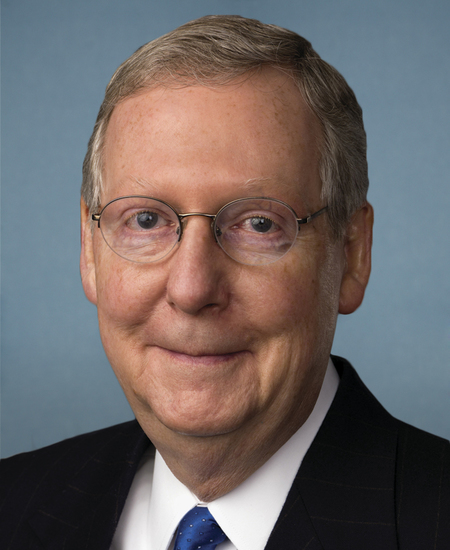
Mitch McConnell
Mitch McConnell Senate
R
Strong −
11% 9
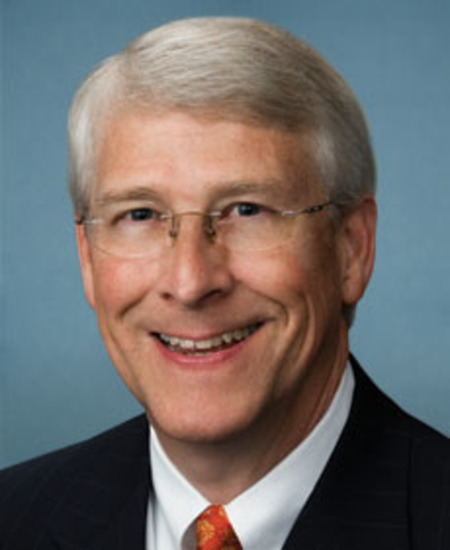
Roger F. Wicker
Roger F. Wicker Senate
R
Strong −
11% 9
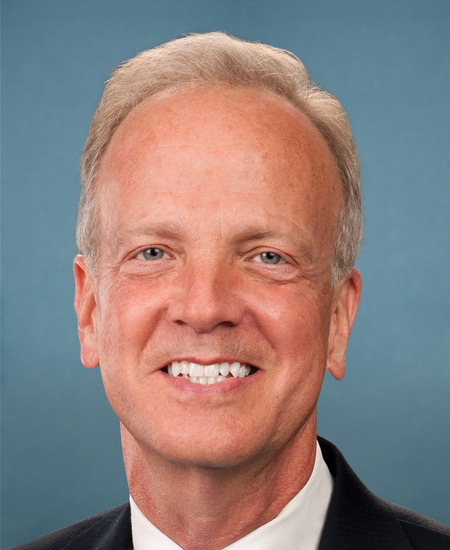
Jerry Moran
Jerry Moran Senate
R
Strong −
12% 8
Ashley Moody
Ashley Moody Senate
R
Strong −
20% 10
Showing 241–250 of 441 bills

All healthcare bills

in committee · United States · House May 9, 2025

HR 3320: Strengthening Medicaid for Serious Mental Illness Act

This bill increases federal Medicaid funding for states that provide specific community-based mental health services to eligible adults. It directly affects adults aged 21+ with serious mental illness who earn under 150% of the poverty line. States qualify for higher federal funding (3-25 percentage points) based on offering at least three of seven defined services, including assertive community treatment, supported employment, peer support, and mobile crisis intervention. The bill requires services to be provided in the most integrated setting possible, meets quality standards to prevent hospitalization, and mandates states to collect and report demographic and outcome data every two years.
Sub-Topics Medicaid Mental Health
in committee · United States · House Sep 11, 2025

HR 5319: LINE Act

The LINE Act (HR 5319) prohibits the Centers for Medicare and Medicaid Services (CMS) and the Department of Health and Human Services (HHS) from sharing Medicaid health data with U.S. Immigration and Customs Enforcement (ICE). Specifically, it blocks the disclosure of individually identifiable health information from Medicaid enrollment records (under Title XIX of the Social Security Act) to ICE for immigration enforcement purposes. This directly affects Medicaid enrollees, particularly those who may be immigrants, by preventing their health data from being used in immigration proceedings. The law creates a clear barrier between Medicaid health records and immigration enforcement efforts.
in committee · United States · House May 14, 2025

HR 3415: Nurse Staffing Standards for Hospital Patient Safety and Quality Care Act of 2025

This bill establishes minimum nurse-to-patient ratios for hospital units across the country, requiring hospitals to maintain specific staffing levels (such as 1:1 in trauma units, 2:1 in critical care units, and 3:1 in emergency rooms) to improve patient safety and quality of care. Hospitals must develop transparent staffing plans that account for patient acuity, involve direct care nurses in planning, and document actual staffing levels for each shift. The bill includes strong whistleblower protections for nurses who object to unsafe staffing levels and prohibits hospitals from retaliating against nurses who report violations. It requires hospitals to comply with these standards as a condition for receiving Medicare and Medicaid payments, with enforcement through audits and civil penalties of up to $50,000 for repeated violations. The bill also includes provisions to support nurse recruitment and retention through workforce initiatives and training programs.
in committee · United States · House Feb 26, 2025

HR 1598: Ensuring Access to Medicaid Buy-in Programs Act

This bill removes an age restriction preventing working adults with disabilities aged 65 and older from enrolling in Medicaid buy-in programs. It amends two sections of the Social Security Act to eliminate the phrase "but less than 65" from eligibility rules, allowing these individuals to qualify for Medicaid coverage through state buy-in programs. The change directly affects working adults with disabilities who are 65 or older but previously could not access this Medicaid pathway. States must comply by January 1, 2027, but the policy change itself takes effect immediately upon enactment.
Sub-Topics Long-Term Care Medicaid Tags People with Disabilities
in committee · United States · Senate Feb 5, 2025

S 422: Right to Contraception Act

S 422, the Right to Contraception Act, establishes a federal statutory right for individuals to access contraceptives and for healthcare providers to offer contraceptive services, free from state restrictions. It directly affects all Americans seeking or providing contraception, particularly protecting historically marginalized groups like people of color, immigrants, LGBTQ+ individuals, and low-income or rural residents who face barriers to care. The bill overrides state laws that restrict access - such as bans on specific contraceptives, provider refusal policies based on personal beliefs, or Medicaid restrictions - and prohibits government actions that impede this right. Enforcement allows the Attorney General or affected individuals to challenge violations in court, with courts required to strike down restrictive laws.
in committee · United States · House Feb 18, 2025

HR 1406: Lung Cancer Screening and Prevention Act of 2025

Lung Cancer Screening and Prevention Act of 2025 This bill authorizes Medicare coverage of additional types of lung cancer screening tests that are approved by the Food and Drug Administration, regardless of whether they are recommended by the United States Preventive Services Task Force. The Centers for Medicare & Medicaid Services must set coverage and payment limits for such tests. (Currently, Medicare covers screening tests for the early detection of lung cancer if they are recommended by the task force.)
Sub-Topics Medicaid Medicare
in committee · United States · House Mar 6, 2025

HR 1922: Ensuring Access to Essential Drugs Act

This bill exempts certain orally administered drugs from Medicare Part D's manufacturer discount program. Specifically, it excludes drugs that: (1) received FDA approval under the standard new drug application process, and (2) have been granted a narrow CMS exception allowing them to be treated as noninnovator drugs under Medicaid rebates. The exemption applies directly to these specific drugs meeting both criteria, altering how their costs are calculated under Medicare Part D. This change affects drug manufacturers and Medicare beneficiaries by modifying the discount structure for these particular medications.
in committee · United States · House Feb 13, 2025

HR 1303: Protecting America’s Seniors’ Access to Care Act

HR 1303, the Protecting America’s Seniors’ Access to Care Act, would block the federal government from enforcing a 2024 rule requiring nursing homes to meet minimum staffing standards and mandating Medicaid programs to report payment transparency details. This bill directly affects long-term care facilities and Medicaid programs by preventing the implementation of these specific requirements. The legislation prohibits the Secretary of Health and Human Services from carrying out the rule published on May 10, 2024, which was designed to improve care quality and accountability in senior healthcare. It stops the rule from taking effect without creating new policies or regulations.
in committee · United States · Senate Feb 6, 2025

S 447: Jobs and Opportunities for Medicaid Act

S 447, the "Jobs and Opportunities for Medicaid Act," would require most Medicaid recipients aged 18-65 (excluding those with medical exemptions, pregnant individuals, or primary caregivers for young children) to work or volunteer at least 20 hours per week to maintain coverage, starting January 1, 2026. This amendment to the Social Security Act creates a new work requirement for "able-bodied adults" under Medicaid, removing medical assistance for those who don’t meet the threshold. Exemptions cover individuals under 18 or over 65, those with medical certifications, pregnant people, primary caregivers for children under 6, and those in drug treatment programs. The bill directly affects working-age adults without qualifying exemptions who currently receive Medicaid. It represents a significant change to Medicaid eligibility rules for this specific group.
Sub-Topics Medicaid
in committee · United States · House Jun 17, 2025

HR 4028: Stabilize Medicaid and CHIP Coverage Act

This bill establishes 12-month continuous enrollment for Medicaid and CHIP (Children's Health Insurance Program) beneficiaries, meaning individuals enrolled in these programs will not need to renew coverage annually. It removes the previous age limit of 19 for Medicaid coverage and updates language to refer to "individuals" instead of "children" in enrollment rules. The changes directly affect current and future Medicaid and CHIP recipients who would otherwise face annual renewal requirements. The policy takes effect one year after the bill's enactment, providing more stable health coverage for low-income families and children.
Showing 241 to 250 of 441 bills
Previous 1 … 24 25 26 … 45 Next