Issue · Healthcare

Healthcare

Every healthcare bill, vote, and legislator stance in United States, automatically classified by Maddy, our AI policy reader.

Total bills
2,910
119th Congress
Top supporter
Darline Graham
100% support rate
Top opponent
Ashley Moody
18% support rate
Ranked legislators
10
5 support · 5 oppose
Key legislators

Who's moving healthcare in United States

Legislators moving healthcare in United States
Legislator Party Stance Support rate Decisive votes
Darline Graham
Darline Graham Senate
R
Strong +
100% 6
AA
Alan Armstrong Senate
R
Strong +
88% 8
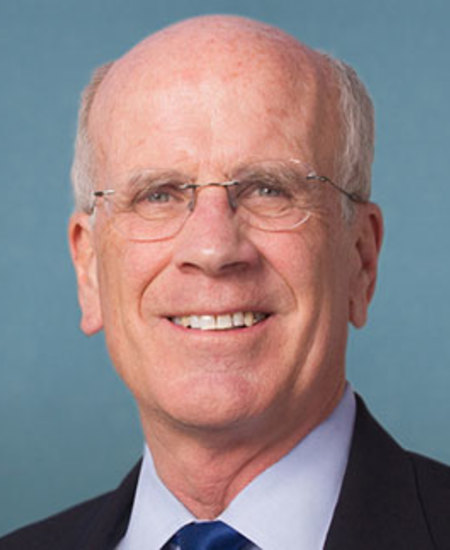
Peter Welch
Peter Welch Senate
D
Strong +
82% 22
Ron Wyden
Ron Wyden Senate
D
Support
77% 22
Alex Padilla
Alex Padilla Senate
D
Support
76% 21
Ashley Moody
Ashley Moody Senate
R
Strong −
18% 22
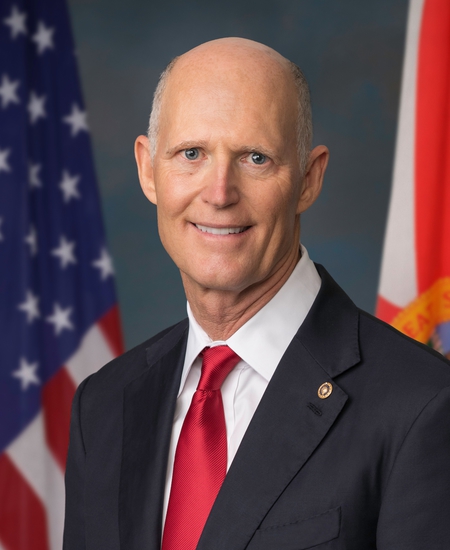
Rick Scott
Rick Scott Senate
R
Strong −
18% 22
Rand Paul
Rand Paul Senate
R
Oppose
23% 22
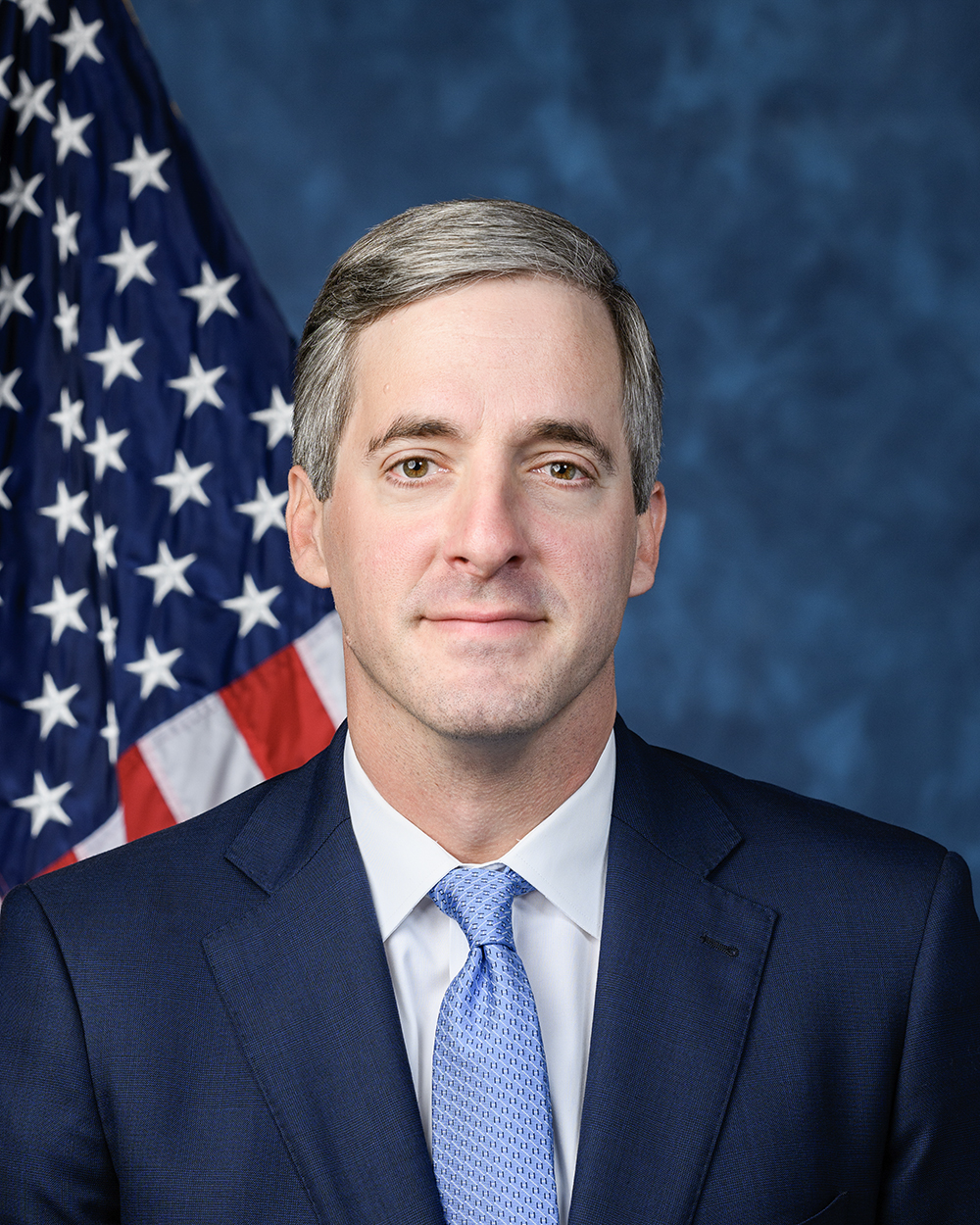
Brad Knott
Brad Knott House · District 13
R
Oppose
28% 18
Pat Harrigan
Pat Harrigan House · District 10
R
Oppose
28% 18
Showing 2,401–2,410 of 2,910 bills

All healthcare bills

passed · United States · Senate Aug 10, 2026

S 1838: DeOndra Dixon INCLUDE Project Act of 2026

This bill establishes the "INCLUDE Project" at the National Institutes of Health (NIH) to advance research on Down syndrome. It directs NIH to coordinate and expand research into co-occurring health conditions (like Alzheimer's, heart disease, and autoimmune disorders) affecting individuals with Down syndrome, while avoiding duplication of existing efforts. The law requires NIH to build large study populations, support inclusive clinical trials, identify biomarkers, and improve quality of life for people with Down syndrome and their families. NIH must submit biennial reports to Congress detailing research progress and findings. The bill directly affects NIH research programs and future medical care for people with Down syndrome.
in committee · United States · House May 15, 2025

HRES 416: Expressing support for the goals and ideals of "National Hypertension Awareness Month".

HRES 416 is a non-binding House resolution expressing support for "National Hypertension Awareness Month" in May. It acknowledges hypertension's significant health impact (affecting nearly half of U.S. adults and contributing to ~500,000 annual deaths) and highlights disparities in management, particularly among communities of color and low-income groups. The resolution encourages health care providers, public health agencies, and community organizations to promote blood pressure monitoring and management, while emphasizing the need for affordable health care access. It does not create new laws, allocate funding, or directly affect any individuals or groups - only formally endorsing existing awareness efforts during May.
Sub-Topics Public Health
in committee · United States · House Dec 2, 2025

HR 5858: CATCH IT Act

The CATCH IT Act (HR 5858) increases federal funding for rural health facilities by raising the federal share of costs for preventative health care equipment by 25 percentage points under the Community Facilities Grant Program. It specifically covers equipment like advanced breast imaging, mobile cancer screening units, cancer screening lab tools, colorectal screening devices, CT scanners, and diagnostic ultrasound equipment. This applies to facilities developing new projects or upgrading existing ones to include these technologies, aiming to improve access to preventative care in rural areas. The policy change takes effect in the first federal fiscal year after the bill is enacted.
Sub-Topics Hospitals Tags Rural Communities
in committee · United States · House Sep 30, 2025

HR 5662: Improving Access to Institutional Mental Health Care Act

This bill removes a longstanding Medicaid barrier that excluded coverage for mental health care in specialized hospitals (IMDs) for people under age 65. It amends the Social Security Act to eliminate age restrictions in key Medicaid provisions, allowing Medicaid to cover institutional mental health services for all adults, regardless of age. Specifically, it strikes out "65 years of age or older" from multiple sections governing Medicaid eligibility and benefits for IMD care. The change takes effect on October 1, 2025, directly expanding access to Medicaid-covered mental health hospital care for younger adults currently excluded.
in committee · United States · House Feb 7, 2025

HR 1142: To amend the Public Health Service Act to direct the Secretary of Health and Human Services to establish drug adherence guidelines, and for other purposes.

This bill requires the HHS Secretary to create drug adherence guidelines aiming for 90% medication adherence among Medicare Part B and D drug users. It mandates using AI and machine learning technologies in developing these guidelines and prioritizes promoting generic and biosimilar drugs where possible. The policy directly affects Medicare beneficiaries and providers by setting a measurable adherence target for covered drugs. Key changes include new federal guidelines focused on improving medication consistency through technology and cost-effective drug options.
in committee · United States · Senate Jun 12, 2025

S 2069: Stabilize Medicaid and CHIP Coverage Act

This bill removes an age limit that previously restricted continuous Medicaid and CHIP coverage to children under 19. It changes the rules to apply 12-month continuous enrollment protections to all enrollees, regardless of age, by replacing "child" and age-specific language with "individual" throughout the program rules. The key mechanism is amending federal law to eliminate the requirement that beneficiaries must be under 19 to qualify for uninterrupted coverage. This directly affects all current and future Medicaid and CHIP participants, including adults and older children. The changes take effect in 2026.
in committee · United States · Senate Jun 12, 2025

S 2066: Medicare Transaction Fraud Prevention Act

This bill establishes a two-year pilot program (starting January 2026) to test predictive risk-scoring algorithms for monitoring Medicare payments for durable medical equipment and clinical diagnostic lab tests. It requires voluntary participation from Medicare beneficiaries who opt in to electronic Medicare Summary Notices and agree to the pilot. The algorithm would score transactions from 1 (low risk) to 99 (high risk), triggering human review for high-risk cases, with beneficiaries given a chance to correct errors via email or phone. The program mandates algorithm testing, beneficiary notifications about data use, and requires human oversight before suspending payments or transactions. It specifically covers claims for durable medical equipment and lab tests under Medicare.
Sub-Topics Medicare
in committee · United States · Senate Jun 12, 2025

S 2057: Easy Enrollment in Health Care Act

The Easy Enrollment in Health Care Act (S 2057) creates a system that allows taxpayers to use their federal tax returns to determine eligibility for health insurance programs and automatically enroll household members in coverage with no out-of-pocket costs (zero net premium) if eligible. The bill establishes a process where taxpayers can consent to sharing tax return information (with privacy protections) with health insurance exchanges to determine eligibility for Medicaid, CHIP, or subsidized marketplace plans, eliminating the need for separate applications. It creates a "single, streamlined application" that minimizes the information needed from taxpayers by leveraging existing tax data for eligibility determinations, with procedures for error correction and privacy safeguards. The program is designed to simplify enrollment in health insurance programs by using tax return information, with implementation required by January 1, 2028.
in committee · United States · Senate Mar 11, 2025

S 932: Give Kids a Chance Act of 2025

The Give Kids a Chance Act of 2025 modifies FDA regulations to improve pediatric cancer drug development and extends incentives for rare pediatric disease treatments. It requires drug developers seeking approval for molecularly targeted cancer drugs to include pediatric-focused studies (e.g., dosing, safety) for specific cancer types, with new FDA guidance due within 12 months. The bill also extends the rare pediatric disease priority review voucher program through 2029 and mandates a GAO study to evaluate how effectively these vouchers spur development of treatments for rare pediatric diseases, reporting findings by 2034. This directly affects pharmaceutical companies developing cancer drugs and the FDA’s approval process, aiming to accelerate treatments for children with cancer and rare diseases.
Sub-Topics Children's Health
in committee · United States · House Jul 15, 2025

HR 4407: National Nursing Workforce Center Act of 2025

This bill establishes a 2-year pilot program to create or strengthen state-based nursing workforce centers, funded with $1.5 million annually for 2026-2027. It requires states to match federal funds at a 1:4 ratio (e.g., $1 state funding for every $4 federal) and directs centers to analyze nursing data, address shortages, and develop retention strategies for nurses across all practice settings. Centers must report annually on initiatives like workforce planning, scholarship programs, and efforts to improve rural recruitment, with the goal of reducing nursing shortages and improving geographic distribution. The program targets state agencies, nursing boards, schools of nursing, and community organizations working directly with nursing workforce data and education.
Showing 2,401 to 2,410 of 2,910 bills