Issue · Healthcare

Healthcare (Medicaid)

Every healthcare bill, vote, and legislator stance in United States, automatically classified by Maddy, our AI policy reader.

Total bills
441
119th Congress
Top supporter
Christopher Murphy
89% support rate
Top opponent
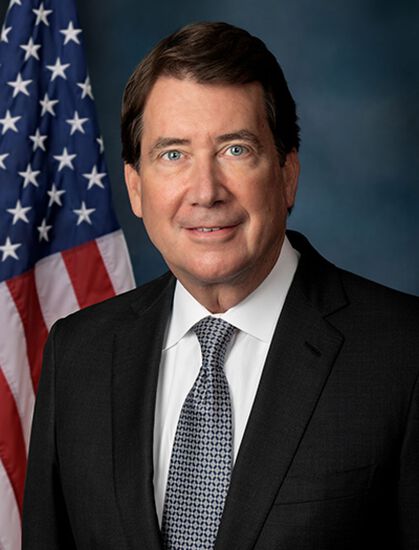
Bill Hagerty
11% support rate
Ranked legislators
10
5 support · 5 oppose
Key legislators

Who's moving medicaid in United States

Legislators moving medicaid in United States
Legislator Party Stance Support rate Decisive votes
Christopher Murphy
Christopher Murphy Senate
D
Strong +
89% 9
Adam B. Schiff
Adam B. Schiff Senate
D
Strong +
80% 10
Alex Padilla
Alex Padilla Senate
D
Strong +
80% 10
Amy Klobuchar
Amy Klobuchar Senate
D
Strong +
80% 10
Andy Kim
Andy Kim Senate
D
Strong +
80% 10
Bill Hagerty
Bill Hagerty Senate
R
Strong −
11% 9
Mitch McConnell
Mitch McConnell Senate
R
Strong −
11% 9
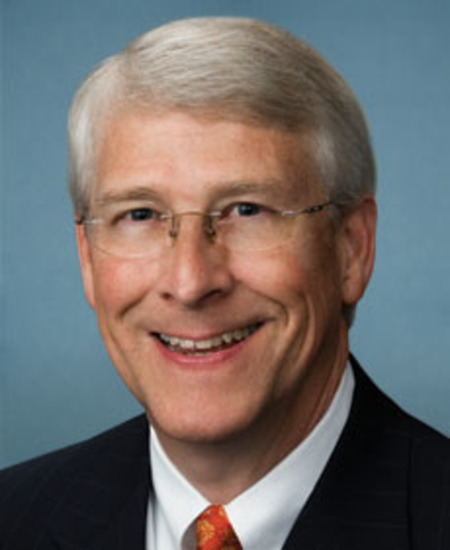
Roger F. Wicker
Roger F. Wicker Senate
R
Strong −
11% 9
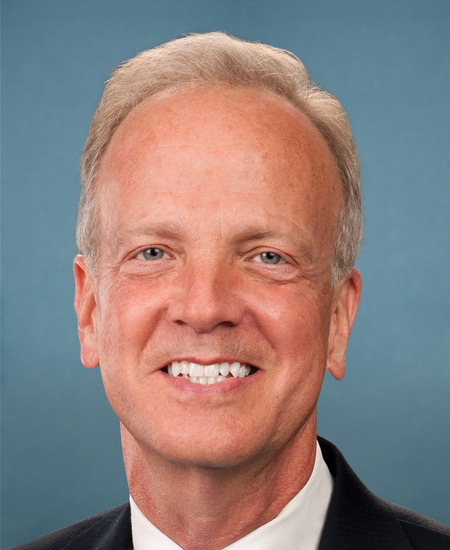
Jerry Moran
Jerry Moran Senate
R
Strong −
12% 8
Ashley Moody
Ashley Moody Senate
R
Strong −
20% 10
Showing 231–240 of 441 bills

All healthcare bills

in committee · United States · House Nov 19, 2025

HR 6148: Patients Over Paperwork Act of 2025

HR 6148, the Patients Over Paperwork Act of 2025, repeals Section 71107 of Public Law 119-21, which had changed how states review Medicaid eligibility. It restores the previous rules for Medicaid eligibility redeterminations as if that section had never been enacted. This directly affects Medicaid beneficiaries and state Medicaid programs by reverting to the pre-2024 process for verifying ongoing eligibility.
Sub-Topics Medicaid
in committee · United States · Senate Feb 25, 2025

S 721: Sickle Cell Disease Comprehensive Care Act

This bill creates a new Medicaid health home program specifically for people with sickle cell disease (SCD), beginning January 1, 2026. It requires states to provide dental and vision services to SCD patients enrolled in these health homes, regardless of whether they offer such services generally to other Medicaid beneficiaries. States must also report on care quality, access, and costs for SCD patients using these specialized health homes, and the federal government must publish best practices for implementing the program by June 2026. The bill directly affects Medicaid patients diagnosed with SCD and state Medicaid programs managing these specialized care services.
Sub-Topics Medicaid Medicare
in committee · United States · House Jul 17, 2025

HR 4543: Medicaid Breast Cancer Access to Treatment Act

This bill requires Medicaid programs to cover specific treatments for individuals with breast or cervical cancer. It adds a new provision to Medicaid rules that explicitly includes these patients in mandatory coverage, ensuring states must provide necessary care. The bill also mandates that Medicaid cover breast reconstruction surgery following a medically necessary mastectomy. These changes directly affect Medicaid beneficiaries diagnosed with breast or cervical cancer who need these specific treatments. The policy update removes gaps in existing coverage for these critical cancer care services.
Sub-Topics Medicaid
in committee · United States · House Mar 21, 2025

HR 2263: Telehealth Coverage Act of 2025

The Telehealth Coverage Act of 2025 makes permanent Medicare telehealth flexibilities that were temporarily expanded during the pandemic. It eliminates in-person visit requirements for mental health services, substance use disorder treatment, home dialysis visits, and stroke care, allowing these to be provided via telehealth. The bill also expands who can provide telehealth services, extends coverage for rural health clinics and community health centers, and requires new billing modifiers for certain telehealth claims by January 2026. Additionally, it includes guidance to help providers serve patients with limited English proficiency through telehealth and expands access to virtual diabetes prevention programs. These changes primarily affect Medicare beneficiaries, healthcare providers, and telehealth technology companies.
in committee · United States · Senate Jan 9, 2025

S 62: America First Act

The America First Act would restrict eligibility for numerous federal benefit programs based on immigration status. It requires verification of citizenship or lawful immigration status for programs including Medicaid, Medicare, Head Start, school meals, WIC, the Child Tax Credit, Earned Income Tax Credit, and housing assistance. The bill specifically would deny benefits to individuals who are unlawfully present in the U.S. or who have certain immigration statuses including parolees, Temporary Protected Status (TPS) recipients, DACA recipients, and asylum seekers. These provisions would directly affect millions of immigrants and their families who currently qualify for these programs. The bill would also prohibit use of FEMA assistance for certain non-citizens and limit access to postsecondary financial aid based on immigration status.
in committee · United States · House Jan 15, 2026

HR 7116: SEPSIS Act

The SEPSIS Act (HR 7116) establishes a dedicated sepsis program within the CDC to improve national sepsis response. It requires the CDC Director to lead education campaigns on hospital sepsis best practices, enhance pediatric sepsis data collection, and coordinate with Medicare/Medicaid to develop quality measures. Hospitals would be asked to report on sepsis protocol adoption, with a voluntary "honor roll" recognizing top performers in early detection and treatment. The bill authorizes $20 million annually (2026-2030) for these efforts and mandates annual congressional briefings on sepsis data and hospital progress. This directly affects hospitals, CDC operations, and federal health agencies working to reduce sepsis-related deaths and costs.
in committee · United States · House Sep 10, 2025

HR 5256: 340B ACCESS Act

The 340B ACCESS Act strengthens oversight of the 340B Drug Pricing Program, which allows safety-net hospitals and clinics to purchase outpatient drugs at discounted prices. The bill clarifies who qualifies as a "patient" for 340B discounts, establishes new requirements for hospital child sites and contract pharmacies, and mandates that covered entities implement sliding fee scales to ensure patient affordability based on income. It creates a claims data clearinghouse to prevent duplicate Medicaid discounts and requires covered entities to report detailed data about drug dispensing. These changes aim to ensure 340B discounts reach intended patients while preventing program misuse and ensuring transparency.
in committee · United States · Senate Feb 11, 2025

S 523: Protect Medicaid Act

The Protect Medicaid Act (S 523) prohibits federal Medicaid funds from covering administrative costs for health benefits provided to unauthorized immigrants. It directly affects states that currently offer Medicaid-like benefits to noncitizens ineligible due to immigration status, requiring them to fund these administrative costs themselves. The bill amends the Social Security Act to explicitly ban such federal spending and mandates an Inspector General report detailing how states separate costs, ensure compliance, and finance these programs (e.g., via provider taxes). The report must also analyze drug pricing impacts when unauthorized immigrants receive covered medications through Medicaid or 340B programs. This is a procedural change restricting federal funding, not altering eligibility for Medicaid benefits.
in committee · United States · House Jun 26, 2025

HR 4184: To amend the Internal Revenue Code of 1986 to exclude from gross income certain compensation to clinical trial participants, and for other purposes.

This bill makes payments to clinical trial participants tax-free and ensures those payments won't count toward income limits for federal programs like Medicaid or food assistance. It covers both compensation for participation and reimbursement of reasonable expenses (like travel) related to approved clinical trials for life-threatening conditions. The exclusion applies to payments made after December 31, 2025, and is defined in the bill using existing IRS and Public Health Service Act terms.
Sub-Topics Medicaid Public Health
in committee · United States · House Mar 24, 2025

HR 2309: Medicare and Medicaid Fraud Prevention Act

This bill requires states to verify that Medicaid providers and suppliers are not deceased during enrollment and at least quarterly while enrolled. Starting January 1, 2027, states must check the federal Death Master File (a government database of deceased individuals) as part of provider onboarding and revalidation. The law directly affects all entities billing Medicaid for services, aiming to prevent fraud where deceased individuals' identities might be used. It creates a concrete, ongoing screening mechanism to ensure only active providers participate in the program.
Sub-Topics Medicaid Medicare
Showing 231 to 240 of 441 bills
Previous 1 … 23 24 25 … 45 Next