Issue · Healthcare

Healthcare

Every healthcare bill, vote, and legislator stance in United States, automatically classified by Maddy, our AI policy reader.

Total bills
2,910
119th Congress
Top supporter
Darline Graham
82% support rate
Top opponent
Rick Scott
19% support rate
Ranked legislators
10
5 support · 5 oppose
Key legislators

Who's moving healthcare in United States

Legislators moving healthcare in United States
Legislator Party Stance Support rate Decisive votes
Darline Graham
Darline Graham Senate
R
Strong +
82% 11
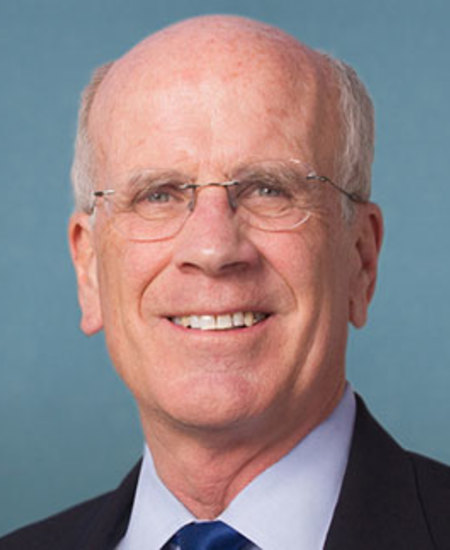
Peter Welch
Peter Welch Senate
D
Strong +
81% 27
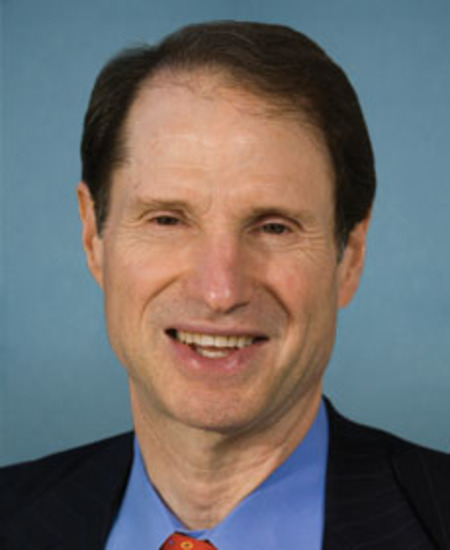
Ron Wyden
Ron Wyden Senate
D
Support
78% 27
Alex Padilla
Alex Padilla Senate
D
Support
77% 26
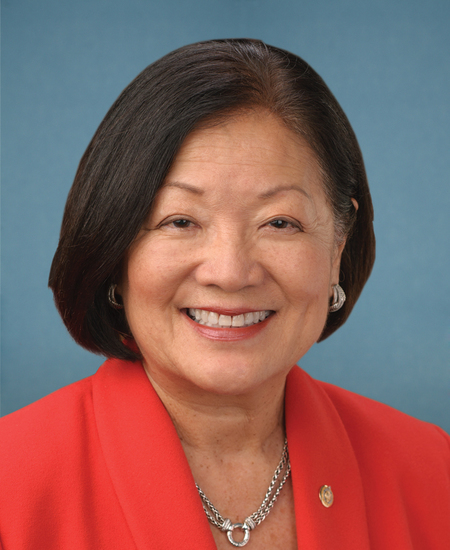
Mazie K. Hirono
Mazie K. Hirono Senate
D
Support
74% 27
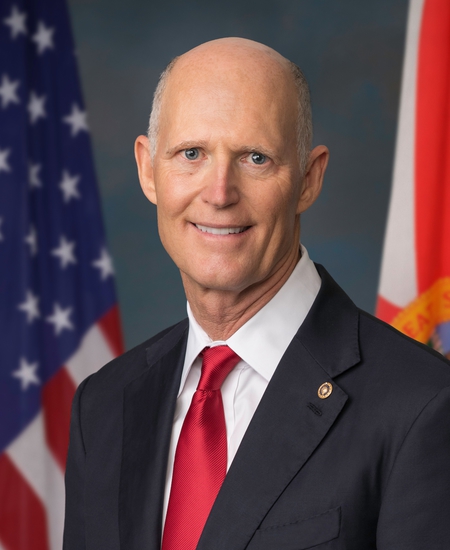
Rick Scott
Rick Scott Senate
R
Strong −
19% 27
Ashley Moody
Ashley Moody Senate
R
Oppose
22% 27
Rand Paul
Rand Paul Senate
R
Oppose
22% 27
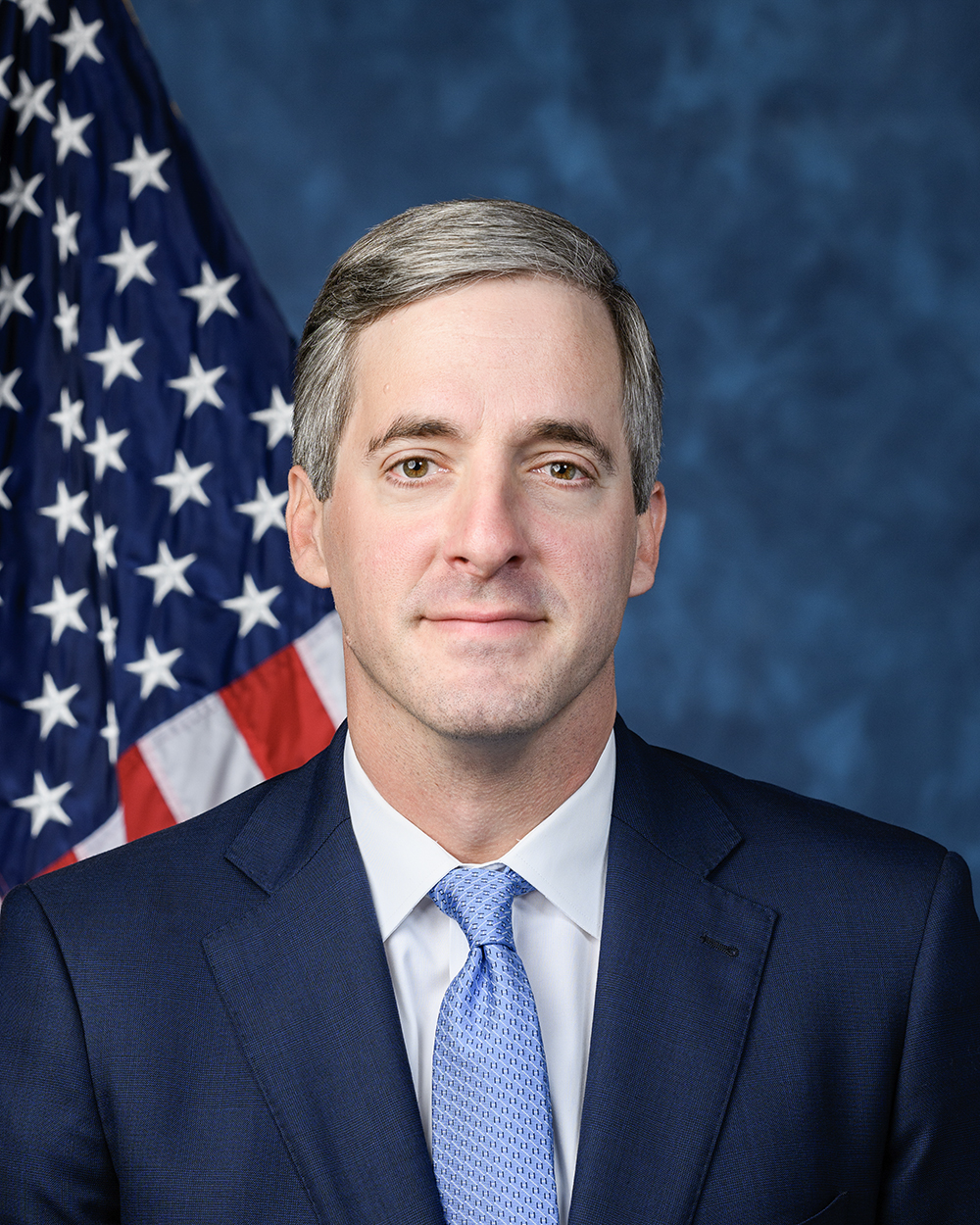
Brad Knott
Brad Knott House · District 13
R
Oppose
28% 18
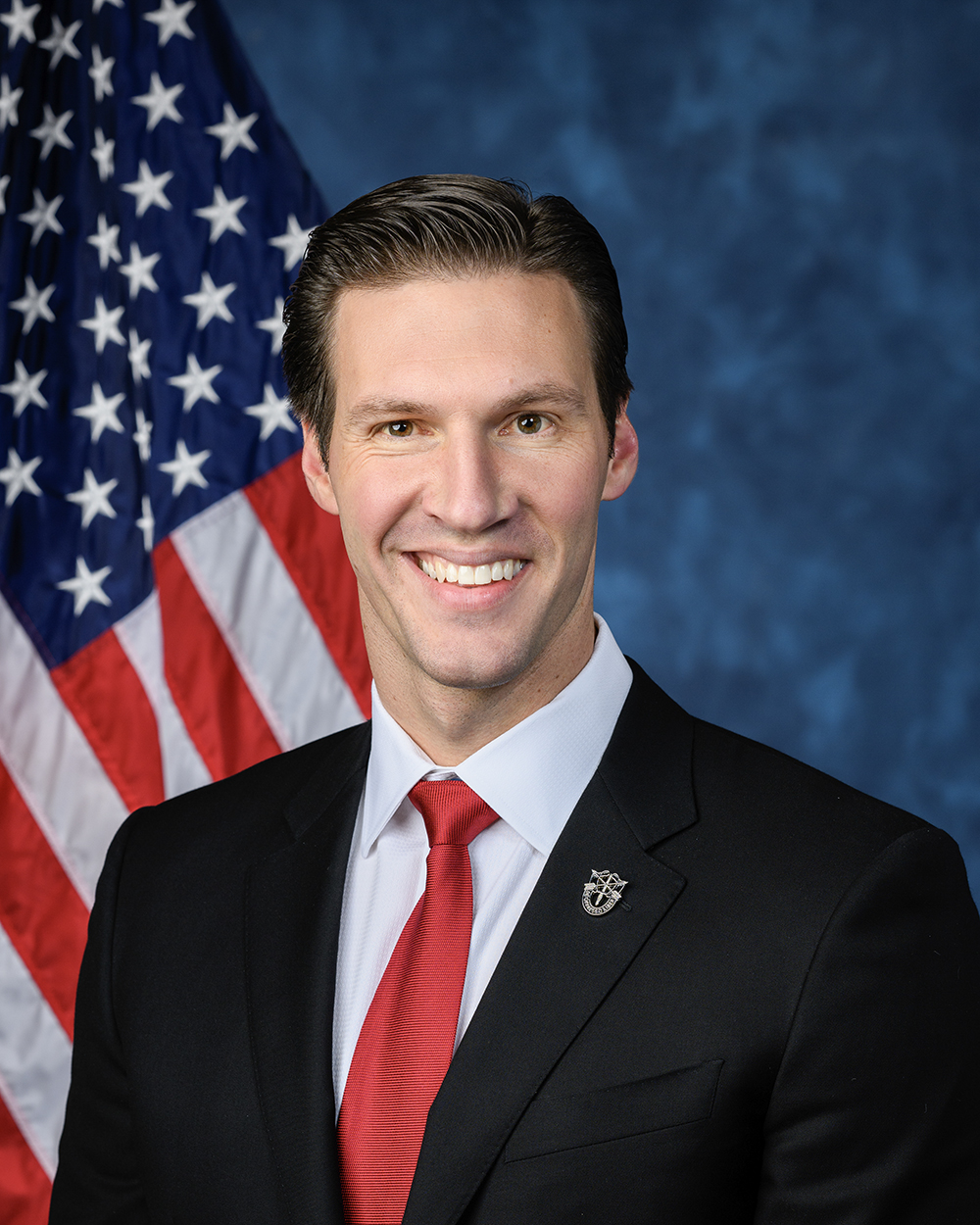
Pat Harrigan
Pat Harrigan House · District 10
R
Oppose
28% 18
Showing 2,361–2,370 of 2,910 bills

All healthcare bills

in committee · United States · House Mar 6, 2025

HR 1924: Securing Access to Care for Seniors in Critical Condition Act of 2025

This bill amends Medicare payment rules for long-term care hospitals to ensure they receive full payments for treating seniors in critical condition. It adds a new "high acuity criterion" requiring discharges to be assigned to a specific Medicare payment category (MS-LTC-DRG) with a relative weight of at least 0.8, effective October 1, 2026. Hospitals meeting this criterion for eligible discharges will avoid reduced payments ("site-neutral payments") that would otherwise apply. The change directly affects long-term care hospitals treating Medicare patients with high-acuity conditions and ensures these facilities receive full reimbursement for critical care services.
Sub-Topics Hospitals Long-Term Care Medicare Tags Seniors
in committee · United States · Senate Jun 9, 2025

S 1989: Helping Communities with Better Support Act

S 1989, the Helping Communities with Better Support Act, expands Medicaid home and community-based services (HCBS) waivers to cover more people with disabilities who previously lacked eligibility under existing rules. It allows states to approve waivers covering HCBS for individuals meeting disability definitions under the ADA or Rehabilitation Act, provided states demonstrate no impact on wait times for current beneficiaries and report detailed data on applicant waitlists and service delivery. Key provisions require states to publicly share transparency metrics starting in 2028, including average wait times for services, fulfillment rates of authorized hours, and how services differ for newly covered individuals. The bill directly affects states administering Medicaid waivers and people with disabilities seeking home care services, aiming to improve access while increasing accountability through standardized reporting.
Sub-Topics Long-Term Care Medicaid Tags People with Disabilities
in committee · United States · Senate Jun 18, 2025

S 2121: SUPPORT for Patients and Communities Reauthorization Act of 2025

This bill reauthorizes and expands federal programs addressing the opioid crisis and related health issues through 2030, with increased funding for prevention, treatment, and recovery services. It provides specific funding increases for programs including prenatal and postnatal health services, fetal alcohol spectrum disorder prevention, first responder training, and community-based recovery centers. Key provisions include enhanced cybersecurity protections for suicide prevention hotlines, requirements for reporting on program effectiveness, and expanded support for individuals with substance use disorders through workforce development and peer support services. The bill directly affects healthcare providers, public health agencies, community organizations, and individuals seeking treatment for substance use disorders.
in committee · United States · Senate Mar 19, 2026

S 1677: Ensuring Lasting Smiles Act

This bill (S 1677, Ensuring Lasting Smiles Act) requires health insurance plans to cover medically necessary treatments for congenital anomalies or birth defects affecting the eyes, ears, teeth, mouth, or jaw. It mandates coverage for reconstructive services, dental/orthodontic care, and related treatments during the course of medical treatment, while excluding purely cosmetic procedures not medically necessary. Plans may apply cost-sharing requirements similar to those for other medical services but must provide notice about these coverage requirements to participants by January 1, 2026. The bill also directs a study on provider network adequacy and cost impacts related to these coverage requirements, to be completed by December 2027.
Sub-Topics Insurance
in committee · United States · House Dec 10, 2025

HR 6596: To amend title XVIII of the Social Security Act to adjust the eligibility for the rural emergency hospital designation under the Medicare program.

This bill adjusts Medicare eligibility rules for rural emergency hospitals. It expands eligibility to include off-campus emergency departments that operate as dedicated emergency services in rural counties, meeting specific federal definitions. Hospitals previously classified as outpatient departments could now qualify for Medicare payments if they maintained a dedicated emergency department in a rural area. The change modifies the Social Security Act to allow these facilities to be recognized under the rural emergency hospital designation program. This directly affects rural healthcare providers seeking Medicare reimbursement for emergency services.
Sub-Topics Hospitals Medicare
in committee · United States · House Nov 7, 2025

HR 5972: Right to Enroll Act of 2025

This bill extends the annual open enrollment period for health insurance marketplaces (Exchanges) to cover the 2026 plan year. It requires the Health and Human Services Secretary to adjust the enrollment window to begin November 1, 2025, and end May 1, 2026 - significantly lengthening the typical enrollment period. This change directly affects individuals and families purchasing health insurance through federal or state-based marketplaces who rely on the annual enrollment period to select or change coverage. The key provision modifies the existing enrollment timeline under the Affordable Care Act, providing a longer window for enrollment decisions.
Sub-Topics Insurance
in committee · United States · House Sep 10, 2025

HR 3593: Title VIII Nursing Workforce Reauthorization Act of 2025

HR 3593, the Title VIII Nursing Workforce Reauthorization Act of 2025, reauthorizes and expands federal funding for nursing education programs to address workforce shortages. It directly affects nursing schools, nurse practitioner, nurse-midwifery, nurse anesthesia, and clinical nurse specialist programs by expanding grant eligibility to include these specific training pathways. Key provisions include increasing annual funding from $137 million to $184 million (2026-2030), requiring schools to use funds for simulation/technology resources and faculty/student expansion, and adding clinical partnerships with healthcare facilities. The bill also updates terminology and adds protections for survivors of domestic violence and sexual assault in nursing education settings.
in committee · United States · House Jul 15, 2026

HR 3108: RPM Access Act

HR 3108, the RPM Access Act, increases Medicare reimbursement for remote patient monitoring (RPM) in rural areas by setting a minimum reimbursement floor of 100% for practice expenses and malpractice costs starting in 2026. It requires that RPM services include real-time physician availability to address health issues, use data systems compatible with electronic health records, and mandates providers to report data on cost savings and adherence to medications. The bill directly affects rural Medicare beneficiaries with chronic conditions like heart failure and diabetes, as well as healthcare providers delivering RPM services in underserved rural communities. It also requires a 5-year report to Congress analyzing cost savings from RPM use, including reduced hospitalizations and medication adherence. The law aims to improve access to RPM in rural areas where healthcare shortages are most severe.
Sub-Topics Medicaid Medicare Telehealth Tags Rural Communities
in committee · United States · House Feb 4, 2025

HR 955: HOPE Act of 2025

The HOPE Act of 2025 creates tax-advantaged "HOPE Accounts" for individuals to pay qualified medical expenses. These accounts allow tax-free savings with annual contribution limits of $4,000 for self-only coverage or $8,000 for family coverage, and employers can contribute up to 50% of these limits. Distributions for qualified medical expenses are tax-free, but amounts used for non-medical purposes are taxed at ordinary rates plus a 30% penalty. The bill would take effect for taxable years beginning after December 31, 2025, and applies to individuals with minimum essential health coverage who don't participate in other similar accounts like HSAs or FSAs.
in committee · United States · Senate Mar 14, 2025

S 1074: Agricultural Access to Substance Use Disorder Treatment and Mental Health Care Act of 2025

S 1074, the *Agricultural Access to Substance Use Disorder Treatment and Mental Health Care Act of 2025*, mandates a study on mental health and substance use disorder care access for farmers, ranchers, and agricultural workers. The Comptroller General will examine rural availability of specialized providers, barriers like cost or geography, and effective programs (such as telehealth or cultural training) to inform future policy. The study’s findings will be submitted to key congressional committees and federal agencies, including Agriculture and Health and Human Services, to guide potential improvements in care accessibility for agricultural communities. This procedural bill does not create new programs but focuses on gathering data to address existing gaps.
Sub-Topics Mental Health Substance Abuse Telehealth Tags Agriculture Rural Communities
Showing 2,361 to 2,370 of 2,910 bills