Issue · Healthcare

Healthcare

Every healthcare bill, vote, and legislator stance in United States, automatically classified by Maddy, our AI policy reader.

Total bills
2,910
119th Congress
Top supporter
Darline Graham
82% support rate
Top opponent
Rick Scott
19% support rate
Ranked legislators
10
5 support · 5 oppose
Key legislators

Who's moving healthcare in United States

Legislators moving healthcare in United States
Legislator Party Stance Support rate Decisive votes
Darline Graham
Darline Graham Senate
R
Strong +
82% 11
Peter Welch
Peter Welch Senate
D
Strong +
81% 27
Ron Wyden
Ron Wyden Senate
D
Support
78% 27
Alex Padilla
Alex Padilla Senate
D
Support
77% 26
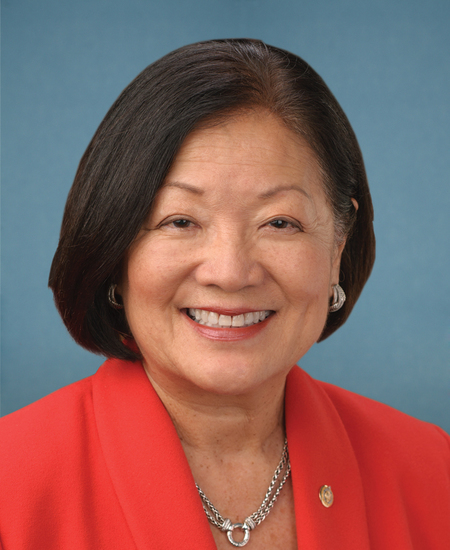
Mazie K. Hirono
Mazie K. Hirono Senate
D
Support
74% 27
Rick Scott
Rick Scott Senate
R
Strong −
19% 27
Ashley Moody
Ashley Moody Senate
R
Oppose
22% 27
Rand Paul
Rand Paul Senate
R
Oppose
22% 27
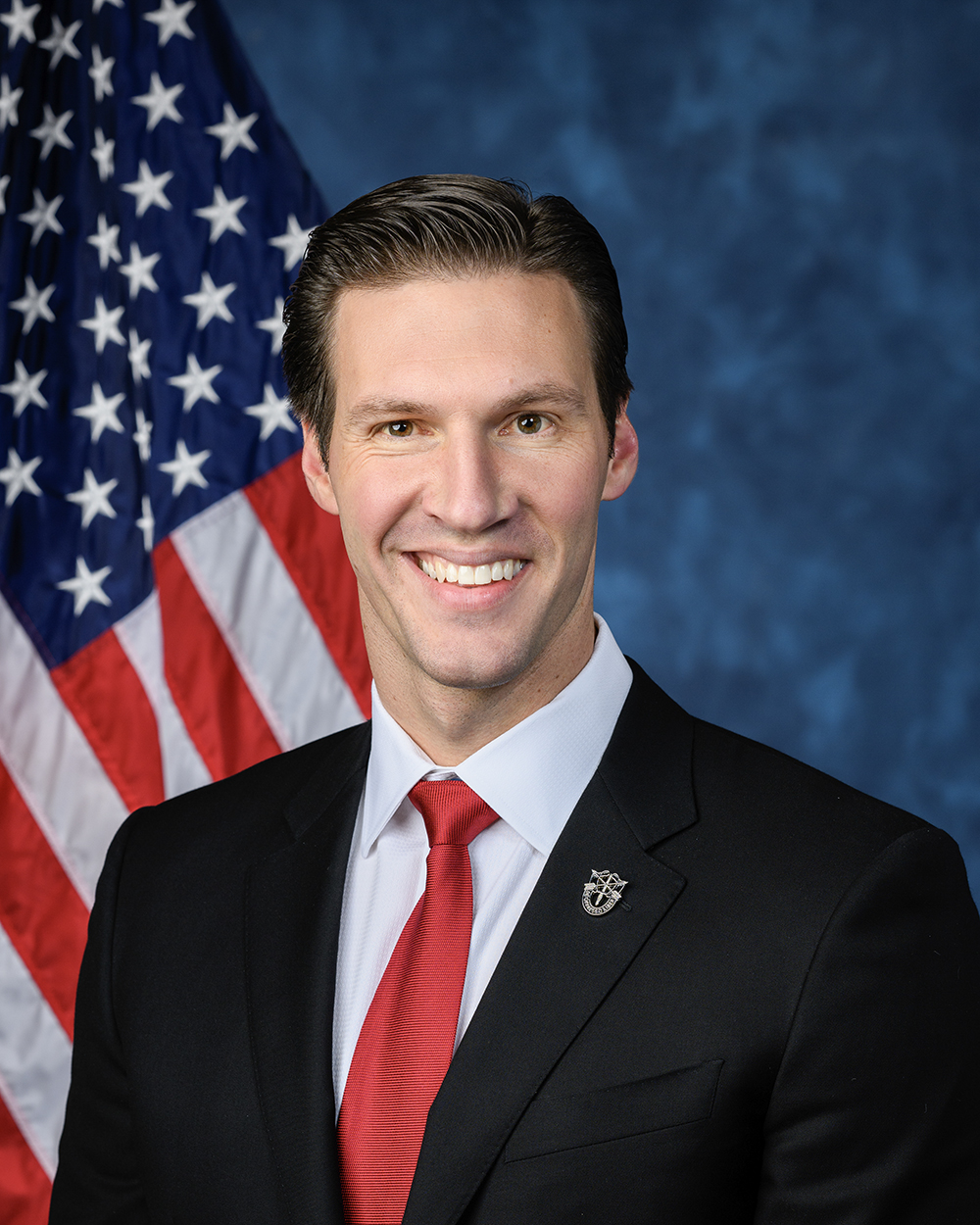
Brad Knott
Brad Knott House · District 13
R
Oppose
28% 18
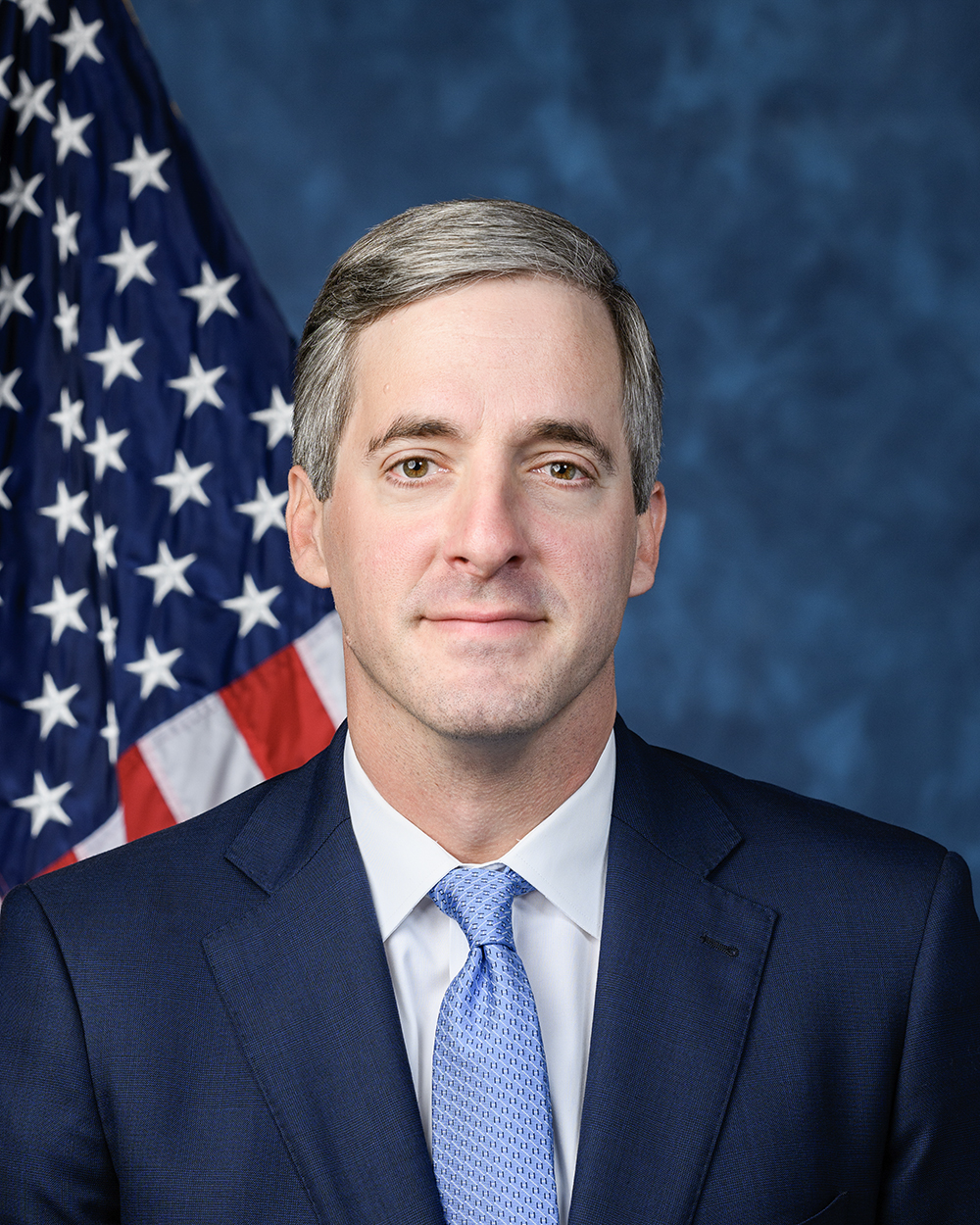
Pat Harrigan
Pat Harrigan House · District 10
R
Oppose
28% 18
Showing 2,331–2,340 of 2,910 bills

All healthcare bills

in committee · United States · House Jun 6, 2025

HR 3826: Expanding Access to Diabetes Self-Management Training Act of 2025

This bill expands Medicare coverage for diabetes self-management training. It requires Medicare to cover 10 initial hours of training plus 2 additional hours annually for beneficiaries with diabetes, eliminating cost-sharing (like copays) for these services. The policy directly affects Medicare beneficiaries with diabetes by making essential education and training fully covered. The changes apply to services provided on or after January 1, 2027.
in committee · United States · House Feb 5, 2025

HR 1026: Primary Care Enhancement Act of 2025

The Primary Care Enhancement Act of 2025 changes how certain primary care arrangements are treated for tax purposes. It defines "direct primary care service arrangements" as fixed-fee models (max $150/month per person, excluding prescriptions/anesthesia/labs) that won’t count as "health plans" under tax law. This allows the fees to be treated as deductible medical expenses and requires employers to report them on W-2 forms. The law applies to taxable years starting after 2025, affecting patients in these arrangements, employers offering them, and tax filing processes.
Sub-Topics Primary Care
in committee · United States · House Dec 10, 2025

HR 6592: Continuous Skilled Nursing Quality Improvement Act of 2025

HR 6592 redefines Medicaid-covered "private duty nursing" as "continuous skilled nursing services" for complex-care patients requiring multiple hours of daily nursing care (as determined by states), mandating these services be provided by licensed nurses (RNs or LPNs). It requires the Secretary to develop national quality standards for these services through a stakeholder working group, to be published within one year. The bill also updates Medicaid waiver services and quality measures to include continuous skilled nursing services, with standards reviewed every eight years. This directly affects complex-care Medicaid beneficiaries and their nursing providers across all states.
in committee · United States · Senate Jul 17, 2025

S 2332: ALERT Communities Act

The ALERT Communities Act (S 2332) provides federal funding to help states and tribes distribute fentanyl and xylazine test strips to prevent overdose deaths, directly affecting communities and healthcare providers working on opioid crises. It expands grant programs under the 21st Century Cures Act to cover test strips, requires first responder training on using them, and mandates the development of research frameworks for improving test strip technology. The bill also directs the Health Secretary to study how test strip availability impacts overdose rates and treatment engagement, with a report due to Congress within two years. These provisions aim to make overdose prevention tools more accessible through concrete policy changes.
Sub-Topics Substance Abuse
in committee · United States · House Apr 29, 2025

HR 2484: Seniors’ Access to Critical Medications Act of 2025

This bill temporarily allows doctors to prescribe and dispense certain Medicare-covered medications directly to seniors in their offices from 2026 to 2030, under specific conditions. It requires prior in-person visits, limits dispensing to group practices, and mandates billing through the physician’s practice. The bill also directs the GAO to study whether physician-owned pharmacies are becoming common and how such arrangements might affect prescribing. It directly affects seniors receiving Medicare Part D drugs and physician practices participating in these arrangements. The exception expires in 2030, with no changes to Medicare Part D program rules.
Sub-Topics Medicaid Medicare Prescription Drugs Tags Seniors
in committee · United States · Senate Feb 25, 2026

S 3908: SOS: Sustaining Outpatient Services Act

This bill amends Medicare payment rules to allow certain outpatient services provided by off-campus hospital departments to be paid under the hospital outpatient department system starting in 2027. It specifically targets services in physician specialties where the total Medicare payments for all such services in the previous year were less than $2 million. This change directly affects hospitals operating off-campus outpatient departments serving lower-volume physician specialties. The key provision shifts payment methodology for these specific services to align with hospital outpatient department rates, aiming to stabilize funding for smaller specialty programs. The bill does not alter existing Medicare coverage or create new benefits.
Sub-Topics Hospitals Medicare
in committee · United States · Senate May 21, 2025

S 1847: Association Health Plans Act

S 1847, the Association Health Plans Act, redefines how certain employer groups can form health insurance plans. It allows associations of employers (even across industries) or groups of self-employed individuals to create group health plans, provided they meet specific requirements: at least 51 total employees after aggregation, 2 years of existence, no health-based discrimination, and 75% employer control of the governing board. Self-employed individuals meeting work-hour and business criteria (e.g., 10+ hours/week) can join as both employers and plan participants. The bill requires plans to use community-based pricing (with limited employer-specific adjustments) and prohibits denying coverage or charging more due to health status or pre-existing conditions. This primarily affects small businesses, industry associations, and self-employed workers seeking affordable group health coverage.
Sub-Topics Insurance
in committee · United States · House Feb 27, 2025

HR 1708: Rebuild America’s Health Care Schools Act of 2025

Rebuild America’s Health Care Schools Act of 2025 This bill allows hospitals to receive reimbursement under Medicare for certain costs associated with training nursing and allied health students in settings other than the hospital itself.  Currently, hospitals may receive reimbursement under Medicare for the reasonable costs associated with training nursing and allied health students if certain conditions are met; the criteria vary depending on whether the students are enrolled in an educational program that is operated by the hospital or another entity. If the students are part of a program that is operated by another entity, the training must occur at the hospital itself or in areas immediately surrounding the hospital in order to qualify for reimbursement (among other requirements). The bill allows hospitals to receive reimbursement for these costs if the training is conducted at an entity that is related to the hospital (i.e., common ownership or control). The bill requires the Centers for Medicare & Medicaid Services (CMS) to update regulations to reflect these changes. Additionally, the CMS may not recoup or reduce payments to hospitals with respect to costs that are allowed under the bill and must refund any such recoupments or reductions that occurred during the six-year period prior to the bill's enactment.
in committee · United States · Senate Jul 23, 2025

S 2420: No Surprises Act Enforcement Act

This bill strengthens enforcement of the No Surprises Act by increasing penalties for health insurance plans and providers that violate balance billing rules, raising fines from $100 to $10,000 per violation. It also adds new penalties for late payments after Independent Dispute Resolution (IDR) decisions, requiring plans to pay three times the difference plus interest for failing to make timely payments. The bill requires regular reporting to Congress about audits, enforcement actions, and penalties related to surprise billing violations. These changes directly affect health insurance companies, group health plans, and medical providers who don't participate in insurance networks.
Sub-Topics Insurance
in committee · United States · House Apr 28, 2025

HR 3032: Expanding Remote Monitoring Access Act

This bill changes Medicare billing rules for remote monitoring services, allowing providers to bill for a minimum of 2 days of patient data collected over a 30-day period instead of the current 16 days. It directly affects Medicare patients with chronic conditions (like diabetes, heart failure, or post-surgery recovery) and healthcare providers who use remote monitoring tools. The key provision eliminates the 16-day requirement for all patients - not just during the pandemic - based on clinical evidence showing shorter monitoring periods are sufficient for many conditions. The bill also requires a report to Congress within one year analyzing the impact and recommending future reimbursement models. This aims to reduce administrative barriers while maintaining coverage for clinically appropriate remote monitoring.
Showing 2,331 to 2,340 of 2,910 bills