Issue · Healthcare

Healthcare

Every healthcare bill, vote, and legislator stance in United States, automatically classified by Maddy, our AI policy reader.

Total bills
2,910
119th Congress
Top supporter
Darline Graham
82% support rate
Top opponent
Rick Scott
19% support rate
Ranked legislators
10
5 support · 5 oppose
Key legislators

Who's moving healthcare in United States

Legislators moving healthcare in United States
Legislator Party Stance Support rate Decisive votes
Darline Graham
Darline Graham Senate
R
Strong +
82% 11
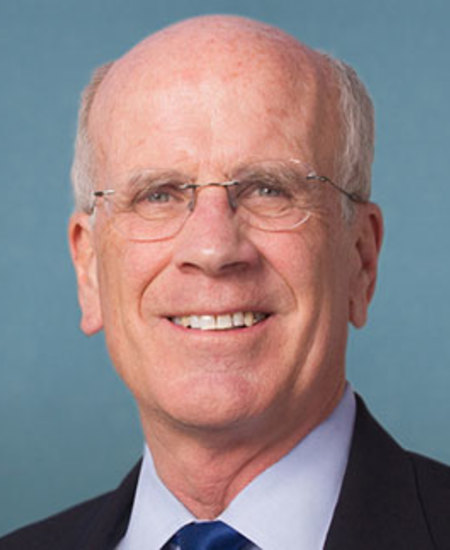
Peter Welch
Peter Welch Senate
D
Strong +
81% 27
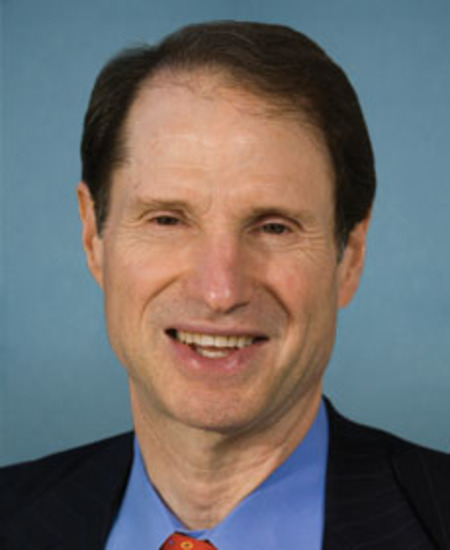
Ron Wyden
Ron Wyden Senate
D
Support
78% 27
Alex Padilla
Alex Padilla Senate
D
Support
77% 26
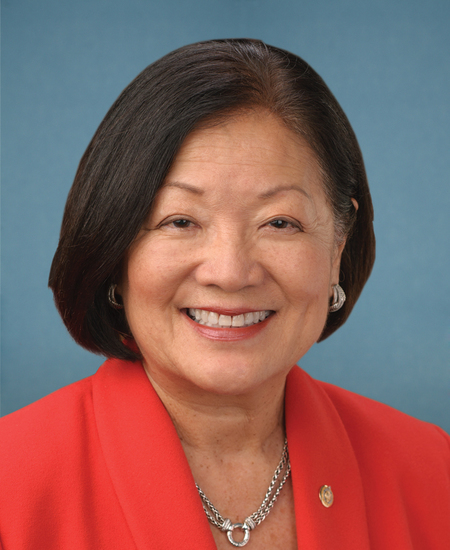
Mazie K. Hirono
Mazie K. Hirono Senate
D
Support
74% 27
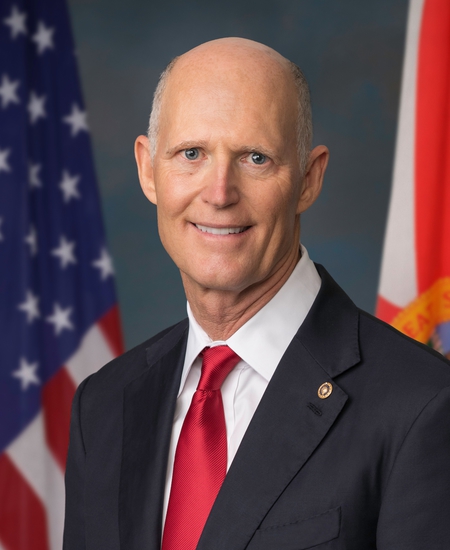
Rick Scott
Rick Scott Senate
R
Strong −
19% 27
Ashley Moody
Ashley Moody Senate
R
Oppose
22% 27
Rand Paul
Rand Paul Senate
R
Oppose
22% 27
Brad Knott
Brad Knott House · District 13
R
Oppose
28% 18
Pat Harrigan
Pat Harrigan House · District 10
R
Oppose
28% 18
Showing 2,251–2,260 of 2,910 bills

All healthcare bills

in committee · United States · Senate Jul 29, 2025

S 2514: Gun Violence Prevention Research Act of 2025

This bill authorizes $50 million annually from 2026 through 2031 for the Centers for Disease Control and Prevention (CDC) to fund research on firearms safety and gun violence prevention. It directly affects the CDC and researchers by providing dedicated funding to study these topics under the Public Health Service Act. The key mechanism is a specific annual funding allocation, added to existing resources, to support new or ongoing research initiatives. The bill does not create new regulations or restrict gun ownership but focuses solely on enabling evidence-based research. This is a funding measure, not a policy change affecting the public directly.
Sub-Topics Public Health
in committee · United States · Senate May 6, 2025

S 1630: MOMS Act

The MOMS Act establishes a federal website called pregnancy.gov that will connect pregnant and postpartum women with local resources for healthcare, housing, childcare, and other support services. It creates grant programs for nonprofits that assist women in carrying pregnancies to term, with restrictions prohibiting these organizations from providing or referring for abortion services. The bill also amends child support laws to allow for child support obligations to begin at conception for unborn children, with payment amounts determined by courts based on the best interests of the mother and child. Additionally, it provides grants for telehealth equipment to improve prenatal and postnatal care access in rural and medically underserved areas.
in committee · United States · House Oct 24, 2025

HR 5821: Rural Hospital Fairness Act

HR 5821, the Rural Hospital Fairness Act, preserves Medicare critical access hospital (CAH) status for specific rural facilities that lost certification due to location changes. It directly affects hospitals designated as CAHs before 2002, certified as of December 31, 2024, and located in counties with no other hospitals at the time of their certification loss. The bill's key provision "deems" these facilities as still certified under Medicare, allowing them to maintain eligibility for CAH funding despite not meeting the standard location requirement. This change prevents certain rural hospitals from losing vital Medicare reimbursement due to geographic shifts in their service area. The policy change applies only to qualifying facilities meeting all other CAH criteria.
Sub-Topics Hospitals Medicare Tags Rural Communities
in committee · United States · House Mar 3, 2025

HR 1776: New Health Options Act of 2025

The New Health Options Act of 2025 establishes a federal reinsurance program to lower premiums for certain individual health insurance plans. It provides payments to insurers covering "eligible individuals" enrolled in specific off-Exchange plans, with a $110,000 attachment point and 90% coverage up to $300,000 per claim, funded by $50 per member-month (capped at $6 billion annually). The bill also allows insurers to opt out of the standard risk pool (affecting how premiums are calculated) and removes limits on age-based premium variations for some plans, while maintaining a 3:1 age ratio for others. Additionally, it requires insurers to apply out-of-network costs to deductibles and mandates health care providers to disclose price comparisons for covered services.
Sub-Topics Insurance
in committee · United States · House Feb 21, 2025

HR 1480: Rural Health Innovation Act of 2025

HR 1480, the Rural Health Innovation Act of 2025, creates two new federal grant programs to improve healthcare access in rural areas. The first program provides grants to rural health clinics and Federally Qualified Health Centers (FQHCs) to establish or expand walk-in urgent care centers that offer emergency triage, staffing (like doctors and nurses), and essential equipment (such as X-ray machines). The second program funds local public health departments in rural areas to enhance emergency services, primary care, and transport coordination through equipment upgrades and staff support. Grants last up to 5 years, with funding capped at $750,000 in the first year for new centers and $500,000 annually thereafter, prioritizing existing clinics. The bill requires annual reports to Congress on program success, patient access, and healthcare utilization by 2028.
Sub-Topics Hospitals Primary Care Public Health Tags Rural Communities
in committee · United States · Senate Nov 20, 2025

S 3234: Convenient Care for Caregivers Act

This bill establishes a pilot program under the Older Americans Act to support family caregivers of people with Alzheimer's disease or related disorders. It provides grants to qualified entities like area agencies on aging or tribal organizations to offer integrated health services - such as cognitive screenings, support groups, and care consultations - at the same location for both caregivers and individuals with Alzheimer's. The program requires data collection on health indicators (like stress levels and physical health) and healthcare payment patterns to evaluate outcomes. It directly affects family caregivers and their care recipients, aiming to improve their health through coordinated, accessible support services.
in committee · United States · House Mar 27, 2025

HR 2437: EASE Act of 2025

HR 2437, the EASE Act of 2025, requires hospitals to provide specific information about available care options to Medicare patients upon discharge. The bill amends the Social Security Act to mandate that hospitals inform patients likely to need home health services, post-hospital extended care, or hospice care about the availability of those services through participating providers in their area. This applies to Medicare discharges occurring on or after January 1, 2026. The law directly affects Medicare beneficiaries discharged from hospitals who may require these specific post-discharge care services.
in committee · United States · House Feb 24, 2026

HR 7666: SOS: Sustaining Outpatient Services Act

This bill changes how Medicare pays for certain outpatient services provided by off-campus hospital departments. Starting in 2027, it would allow Medicare to pay for specific services in physician specialties where the total payments for that specialty were under $2 million in the previous year. These services would then be paid under the standard hospital outpatient payment system instead of the usual physician fee schedule. The change directly affects hospitals operating off-campus outpatient departments and physicians in low-volume specialties.
Sub-Topics Hospitals Medicare
in committee · United States · House May 14, 2025

HR 3399: Care for Military Kids Act of 2025

The Care for Military Kids Act of 2025 requires states to treat military-connected children and dependents as residents of their new state for Medicaid eligibility when relocating due to active duty service, effective January 1, 2028. It ensures these families maintain their place on home care service waiting lists after relocation without needing to restart eligibility processes. The bill mandates states to cover medical assistance for these families in their new state and preserves their waiting list status until a service slot becomes available or they opt out. Implementation funding of $1 million annually (2026-2030) supports this policy change.
in committee · United States · House Feb 27, 2025

HR 1667: Acupuncture for Our Seniors Act of 2025

HR 1667, the Acupuncture for Our Seniors Act of 2025, would expand Medicare coverage to include acupuncture services provided by qualified practitioners. It adds "qualified acupuncturist services" to Medicare’s coverage under Section 1861 of the Social Security Act, defining a qualified acupuncturist as a state-licensed practitioner or a physician legally authorized to perform acupuncture. The bill establishes payment rules by including these services in the physician fee schedule and adjusting hospital billing procedures to allow separate billing for acupuncture in inpatient settings. This change would directly affect Medicare beneficiaries receiving acupuncture, as well as acupuncturists and healthcare providers who would now bill Medicare for these services. The provisions would take effect 270 days after the bill’s enactment.
Sub-Topics Hospitals Medicare
Showing 2,251 to 2,260 of 2,910 bills