Issue · Healthcare

Healthcare

Every healthcare bill, vote, and legislator stance in United States, automatically classified by Maddy, our AI policy reader.

Total bills
2,910
119th Congress
Top supporter
Darline Graham
82% support rate
Top opponent
Rick Scott
19% support rate
Ranked legislators
10
5 support · 5 oppose
Key legislators

Who's moving healthcare in United States

Legislators moving healthcare in United States
Legislator Party Stance Support rate Decisive votes
Darline Graham
Darline Graham Senate
R
Strong +
82% 11
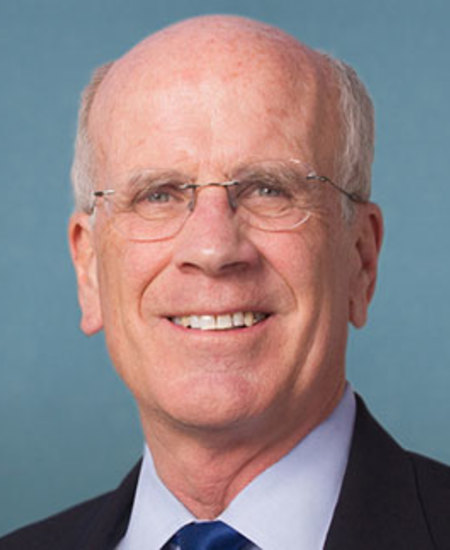
Peter Welch
Peter Welch Senate
D
Strong +
81% 27
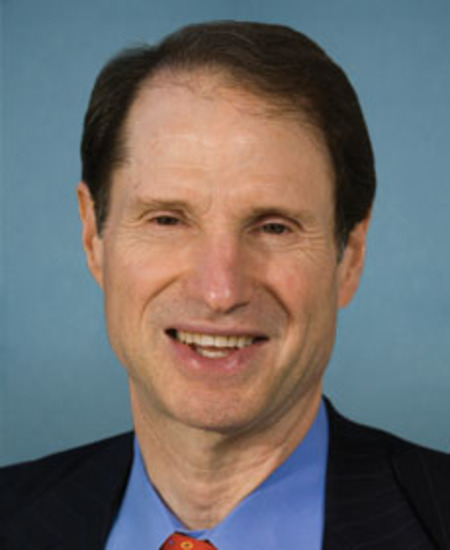
Ron Wyden
Ron Wyden Senate
D
Support
78% 27
Alex Padilla
Alex Padilla Senate
D
Support
77% 26
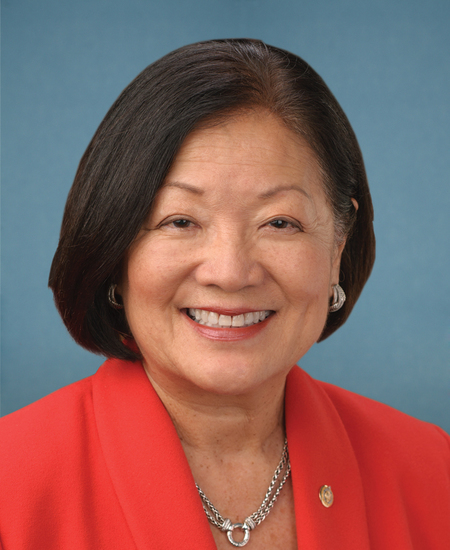
Mazie K. Hirono
Mazie K. Hirono Senate
D
Support
74% 27
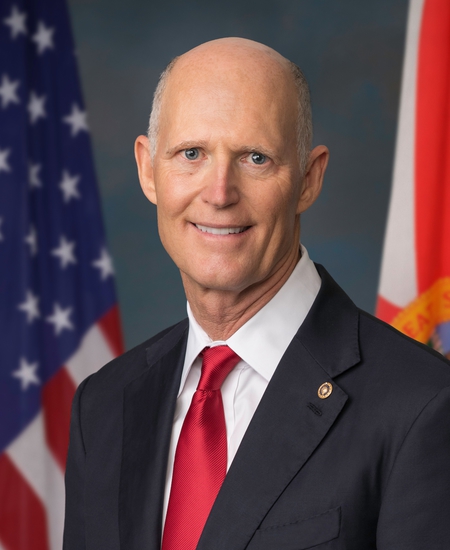
Rick Scott
Rick Scott Senate
R
Strong −
19% 27
Ashley Moody
Ashley Moody Senate
R
Oppose
22% 27
Rand Paul
Rand Paul Senate
R
Oppose
22% 27
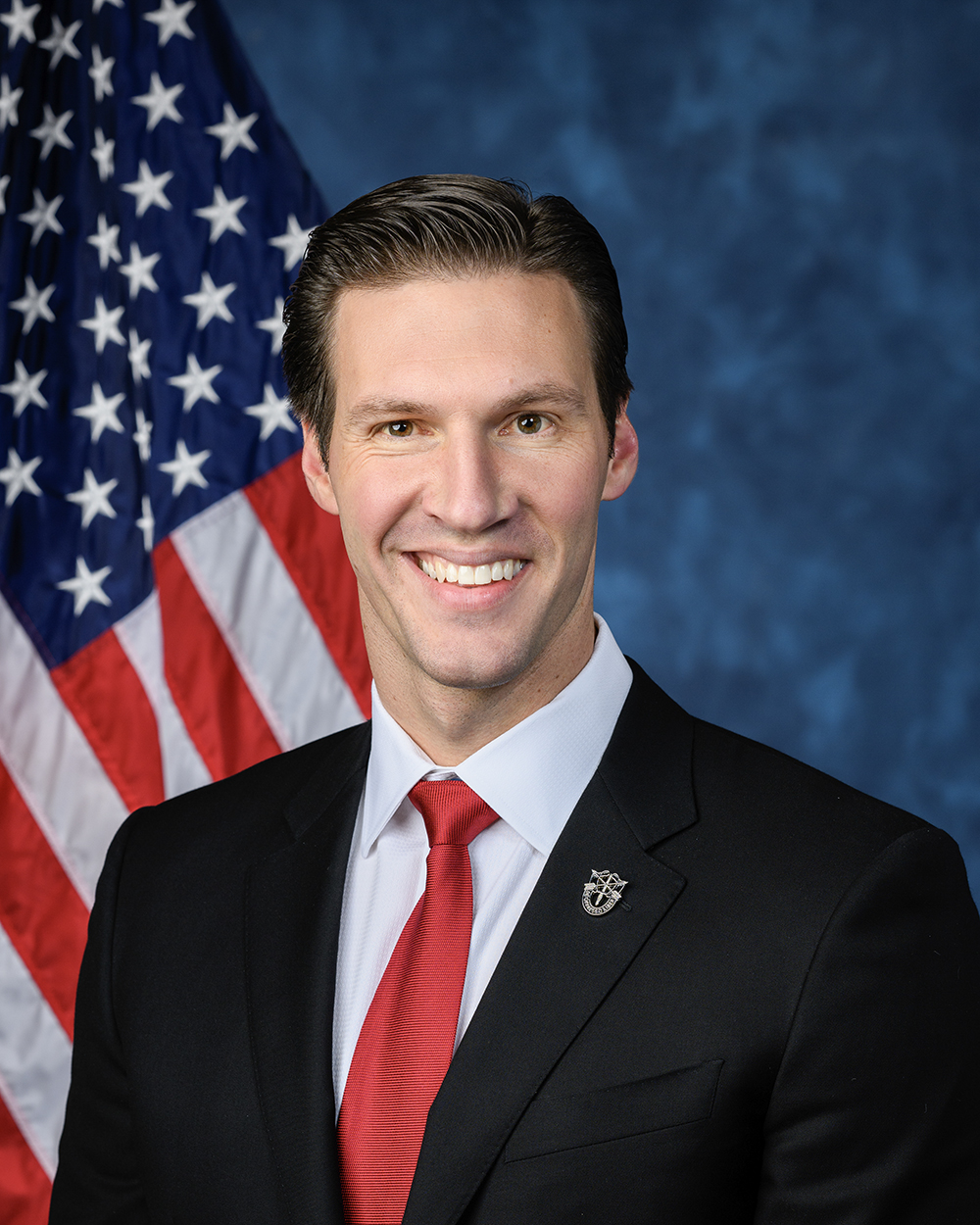
Brad Knott
Brad Knott House · District 13
R
Oppose
28% 18
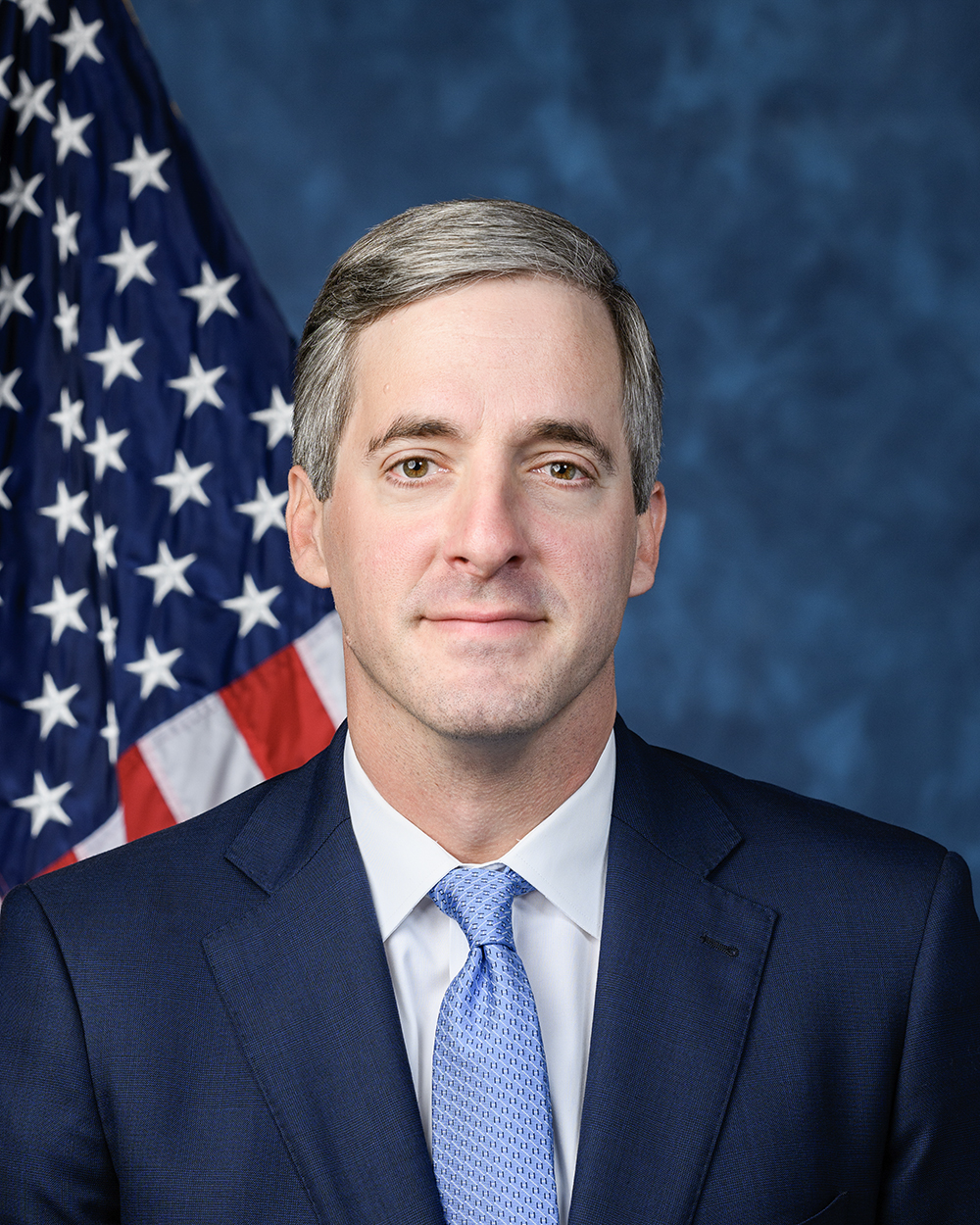
Pat Harrigan
Pat Harrigan House · District 10
R
Oppose
28% 18
Showing 2,191–2,200 of 2,910 bills

All healthcare bills

in committee · United States · House Feb 14, 2025

HR 1381: COVID–19 Vaccination Non-Discrimination Act

HR 1381, the "COVID-19 Vaccination Non-Discrimination Act," blocks federal funding to healthcare facilities that refuse treatment based solely on a patient's COVID-19 vaccination status. It directly affects hospitals, clinics, and other providers receiving federal funds under Medicare (Title XVIII), Medicaid (Title XIX), or CHIP (Title XXI) programs. The key provision withholds all federal funds - such as those for hospital payments or Medicaid services - from any facility that denies care due to vaccination status. This policy change ensures that access to care cannot be restricted based on vaccination, applying specifically to federally funded healthcare settings. The bill does not alter vaccination requirements but prevents discrimination in treatment access for patients.
in committee · United States · Senate May 12, 2025

S 1719: Primary Care Enhancement Act of 2025

This bill modifies tax rules to treat direct primary care service arrangements as deductible medical expenses. It defines such arrangements as fixed monthly fees paid directly to primary care doctors (excluding surgeries, anesthesia, or certain lab tests), with deductible amounts capped at $150 per month (adjusted annually for inflation). The law affects individuals using this care model and employers offering it, allowing them to count these fees toward medical expense deductions. It also clarifies that these arrangements are not considered health insurance for tax purposes and requires reporting fees on W-2 forms for employment-linked plans. The changes apply to months beginning after December 2025.
Sub-Topics Insurance Primary Care
in committee · United States · House Dec 4, 2025

HR 6423: HELP Copays Act

HR 6423, the HELP Copays Act, requires health insurance plans and coverage to count financial assistance from non-profits or drug manufacturers toward patient cost-sharing limits like deductibles and copayments. This directly affects patients enrolled in health insurance who receive such assistance for prescription drugs, ensuring the help they get reduces their out-of-pocket costs faster. The bill amends key health laws to mandate that these payments are included when calculating whether a patient has met their deductible or copayment threshold. The change applies to all prescription drugs, including specialty drugs and those subject to prior authorization, but does not alter how insurers manage drug access through tools like step therapy. It takes effect for plan years starting in 2026.
in committee · United States · Senate Mar 18, 2026

S 1726: ASSIST Act of 2025

Automotive Support Services to Improve Safe Transportation Act of 2025 or the ASSIST Act of 2025 This bill expands the definition of medical services for purposes of veterans’ benefits to include additional medically necessary automobile adaptations. Under the bill, the Department of Veterans Affairs may provide funding for the following medically necessary automobile adaptations for driver or passenger use: ramp and kneeling systems, lowered floors, occupied and unoccupied mobility lifts, ingress or egress accessibility modifications, and adapted seating.  The bill also extends the limitation on pension amounts for certain hospitalized or institutionalized veterans through September 30, 2032.
in committee · United States · Senate Mar 19, 2026

S 547: Train More Nurses Act

This bill requires the Health and Human Services and Labor Secretaries to review all federal grant programs supporting nurses and submit a report to Congress within one year. The report must include recommendations to improve three specific goals: increasing nursing faculty (especially in areas with nurse shortages), creating career advancement routes for experienced nurses to become faculty, and expanding pathways for licensed practical nurses (LPNs) to become registered nurses (RNs). It directly affects nursing education programs and the nursing workforce by focusing on strengthening the pipeline to address shortages. The bill itself does not fund new programs but sets up a review process to inform future policy changes.
in committee · United States · House Mar 9, 2026

HR 7871: MVP Act

HR 7871 (MVP Act) updates Medicaid drug rebate rules to allow manufacturers to report multiple "best price points" for drugs sold under outcome-based payment arrangements, requiring these arrangements to be offered to all states. It clarifies how average manufacturer price is calculated for such drugs and exempts certain outcome-linked payments from anti-kickback laws. The bill also mandates a GAO study to assess whether these arrangements improve patient access, lower costs, and reduce disparities in drug coverage. This affects Medicaid programs nationwide, drug manufacturers, and patients receiving covered outpatient drugs under Medicaid.
in committee · United States · House Feb 18, 2025

HR 1435: Family-to-Family Reauthorization Act of 2025

The Family-to-Family Reauthorization Act of 2025 extends federal funding for existing Family-to-Family Health Information Centers, which provide free resources and support to families navigating healthcare systems, especially for children with special healthcare needs. It authorizes $6 million for the period April 1-September 30, 2025, and $9 million annually for fiscal years 2026 through 2029. This funding ensures these centers can continue operating without interruption, directly supporting families seeking health information and assistance. The bill makes no new policy changes but secures ongoing financial support for established community-based health education services.
in committee · United States · House Feb 26, 2026

HRES 1090: Expressing support for the designation of February 2026 as "Low Vision and Vision Impairment Awareness Month".

This resolution (HRES 1090) expresses congressional support for designating February 2026 as "Low Vision and Vision Impairment Awareness Month" to raise public awareness about preventable vision loss. It does not create new laws or funding but highlights statistics showing millions of Americans face vision impairment, with significant health and economic impacts. The resolution urges better access to vision care information and promotes early detection for children and adults. It specifically calls on the Health and Human Services Secretary to improve surveillance and research on eye diseases, though it has no binding effect on policy or services.
in committee · United States · Senate Jan 9, 2025

S 43: Skinny Labels, Big Savings Act

This bill creates a legal safe harbor for generic drug manufacturers, protecting them from patent infringement lawsuits when they market drugs for unpatented uses. It specifically shields companies that submit abbreviated drug applications (like 505(j) applications) and avoid referencing patented conditions of use in their labeling, promotion, or marketing. The key provision ensures that describing a generic drug as therapeutically equivalent to a brand-name product - without referencing the patented use - does not constitute infringement of method-of-use patents. This directly affects generic drug companies and brand-name pharmaceutical firms, clarifying that certain labeling practices (called "skinny labels") are legally permissible under patent law.
in committee · United States · Senate Jul 27, 2026

S 2252: Saving Lives and Taxpayer Dollars Act

S 2252, the "Saving Lives and Taxpayer Dollars Act," prohibits the U.S. government or its partners from destroying foreign aid commodities like food, medicine, vaccines, or family planning products before they spoil or expire. Instead, it requires agencies to urgently deliver these items to intended beneficiaries - such as people in disaster zones, refugee camps, or communities facing health crises - through donation, sale, or other means. The bill mandates annual reports to Congress detailing any expired, spoiled, or destroyed aid, including reasons for failure to deliver and associated costs. This directly affects U.S. agencies managing global health and food aid (like USAID and the State Department) and aims to prevent waste while supporting health outcomes and U.S. agricultural exports.
Showing 2,191 to 2,200 of 2,910 bills