Issue · Healthcare

Healthcare

Every healthcare bill, vote, and legislator stance in United States, automatically classified by Maddy, our AI policy reader.

Total bills
240
119th Congress
Top supporter
Darline Graham
100% support rate
Top opponent
Ashley Moody
18% support rate
Ranked legislators
10
5 support · 5 oppose
Key legislators

Who's moving healthcare in United States

Legislators moving healthcare in United States
Legislator Party Stance Support rate Decisive votes
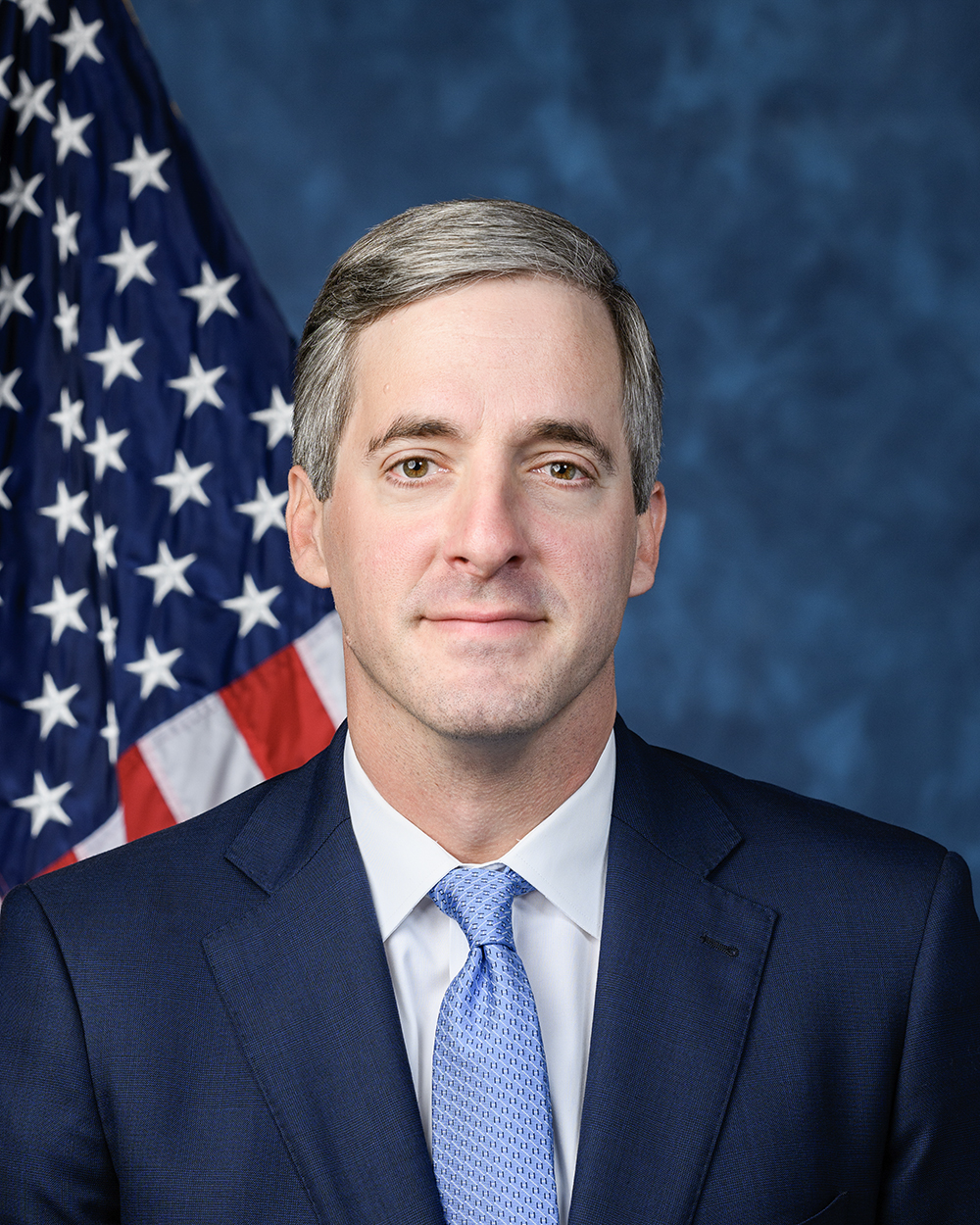
Darline Graham
Darline Graham Senate
R
Strong +
100% 6
AA
Alan Armstrong Senate
R
Strong +
88% 8
Peter Welch
Peter Welch Senate
D
Strong +
82% 22
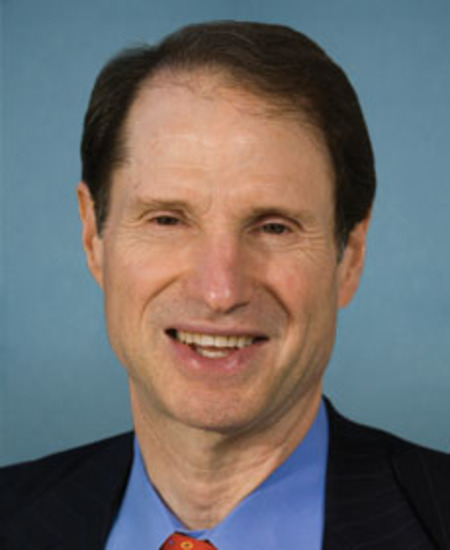
Ron Wyden
Ron Wyden Senate
D
Support
77% 22
Alex Padilla
Alex Padilla Senate
D
Support
76% 21
Ashley Moody
Ashley Moody Senate
R
Strong −
18% 22
Rick Scott
Rick Scott Senate
R
Strong −
18% 22
Rand Paul
Rand Paul Senate
R
Oppose
23% 22
Brad Knott
Brad Knott House · District 13
R
Oppose
28% 18
Pat Harrigan
Pat Harrigan House · District 10
R
Oppose
28% 18
Showing 211–220 of 240 bills

All healthcare bills

in committee · United States · House Jun 17, 2025

HRES 522: Recognizing that Adriana Smith and her family's prolonged ordeal without their consent is the direct result of the Black maternal health crisis, the danger of laws that give rights to fetuses and take them away from pregnant people, and anti-abortion laws that continue to harm people who can become pregnant.

HRES 522 is a congressional resolution recognizing Adriana Smith, a Black nurse who became brain dead at 9 weeks pregnant, as a case directly resulting from systemic issues in maternal healthcare and restrictive abortion laws. It specifically condemns laws that grant legal rights to fetuses while stripping pregnant people of medical autonomy, and highlights how Georgia’s anti-abortion laws (like the LIFE Act) create dangerous uncertainty for medical decisions. The resolution urges states to repeal abortion bans, protect advance directives for pregnant patients, and clarify that medical care must prioritize the health of the pregnant person. It does not create new law but calls for policy changes to prevent similar cases where families are denied consent over life support decisions. The resolution focuses on the intersection of racial disparities in maternal care, fetal rights legislation, and the chilling effect of vague anti-abortion laws on healthcare access.
in committee · United States · Senate May 1, 2025

S 1551: No Subsidies for Gender Transition Procedures Act

This bill would deny federal tax deductions for medical expenses related to gender transition procedures and prohibit federal funding through Medicaid, Medicare, and essential health benefits for such procedures. It defines gender transition procedures broadly to include various hormonal treatments and surgeries, while excluding certain medical conditions like disorders of sex development and specific medical emergencies. The bill would affect individuals seeking gender transition care who rely on federal health programs for coverage. The provisions would apply to services furnished after the bill's enactment, with specific exclusions for certain medically necessary treatments.
Sub-Topics Medicaid Medicare
in committee · United States · Senate Dec 4, 2025

S 3380: ACA Marketplace Integrity Act

This bill caps the monthly subsidy amount for people buying health insurance through the ACA marketplace at $5 above the base premium rate. It requires government-issued photo ID for all enrollees over 18 and additional documentation as needed for enrollment verification. The bill also enacts a 2025 federal rule focused on marketplace integrity and affordability into law. These changes directly affect individuals purchasing ACA plans who receive premium subsidies.
Sub-Topics Insurance
in committee · United States · House Dec 9, 2025

HR 6512: Putting Patients First Healthcare Freedom Act

This bill would allow states to waive certain Affordable Care Act requirements for health insurance plans, with federal funds instead deposited into "Trump health freedom accounts" for eligible individuals. It makes changes to health savings accounts to increase flexibility, creates new employer health reimbursement arrangements, and prohibits federal funding for gender transition procedures and most abortions (with exceptions for rape, incest, or to save a mother's life). The bill also includes provisions to expand short-term health insurance plans and create a reinsurance program for off-exchange plans. These changes would affect individuals purchasing health insurance, employers offering health benefits, and states that choose to participate in the waiver program.
Sub-Topics Insurance
in committee · United States · Senate Jan 15, 2026

S 3650: Child Interstate Abortion Notification Act

S 3650, the Child Interstate Abortion Notification Act, requires physicians performing abortions on minors traveling across state lines to provide 24 hours of "actual notice" (in person or in writing) to a parent before the procedure, or "constructive notice" (via certified mail) if actual notice isn't possible. The bill directly affects minors under 18 (not emancipated), their parents, and physicians in states where the minor resides but the abortion is performed. Key exceptions include life-threatening medical emergencies, court waivers for parental notification, documented child abuse, or when a parent accompanies the minor. Violations could lead to fines or imprisonment for those transporting minors to bypass parental involvement laws or physicians failing to comply with notification rules.
Sub-Topics Women's Health
in committee · United States · Senate Mar 12, 2025

S 977: End Taxpayer Funding of Gender Experimentation Act of 2025

This bill prohibits federal funds from covering gender transition procedures in any federal health program, including Medicaid, military health care, and federal employee benefits. It broadly defines "gender transition procedures" to include hormone treatments, surgeries (like hysterectomies or breast implants), and cosmetic procedures, while excluding treatment for disorders of sex development, medical emergencies, or precocious puberty. The bill also modifies the Affordable Care Act to block federal premium tax credits and cost-sharing subsidies for health plans covering these procedures, though it allows states or individuals to pay for separate coverage using non-federal funds. It directly affects federal health programs, Medicaid, and ACA marketplace plans by restricting federal funding for gender transition care.
Sub-Topics Insurance Medicaid
in committee · United States · Senate Jan 15, 2026

S 3670: End Welfare for Noncitizens Act

This bill prohibits federal funding from being used to provide benefits to refugees, asylees, and undocumented immigrants. It specifically blocks funds for programs like Temporary Assistance for Needy Families (TANF), Medicaid, and food stamps (SNAP) when serving these groups, as well as other federal benefits, subsidies, or services. The law directly affects noncitizens in the U.S. without legal status, refugees, and asylees by denying them access to these federal programs. It amends existing law to prevent the use of appropriated funds for these purposes.
in committee · United States · Senate Jan 22, 2025

S 177: Protect Funding for Women's Health Care Act

S 177, the Protect Funding for Women's Health Care Act, prohibits federal funding from being provided to Planned Parenthood Federation of America or its affiliates, clinics, subsidiaries, or successors. This directly affects Planned Parenthood as a recipient of federal funds for women's health services. The bill ensures that funds previously allocated to Planned Parenthood will instead be made available to other eligible providers like community health centers, hospitals, and clinics serving women. It explicitly states this prohibition does not reduce overall federal funding for women’s health care or affect existing abortion-related funding restrictions in appropriations acts.
Sub-Topics Women's Health
in committee · United States · House Apr 10, 2025

HR 2874: Defense of Conscience in Health Care Act

This bill requires the Health and Human Services Secretary to issue a final rule within six months of enactment that reinstates the 2019 "protecting statutory conscience rights in health care" regulation. It directly affects healthcare providers and facilities receiving federal funds, ensuring they can refuse certain services (like abortion or contraception) based on religious or moral beliefs without penalty. The rule must explicitly supersede any conflicting current regulations. This is a procedural rule restoration, not a new policy, aimed at preserving existing conscience protections under federal law.
Sub-Topics Women's Health
died · United States · Senate Dec 11, 2025

S 3386: Health Care Freedom for Patients Act of 2025

Health Care Freedom for Patients Act of 2025 This bill allows certain individuals with health savings accounts (HSAs) to receive federal payments. It also restricts payments under Medicaid and the Children's Health Insurance Program (CHIP) regarding certain noncitizens and restricts coverage of gender-transition procedures. Specifically, the bill provides funds for the Department of Health and Human Services to deposit payments into an individual’s HSA during 2026-2027 if the individual has a bronze or catastrophic plan through a health insurance exchange, is between the ages of 18 and 64, and has income up to 700% of the federal poverty level (FPL). Individuals may receive $1,000 or $1,500 annually, depending on age.  The bill also provides funds, beginning in 2027, for cost-sharing reductions for certain individuals who have a silver plan and income up to 250% of the FPL. Beginning in 2027, the bill allows any individual to enroll in a catastrophic plan. Currently, these plans are limited to those under the age of 30 or who have certain exemptions. The bill also reduces the enhanced federal matching rate for the Medicaid expansion population in states that provide any health benefits for individuals who are not qualified aliens under federal law. The bill makes Medicaid and CHIP coverage of individuals while their status is being verified optional and conditions federal payment during this period on verification.  Finally, the bill prohibits exchange plans from covering gender-transition procedures as an essential health benefit and prohibits federal payment under Medicaid and CHIP for these procedures.
Showing 211 to 220 of 240 bills
Previous 1 … 21 22 23 … 24 Next