Issue · Healthcare

Healthcare

Every healthcare bill, vote, and legislator stance in United States, automatically classified by Maddy, our AI policy reader.

Total bills
2,910
119th Congress
Top supporter
Darline Graham
82% support rate
Top opponent
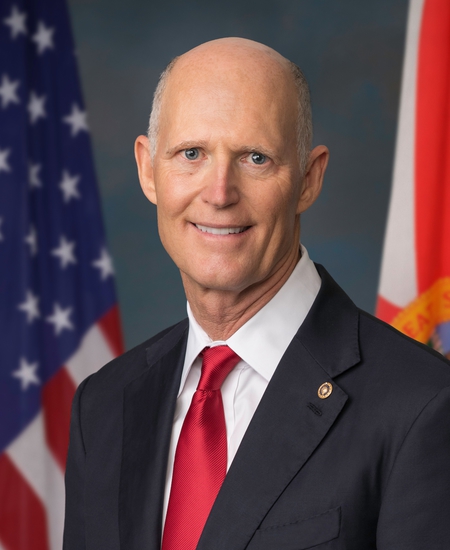
Rick Scott
19% support rate
Ranked legislators
10
5 support · 5 oppose
Key legislators

Who's moving healthcare in United States

Legislators moving healthcare in United States
Legislator Party Stance Support rate Decisive votes
Darline Graham
Darline Graham Senate
R
Strong +
82% 11
Peter Welch
Peter Welch Senate
D
Strong +
81% 27
Ron Wyden
Ron Wyden Senate
D
Support
78% 27
Alex Padilla
Alex Padilla Senate
D
Support
77% 26
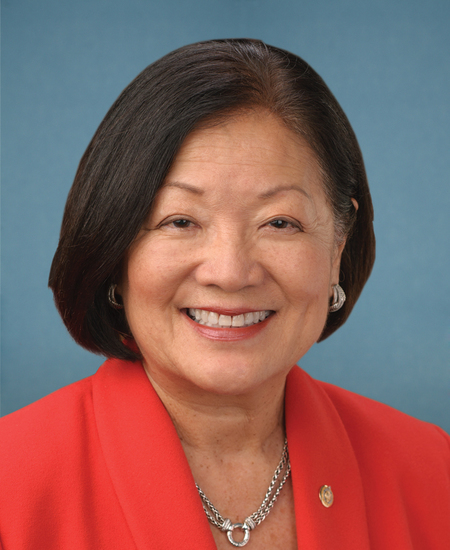
Mazie K. Hirono
Mazie K. Hirono Senate
D
Support
74% 27
Rick Scott
Rick Scott Senate
R
Strong −
19% 27
Ashley Moody
Ashley Moody Senate
R
Oppose
22% 27
Rand Paul
Rand Paul Senate
R
Oppose
22% 27
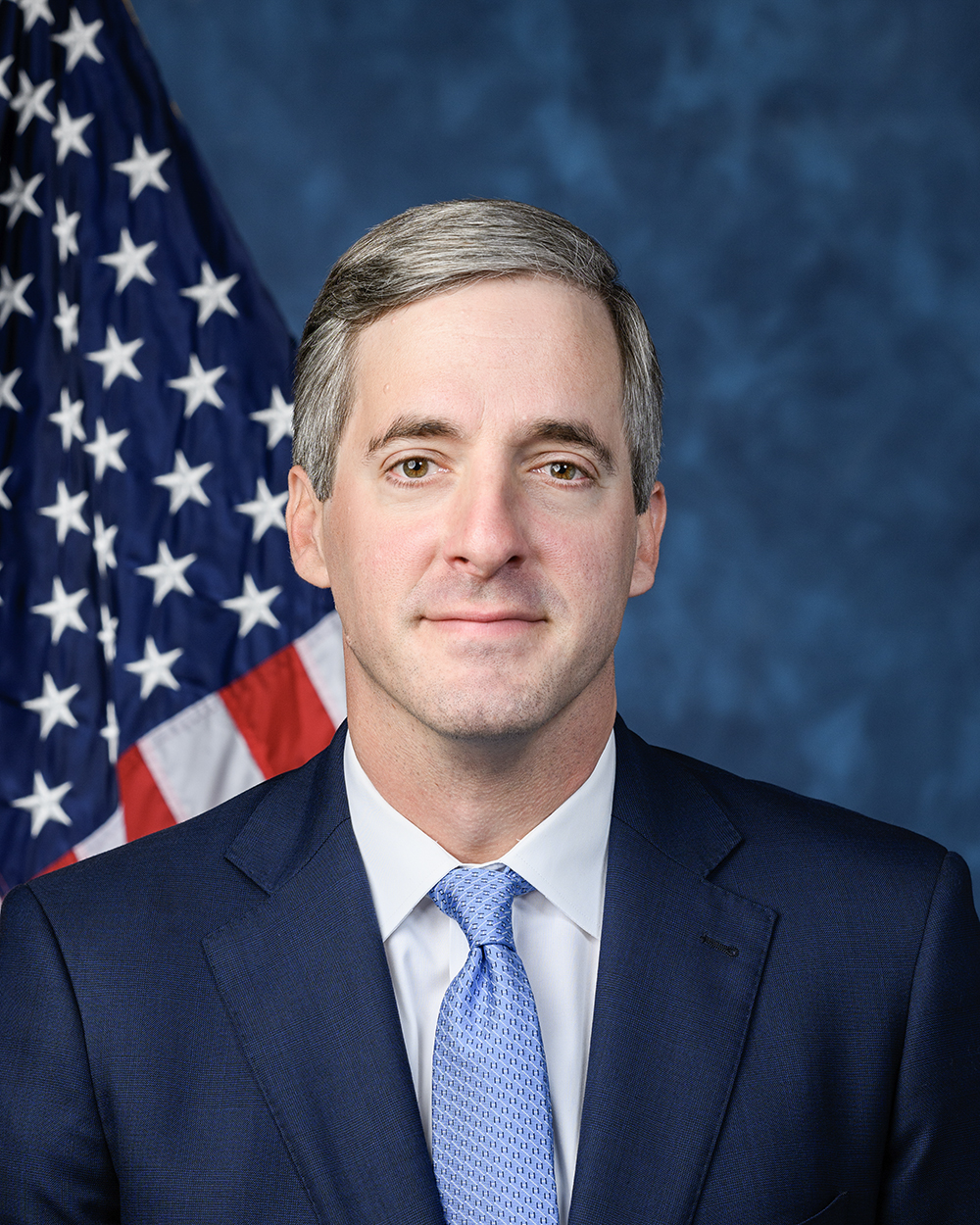
Brad Knott
Brad Knott House · District 13
R
Oppose
28% 18
Pat Harrigan
Pat Harrigan House · District 10
R
Oppose
28% 18
Showing 2,171–2,180 of 2,910 bills

All healthcare bills

in committee · United States · House Jul 21, 2025

HR 4569: Supporting Premature Infant Nutrition Act of 2025

This bill requires Medicaid, Children's Health Insurance Program (CHIP), and private health plans to cover human milk fortifier - specialized nutritional products made from donor human milk - without cost-sharing for eligible premature infants. It directly affects infants under 1 year with specific medical needs, such as birth at 34 weeks or less, birth weight under 1,800 grams, or certain health conditions requiring this fortifier. Key provisions mandate no deductibles or copays for this coverage starting January 1, 2026, and define eligibility criteria for healthcare providers to determine medical necessity. The law applies broadly across federal health programs and private insurance, ensuring access to this nutrition support for qualifying infants.
in committee · United States · House Feb 18, 2025

HR 1414: Cameron’s Law

HR 1414, titled "Cameron’s Law," increases the tax credit for pharmaceutical companies developing orphan drugs (medicines for rare diseases) from 25% to 50% of qualified research expenses. This change directly affects drug manufacturers investing in treatments for conditions affecting fewer than 200,000 people in the U.S. The bill amends the Internal Revenue Code to implement this higher credit rate, effective for taxable years starting after the law’s enactment. It provides a concrete financial incentive to encourage research into rare disease treatments without altering eligibility criteria or adding new requirements.
Sub-Topics Tax Credits
in committee · United States · Senate Feb 24, 2026

S 1441: SAVES Act of 2025

The SAVES Act of 2025 establishes a five-year pilot program at the Department of Veterans Affairs (VA) to fund nonprofit organizations that provide service dogs to eligible veterans with specific disabilities, such as blindness, mobility issues, PTSD, or traumatic brain injury. Nonprofits must apply competitively, meet training and animal welfare standards (including ADA compliance), and provide service dogs at no cost to veterans, with the VA covering all program expenses. The VA will also provide ongoing veterinary insurance for the dogs, which continues even after the pilot ends. This program is funded with $10 million annually for five years, targeting veterans as defined by VA medical criteria.
in committee · United States · Senate Apr 10, 2025

S 1095: Stop STALLING Act

The Stop STALLING Act empowers the Federal Trade Commission (FTC) to take action against pharmaceutical companies that submit "sham" petitions under drug approval processes. Specifically, it targets petitions that are objectively baseless and used to delay generic drug approvals, directly affecting drug manufacturers filing such petitions. The bill establishes civil penalties of up to $50,000 per day or the revenue earned from the delayed drug during the petition's review period. It creates a presumption of "sham" status if the Health Secretary determines a petition was filed primarily to delay approval, with companies able to rebut this presumption. The law does not alter FDA drug approval rules but adds FTC enforcement for unfair competition tactics.
in committee · United States · House Mar 31, 2025

HRES 276: Raising awareness of the racial disparities in the impact of colorectal cancer on the Hispanic community.

HRES 276 is a non-binding resolution recognizing racial disparities in colorectal cancer outcomes for the Hispanic community. It specifically highlights that Hispanic adults are less likely to receive screening (49% vs. 58% for non-Hispanic White adults) despite colorectal cancer being a leading cause of cancer death in this group. The resolution encourages the CDC to research screening disparities and develop strategies to reduce them, while also supporting National Colorectal Cancer Awareness Month in March. It urges individuals to discuss screening with healthcare providers and calls for NIH research on risk factors in young adults. This resolution does not create new laws or funding but aims to raise awareness and guide future public health efforts.
Sub-Topics Public Health
in committee · United States · House Sep 15, 2025

HR 5364: STOP FRAUD in Medicaid Act

HR 5364, the STOP FRAUD in Medicaid Act, expands state Medicaid fraud control units' authority to investigate and prosecute fraud committed by Medicaid beneficiaries (people receiving benefits), not just healthcare providers. It amends federal law to explicitly include "individuals applying for or receiving" Medicaid services in fraud investigations, requiring states to cover both provider and beneficiary fraud. The bill directs states to investigate false applications or misuse of benefits, such as lying about income to qualify or using benefits for unauthorized services. These changes take effect 180 days after the bill becomes law, applying to all Medicaid programs nationwide. The law focuses on clarifying investigative scope without creating new penalties or funding.
Sub-Topics Medicaid
in committee · United States · Senate Sep 30, 2025

S 2951: Competitive Bidding Relief Act

S 2951, the Competitive Bidding Relief Act, extends current Medicare payment rates for durable medical equipment (DME) in non-rural areas through December 31, 2025, and delays a new payment rule until 2026. It directly affects Medicare beneficiaries and DME suppliers in non-rural communities by maintaining existing reimbursement rates. The bill modifies how the Medicare program calculates payments under Section 414.210(g)(9) of federal regulations, preventing immediate changes to payment structures. This provides temporary stability for DME providers while allowing the government time to implement future adjustments.
Sub-Topics Medicare
in committee · United States · Senate Apr 1, 2025

S 1227: ABC Act

S 1227 (ABC Act) requires the Centers for Medicare & Medicaid Services and Social Security Administration to review and simplify eligibility processes, forms, and communications for Medicare, Medicaid, CHIP, and Social Security programs. It directly affects family caregivers - defined as individuals supporting people with disabilities or health needs - who often face duplicate paperwork and communication barriers when navigating these systems. Key provisions mandate reducing repeated information requests, improving website accessibility (including ADA compliance), cutting call wait times, providing translation services, and gathering input from caregivers and advocacy groups. The agencies must report findings and proposed improvements to Congress within two years, with follow-up reports every two years. This bill focuses on streamlining existing processes, not creating new benefits or funding.
in committee · United States · House Mar 4, 2025

HR 668: Coordinating Care for Senior Veterans and Wounded Warriors Act

HR 668 establishes a 3-year pilot program to coordinate healthcare between the Department of Veterans Affairs (VA) and Medicare for veterans enrolled in both systems (called "covered veterans"). It assigns each participating veteran a VA case manager to create personalized care plans, navigate VA and Medicare services, and coordinate medical records to improve access, outcomes, and cost efficiency. The program tracks specific metrics like care costs, patient satisfaction, and service gaps, and requires quarterly reports to Congress on its implementation and results. The pilot will operate across 3-5 VA facilities in diverse settings (rural, urban, medically underserved areas) to test coordination models before potentially expanding the approach.
in committee · United States · Senate Mar 12, 2025

S 983: Hearing Device Coverage Clarification Act

The Hearing Device Coverage Clarification Act (S 983) requires the Centers for Medicare & Medicaid Services (CMS) to clarify that implanted active middle ear hearing devices are prosthetics - not hearing aids - so they fall under Medicare's prosthetic coverage instead of the hearing aid exclusion. This change would directly affect Medicare beneficiaries who use these specific devices, ensuring they qualify for coverage without being denied under current policy. CMS must issue this clarification within 60 days of the bill's enactment, referencing the existing regulatory definition of "prosthetic" from 42 CFR § 414.202. The bill does not create new benefits but removes a coverage barrier for these devices.
Sub-Topics Medicaid Medicare
Showing 2,171 to 2,180 of 2,910 bills