Issue · Healthcare

Healthcare

Every healthcare bill, vote, and legislator stance in United States, automatically classified by Maddy, our AI policy reader.

Total bills
2,910
119th Congress
Top supporter
Darline Graham
82% support rate
Top opponent
Rick Scott
19% support rate
Ranked legislators
10
5 support · 5 oppose
Key legislators

Who's moving healthcare in United States

Legislators moving healthcare in United States
Legislator Party Stance Support rate Decisive votes
Darline Graham
Darline Graham Senate
R
Strong +
82% 11
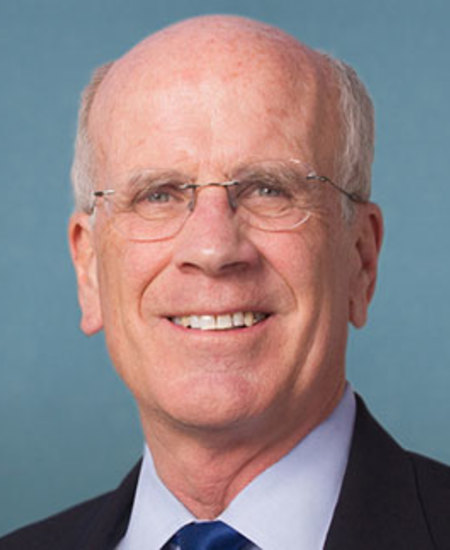
Peter Welch
Peter Welch Senate
D
Strong +
81% 27
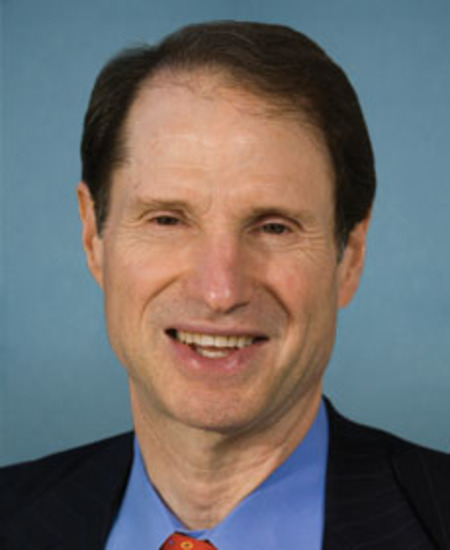
Ron Wyden
Ron Wyden Senate
D
Support
78% 27
Alex Padilla
Alex Padilla Senate
D
Support
77% 26
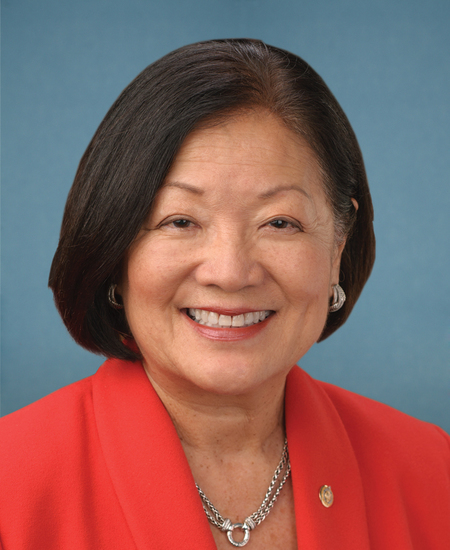
Mazie K. Hirono
Mazie K. Hirono Senate
D
Support
74% 27
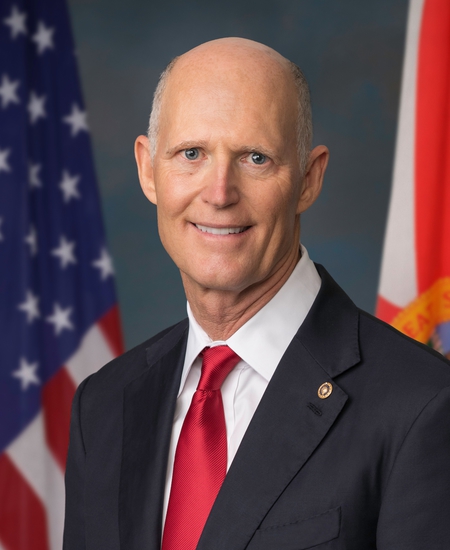
Rick Scott
Rick Scott Senate
R
Strong −
19% 27
Ashley Moody
Ashley Moody Senate
R
Oppose
22% 27
Rand Paul
Rand Paul Senate
R
Oppose
22% 27
Brad Knott
Brad Knott House · District 13
R
Oppose
28% 18
Pat Harrigan
Pat Harrigan House · District 10
R
Oppose
28% 18
Showing 2,091–2,100 of 2,910 bills

All healthcare bills

in committee · United States · House Sep 4, 2025

HR 5133: Patients’ Right to Know Their Medication Act of 2025

HR 5133, the Patients’ Right to Know Their Medication Act of 2025, requires drug manufacturers to provide standardized printed patient medication information (PMI) with each prescription dispensed in non-hospital settings. This PMI must include clear, plain-language details on drug name, usage instructions, warnings, side effects, storage, disposal, and interactions - formatted consistently with readable text and graphics. The bill directly affects patients receiving prescriptions, ensuring they get accessible, non-promotional printed information to improve safety and reduce errors. The FDA would establish regulations within one year of enactment, mandating that manufacturers include this standardized PMI on prescription drug packaging.
in committee · United States · Senate Mar 18, 2026

S 2397: CARING for Our Veterans Health Act of 2025

This bill requires the Department of Veterans Affairs (VA) to improve coordination when veterans receive care from community providers. It directs the VA's Under Secretary for Health to develop guidance for VA medical centers on obtaining final medical documentation after community care referrals, set performance goals for this documentation, and mandate core training for community care providers. The bill also requires the VA to monitor provider training completion and ensure clear communication about training requirements. Finally, it mandates regular reports to Congress on implementation progress, starting 120 days after enactment.
in committee · United States · Senate Feb 24, 2025

S 690: Overdose RADAR Act

The Overdose RADAR Act (S 690) provides federal grants to states, localities, and schools to improve opioid overdose response and data collection. It authorizes funding for better toxicology testing, data sharing across systems, and a wastewater pilot program to detect drugs like fentanyl in communities. The bill also creates new school-based grants allowing trained staff to administer naloxone for emergency opioid overdoses, requiring schools to maintain supplies and have certified personnel on-site. Additionally, it reforms the Office of National Drug Control Policy to coordinate national data standards and issue guidance on classifying non-self-induced overdoses as homicides.
in committee · United States · Senate Feb 20, 2025

S 666: First Responders Wellness Act

The First Responders Wellness Act creates a national 24/7 mental health hotline for first responders (including police, firefighters, EMTs, and 911 dispatchers) and their families, offering toll-free voice and text support. The hotline must be staffed by trained peer specialists or mental health providers familiar with first responder stressors and must coordinate with existing crisis lines like 988. It requires annual public awareness campaigns, annual reports on effectiveness, and authorizes $10 million yearly for 2025-2031. The bill also directs a report on on-site crisis services for emergency response providers during major disasters.
Sub-Topics Mental Health Substance Abuse Tags Emergency Management Public Safety
in committee · United States · House May 12, 2025

HR 2970: National Veterans Advocate Act of 2025

This bill creates an independent Office of the National Veterans' Advocate within the Department of Veterans Affairs (VA) to directly address veterans' concerns. The National Veterans' Advocate, appointed at a senior executive level and reporting directly to the VA Secretary, will monitor VA operations, identify systemic problems veterans face, and make independent recommendations to Congress for improving care, benefits, and efficiency. The Office must establish a public casework request portal for veterans, submit biannual reports to Congress with unreviewed recommendations (including potential legislative changes), and ensure staffing levels of one advocate per 12,000 enrolled veterans in each VA service region. The bill authorizes $25 million annually for fiscal years 2026-2030 to fund these efforts.
in committee · United States · Senate Mar 14, 2025

S 1087: Rebuild America’s Health Care Schools Act of 2025

Rebuild America’s Health Care Schools Act of 2025 This bill allows hospitals to receive reimbursement under Medicare for certain costs associated with training nursing and allied health students in settings other than the hospital itself.  Currently, hospitals may receive reimbursement under Medicare for the reasonable costs associated with training nursing and allied health students if certain conditions are met; the criteria vary depending on whether the students are enrolled in an educational program that is operated by the hospital or another entity. If the students are part of a program that is operated by another entity, the training must occur at the hospital itself or in areas immediately surrounding the hospital in order to qualify for reimbursement (among other requirements). The bill allows hospitals to receive reimbursement for these costs if the training is conducted at an entity that is related to the hospital (i.e., common ownership or control). The bill requires the Centers for Medicare & Medicaid Services (CMS) to update regulations to reflect these changes. Additionally, the CMS may not recoup or reduce payments to hospitals with respect to costs that are allowed under the bill and must refund any such recoupments or reductions that occurred during the six-year period prior to the bill's enactment.
in committee · United States · House Apr 29, 2025

HR 3079: Medicaid Empowerment Act of 2025

This bill extends renewal periods for state Medicaid waivers providing home and community-based services from five to ten years. It directly affects states administering these waivers, allowing them longer planning horizons without frequent reauthorization. Key provisions amend specific sections of the Social Security Act to replace "five-year periods" with "10-year periods" for waiver extensions and renewals starting after the bill's enactment. The change aims to provide greater stability for states managing Medicaid programs serving people with disabilities and elderly individuals in community settings.
Sub-Topics Long-Term Care Medicaid Tags People with Disabilities
in committee · United States · Senate Jul 29, 2025

S 2490: Strengthening Advocacy for Long-Term Care Residents Act

This bill amends the Older Americans Act to improve training for unpaid volunteers in state long-term care ombudsman programs. It requires the federal ombudsman office to tailor training standards to each volunteer's specific role, aiming to reduce unnecessary training requirements for prospective volunteers. The bill also mandates a study by the National Academies on state ombudsman program effectiveness and current staff-to-bed ratios, with a report due within one year. These changes directly affect unpaid volunteers and state ombudsman programs nationwide.
Sub-Topics Long-Term Care
in committee · United States · House Feb 12, 2026

HR 7267: Produce Prescriptions for Veterans Act

This bill amends the VA's medical services to include "produce prescriptions" as a covered benefit. It directly affects veterans with diet-related chronic conditions (like diabetes or heart disease) who are also food-insecure. The key provision defines a "produce prescription" as a VA-provided voucher or debit card for purchasing fruits and vegetables to improve their health. This changes existing VA policy to formally cover this nutrition support as part of medical care, without creating new funding mechanisms.
in committee · United States · Senate Sep 30, 2025

S 2955: Forced Abortion Prevention and Accountability Act

This bill prohibits non-consensual administration of abortion-inducing drugs (like mifepristone or misoprostol) to pregnant women under federal law. It makes such acts a crime punishable by up to 25 years in prison, with enhanced penalties for serious injury or death, and creates civil remedies allowing victims to seek triple damages, compensation for physical/psychological harm, and attorney fees. The law specifically requires "informed consent" - meaning a woman must voluntarily agree after being fully informed about risks - before any abortion-inducing drug can be administered. It directly affects medical providers who violate consent rules and pregnant women subjected to non-consensual drug administration.
Showing 2,091 to 2,100 of 2,910 bills