Issue · Healthcare

Healthcare (Medicaid)

Every healthcare bill, vote, and legislator stance in United States, automatically classified by Maddy, our AI policy reader.

Total bills
389
119th Congress
Top supporter
Christopher Murphy
89% support rate
Top opponent
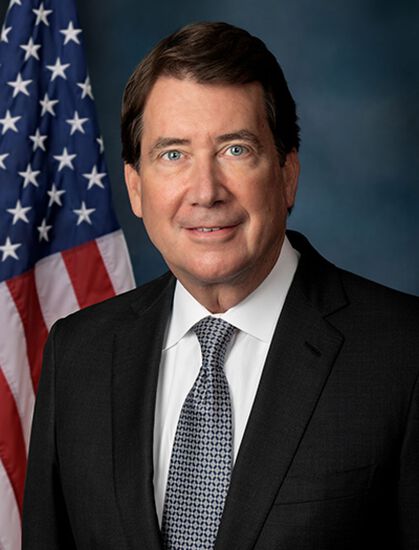
Bill Hagerty
11% support rate
Ranked legislators
10
5 support · 5 oppose
Key legislators

Who's moving medicaid in United States

Legislators moving medicaid in United States
Legislator Party Stance Support rate Decisive votes
Christopher Murphy
Christopher Murphy Senate
D
Strong +
89% 9
Adam B. Schiff
Adam B. Schiff Senate
D
Strong +
80% 10
Alex Padilla
Alex Padilla Senate
D
Strong +
80% 10
Amy Klobuchar
Amy Klobuchar Senate
D
Strong +
80% 10
Andy Kim
Andy Kim Senate
D
Strong +
80% 10
Bill Hagerty
Bill Hagerty Senate
R
Strong −
11% 9
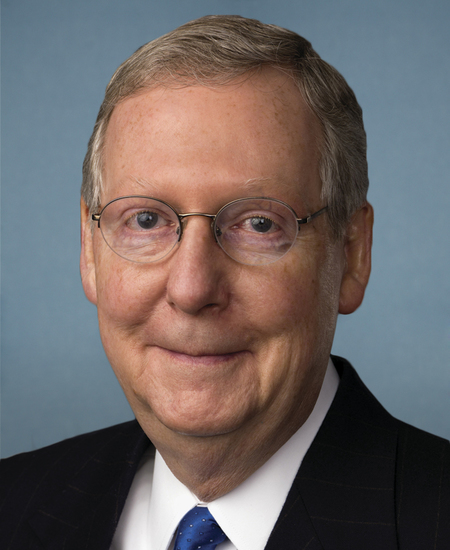
Mitch McConnell
Mitch McConnell Senate
R
Strong −
11% 9
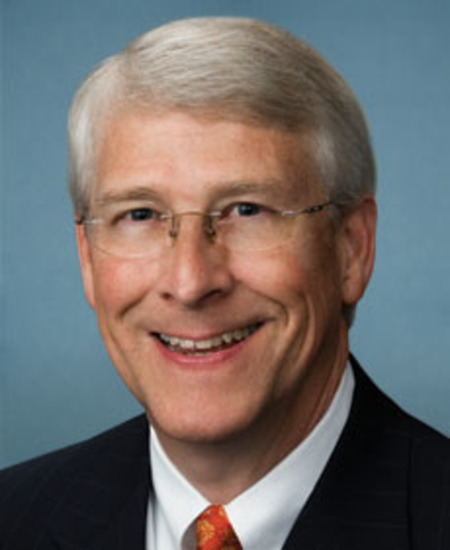
Roger F. Wicker
Roger F. Wicker Senate
R
Strong −
11% 9
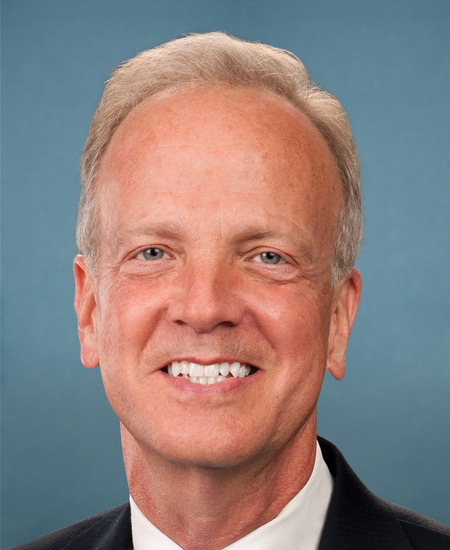
Jerry Moran
Jerry Moran Senate
R
Strong −
12% 8
Ashley Moody
Ashley Moody Senate
R
Strong −
20% 10
Showing 201–210 of 389 bills

All healthcare bills

in committee · United States · House Dec 5, 2025

HR 6494: Territories Health Equity Act of 2025

Territories Health Equity Act of 2025 This bill alters provisions relating to the treatment of U.S. territories under Medicaid, Medicare, and Medicare Advantage. For example, the bill eliminates Medicaid funding limitations for U.S. territories beginning in FY2026, exempts an individual from late-enrollment penalties for Medicare medical services if the individual resided in Puerto Rico as of the date of eligibility and the individual enrolls within five years of such date, and establishes minimum criteria for certain elements used in Medicare Advantage payment calculations for areas within U.S. territories. The bill also allows residents of U.S. territories who are unable to obtain health insurance through their employer or a health insurance exchange to instead obtain coverage that is at least as broad as the coverage available to Members of Congress and their staff through the District of Columbia exchange.
in committee · United States · House Dec 11, 2025

HR 6609: Pharmacists Fight Back in Medicare and Medicaid Act

This bill establishes new requirements for pharmacy benefit managers (PBMs) working with Medicare Part D prescription drug plans and Medicaid programs. It mandates that PBMs pay pharmacies a specific reimbursement amount based on drug acquisition costs plus a fixed fee, pass through manufacturer rebates directly to beneficiaries at the point of sale, and prohibits steering practices that direct patients to specific pharmacies. The bill applies to Medicare Part D plans and Medicaid managed care organizations beginning January 1, 2027, affecting how PBMs interact with pharmacies and handle drug rebates. Violations could result in criminal penalties of up to $1 million or 10 years in prison for willful noncompliance. The bill aims to increase transparency and fairness in pharmacy drug pricing for Medicare and Medicaid beneficiaries.
in committee · United States · House Oct 3, 2025

HR 842: Nancy Gardner Sewell Medicare Multi-Cancer Early Detection Screening Coverage Act

This bill adds Medicare coverage for multi-cancer early detection screening tests (blood or biological tests analyzing cell-free DNA) starting January 1, 2028. It directly affects Medicare beneficiaries aged 68 and older (starting in 2028, with the age limit increasing by 1 year annually), requiring tests to be FDA-cleared and deemed reasonable/necessary by the Secretary for early cancer detection across multiple organ sites. Payment will initially match current stool DNA test rates before 2031, then shift to a lower rate or new payment system after 2031, with limits preventing more than one test per year. The bill explicitly states it does not alter coverage for existing cancer screenings like breast, colorectal, or prostate cancer tests.
Sub-Topics Medicaid Medicare
in committee · United States · House Jan 15, 2026

HR 7118: Genomic Answers for Children’s Health Act of 2026

HR 7118, the Genomic Answers for Children’s Health Act of 2026, requires Medicaid to cover whole genome and whole exome sequencing for Medicaid-eligible children with specific medical needs, including genetic disorders, rare diseases, congenital anomalies, developmental delays, or intellectual disabilities. It mandates that this testing be ordered as a first-tier test by a physician and paid separately, not bundled with other services. The bill also requires the Department of Health and Human Services to convene stakeholders, conduct outreach to raise awareness, and publish a report within two years detailing state payment rates and usage data. Additionally, it directs a Comptroller General report assessing implementation barriers, workforce challenges, and payment alignment with market costs. The changes take effect January 1, 2027.
in committee · United States · House Mar 27, 2025

HR 2469: Abortion DOULAS Act

HR 2469, the Abortion DOULAS Act, mandates a study by the Secretary of Health and Human Services on abortion doula care - non-clinical support provided by trained professionals before, during, and after abortions. The study will collect data from patients, doulas, and providers to assess benefits, barriers (like cost and limited Medicaid coverage), and accessibility, especially for marginalized communities. It requires a report to Congress within 18 months, including recommendations for integrating abortion doula care into state Medicaid programs. The bill directly affects patients seeking abortion care, abortion doulas, and state Medicaid systems by focusing on evidence-based policy development. It does not alter current coverage but aims to inform future policy changes.
in committee · United States · House Feb 25, 2026

HR 7686: Rural and Underserved Health Care Staffing Act

This bill clarifies that temporary medical staff (locum tenens physicians and advanced practitioners) working in rural or underserved areas are treated as independent contractors - not employees - by federal programs for key purposes. It specifically affects how these temporary workers are classified under the Fair Labor Standards Act, Civil Rights Act, Medicare, Medicaid, and other federal health programs, ensuring they aren’t deemed employees of the healthcare facility they temporarily serve. The bill requires a written agreement between the temporary staff and the facility, with an exception for cases where an explicit employer-employee contract is signed. It explicitly does not change tax treatment, state licensing rules, or eligibility for Medicare/Medicaid benefits.
in committee · United States · House Nov 19, 2025

HR 6148: Patients Over Paperwork Act of 2025

HR 6148, the Patients Over Paperwork Act of 2025, repeals Section 71107 of Public Law 119-21, which had changed how states review Medicaid eligibility. It restores the previous rules for Medicaid eligibility redeterminations as if that section had never been enacted. This directly affects Medicaid beneficiaries and state Medicaid programs by reverting to the pre-2024 process for verifying ongoing eligibility.
Sub-Topics Medicaid
in committee · United States · Senate Feb 25, 2025

S 721: Sickle Cell Disease Comprehensive Care Act

This bill creates a new Medicaid health home program specifically for people with sickle cell disease (SCD), beginning January 1, 2026. It requires states to provide dental and vision services to SCD patients enrolled in these health homes, regardless of whether they offer such services generally to other Medicaid beneficiaries. States must also report on care quality, access, and costs for SCD patients using these specialized health homes, and the federal government must publish best practices for implementing the program by June 2026. The bill directly affects Medicaid patients diagnosed with SCD and state Medicaid programs managing these specialized care services.
Sub-Topics Medicaid Medicare
in committee · United States · House Jul 17, 2025

HR 4543: Medicaid Breast Cancer Access to Treatment Act

This bill requires Medicaid programs to cover specific treatments for individuals with breast or cervical cancer. It adds a new provision to Medicaid rules that explicitly includes these patients in mandatory coverage, ensuring states must provide necessary care. The bill also mandates that Medicaid cover breast reconstruction surgery following a medically necessary mastectomy. These changes directly affect Medicaid beneficiaries diagnosed with breast or cervical cancer who need these specific treatments. The policy update removes gaps in existing coverage for these critical cancer care services.
Sub-Topics Medicaid
in committee · United States · House Mar 21, 2025

HR 2263: Telehealth Coverage Act of 2025

The Telehealth Coverage Act of 2025 makes permanent Medicare telehealth flexibilities that were temporarily expanded during the pandemic. It eliminates in-person visit requirements for mental health services, substance use disorder treatment, home dialysis visits, and stroke care, allowing these to be provided via telehealth. The bill also expands who can provide telehealth services, extends coverage for rural health clinics and community health centers, and requires new billing modifiers for certain telehealth claims by January 2026. Additionally, it includes guidance to help providers serve patients with limited English proficiency through telehealth and expands access to virtual diabetes prevention programs. These changes primarily affect Medicare beneficiaries, healthcare providers, and telehealth technology companies.
Showing 201 to 210 of 389 bills
Previous 1 … 20 21 22 … 39 Next