Issue · Healthcare

Healthcare

Every healthcare bill, vote, and legislator stance in United States, automatically classified by Maddy, our AI policy reader.

Total bills
240
119th Congress
Top supporter
Darline Graham
100% support rate
Top opponent
Ashley Moody
18% support rate
Ranked legislators
10
5 support · 5 oppose
Key legislators

Who's moving healthcare in United States

Legislators moving healthcare in United States
Legislator Party Stance Support rate Decisive votes
Darline Graham
Darline Graham Senate
R
Strong +
100% 6
AA
Alan Armstrong Senate
R
Strong +
88% 8
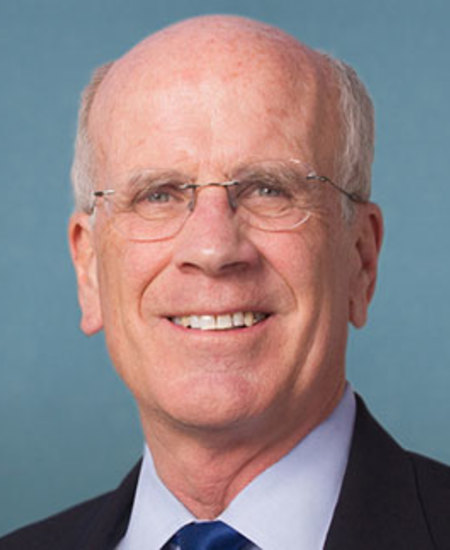
Peter Welch
Peter Welch Senate
D
Strong +
82% 22
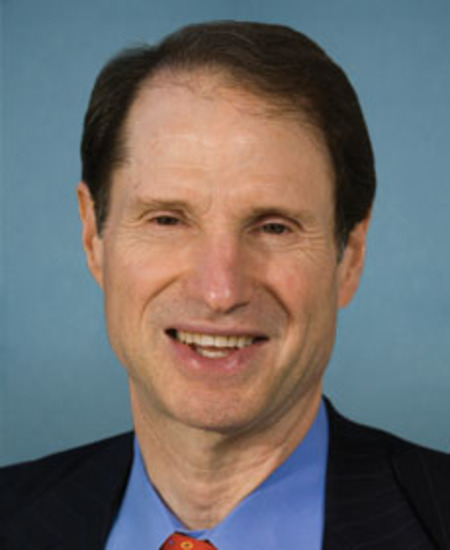
Ron Wyden
Ron Wyden Senate
D
Support
77% 22
Alex Padilla
Alex Padilla Senate
D
Support
76% 21
Ashley Moody
Ashley Moody Senate
R
Strong −
18% 22
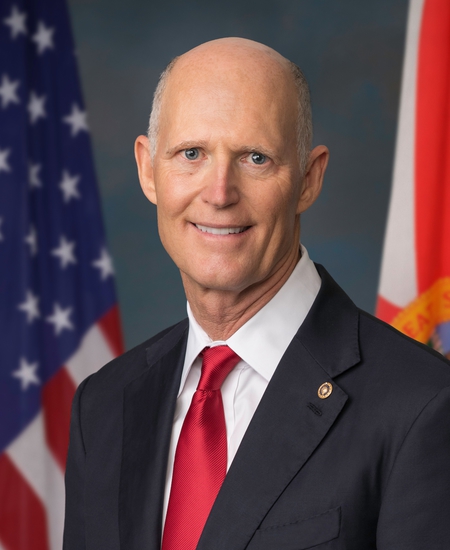
Rick Scott
Rick Scott Senate
R
Strong −
18% 22
Rand Paul
Rand Paul Senate
R
Oppose
23% 22
Brad Knott
Brad Knott House · District 13
R
Oppose
28% 18
Pat Harrigan
Pat Harrigan House · District 10
R
Oppose
28% 18
Showing 201–210 of 240 bills

All healthcare bills

in committee · United States · Senate Jan 23, 2025

S 203: Defund Planned Parenthood Act

This bill prohibits federal funding for Planned Parenthood Federation of America and its affiliates. It directly affects Planned Parenthood by banning all federal money from being allocated to them under any circumstances. The key provision is a clear, explicit ban on using federal funds for these organizations, overriding any other existing laws that might allow such funding. This is a straightforward policy change that would immediately halt federal financial support to Planned Parenthood.
in committee · United States · House Mar 6, 2025

HJRES 74: Disapproving the rule submitted by the Bureau of Consumer Financial Protection relating to "Prohibition on Creditors and Consumer Reporting Agencies Concerning Medical Information (Regulation V)".

H.J.Res. 74 disapproves a rule by the Bureau of Consumer Financial Protection (BCFP) that would have prohibited creditors and consumer reporting agencies from using medical information - such as unpaid medical bills - in credit reports and credit scoring. The rule, published in the Federal Register on January 14, 2025, aimed to prevent medical debt from affecting credit scores. If enacted, this resolution would block the rule from taking effect, maintaining the current practice where medical debt can influence credit decisions. This disapproval follows standard Congressional Review Act procedures for overturning agency rules.
in committee · United States · House Jan 3, 2025

HR 90: Health Coverage Choice Act

HR 90, the Health Coverage Choice Act, defines "short-term limited duration insurance" as health coverage with an initial term under 12 months and a total duration (including renewals) of no more than three years. This definition would directly affect health insurance issuers selling such plans and consumers purchasing short-term coverage as an alternative to standard health insurance. The bill amends the Public Health Service Act to establish this clear regulatory standard for these temporary plans. The legislation does not include additional policy provisions beyond this definitional change.
in committee · United States · Senate Dec 10, 2025

S 3418: COMPETE Act

This bill amends the Public Health Service Act to formally define "short-term limited duration insurance" (STLDI) as health insurance plans with contracts expiring within 12 months of their start date. It allows these plans to include renewal options without premium increases based on health status. The definition directly affects health insurance issuers selling STLDI and consumers purchasing these temporary coverage options. This change creates a clear regulatory category for short-term plans but does not alter their availability or requirements beyond the defined terms.
in committee · United States · Senate Oct 21, 2025

S 3019: No Big Blockbuster Bailouts Act

S 3019, the "No Big Blockbuster Bailouts Act," amends Medicare's drug price negotiation program to change how orphan drugs (treatments for rare diseases) are handled. It raises the revenue threshold from $200 million to $400 million before orphan drugs become subject to price negotiations under Medicare. This directly affects pharmaceutical companies developing drugs solely for rare diseases, as they will face price negotiations only if their annual U.S. revenue exceeds $400 million. The change applies to initial price negotiations starting January 1, 2028.
in committee · United States · House Feb 9, 2026

HR 7453: CLEAN Act

This bill denies tax credits for health insurance under the Affordable Care Act and Medicaid medical assistance to individuals convicted of sex offenses (as defined by the Adam Walsh Act). Specifically, it amends tax law to block refundable health care credits for sex offenders and adds a Medicaid provision allowing states to exclude sex offenders from receiving government-funded medical coverage. The policy directly affects sex offenders who would otherwise qualify for these federal benefits. The changes apply to tax years and Medicaid enrollments starting after the bill's enactment.
Sub-Topics Insurance Medicaid
in committee · United States · House Feb 11, 2025

HR 1208: No Tax Breaks for Radical Corporate Activism Act

This bill denies tax deductions to employers for expenses related to two specific services: (1) reimbursing employees for travel to obtain an abortion, and (2) covering gender transition procedures for a minor child (under age 18). It directly affects employers who provide health benefits or reimbursements for these services, making such costs non-deductible for tax purposes. Key provisions define "gender transition procedure" broadly to include medical/surgical services, puberty-blocking drugs, and cross-sex hormones, with limited exceptions for medically verified disorders of sex development or complications from prior procedures. The law would take effect for taxable years after enactment.
in committee · United States · House Mar 18, 2025

HR 2202: End Taxpayer Funding of Gender Experimentation Act of 2025

HR 2202 prohibits federal funds from being used for gender transition procedures or health plans covering them in federal programs like Medicaid and the Affordable Care Act. It does not ban these procedures but restricts federal subsidies, requiring individuals to pay for such coverage using non-federal funds (e.g., out-of-pocket or private insurance not tied to federal programs). The bill defines gender transition procedures broadly to include hormonal treatments and surgeries (e.g., mastectomy, hysterectomy), with exceptions for medically necessary treatments related to disorders of sex development or complications from such procedures. It also clarifies that ACA premium tax credits and cost-sharing reductions cannot apply to plans covering these procedures, though separate non-federal-funded coverage remains an option.
Sub-Topics Insurance Medicaid
in committee · United States · House Jan 3, 2025

HR 49: No Pro-Abortion Task Force Act

HR 49, the "No Pro-Abortion Task Force Act," blocks federal funding for the HHS Reproductive Healthcare Access Task Force (created January 21, 2022) and any similar successor group. It directly affects the Department of Health and Human Services by preventing the use of taxpayer money to operate this specific task force. The bill does not alter abortion laws or healthcare access; it only prohibits federal funds from supporting this particular initiative. This is a procedural funding restriction, not a policy change on reproductive healthcare.
Sub-Topics Women's Health
in committee · United States · Senate Sep 18, 2025

S 2907: Chloe Cole Act

S 2907, the Chloe Cole Act, prohibits health care professionals, hospitals, or clinics from performing "chemical or surgical mutilation" on minors under 18. This includes using puberty blockers, sex hormones, or surgeries intended to alter a child's body to align with a gender identity different from their sex assigned at birth. The law creates a private right of action, allowing victims or their guardians to sue providers in federal court for damages - including emotional distress and punitive damages - unless the treatment qualifies under specific exceptions (e.g., medically necessary care for disorders of sexual development, injuries, or detransition). It explicitly excludes counseling, referrals, or discussions of treatment options from liability, and sets a 25-year statute of limitations for lawsuits starting from the victim’s 18th birthday.
Showing 201 to 210 of 240 bills
Previous 1 … 20 21 22 … 24 Next