Issue · Healthcare

Healthcare (Medicaid)

Every healthcare bill, vote, and legislator stance in United States, automatically classified by Maddy, our AI policy reader.

Total bills
389
119th Congress
Top supporter
Christopher Murphy
89% support rate
Top opponent
Bill Hagerty
11% support rate
Ranked legislators
10
5 support · 5 oppose
Key legislators

Who's moving medicaid in United States

Legislators moving medicaid in United States
Legislator Party Stance Support rate Decisive votes
Christopher Murphy
Christopher Murphy Senate
D
Strong +
89% 9
Adam B. Schiff
Adam B. Schiff Senate
D
Strong +
80% 10
Alex Padilla
Alex Padilla Senate
D
Strong +
80% 10
Amy Klobuchar
Amy Klobuchar Senate
D
Strong +
80% 10
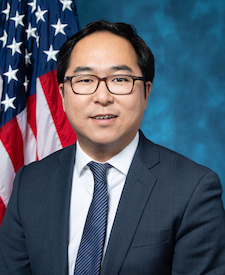
Andy Kim
Andy Kim Senate
D
Strong +
80% 10
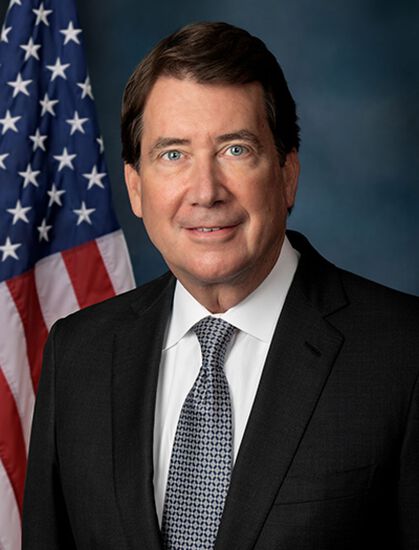
Bill Hagerty
Bill Hagerty Senate
R
Strong −
11% 9
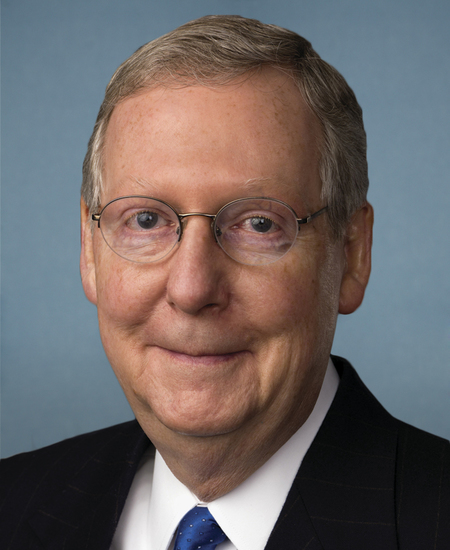
Mitch McConnell
Mitch McConnell Senate
R
Strong −
11% 9
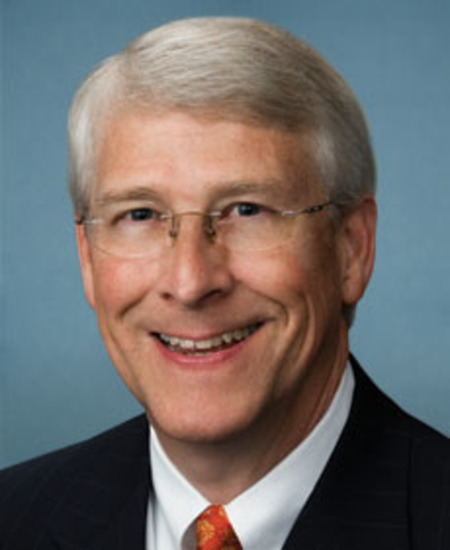
Roger F. Wicker
Roger F. Wicker Senate
R
Strong −
11% 9
Jerry Moran
Jerry Moran Senate
R
Strong −
12% 8
Ashley Moody
Ashley Moody Senate
R
Strong −
20% 10
Showing 191–200 of 389 bills

All healthcare bills

in committee · United States · House Jan 3, 2025

HR 44: Rural 340B Access Act of 2025

HR 44, the Rural 340B Access Act of 2025, would expand eligibility for the federal 340B drug discount program to include specific rural emergency hospitals. It directly affects rural emergency hospitals owned or operated by state/local governments, non-profits with governmental powers, or private non-profits with contracts to serve low-income patients. The bill amends the law to formally add these hospitals as "covered entities" under the 340B program, allowing them to purchase discounted drugs. This change would enable these facilities to access the same drug discounts previously available to other safety-net providers.
Sub-Topics Hospitals Medicaid Prescription Drugs Tags Rural Communities
in committee · United States · House Sep 16, 2025

HR 5412: Food Farmacy Act of 2025

The Food Farmacy Act of 2025 authorizes $10 million annually (2026-2030) in federal grants to fund "healthy food pharmacies" that provide free nutritious food and nutrition guidance from qualified health professionals to low-income, rural, or food-insecure communities. These pharmacies must serve Medicaid/SNAP recipients at no cost and align with the Department of Health and Human Services' "Food is Medicine" initiative. Grants cover construction, equipment, staffing, and food acquisition, with recipients required to report annual data on patrons served, health outcomes, and program effectiveness. The bill directly supports communities facing food insecurity by integrating grocery access with healthcare services, targeting non-profits, local governments, and tribal organizations.
Sub-Topics Medicaid
in committee · United States · House Dec 2, 2025

HR 6364: Kidd’s Stuttering Act

The Kidd's Stuttering Act requires Medicaid and CHIP to screen children aged 2-6 for stuttering and speech fluency during routine well-child visits starting January 1, 2027. It also mandates that Medicaid and CHIP cover specified speech therapy services for childhood stuttering (defined as "specified speech therapy services") with coverage rules no more restrictive than those for other speech disorders like language delays. The bill ensures these services include telehealth options and applies to all states administering Medicaid or CHIP. This directly affects children with stuttering who qualify for Medicaid or CHIP, aiming to improve early detection and access to treatment.
in committee · United States · Senate Jan 24, 2025

S 247: Choices for Increased Mobility Act of 2025

This bill requires Medicare to create separate billing codes for ultralightweight manual wheelchairs based on their frame material (e.g., titanium/carbon fiber vs. other materials) starting in 2026. It directly affects Medicare beneficiaries who use these wheelchairs, particularly those purchasing or renting models with titanium or carbon fiber frames. The bill mandates that Medicare pays suppliers the standard rate for such wheelchairs regardless of material, but allows suppliers to charge beneficiaries the difference between that payment and their actual cost. It also requires suppliers to provide clear financial notices to patients before sale or rental to inform them of potential additional costs.
Sub-Topics Medicaid Medicare
in committee · United States · House Jan 6, 2026

HR 6951: Stop Unfair Medicaid Recoveries Act

This bill prohibits states from pursuing or collecting Medicaid recovery claims against individuals' estates for payments made during their lifetime. It requires states to withdraw all existing recovery liens within 90 days of enactment and notify affected individuals or their estates. The law specifically ends state efforts to reclaim Medicaid funds from beneficiaries' estates after death, applying to claims initiated before the law's effective date. It directly affects Medicaid beneficiaries and their estates who were subject to prior state recovery actions. The key mechanism is a mandatory 90-day withdrawal of all existing liens and a permanent ban on new recovery claims for correctly paid assistance.
in committee · United States · Senate Mar 13, 2025

S 1031: ROCR Value Based Program Act

Radiation Oncology Case Rate Value Based Program Act of 2025 or the ROCR Value Based Program Act This bill establishes a specialized payment program under Medicare for providers and suppliers of radiation oncology services.  Specifically, the Centers for Medicare & Medicaid Services (CMS) must establish a program under which radiation therapy providers (i.e., hospital outpatient departments) and suppliers (i.e., physician group practices and freestanding radiation therapy centers) receive payments for each episode of care provided to individuals with specified types of cancer. An episode of care  means the period beginning on the day radiation therapy planning is furnished to the individual and ending (1) for individuals with bone or brain metastases, 30 days later; and (2) for individuals with other cancer types, 90 days later. Participation in the program is mandatory for providers and suppliers that participate in Medicare, unless the provider or supplier is part of a state-based Center for Medicare & Medicaid Innovation model or qualifies for a significant hardship exemption. The CMS must set payment rates for the program based on national payment rates with specified adjustments (e.g., geographic adjustments). Providers and suppliers who provide certain transportation services for individuals under their care may receive an additional payment. Providers and suppliers must be accredited in accordance with certain standards, subject to payment reductions. The Government Accountability Office must report on (1) implementation of the program, and (2) underserved areas that are in need of more or newer radiation therapy resources.
in committee · United States · Senate Mar 6, 2025

S 882: Patients Before Middlemen Act

The Patients Before Middlemen Act (S 882) improves pharmacy access for Medicare beneficiaries by requiring prescription drug plans to allow any pharmacy meeting standard contract terms to join their networks. It establishes "essential retail pharmacies" in medically underserved areas or regions with limited pharmacy access (such as rural areas with no other pharmacies within 10 miles), and creates standards for reasonable and relevant contract terms between drug plans and pharmacies. The bill also increases transparency requirements for pharmacy benefit managers, mandating detailed annual reports on drug costs, rebates, and pricing practices, with many provisions taking effect for plan years beginning January 1, 2028.
in committee · United States · House Jan 28, 2025

HR 772: Rural ER Access Act

HR 772, the Rural ER Access Act, removes a Medicare rule requiring off-campus emergency departments to be within 35 miles of a main hospital campus. Specifically, it directs the Health and Human Services Secretary to revise Medicare regulations (42 CFR §413.65(e)(3)(i)) to eliminate this location requirement. This change directly affects rural hospitals and healthcare organizations seeking to establish or expand off-campus emergency departments. The key mechanism is updating the Medicare eligibility criteria, allowing such facilities to qualify for billing without the previous geographic restriction, potentially increasing access to emergency care in rural areas.
Sub-Topics Hospitals Medicaid Medicare Tags Rural Communities
in committee · United States · Senate Mar 27, 2025

S 1168: Portable Ultrasound Reimbursement Equity Act of 2025

This bill, S 1168 (Portable Ultrasound Reimbursement Equity Act of 2025), would expand Medicare coverage to include separate reimbursement for portable ultrasound transportation and setup services, mirroring the existing payment structure for portable X-ray services. It directly affects medical equipment suppliers who provide mobile ultrasound services to Medicare beneficiaries. The bill amends Medicare law to require the Secretary to establish payment rules for portable ultrasound services that are substantially similar to those for portable X-ray services under existing regulations. These changes would take effect for services furnished on or after January 1, 2027.
in committee · United States · House Jan 31, 2025

HR 870: Physicians for Underserved Areas Act

HR 870, the Physicians for Underserved Areas Act, amends Medicare rules to improve how residency slots are redistributed when hospitals close. It requires hospitals to ensure that redistributed residency positions are filled within five years (previously only a vague "likelihood" standard existed). This change directly affects hospitals participating in Medicare that close and the residency programs receiving the reassignable slots. The policy focuses on ensuring residency positions are actually filled after closures, rather than just being available.
Showing 191 to 200 of 389 bills
Previous 1 … 19 20 21 … 39 Next