Issue · Healthcare

Healthcare (Medicaid)

Every healthcare bill, vote, and legislator stance in United States, automatically classified by Maddy, our AI policy reader.

Total bills
434
119th Congress
Top supporter
Christopher Murphy
89% support rate
Top opponent
Bill Hagerty
11% support rate
Ranked legislators
10
5 support · 5 oppose
Key legislators

Who's moving medicaid in United States

Legislators moving medicaid in United States
Legislator Party Stance Support rate Votes
Christopher Murphy
Christopher Murphy Senate
D
Strong +
89% 9
Adam B. Schiff
Adam B. Schiff Senate
D
Strong +
80% 10
Alex Padilla
Alex Padilla Senate
D
Strong +
80% 10
Amy Klobuchar
Amy Klobuchar Senate
D
Strong +
80% 10
Andy Kim
Andy Kim Senate
D
Strong +
80% 10
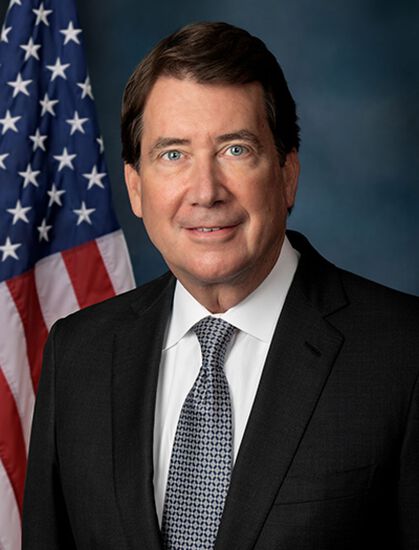
Bill Hagerty
Bill Hagerty Senate
R
Strong −
11% 9
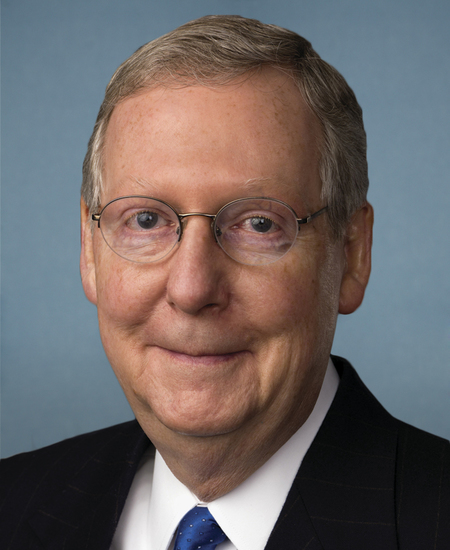
Mitch McConnell
Mitch McConnell Senate
R
Strong −
11% 9
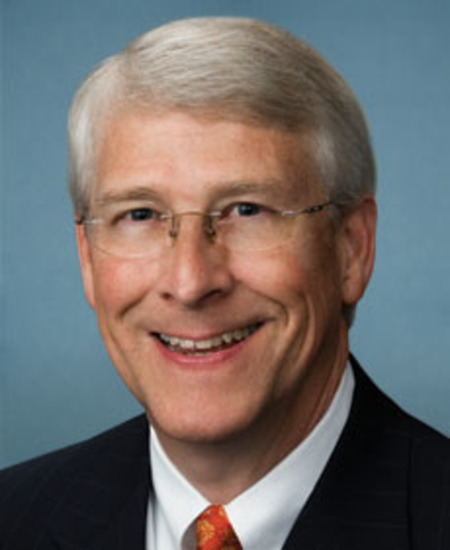
Roger F. Wicker
Roger F. Wicker Senate
R
Strong −
11% 9
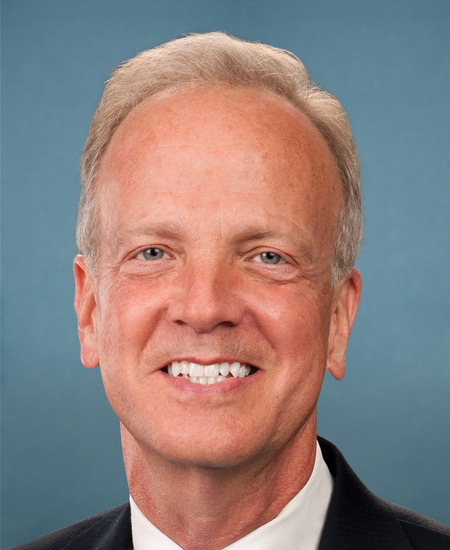
Jerry Moran
Jerry Moran Senate
R
Strong −
12% 8
Ashley Moody
Ashley Moody Senate
R
Strong −
20% 10
Showing 11–20 of 434 bills

All healthcare bills

in committee · United States · House Aug 20, 2026

HR 10134: Local Health Care Protection Act of 2026

The Local Health Care Protection Act of 2026 allows certain hospitals to continue participating in the federal drug discount program, known as Section 340B, even if they no longer meet specific financial thresholds related to serving low-income patients. This provision applies to hospitals that were already eligible for the program on July 3, 2025, and protects their access to discounted medications through cost reporting periods ending by September 30, 2030. The bill directly affects rural and underserved hospitals that may lose eligibility due to changes in Medicaid funding or Medicare payment formulas. Additionally, it requires the Government Accountability Office to conduct a study within one year on how these financial criteria are calculated and how declining payments impact essential health services in rural areas.
in committee · United States · Senate Aug 7, 2026

S 5365: Community Mental Wellness Worker Training Act

The Community Mental Wellness Worker Training Act authorizes the Department of Health and Human Services to award grants to community behavioral health clinics, mental health centers, and hospitals to train and certify new workers in providing basic mental health screening and counseling. These trained workers would assist individuals with mild to moderate conditions, such as depression or anxiety, by delivering evidence-based interventions that are culturally and linguistically competent. The bill prioritizes funding for entities located in areas with high poverty, unemployment, substance use rates, or significant numbers of dual Medicare-Medicaid beneficiaries. Additionally, the legislation provides legal protections against malpractice suits for participating staff and requires the Secretary to submit interim and final reports to Congress on the number of workers trained and certified through the program.
in committee · United States · Senate Jul 22, 2026

S 5091: Medicaid Dental Benefit Act of 2026

The Medicaid Dental Benefit Act of 2026 requires states to cover comprehensive dental and oral health services for adult Medicaid enrollees, with the mandate taking effect in January 2028. To support this expansion, the federal government will reimburse 100% of state expenditures for these new benefits for a period of three years, effectively shifting the financial burden from state budgets to federal funds. The bill also directs the Department of Health and Human Services to establish standardized quality and equity measures for adult oral care and requires states to submit annual reports on access disparities and benefit limitations. Additionally, it authorizes funding for outreach programs designed to educate eligible adults about their new coverage and connects them with culturally competent dental providers.
Sub-Topics Medicaid
in committee · United States · Senate Aug 6, 2026

S 5321: HCBS Access Act

The HCBS Access Act would require states to cover home and community-based services (HCBS) as a mandatory benefit under Medicaid, effectively eliminating waiting lists for individuals with disabilities and older adults who need support to live in their communities rather than institutions. To fund this expansion, the bill provides a 100% federal matching rate for these services if states meet specific requirements, such as improving workforce wages, removing access barriers, and establishing infrastructure to support self-directed care models. Additionally, the legislation creates a national technical assistance center and authorizes grants to recruit, train, and retain direct care workers, while also prohibiting states from placing liens on the assets of Medicaid recipients for medical assistance correctly paid.
in committee · United States · Senate Aug 4, 2026

S 5236: Improving CARE for Youth Act

The Improving CARE for Youth Act amends the Social Security Act to prevent state Medicaid plans from denying payment for mental health or primary care services provided on the same day as a qualifying service. This legislation directly affects individuals receiving Medicaid coverage, particularly those who visit outpatient facilities for both physical and mental health treatments during a single visit. By establishing that states cannot prohibit reimbursement for these concurrent services, the bill ensures that patients are not financially penalized for combining different types of care in one appointment. The measure defines "same-day qualifying services" as primary or mental health visits occurring at the same facility on the same day, regardless of whether the providers are identical.
Sub-Topics Children's Health Medicaid Mental Health Tags Children
in committee · United States · Senate Aug 4, 2026

S 5231: Equity in Pretrial Health Coverage Act

The Equity in Pretrial Health Coverage Act removes federal restrictions that currently prevent individuals awaiting trial from accessing certain government health benefits. The bill amends laws governing Medicaid, Medicare, the Children's Health Insurance Program (CHIP), and Department of Veterans Affairs services to ensure these programs cover medical care for people in custody while their charges are pending. For children enrolled in CHIP, the legislation also mandates coverage for specific screenings and case management services during the 30 days leading up to their release. These changes take effect shortly after enactment, with the Department of Veterans Affairs provision becoming active immediately upon the bill's passage.
in committee · United States · Senate Aug 5, 2026

S 5267: Accountable Produce is Medicine Act of 2026

The Accountable Produce is Medicine Act of 2026 directs the Center for Medicare and Medicaid Innovation to launch a five-year pilot program that tests a bundled payment model for chronic disease management. This initiative targets patients with conditions such as diabetes, obesity, or cardiovascular disease who reside in rural, medically underserved, or health professional shortage areas. Participating programs must provide a comprehensive package of services, including personalized nutrition counseling, remote patient monitoring, telehealth, and access to nutrient-dense foods, while prioritizing locally grown produce and regenerative agriculture. The model requires regular tracking of patient health metrics like weight and blood pressure, with the option for programs to assume financial risk for performance starting in the third year. All services under this pilot are provided without deductibles or copayments, aiming to evaluate whether these integrated food and medical interventions can improve health outcomes and reduce overall healthcare costs.
in committee · United States · Senate Aug 6, 2026

S 5326: Health Care Fraud Prevention and Enforcement Act

The Health Care Fraud Prevention and Enforcement Act mandates increased funding for federal agencies, including the Department of Justice, the Department of Health and Human Services, and the Federal Bureau of Investigation, to combat health care fraud and abuse starting in fiscal year 2027. The bill expands the investigative authority of the HHS Office of Inspector General to cover programs established under the Affordable Care Act and includes the State Children's Health Insurance Program in Medicare-Medicaid data matching efforts. Additionally, it requires the Government Accountability Office to conduct a study on the program's performance and effectiveness, with results due to Congress within 16 months of enactment.
in committee · United States · Senate Jul 30, 2026

S 5180: Provider Reimbursement Stability Act of 2026

The Provider Reimbursement Stability Act of 2026 aims to create more predictable payment amounts for physicians by modifying how the Centers for Medicare & Medicaid Services calculates fee schedules. It raises the financial threshold for certain budget adjustments from $20 million to $57.64 million starting in 2028 and requires these amounts to be adjusted every five years based on inflation data. The bill also mandates that the government update the costs of staff wages and medical supplies used to calculate payments at least once every five years and limits how much the overall payment rate can change from one year to the next to no more than 2.5 percent. These changes directly affect doctors and healthcare providers who receive Medicare payments, ensuring their reimbursement rates remain more stable and better aligned with actual costs.
Sub-Topics Medicaid Medicare
in committee · United States · Senate Jul 29, 2026

S 5172: Kidd’s Stuttering Act

The Kidd's Stuttering Act requires Medicaid and CHIP programs to include screening for childhood-onset fluency disorders, such as stuttering, in well-child visits for children aged 2 to 6. Starting in 2028, these screenings must be added to standard health quality measures, and by 2029, states must provide coverage for specific speech therapy services treating these disorders. The law ensures that coverage for stuttering therapy is not more restrictive than coverage for other speech and language disorders and allows these services to be delivered via telehealth. Additionally, managed care organizations and insurance plans must follow established rules to guarantee equal access to these treatments.
Showing 11 to 20 of 434 bills