Issue · Healthcare

Healthcare

Every healthcare bill, vote, and legislator stance in United States, automatically classified by Maddy, our AI policy reader.

Total bills
2,988
119th Congress
Top supporter
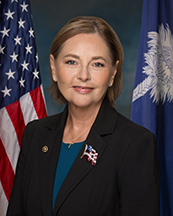
Darline Graham
82% support rate
Top opponent
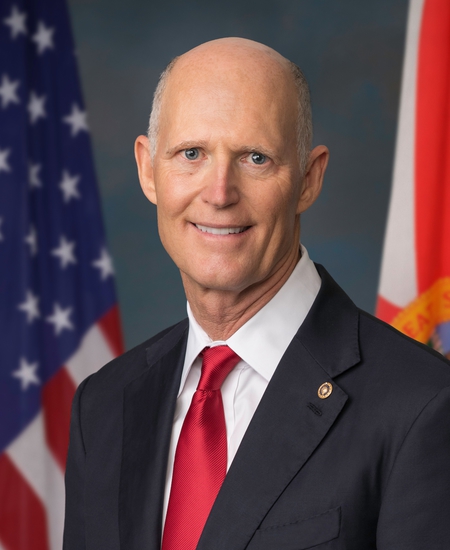
Rick Scott
19% support rate
Ranked legislators
10
5 support · 5 oppose
Key legislators

Who's moving healthcare in United States

Legislators moving healthcare in United States
Legislator Party Stance Support rate Decisive votes
Darline Graham
Darline Graham Senate
R
Strong +
82% 11
Peter Welch
Peter Welch Senate
D
Strong +
81% 27
Ron Wyden
Ron Wyden Senate
D
Support
78% 27
Alex Padilla
Alex Padilla Senate
D
Support
77% 26
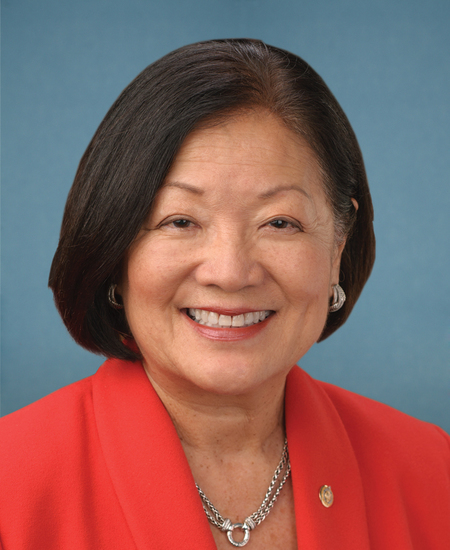
Mazie K. Hirono
Mazie K. Hirono Senate
D
Support
74% 27
Rick Scott
Rick Scott Senate
R
Strong −
19% 27
Ashley Moody
Ashley Moody Senate
R
Oppose
22% 27
Rand Paul
Rand Paul Senate
R
Oppose
22% 27
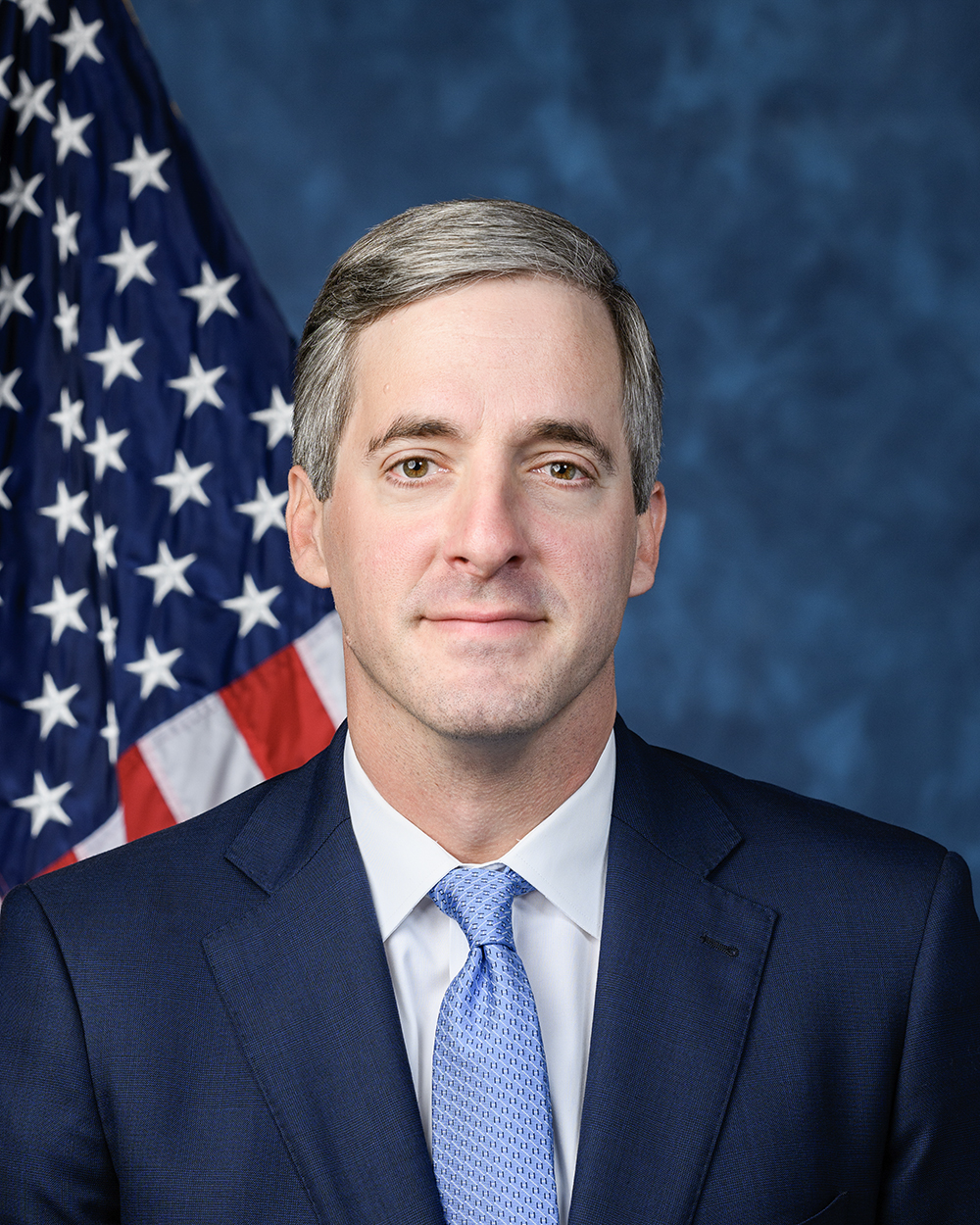
Brad Knott
Brad Knott House · District 13
R
Oppose
28% 18
Pat Harrigan
Pat Harrigan House · District 10
R
Oppose
28% 18
Showing 1,981–1,990 of 2,988 bills

All healthcare bills

in committee · United States · House Dec 17, 2025

HR 6817: Home-Based Telemental Health Care Act of 2025

This bill creates a federal grant program to expand mental health and substance use care for rural underserved populations, specifically targeting health professional shortage areas and individuals working in farming, fishing, or forestry. It authorizes $10 million annually (2025-2029) for eligible providers to deliver home-based telemental health services - using video or phone - directly to patients' homes or comfortable settings. Grantees must develop quality metrics comparing remote care to in-person services, expand broadband access, provide patient devices, and cover provider technology costs. The program requires annual reports to Congress on service impact and quality.
Sub-Topics Healthcare Workforce Mental Health Telehealth Tags Rural Communities
in committee · United States · House Apr 1, 2025

HR 2587: Youth Mental Health Research Act

HR 2587, the Youth Mental Health Research Act, establishes a new NIH research initiative to coordinate studies on youth mental health across federal health institutes. It focuses on two key areas: researching community resilience and early intervention strategies for at-risk youth, and improving how mental health services are delivered in schools, communities, and other settings where young people spend time. The bill authorizes $100 million annually for fiscal years 2025 through 2030 to fund this research. This initiative directly supports future evidence-based approaches to youth mental health, without altering current services or directly affecting individuals.
Sub-Topics Mental Health
in committee · United States · House Feb 9, 2026

HR 7417: Women’s Heart Health Expansion Act of 2026

HR 7417 reauthorizes and expands the WISEWOMAN program to include heart health screenings and education for low-income women. The bill directs the CDC to award grants for blood pressure and cholesterol screenings, health education, and referrals for heart disease prevention, building on existing breast and cervical cancer services. It specifically targets low-income women who are already served by the WISEWOMAN program or meet new eligibility criteria set by the Secretary. The expansion is funded with $250 million over five fiscal years (2027-2031), with services to be provided by current WISEWOMAN grantees or approved alternative providers.
Sub-Topics Public Health
in committee · United States · House Feb 2, 2026

HR 7307: SUPPLIES Act

HR 7307, the SUPPLIES Act, requires the State Department and USAID to create procedures within 60 days for handling unused supplies (like medicine, vaccines, or food) after foreign aid projects end. These procedures must prioritize preventing waste by ensuring supplies aren't destroyed, diverted, or expired without use. The bill mandates that these procedures be published online by both agencies. It directly affects U.S. government agencies and foreign aid partners managing aid supplies. The law defines "commodity" broadly to include perishable items held in warehouses or storage facilities for foreign assistance programs.
in committee · United States · Senate Apr 10, 2025

SRES 173: A resolution supporting the goals and ideals of World Malaria Day.

SRES 173 is a symbolic Senate resolution supporting World Malaria Day (observed April 25) and affirming U.S. leadership in global malaria efforts. It recognizes malaria's global impact (263 million cases, 597,000 deaths in 2023) and highlights U.S. contributions through the President’s Malaria Initiative and the Global Fund. The resolution urges continued U.S. leadership to reduce malaria cases by 90% by 2030, commends progress in countries like Rwanda and India, and emphasizes how fighting malaria aligns with U.S. interests in citizen safety, global stability, and economic prosperity.
in committee · United States · Senate May 1, 2025

S 1548: Nurse Corps Tax Parity Act of 2025

The Nurse Corps Tax Parity Act of 2025 ensures that certain payments and scholarships for nurses in the National Health Service Corps (NHSC) are excluded from federal income tax, matching the tax treatment of similar benefits under existing programs. It updates two key tax code provisions to include the Nurse Corps scholarship program (under section 846 of the Public Health Service Act) in the list of qualifying programs for tax exemption. This directly affects nurses and students receiving NHSC payments or scholarships as part of their service commitments. The bill creates tax parity by removing a potential tax burden for participants, aligning their benefits with other healthcare workforce programs.
in committee · United States · Senate Mar 27, 2025

S 1176: Healthy Food Access for All Americans Act

The Healthy Food Access for All Americans Act establishes tax credits and grants to improve access to healthy food in underserved communities. It provides a 15% tax credit for new grocery store construction and 10% for renovations in designated food deserts, along with grants covering 15% of food bank construction costs and 10% of operational costs for temporary food access services. To qualify, businesses must operate in areas meeting specific food desert criteria (limited grocery access, high poverty rates, and low income levels) and obtain certification as a "Special Access Food Provider." The program directly affects grocery stores, food banks, mobile markets, and farmers markets operating in food deserts.
Sub-Topics Tax Credits
in committee · United States · House Jul 22, 2025

HR 4581: 340B PATIENTS Act of 2025

This bill clarifies and strengthens the 340B drug discount program, which allows community health centers, hospitals, and clinics (covered entities) to purchase medications at discounted prices. It explicitly requires drug manufacturers to offer these discounts regardless of where drugs are dispensed (including through contracted pharmacies) and prohibits manufacturers from adding conditions that restrict how covered entities use these discounts - such as limiting delivery locations or demanding extra data. The bill also establishes civil penalties of up to $2 million per day for manufacturers who violate these rules, and allows covered entities to file claims for violations. This directly affects safety-net providers who rely on 340B savings to access specialty drugs (like cancer treatments) for patients in underserved communities.
Sub-Topics Prescription Drugs
in committee · United States · House Jan 22, 2026

HR 7227: Mental Health and MAMA Act of 2026

HR 7227, the Mental Health and MAMA Act of 2026, eliminates cost-sharing (like copays or deductibles) for mental health and substance use treatment services during pregnancy and for one year after childbirth. It directly affects pregnant and postpartum individuals covered by group health plans or individual insurance policies, requiring these plans to cover such services with no out-of-pocket costs from pregnancy diagnosis through the 12-month period following birth. The law applies to in-network providers and includes telehealth services, with implementation delayed until two years after enactment. It amends key laws including the Public Health Service Act, ERISA, and the Internal Revenue Code to standardize this coverage requirement across health insurance systems. This policy change aims to improve access to care during a critical health period without altering existing coverage definitions.
in committee · United States · House Jun 12, 2025

HR 3954: Improving Access to Medicare Coverage Act of 2025

Improving Access to Medicare Coverage Act of 2025 This bill deems an individual receiving outpatient observation services in a hospital as an inpatient for purposes of satisfying the three-day inpatient hospital-stay requirement with respect to Medicare coverage of skilled nursing facility (SNF) services. (Generally, individuals must have been an inpatient at a hospital for at least three days in order to qualify for SNF services. An individual's time spent under observation at a hospital for purposes of determining whether the individual should be admitted does not count towards this requirement.)
Showing 1,981 to 1,990 of 2,988 bills